Peter Marina - Böcker
Visar alla böcker från författaren Peter Marina. Handla med fri frakt och snabb leverans.
7 produkter
7 produkter
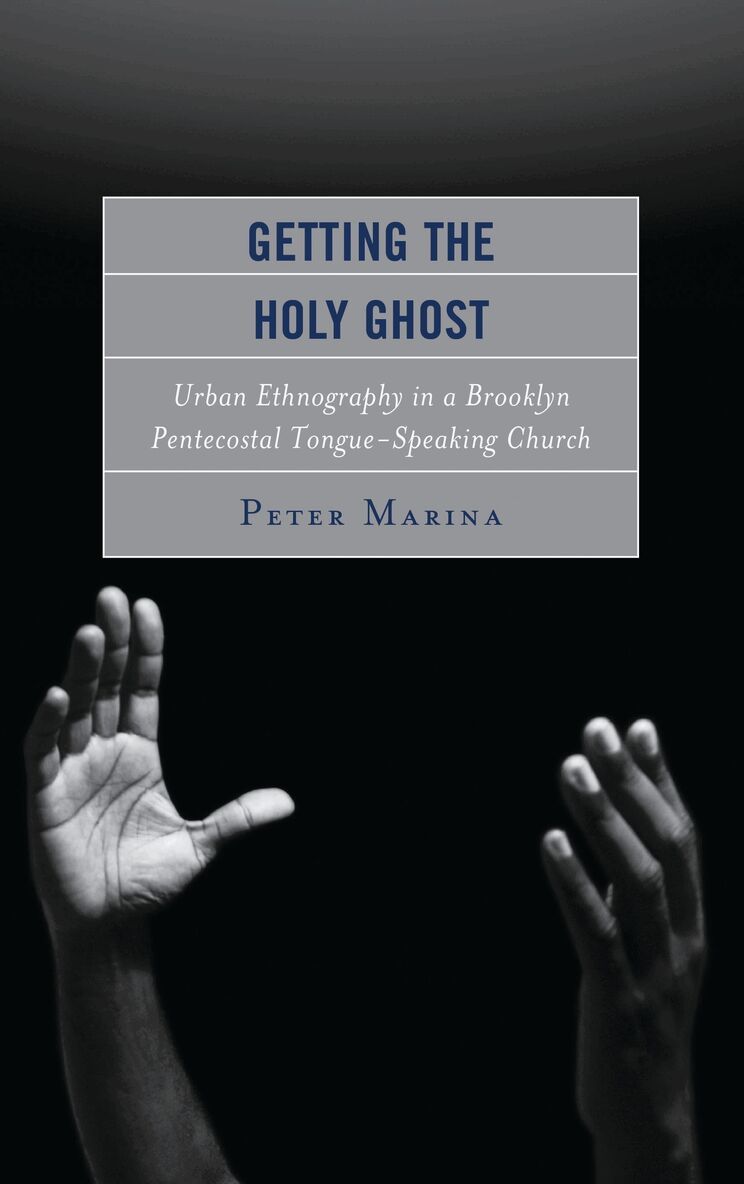
Getting the Holy Ghost
Urban Ethnography in a Brooklyn Pentecostal Tongue-Speaking Church
Inbunden, Engelska, 2013
1 276 kr
Skickas inom 10-15 vardagar
This book carries an ethnographic signature in approach and style, and is an examination of a small Brooklyn, New York, African-American, Pentecostal church congregation and is based on ethnographic notes taken over the course of four years. The Pentecostal Church is known to outsiders almost exclusively for its members’ “bizarre” habit of speaking in tongues. This ethnography, however, puts those outsiders inside the church pews, as it paints a portrait of piety, compassion, caring, love—all embraced through an embodiment perspective, as the church’s members experience these forces in the most personal ways through religious conversion. Central themes include concerns with the notion of “spectacle” because of the grand bodily display that is highlighted by spiritual struggle, social aspiration, punishment and spontaneous explosions of a variety of emotions in the public sphere. The approach to sociology throughout this work incorporates the striking dialectic of history and biography to penetrate and interact with religiously inspired residents of the inner-city in a quest to make sense both empirically and theoretically of this rapidly changing, surprising and highly contradictory late-modern church scene.The focus on the individual process of becoming Pentecostal provides a road map into the church and canvasses an intimate view into the lives of its members, capturing their stories as they proceed in their Pentecostal careers. This book challenges important sociological concepts like crisis to explain religious seekership and conversion, while developing new concepts such as “God Hunting” and “Holy Ghost Capital” to explain the process through which individuals become tongue-speaking Pentecostals. Church members acquire “Holy Ghost Capital” and construct a Pentecostal identity through a relationship narrative to establish personal status and power through conflicting tongue-speaking ideas. Finally, this book examines the futures of the small and large, institutionally affiliated Pentecostal Church and argues that the small Pentecostal Church is better able to resist modern rationalizing forces, retaining the charisma that sparked the initial religious movement. The power of charisma in the small church has far-reaching consequences and implications for the future of Pentecostalism and its followers.
481 kr
Skickas inom 10-15 vardagar
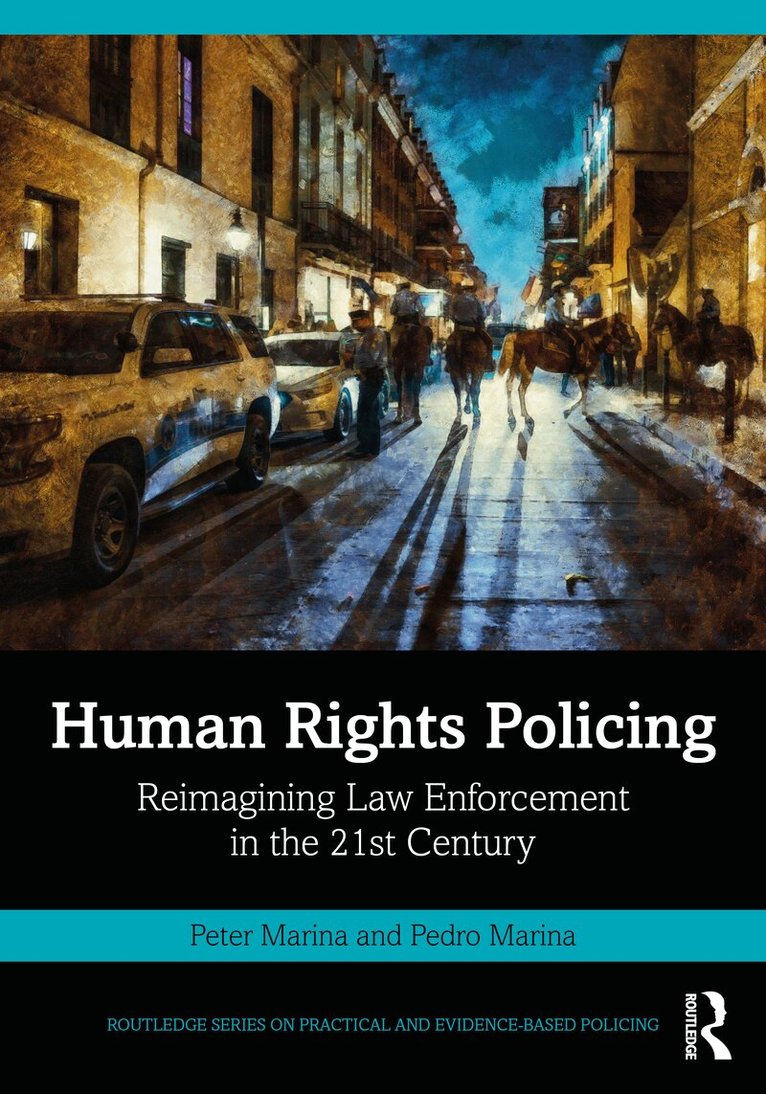
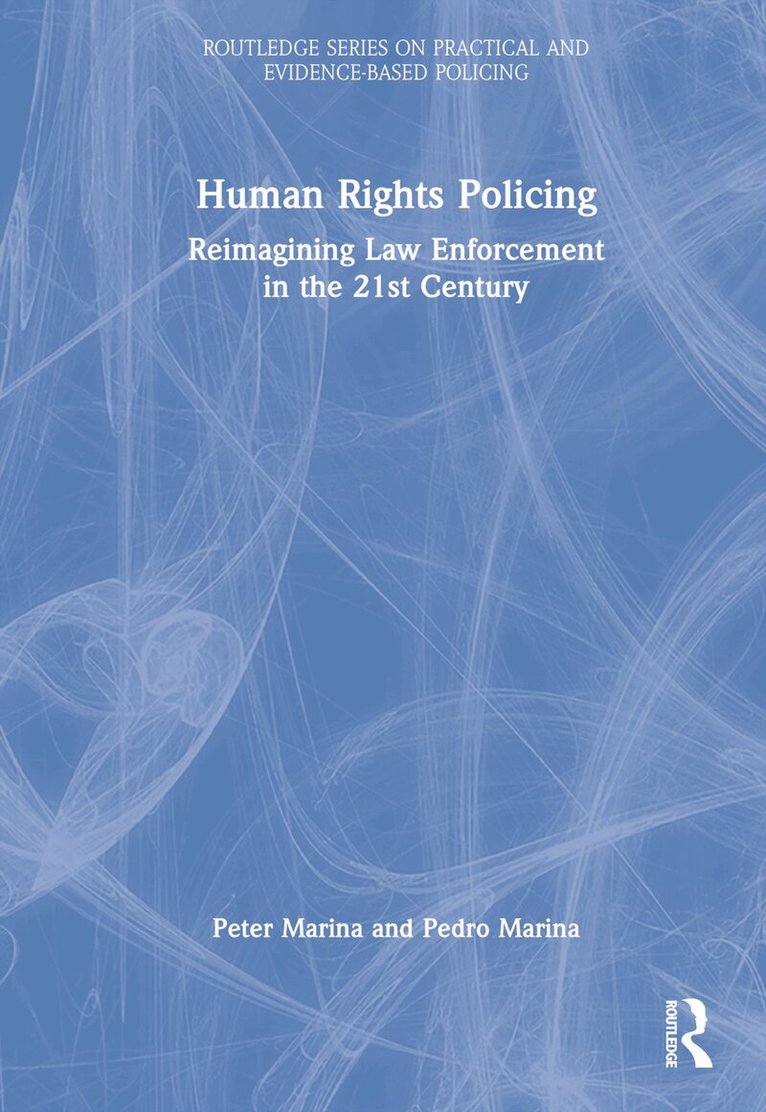
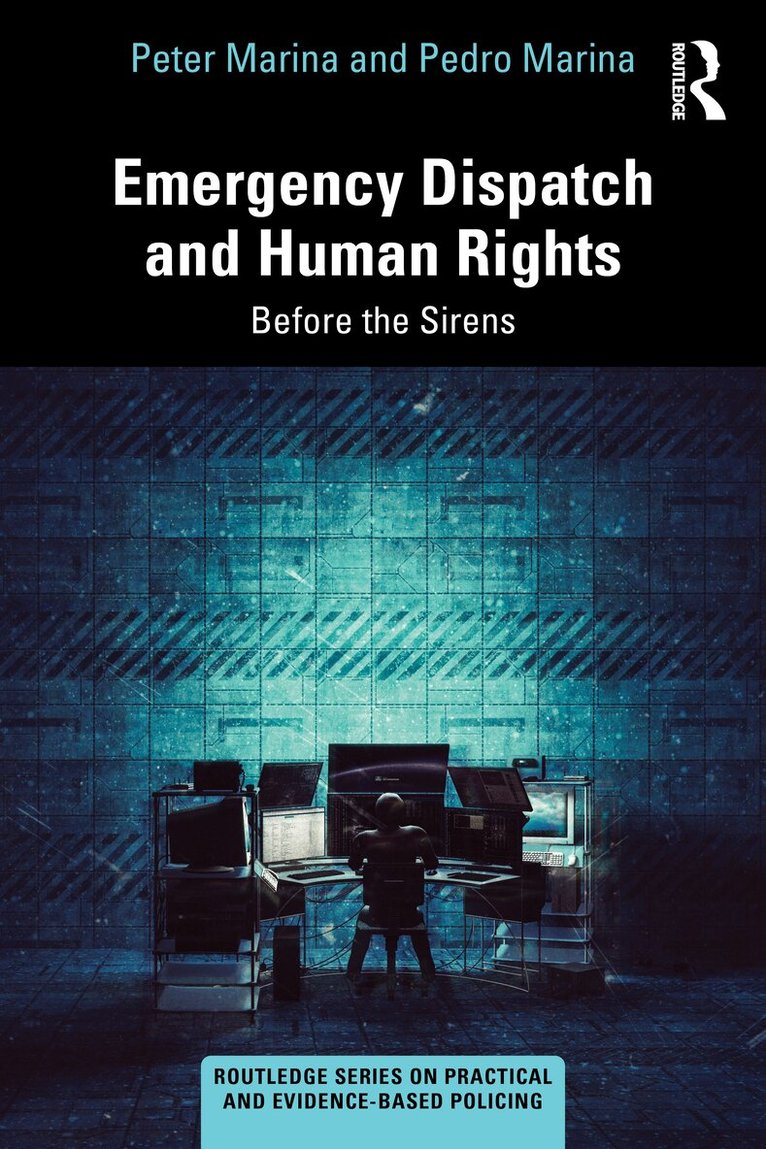
Relying on intense ethnographic research and extensive experiences teaching human rights policing to police officers, this book teaches law enforcement professionals how to apply human rights to their everyday interactions with community members. The data collected throughout this research process offers the reader first-hand accounts of police officers addressing the most important human rights as they relate to policing, telling stories of using their human agency while on the job, and providing insights into their discussions with community members on human rights, among other important topics. Human rights remain a relatively new concept in human civilization, but one largely unrealized at this point in history. Can police officers serve as the harbingers of human rights in a world that desperately needs it? We say yes. It starts with applying human rights to police work. But this book does more than teach police officers how to apply human rights to their careers. It reimagines the institution of law enforcement as we push toward the later stages of modernity. Refusing to tell readers what to think, this book provides the intellectual tools on how to think about policing in new and creative ways. It seeks to bring out the readers’ full creative potential as law enforcement agents, police officers, and criminal justice professionals and activists.This book advances new ideas throughout each chapter on how to make human rights policing a reality. The ideas in each chapter build on each other, offering a small piece of the puzzle and all the steps necessary to advance the goals of human rights policing. The book (1) analyzes the United Nations Declaration of Human Rights and how it applies to policing, (2) develops a three-fold typology called “Human Rights Policing Social Interactions,” (3) discusses the relationship between the use of power and human rights, (4) explains the power of human agency to transcend the ordinary, (5) uncovers the creation of folk devils that threaten human rights, (6) describes how to use the sociological imagination to understand community members, (7) reveals the importance of storytelling to see the world from the actor’s point of view, (8) discusses the double consciousness and the creation of the “other,” (9) describes what we call “soulful policing” and engaging with the community— Chicago style, and (10) provides social policy suggestions at both the national level and local policing level.This book will challenge the reader in fascinating and highly surprising ways to think about, and, further, to reimagine policing as we push toward the future. It will appeal to professionals at all levels of law enforcement, and will be useful in programs offering degrees and/or certificates to students of criminal justice.
1 901 kr
Skickas inom 10-15 vardagar
Relying on intense ethnographic research and extensive experiences teaching human rights policing to police officers, this book teaches law enforcement professionals how to apply human rights to their everyday interactions with community members. The data collected throughout this research process offers the reader first-hand accounts of police officers addressing the most important human rights as they relate to policing, telling stories of using their human agency while on the job, and providing insights into their discussions with community members on human rights, among other important topics. Human rights remain a relatively new concept in human civilization, but one largely unrealized at this point in history. Can police officers serve as the harbingers of human rights in a world that desperately needs it? We say yes. It starts with applying human rights to police work. But this book does more than teach police officers how to apply human rights to their careers. It reimagines the institution of law enforcement as we push toward the later stages of modernity. Refusing to tell readers what to think, this book provides the intellectual tools on how to think about policing in new and creative ways. It seeks to bring out the readers’ full creative potential as law enforcement agents, police officers, and criminal justice professionals and activists.This book advances new ideas throughout each chapter on how to make human rights policing a reality. The ideas in each chapter build on each other, offering a small piece of the puzzle and all the steps necessary to advance the goals of human rights policing. The book (1) analyzes the United Nations Declaration of Human Rights and how it applies to policing, (2) develops a three-fold typology called “Human Rights Policing Social Interactions,” (3) discusses the relationship between the use of power and human rights, (4) explains the power of human agency to transcend the ordinary, (5) uncovers the creation of folk devils that threaten human rights, (6) describes how to use the sociological imagination to understand community members, (7) reveals the importance of storytelling to see the world from the actor’s point of view, (8) discusses the double consciousness and the creation of the “other,” (9) describes what we call “soulful policing” and engaging with the community— Chicago style, and (10) provides social policy suggestions at both the national level and local policing level.This book will challenge the reader in fascinating and highly surprising ways to think about, and, further, to reimagine policing as we push toward the future. It will appeal to professionals at all levels of law enforcement, and will be useful in programs offering degrees and/or certificates to students of criminal justice.
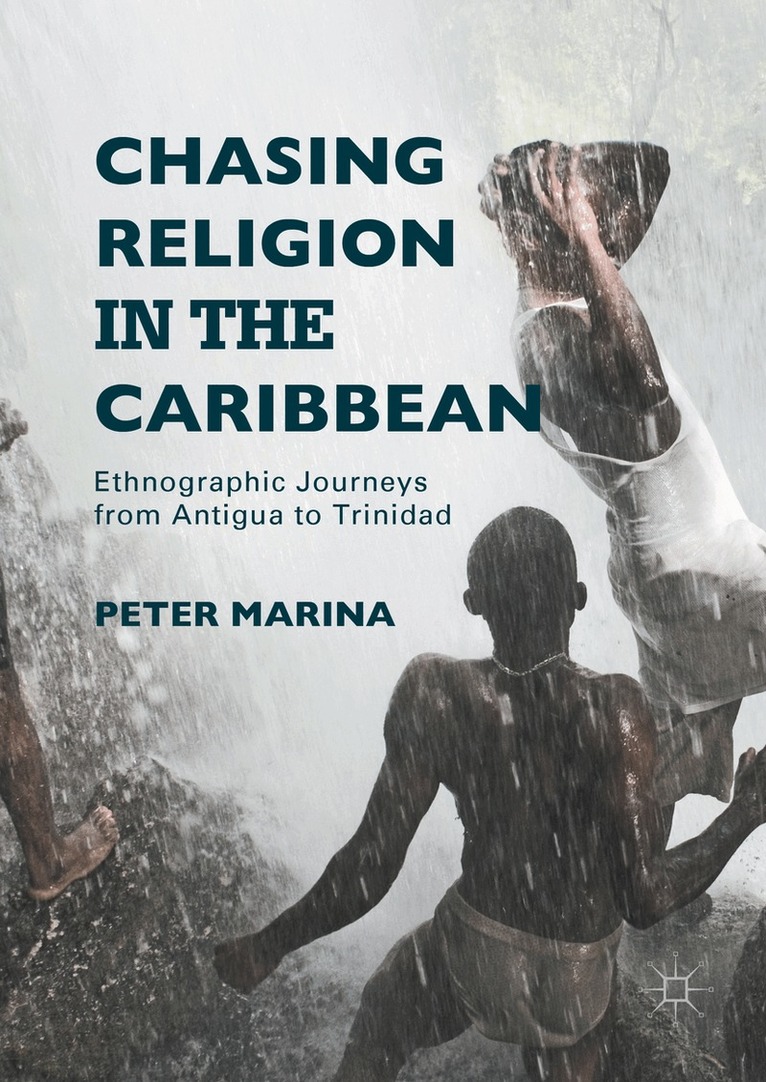
Chasing Religion in the Caribbean
Ethnographic Journeys from Antigua to Trinidad
Inbunden, Engelska, 2016
851 kr
Skickas inom 10-15 vardagar
Focusing on ten islands through the Caribbean, this ethnography examines how charismatic religious leaders develop creative transnational religious networking strategies that help spread the movement and increase its potential to become a greater force in shaping the future in the English-speaking Caribbean.
Chasing Religion in the Caribbean
Ethnographic Journeys from Antigua to Trinidad
Häftad, Engelska, 2019
271 kr
Skickas inom 10-15 vardagar
Focusing on ten islands through the Caribbean, this ethnography examines how charismatic religious leaders develop creative transnational religious networking strategies that help spread the movement and increase its potential to become a greater force in shaping the future in the English-speaking Caribbean.
870 kr
Skickas inom 5-8 vardagar
Getting the Holy Ghost
Urban Ethnography in a Brooklyn Pentecostal Tongue-Speaking Church
Häftad, Engelska, 2014
742 kr
Skickas inom 10-15 vardagar
This book carries an ethnographic signature in approach and style, and is an examination of a small Brooklyn, New York, African-American, Pentecostal church congregation and is based on ethnographic notes taken over the course of four years. The Pentecostal Church is known to outsiders almost exclusively for its members’ “bizarre” habit of speaking in tongues. This ethnography, however, puts those outsiders inside the church pews, as it paints a portrait of piety, compassion, caring, love—all embraced through an embodiment perspective, as the church’s members experience these forces in the most personal ways through religious conversion. Central themes include concerns with the notion of “spectacle” because of the grand bodily display that is highlighted by spiritual struggle, social aspiration, punishment and spontaneous explosions of a variety of emotions in the public sphere. The approach to sociology throughout this work incorporates the striking dialectic of history and biography to penetrate and interact with religiously inspired residents of the inner-city in a quest to make sense both empirically and theoretically of this rapidly changing, surprising and highly contradictory late-modern church scene.The focus on the individual process of becoming Pentecostal provides a road map into the church and canvasses an intimate view into the lives of its members, capturing their stories as they proceed in their Pentecostal careers. This book challenges important sociological concepts like crisis to explain religious seekership and conversion, while developing new concepts such as “God Hunting” and “Holy Ghost Capital” to explain the process through which individuals become tongue-speaking Pentecostals. Church members acquire “Holy Ghost Capital” and construct a Pentecostal identity through a relationship narrative to establish personal status and power through conflicting tongue-speaking ideas. Finally, this book examines the futures of the small and large, institutionally affiliated Pentecostal Church and argues that the small Pentecostal Church is better able to resist modern rationalizing forces, retaining the charisma that sparked the initial religious movement. The power of charisma in the small church has far-reaching consequences and implications for the future of Pentecostalism and its followers.