Peter Sramek - Böcker
Visar alla böcker från författaren Peter Sramek. Handla med fri frakt och snabb leverans.
4 produkter
4 produkter
658 kr
Tillfälligt slut
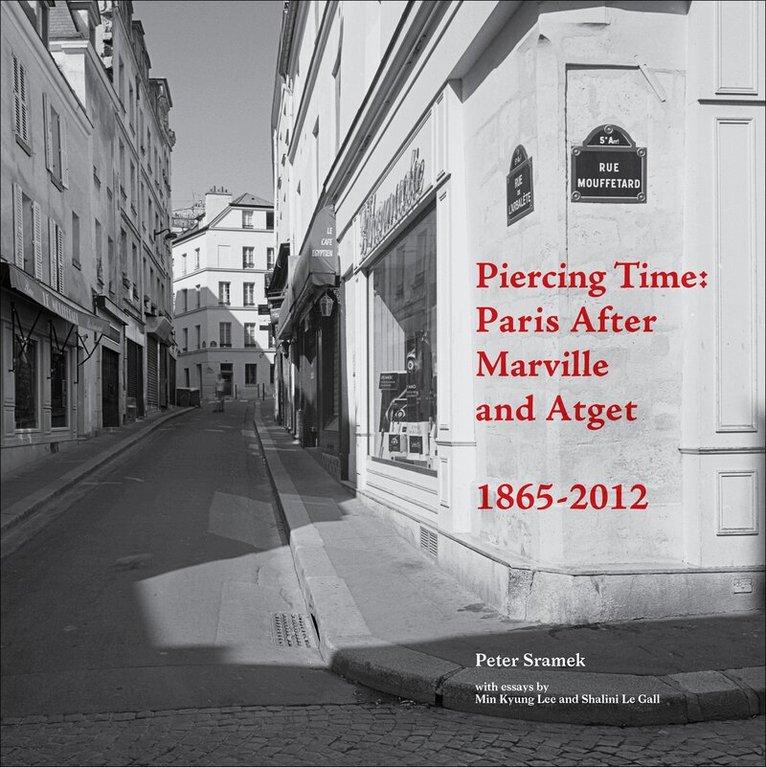
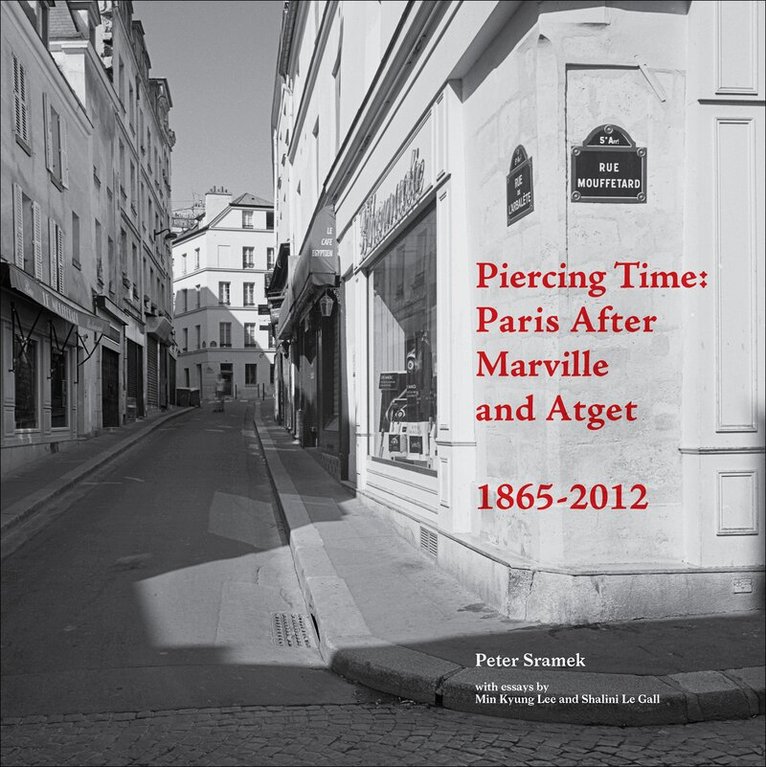
Piercing Time examines the role of photography in documenting urban change by juxtaposing contemporary ‘rephotographs’ taken by the author with images of nineteenth-century Paris taken by Charles Marville, who worked under Georges Haussmann, and corresponding photographs by Eugène Atget taken in the early twentieth century. Revisiting the sites of Marville’s photographs with a black cloth, tripod and view camera, Peter Sramek creates here a visually stunning book that investigates how urban development, the use of photography as a documentary medium and the representation of urban space reflect attitudes towards the city. The essays that run alongside these fascinating images discuss subjects such as the aesthetics of ruins and the documentation of the demolitions that preceded Haussmannization, as well as the different approaches taken by Marville and Atget to their work. The book also includes contemporary interviews with local Parisians, extracts from Haussmann’s own writing and historical maps that allow for an intriguing look at the shifting city plan. Sure to be of interest to lovers of the city, be they Parisians or visitors, Piercing Time provides a unique snapshot of historical changes of the past 150 years. But it will also be of enduring value to scholars. The accurate cataloguing and high quality reproductions of the images make it a resource for a significant portion of the Marville collection in the Musée Carnavalet, and it will aid further research in urban history and change in Paris over the past century and a half. Photographers will be drawn to the book for its new thinking in relation to documentary methodologies.
2 037 kr
Skickas inom 5-8 vardagar
Piercing Time examines the role of photography in documenting urban change by juxtaposing contemporary ‘rephotographs’ taken by the author with images of nineteenth-century Paris taken by Charles Marville, who worked under Georges Haussmann, and corresponding photographs by Eugène Atget taken in the early twentieth century. Revisiting the sites of Marville’s photographs with a black cloth, tripod and view camera, Peter Sramek creates here a visually stunning book that investigates how urban development, the use of photography as a documentary medium and the representation of urban space reflect attitudes towards the city. The essays that run alongside these fascinating images discuss subjects such as the aesthetics of ruins and the documentation of the demolitions that preceded Haussmannization, as well as the different approaches taken by Marville and Atget to their work. The book also includes contemporary interviews with local Parisians, extracts from Haussmann’s own writing and historical maps that allow for an intriguing look at the shifting city plan. Sure to be of interest to lovers of the city, be they Parisians or visitors, Piercing Time provides a unique snapshot of historical changes of the past 150 years. But it will also be of enduring value to scholars. The accurate cataloguing and high quality reproductions of the images make it a resource for a significant portion of the Marville collection in the Musée Carnavalet, and it will aid further research in urban history and change in Paris over the past century and a half. Photographers will be drawn to the book for its new thinking in relation to documentary methodologies.
1 390 kr
Skickas inom 5-8 vardagar
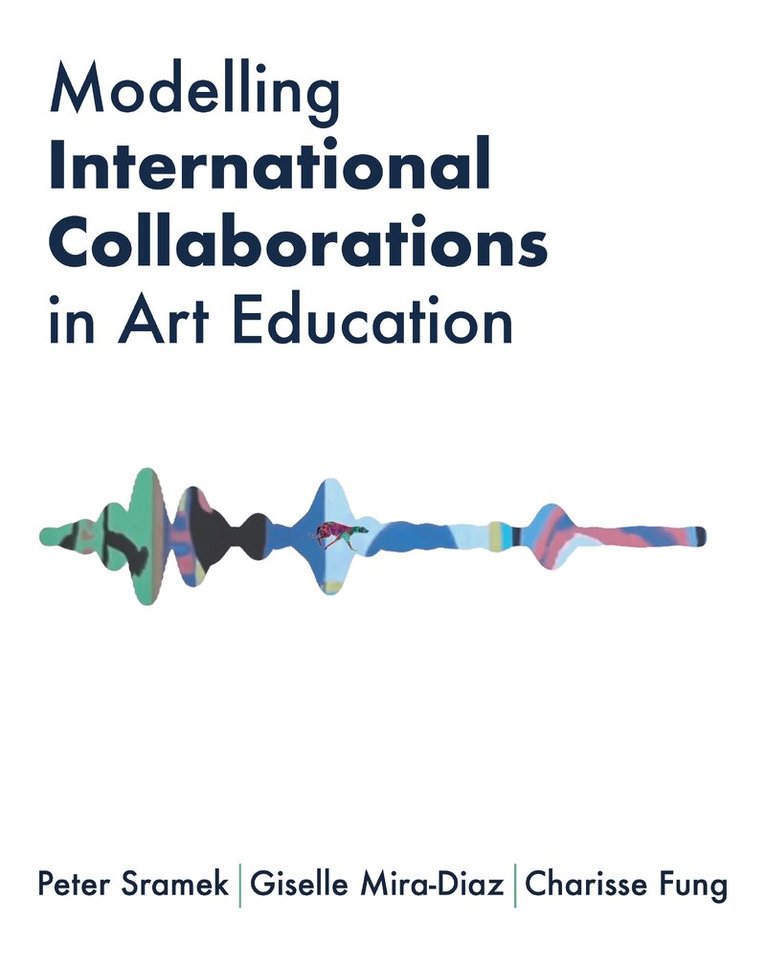
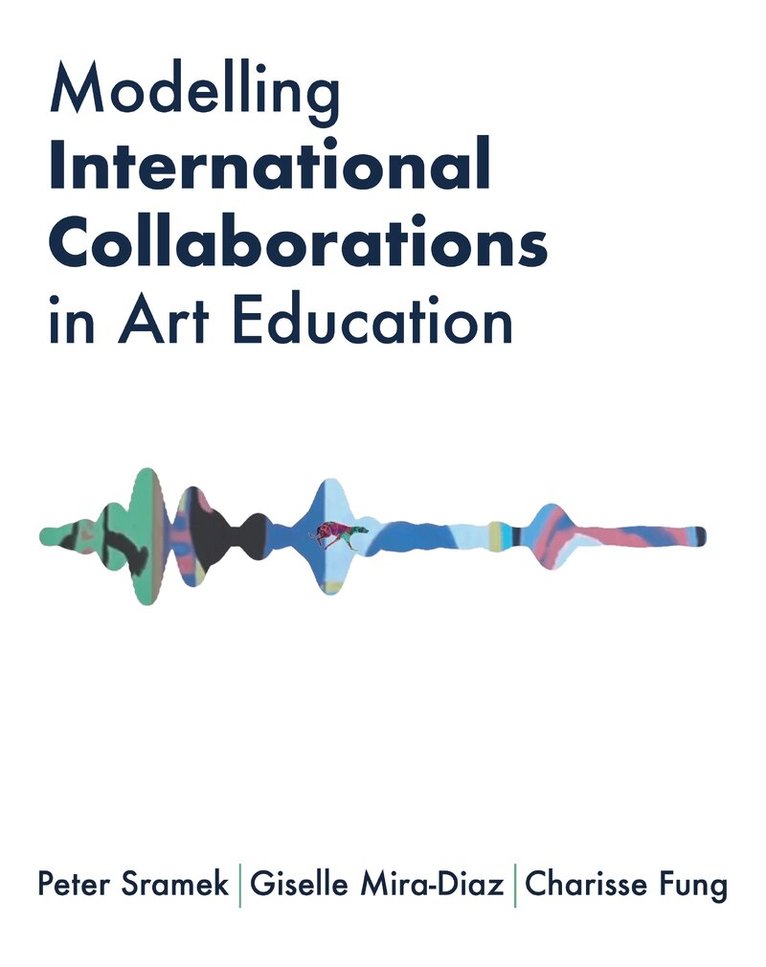
Based on over a decade of collective teaching, this volume explores the hybrid use of online and in-person collaboration as a means of offering international experience to university-level arts students. Chapters articulate a collective learning based on the experiences of the International Art Collaborations Network (INTAC), Collective Body group and related programs which the authors and contributors have participated in as educators and students.Illustrated with photographs, screenshots and student projects, the book inspires reflection on teaching methodologies and student artmaking strategies across cultures and languages. Pedagogical and methodological topics trace an evolution of curricular approaches and use of evolving online platforms. Examples of themes and visual strategies demonstrate the power of student-directed collaborative learning. Diverse voices have been gathered through research conducted with educators and alumni connected to INTAC, providing perspectives on working collaboratively in a global context.Student projects exemplify responses to the challenges of communication and creation that come with distanced artistic partnership. Chapters end with suggested points for conversation, whether between educators, students of art education or students entering collaborations. Although based on experiences in the visual arts, the ideas and methods are applicable to others engaging in inter-institutional education or online collaborative practices.Fully illustrated with examples of collaborative art projects, photographs, screenshots, diagrams and posters.
496 kr
Skickas inom 5-8 vardagar
Based on over a decade of collective teaching, this volume explores the hybrid use of online and in-person collaboration as a means of offering international experience to university-level arts students. Chapters articulate a collective learning based on the experiences of the International Art Collaborations Network (INTAC), Collective Body group and related programs which the authors and contributors have participated in as educators and students.Illustrated with photographs, screenshots and student projects, the book inspires reflection on teaching methodologies and student artmaking strategies across cultures and languages. Pedagogical and methodological topics trace an evolution of curricular approaches and use of evolving online platforms. Examples of themes and visual strategies demonstrate the power of student-directed collaborative learning. Diverse voices have been gathered through research conducted with educators and alumni connected to INTAC, providing perspectives on working collaboratively in a global context.Student projects exemplify responses to the challenges of communication and creation that come with distanced artistic partnership. Chapters end with suggested points for conversation, whether between educators, students of art education or students entering collaborations. Although based on experiences in the visual arts, the ideas and methods are applicable to others engaging in inter-institutional education or online collaborative practices.Fully illustrated with examples of collaborative art projects, photographs, screenshots, diagrams and posters.