Peter Ten Hoopen – författare
Visar alla böcker från författaren Peter Ten Hoopen. Handla med fri frakt och snabb leverans.
6 produkter
Enlightened Leader
An Introduction to the Chakras of Leadership
Av Peter ten Hoopen, Fons Trompenaars
Inbunden, 2009
389 kr
Lägg i varukorg
With the stunning public cases of leadership gone awry, the search is on for a type of leadership that incorporates human values in an otherwise exploitative business world. In this book, the authors take the scalpel and address deeply ingrained nefarious management theory, and show the way to …
Enlightened Leader
An Introduction to the Chakras of Leadership
Av Fons Trompenaars, Peter ten Hoopen
E-bok, 2010
454 kr
Lägg i varukorg
With the stunning public cases of leadership gone awry, the search is on for a type of leadership that incorporates human values in an otherwise exploitative business world. In this book, the authors take the scalpel and address deeply ingrained nefarious management theory, and show the way to …
Enlightened Leader
An Introduction to the Chakras of Leadership
Av Fons Trompenaars, Peter ten Hoopen
E-bok, 2010
439 kr
Lägg i varukorg
With the stunning public cases of leadership gone awry, the search is on for a type of leadership that incorporates human values in an otherwise exploitative business world. In this book, the authors take the scalpel and address deeply ingrained nefarious management theory, and show the way to …
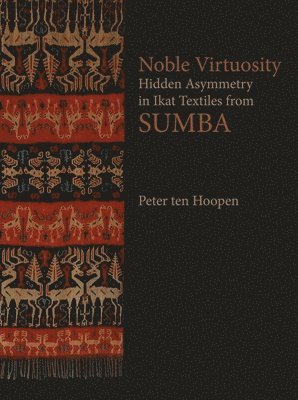
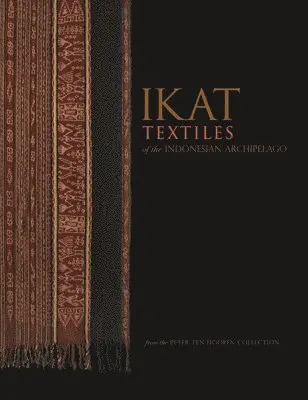
Ikat Textiles of Timor
Inbunden, 2026
1014 kr
Tillfälligt slut
Ikat Textiles of Timor offers an in-depth overview of regional textile styles from both West and East Timor, while also contributing significant new insights into their design traditions. In academic literature, the ikated men’s wraps from Timor have long been described as symmetrical. However, Dr …