Peter V. N. Henderson - Böcker
Visar alla böcker från författaren Peter V. N. Henderson. Handla med fri frakt och snabb leverans.
2 produkter
2 produkter
350 kr
Skickas inom 10-15 vardagar
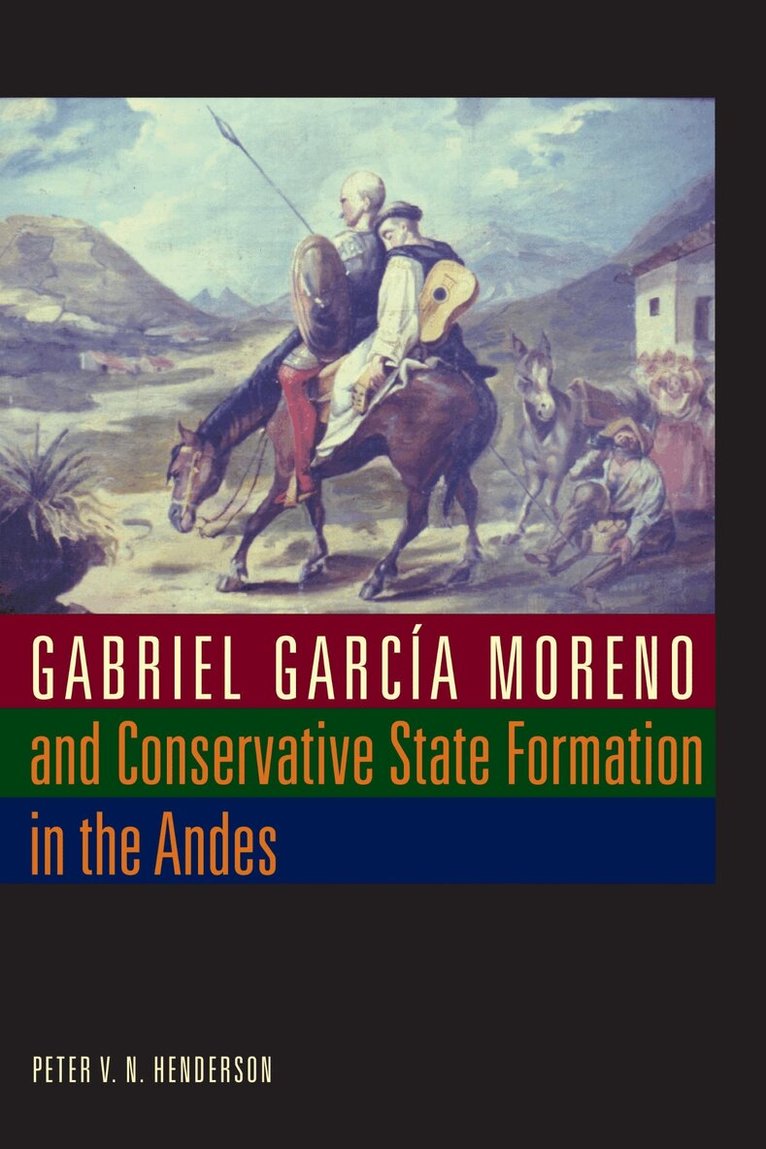
This book explores the life and times of Ecuador's most controversial politician within the broader context of the new political history, addressing five major themes of nineteenth-century Latin American history: the creation of political networks, the divisiveness of regionalism, the bitterness of the liberal-conservative ideological divide, the complicating problem of caudillismo, and the quest for progress and modernization. Two myths traditionally associated with GarcÍa Moreno's rule are debunked. The first is that he created a theocracy in Ecuador. Instead, the book argues that he negotiated a concordat with the Papacy giving the national government control over the church's secular responsibilities, and subordinated the clergy, many of whom were highly critical of GarcÍa Moreno, to the conservative state. A second, frequently repeated generalization is that he created a conservative dictatorship out of touch with the liberal age in which he lived. Instead, the book argues that moderates held sway during the first nine years of GarcÍa Moreno's period of influence, and only during his final term did he achieve the type of conservative state he thought necessary to advance his progressive nation-building agenda. In sum, this book enriches our understanding of many of the notions of state formation by suggesting that conservatives like GarcÍa Moreno envisioned a program of material progress and promoting national unity under a very different formula from that of nineteenth-century liberals.
372 kr
Skickas inom 7-10 vardagar
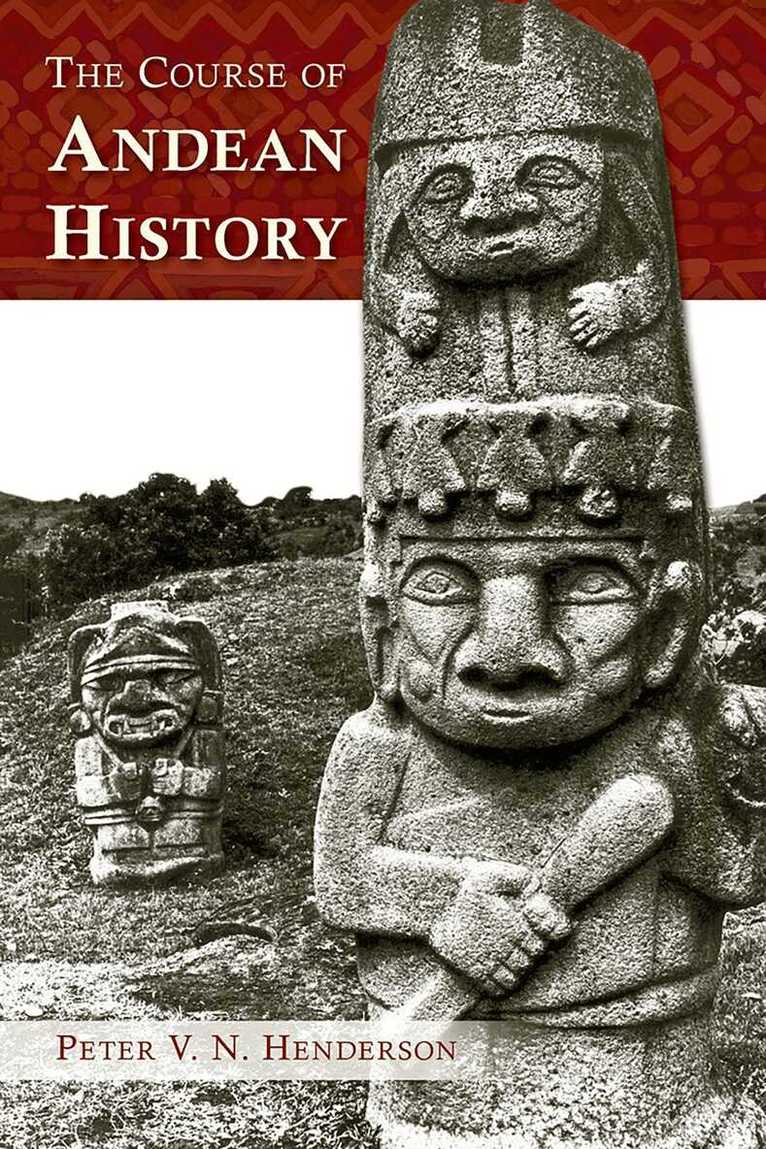
The only comprehensive history of Andean South America from initial settlement to the present, this useful book focuses on Colombia, Ecuador, Peru, and Bolivia, the four countries where the Andes have played a major role in shaping history. Although Henderson emphasises the period since the winning of independence in 1825, he argues that the region’s republican history cannot be explained without a clear understanding of what happened in the pre-Hispanic and colonial eras Henderson carefully explores the complex relationship between the Andean peoples and their land up until the fall of the Inka Empire in 1532 before addressing the Spanish conquest and the colonial aftermath, emphasising the syncretism often unwillingly forced upon the original inhabitants of the region. His account of the nineteenth century discusses the attempts of the Andean elite to fashion modern nation-states in the face of many divisive factors, including race. The final chapters carry the story from 1930 to the present as the Andean countries debated different ways to create a more inclusive and prosperous society.