Peter Vergo - Böcker
Visar alla böcker från författaren Peter Vergo. Handla med fri frakt och snabb leverans.
2 produkter
2 produkter
525 kr
Skickas inom 7-10 vardagar
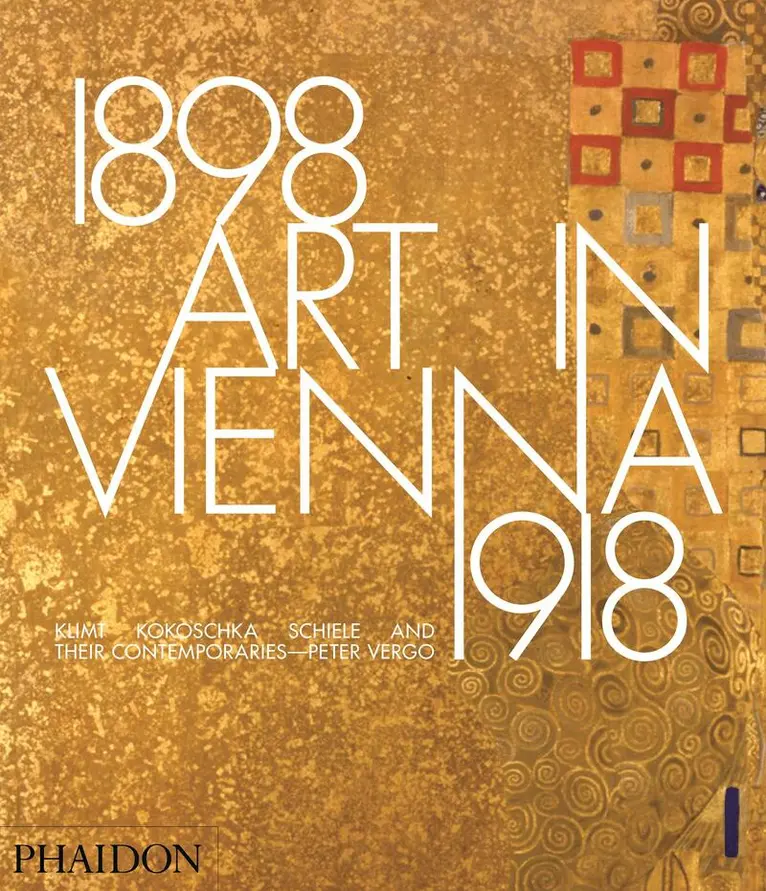
The artistic stagnation of Vienna at the end of the 19th century was rudely shaken by the artists of the Vienna Secession. Their work shocked a conservative public, but their successive exhibitions, their magazine Ver Sacrum, and their application to the applied arts and architecture soon brought them an enthusiastic following and wealthy patronage. Art in Vienna, 1898-1918: Klimt, Kokoschka, Schiele and their Contemporaries, now published in its 4th edition, brilliantly traces the course of this development. Klimt, Kokoschka and Schiele were the leading figures in the fine arts; Wagner, Olbrich, Loos and Hoffmann in architecture and the applied arts. In other fields, Mahler, Freud and Schnitzler were influencing the avant-garde.The book includes eye-witness accounts of exhibitions, the opening of the Secession building and other events, and the result is a fascinating documentary study of the members of an artistic movement which is much admired today. Some 150 color images and 75 black and white archival illustrations make this a sumptuous and historically engrossing study of a period when Vienna was the centre of the European art world.
305 kr
Skickas inom 7-10 vardagar
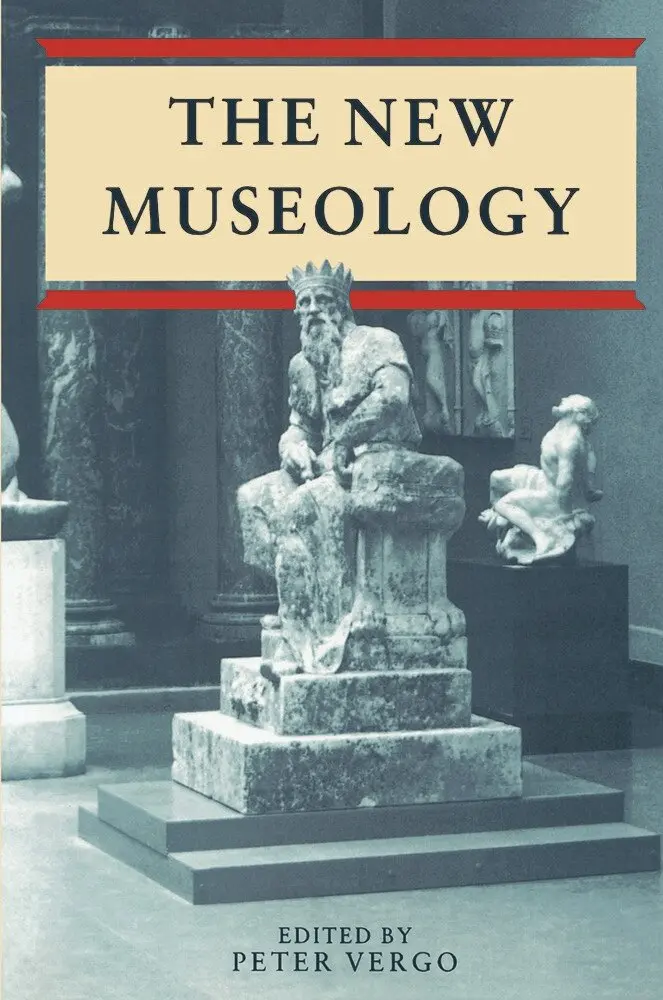
Traditionally, museums have concerned themselves with foremost with conservation and classification. But what is conserved, and why? How is it classified? And who does this benefit? Are exhibitions really designed with the visitor in mind? And what qualities of experience are being offered? These are just some of the pressing questions which the authors - museum professionals, historians and critics - raise in this volume.Art collections, museums of childhood, science and photography, theme parks and ‘time machines’, and the Great Exhibitions are among the diverse subjects discussed. As a collection of critical views of museum history, theory and practice, The New Museology is of interest not only to those in the museum profession, but to all those concerned with society's attitude to its own history and culture.