Peter W. Sposato - Böcker
Visar alla böcker från författaren Peter W. Sposato. Handla med fri frakt och snabb leverans.
2 produkter
2 produkter
657 kr
Skickas inom 10-15 vardagar
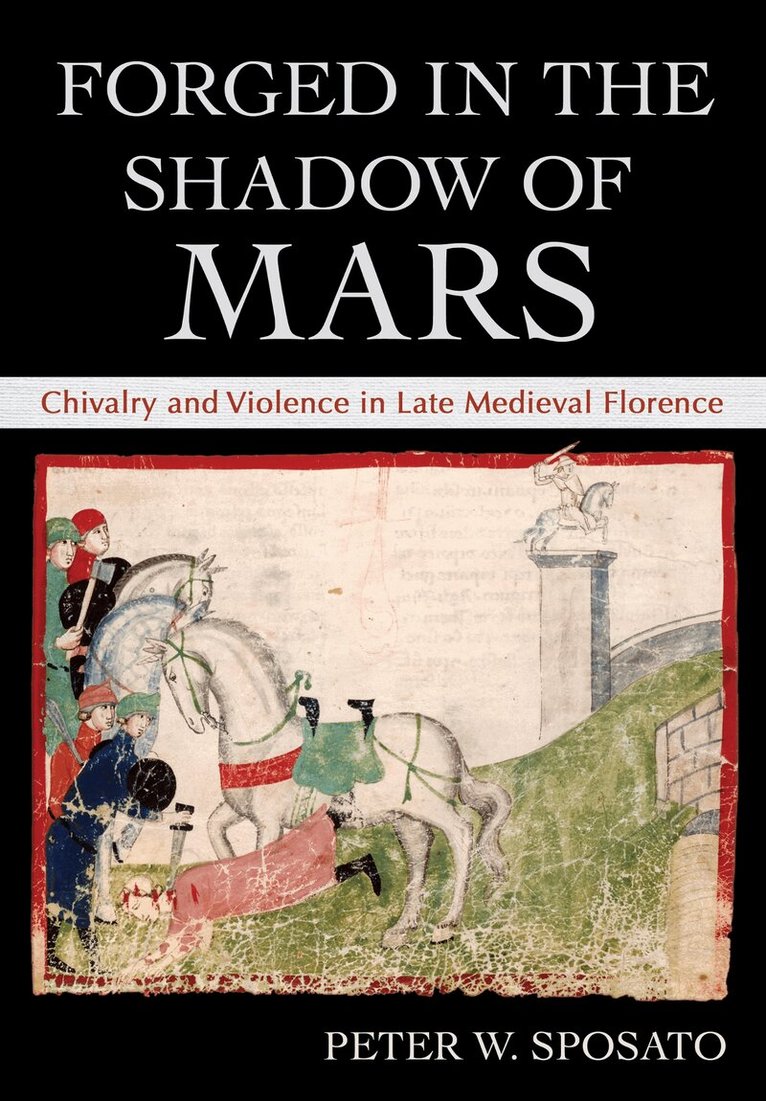
In Forged in the Shadow of Mars, Peter W. Sposato traces chivalry's powerful influence on the mentalitè and behavior of a sizeable segment of the elite in late medieval Florence. He finds that the strenuous knights and men-at-arms of the Florentine chivalric elite—a cultural community comprised of men from both traditional and newly emerged elite lineages—embraced a chivalric ideology that was fundamentally martial and violent. Chivalry helped to shape a common identity among these men based on the profession of arms and the ready use of violence against both their peers and those they perceived to be their social inferiors. This violence, often transgressive in nature, was not only crucial to asserting and defending personal, familial, and corporate honor, but was also inherently praiseworthy. In this way, Sposato highlights the sharp differences between chivalry and the more familiar civic ideology of the popolo grasso, the Florentine mercantile and banking elite who came to dominate Florence politically and economically during the thirteenth and fourteenth centuries.As a result, in Forged in the Shadow of Mars, Sposato challenges the traditional scholarly view of chivalry as foreign to the social and cultural landscape of Florence and contests its reputation as a civilizing force. By reexamining the connection between chivalric literature and actual practice and identity formation among historical knights and men-at-arms, he likewise provides an important corrective to assumptions about the nature of elite violence and identity in medieval Italian cities.
Del 23 - Journal of Medieval Military History
Journal of Medieval Military History: Volume XXIII
Urban Communities and War in Medieval Europe
Inbunden, Engelska, 2025
1 077 kr
Skickas inom 7-10 vardagar
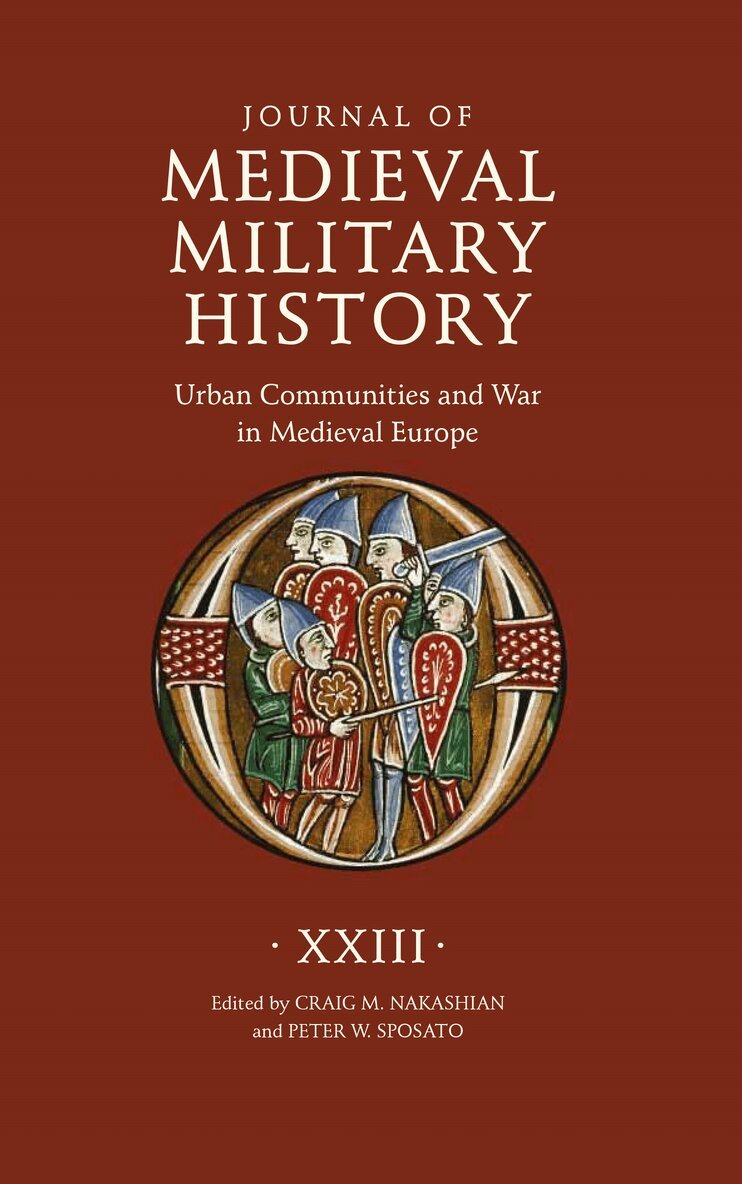
"The leading academic vehicle for scholarly publication in the field of medieval warfare." Medieval WarfareThis volume examines the diverse ways in which medieval European cities, towns, and other urban communities engaged with warfare. For northern Europe, articles consider how subterfuge and betrayal were deployed to capture strongholds, the role of urban communities (large and small) in English warfare in the eleventh through the thirteenth centuries, how morale was maintained (or undermined) during a siege, how Scottish cities and towns supported efforts to resist English invasion, the military agreements with magnates used by Rhineland cities to promote peace, and what economic evidence can show us about the contribution of French cities to war efforts in the later Middle Ages. Moving south, essays explore the nature of warfare in twelfth and thirteenth century Lombardy, the actions of the Angevin royal family in Tuscan urban warfare and politics, the composition of Italian armies (gleaned from cavalry musters from Bologna), the importance of the city of Murcia during the War of the Two Pedros, and the creation of chivalric spaces out of Andalucian cities.