

Häftad, Engelska, 2016
293 kr
Skickas inom 5-8 vardagar
293 kr
Skickas inom 5-8 vardagar

101 kr
Läs direkt efter köp
116 kr
Läs direkt efter köp
393 kr
Läs direkt efter köp
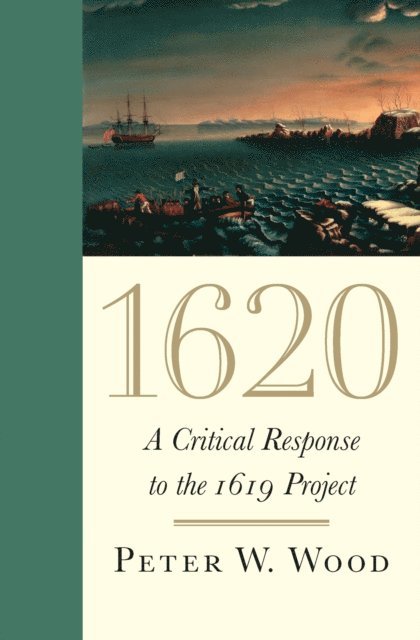
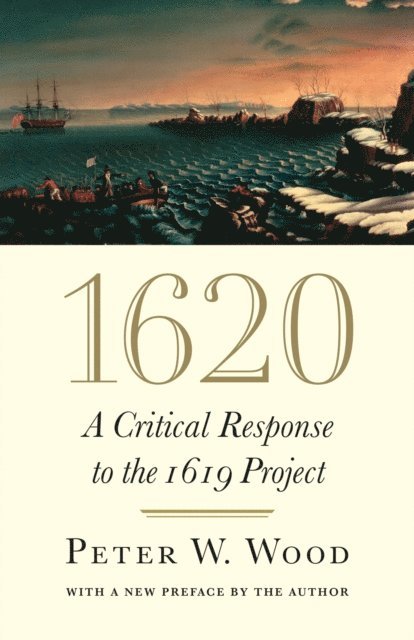
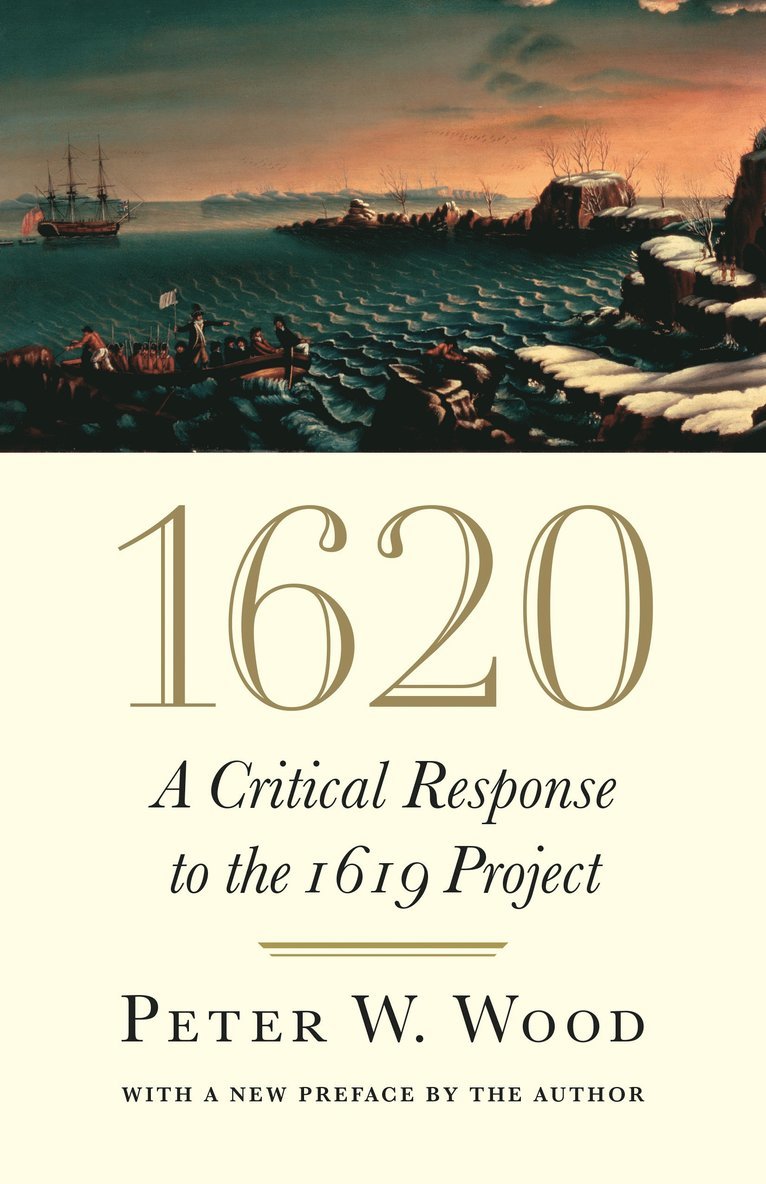
Peter Wood argues against the flawed interpretation of history found in the New York Times’ 1619 Project and asserts that the true origins of American self-government were enshrined in the Mayflower Compact in 1620."1620 is a dispassionate, clear reminder that the best in America’s past is still America’s best future." —Amity Shlaes, chair, Calvin Coolidge Presidential Foundation"Peter Wood’s pushback against the 1619 Project is at once sharp, illuminating, entertaining, and profound." —Stanley Kurtz, senior fellow, Ethics and Public Policy Center
When and where was America founded? Was it in Virginia in 1619, when a pirate ship landed a group of captive Africans at Jamestown? So asserted the New York Times in August 2019 when it announced its 1619 Project. The Times set out to transform history by tracing American institutions, culture, and prosperity to that pirate ship and the exploitation of African Americans that followed. A controversy erupted, with historians pushing back against what they say is a false narrative conjured out of racial grievance.This book sums up what the critics have said and argues that the proper starting point for the American story is 1620, with the signing of the Mayflower Compact aboard ship before the Pilgrims set foot in the Massachusetts wilderness. A nation as complex as ours, of course, has many starting points, most notably the Declaration of Independence in 1776. But the quintessential ideas of American self-government and ordered liberty grew from the deliberate actions of the Mayflower immigrants in 1620.Schools across the country have already adopted the Times’ radical revision of history as part of their curricula. The stakes are high. Should children be taught that our nation is a four-hundred-year-old system of racist oppression? Or should they learn that what has always made America exceptional is our pursuit of liberty and justice for all?
253 kr
Skickas inom 5-8 vardagar
334 kr
Läs direkt efter köp
Anger now dominates American politics. It wasn’t always so. “Happy Days Are Here Again” was FDR’s campaign song in 1932. By contrast, candidate Kamala Harris’s 2020 campaign song was Mary J. Blige’s “Work That” (“Let ‘em get mad / They gonna hate anyway”). Both the left and right now summon anger as the main way to motivate their supporters. Post-election, both sides became even more indignant. The left accuses the right of “insurrection.” The right accuses the left of fraud. This is a book about how we got here—about how America changed from a nation that could be roused to anger but preferred self-control, to a nation permanently dialed to eleven. Peter W. Wood, an anthropologist, has rewritten his 2007 book, A Bee in the Mouth: Anger in America, which predicted the new era of political wrath. In his new book, he explains how American culture beginning in the 1950s made a performance art out of anger; how and why we brought anger into our music, movies, and personal lives; and how, having step by step relinquished our old inhibitions on feeling and expressing anger, we turned anger into a way of wielding political power. But the “angri-culture,” as he calls it, doesn’t promise happy days again. It promises revenge. And a crisis that could destroy our republic.
282 kr
Läs direkt efter köp
Whenand where was America founded? Was it in Virginia in 1619, when a pirate ship landed a group of captive Africans at Jamestown? So assertedthe New York Times in August 2019 when it announced its 1619 Project. The Timesset out to transform history by tracing American institutions, culture,and prosperity to that pirate ship and the exploitation of African Americans that followed. A controversy erupted, but the Times didn’t back down. Instead the authors ballooned their original magazine supplement into a 600-page book.
Peter Wood’s 1620 was a point-by-point response to the 1619 Project. He argued that theproper starting point for the American story is 1620, with the signing of the Mayflower Compact aboard ship before the Pilgrims set foot in theMassachusetts wilderness. The quintessential ideas of American self-government and ordered liberty grew from the deliberate actions of those Mayflower immigrants. In this new edition of 1620, Wood brings the story up to date,including the glittering prizes for 1619 pseudo-history, the deepening disputes, and the roles played by Presidents Trump and Biden.
Much of the controversy involves education. Schools across the country raced to adopt the Times’ radical revision of history as part of their curricula. Parents in many districts have rebelled. Should children be taught that America is a four-hundred-year-old system of racist oppression? Or should they learn that what has always made America exceptional is our pursuit of liberty and justice for all?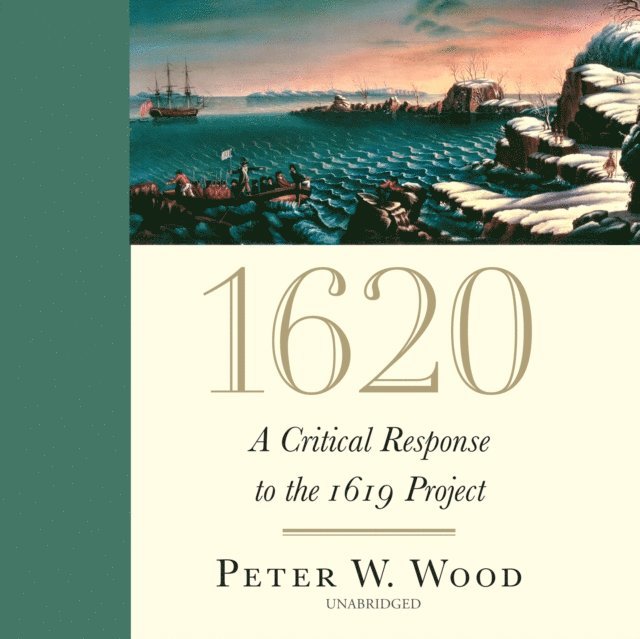
241 kr
Lyssna direkt efter köp
Peter Wood argues against the flawed interpretation of history found in the New York Times’ 1619 Project and asserts that the true origins of American self-government were enshrined in the Mayflower compact in 1620.
Was America founded on the auction block in Jamestown in 1619 or aboard the Mayflower in 1620? The controversy erupted in August 2019 when the New York Times announced its 1619 Project. The Times set to transform history by asserting that all the laws, material gains, and cultural achievements of Americans are rooted in the exploitation of African-Americans. Historians have pushed back, saying that the 1619 Project conjures a false narrative out of racial grievance.This book sums up what the critics have said and argues that the traditional starting point for the American story—the signing of the Mayflower Compact aboard ship before the Pilgrims set foot in the Massachusetts wilderness—is right. A nation as complex as ours, of course, has many starting points, including the Declaration of Independence in 1776. But if we want to understand where the quintessential ideas of self-government and ordered liberty came from, the deliberate actions of the Mayflower immigrants in 1620 count much more than the near accidental arrival in Virginia fifteen months earlier of a Portuguese slave ship commandeered by English pirates.Schools across the country have already adopted The Times’ radical revision of history as part of their curricula. The stakes are high. Should children be taught that our nation is, to its bone, a 400-year-old system of racist oppression? Or should we teach children that what has always made America exceptional is its pursuit of liberty and justice for all?
248 kr
Lyssna direkt efter köp
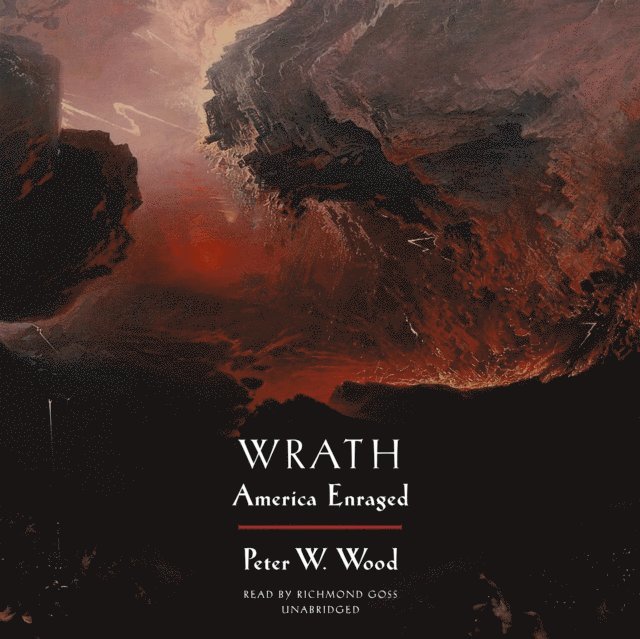
Anger now dominates American politics. It wasn’t always so. “Happy Days Are Here Again” was FDR’s campaign song in 1932. By contrast, candidate Kamala Harris’s 2020 campaign song was Mary J. Blige’s “Work That” (“Let ‘em get mad / They gonna hate anyway”). Both the left and right now summon anger as the main way to motivate their supporters. Post-election, both sides became even more indignant. The left accuses the right of “insurrection.” The right accuses the left of fraud. This is an audiobook about how we got here―about how America changed from a nation that could be roused to anger but preferred self-control, to a nation permanently dialed to eleven.
Peter W. Wood, an anthropologist, has rewritten his 2007 book, A Bee in the Mouth: Anger in America, which predicted the new era of political wrath. In his new book, he explains how American culture beginning in the 1950s made a performance art out of anger; how and why we brought anger into our music, movies, and personal lives; and how, having step by step relinquished our old inhibitions on feeling and expressing anger, we turned anger into a way of wielding political power. But the “angri-culture,” as he calls it, doesn’t promise happy days again. It promises revenge. And a crisis that could destroy our republic.

78 kr
Tillfälligt slut
92 kr
Tillfälligt slut
250 kr
Tillfälligt slut
293 kr
Skickas inom 5-8 vardagar
101 kr
Läs direkt efter köp
116 kr
Läs direkt efter köp
393 kr
Läs direkt efter köp
Peter Wood argues against the flawed interpretation of history found in the New York Times’ 1619 Project and asserts that the true origins of American self-government were enshrined in the Mayflower Compact in 1620."1620 is a dispassionate, clear reminder that the best in America’s past is still America’s best future." —Amity Shlaes, chair, Calvin Coolidge Presidential Foundation"Peter Wood’s pushback against the 1619 Project is at once sharp, illuminating, entertaining, and profound." —Stanley Kurtz, senior fellow, Ethics and Public Policy Center
When and where was America founded? Was it in Virginia in 1619, when a pirate ship landed a group of captive Africans at Jamestown? So asserted the New York Times in August 2019 when it announced its 1619 Project. The Times set out to transform history by tracing American institutions, culture, and prosperity to that pirate ship and the exploitation of African Americans that followed. A controversy erupted, with historians pushing back against what they say is a false narrative conjured out of racial grievance.This book sums up what the critics have said and argues that the proper starting point for the American story is 1620, with the signing of the Mayflower Compact aboard ship before the Pilgrims set foot in the Massachusetts wilderness. A nation as complex as ours, of course, has many starting points, most notably the Declaration of Independence in 1776. But the quintessential ideas of American self-government and ordered liberty grew from the deliberate actions of the Mayflower immigrants in 1620.Schools across the country have already adopted the Times’ radical revision of history as part of their curricula. The stakes are high. Should children be taught that our nation is a four-hundred-year-old system of racist oppression? Or should they learn that what has always made America exceptional is our pursuit of liberty and justice for all?253 kr
Skickas inom 5-8 vardagar
334 kr
Läs direkt efter köp
Anger now dominates American politics. It wasn’t always so. “Happy Days Are Here Again” was FDR’s campaign song in 1932. By contrast, candidate Kamala Harris’s 2020 campaign song was Mary J. Blige’s “Work That” (“Let ‘em get mad / They gonna hate anyway”). Both the left and right now summon anger as the main way to motivate their supporters. Post-election, both sides became even more indignant. The left accuses the right of “insurrection.” The right accuses the left of fraud. This is a book about how we got here—about how America changed from a nation that could be roused to anger but preferred self-control, to a nation permanently dialed to eleven. Peter W. Wood, an anthropologist, has rewritten his 2007 book, A Bee in the Mouth: Anger in America, which predicted the new era of political wrath. In his new book, he explains how American culture beginning in the 1950s made a performance art out of anger; how and why we brought anger into our music, movies, and personal lives; and how, having step by step relinquished our old inhibitions on feeling and expressing anger, we turned anger into a way of wielding political power. But the “angri-culture,” as he calls it, doesn’t promise happy days again. It promises revenge. And a crisis that could destroy our republic.
282 kr
Läs direkt efter köp
Whenand where was America founded? Was it in Virginia in 1619, when a pirate ship landed a group of captive Africans at Jamestown? So assertedthe New York Times in August 2019 when it announced its 1619 Project. The Timesset out to transform history by tracing American institutions, culture,and prosperity to that pirate ship and the exploitation of African Americans that followed. A controversy erupted, but the Times didn’t back down. Instead the authors ballooned their original magazine supplement into a 600-page book.
Peter Wood’s 1620 was a point-by-point response to the 1619 Project. He argued that theproper starting point for the American story is 1620, with the signing of the Mayflower Compact aboard ship before the Pilgrims set foot in theMassachusetts wilderness. The quintessential ideas of American self-government and ordered liberty grew from the deliberate actions of those Mayflower immigrants. In this new edition of 1620, Wood brings the story up to date,including the glittering prizes for 1619 pseudo-history, the deepening disputes, and the roles played by Presidents Trump and Biden.
Much of the controversy involves education. Schools across the country raced to adopt the Times’ radical revision of history as part of their curricula. Parents in many districts have rebelled. Should children be taught that America is a four-hundred-year-old system of racist oppression? Or should they learn that what has always made America exceptional is our pursuit of liberty and justice for all?241 kr
Lyssna direkt efter köp
Peter Wood argues against the flawed interpretation of history found in the New York Times’ 1619 Project and asserts that the true origins of American self-government were enshrined in the Mayflower compact in 1620.
Was America founded on the auction block in Jamestown in 1619 or aboard the Mayflower in 1620? The controversy erupted in August 2019 when the New York Times announced its 1619 Project. The Times set to transform history by asserting that all the laws, material gains, and cultural achievements of Americans are rooted in the exploitation of African-Americans. Historians have pushed back, saying that the 1619 Project conjures a false narrative out of racial grievance.This book sums up what the critics have said and argues that the traditional starting point for the American story—the signing of the Mayflower Compact aboard ship before the Pilgrims set foot in the Massachusetts wilderness—is right. A nation as complex as ours, of course, has many starting points, including the Declaration of Independence in 1776. But if we want to understand where the quintessential ideas of self-government and ordered liberty came from, the deliberate actions of the Mayflower immigrants in 1620 count much more than the near accidental arrival in Virginia fifteen months earlier of a Portuguese slave ship commandeered by English pirates.Schools across the country have already adopted The Times’ radical revision of history as part of their curricula. The stakes are high. Should children be taught that our nation is, to its bone, a 400-year-old system of racist oppression? Or should we teach children that what has always made America exceptional is its pursuit of liberty and justice for all?
248 kr
Lyssna direkt efter köp
Anger now dominates American politics. It wasn’t always so. “Happy Days Are Here Again” was FDR’s campaign song in 1932. By contrast, candidate Kamala Harris’s 2020 campaign song was Mary J. Blige’s “Work That” (“Let ‘em get mad / They gonna hate anyway”). Both the left and right now summon anger as the main way to motivate their supporters. Post-election, both sides became even more indignant. The left accuses the right of “insurrection.” The right accuses the left of fraud. This is an audiobook about how we got here―about how America changed from a nation that could be roused to anger but preferred self-control, to a nation permanently dialed to eleven.
Peter W. Wood, an anthropologist, has rewritten his 2007 book, A Bee in the Mouth: Anger in America, which predicted the new era of political wrath. In his new book, he explains how American culture beginning in the 1950s made a performance art out of anger; how and why we brought anger into our music, movies, and personal lives; and how, having step by step relinquished our old inhibitions on feeling and expressing anger, we turned anger into a way of wielding political power. But the “angri-culture,” as he calls it, doesn’t promise happy days again. It promises revenge. And a crisis that could destroy our republic.
78 kr
Tillfälligt slut
92 kr
Tillfälligt slut
250 kr
Tillfälligt slut