Petra Östergren – författare
Visar alla böcker från författaren Petra Östergren. Handla med fri frakt och snabb leverans.
4 produkter
Porr, horor och feminister
Häftad, 2010
270 kr
Lägg i varukorg
Feminismens grundidé är att varje kvinna själv ska få definiera sin situation och bestämma över sitt liv. Petra Östergren undrar varför detta inte gäller kvinnor inom porr- och sexbranschen, och varför får man aldrig höra sexsäljarnas egna röster? I Porr, horor och feminister beskrivs det svenska …
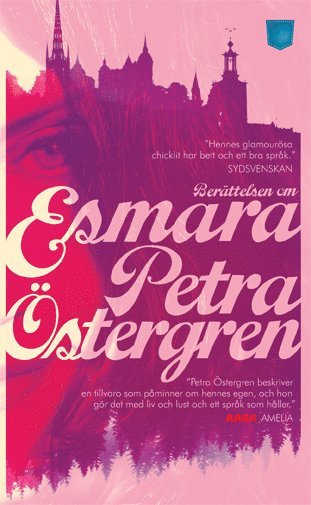
Berättelsen om Esmara
Pocket, 2011
4,8 utav 5 stjärnor. Totalt antal röster: (6)
89 kr
Lägg i varukorg
Utgavs första gången på Piratförlaget
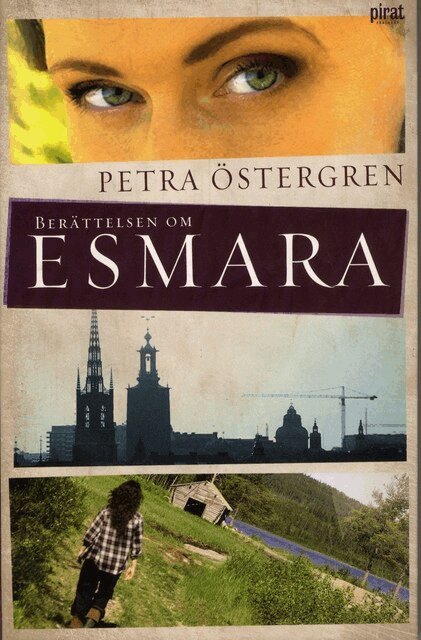
Berättelsen om Esmara
E-bok, 2011
79 kr
Lägg i varukorg
Det är i Tornedalen hon har sitt hem, Esmara. Där finns den storslagna och rogivande naturen, den myllrande stora släkten med matriarken Martta Jo och Gustav. Och där finns tryggheten och hennes arv, men även mörka minnen från en barndom som inte liknar någon annans. Det har hunnit bli åttiotal när …
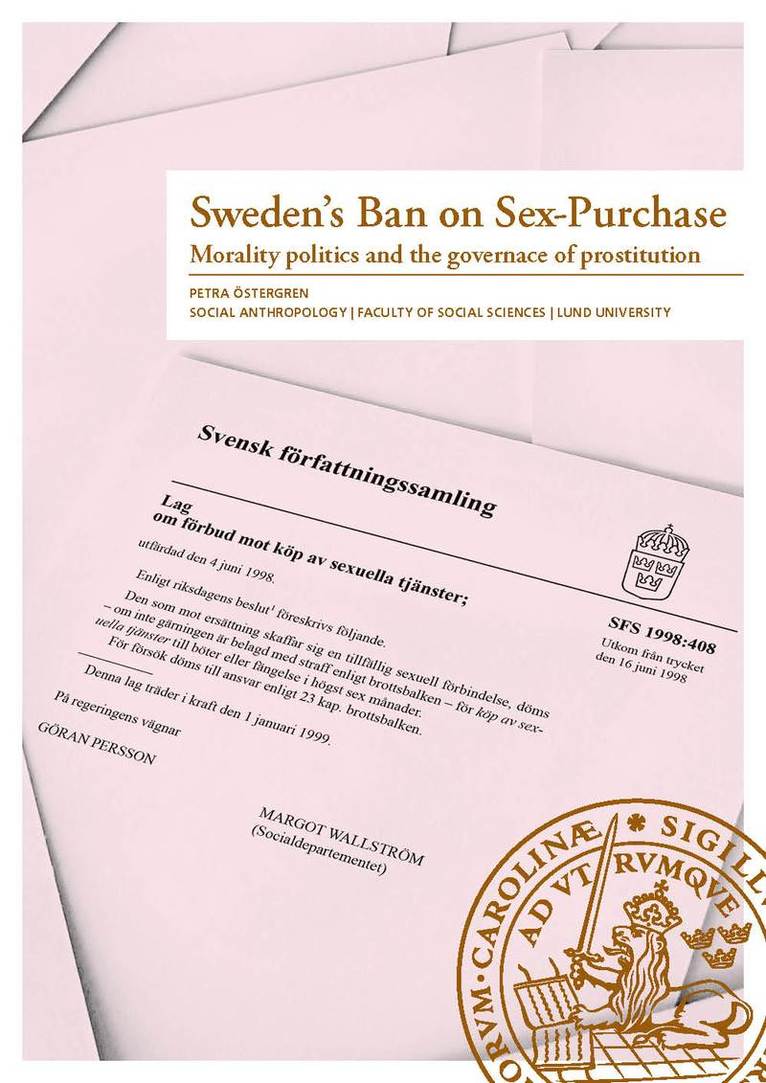
Sweden’s Ban on Sex-Purchase
Häftad, 2025
289 kr
Lägg i varukorg
The 1999 Swedish ban on sex-purchase has been hotly debated in politics, the media, and academia. This study focuses on the attention the ban has received as an unprecedented approach to governing prostitution, the highly polarised political environment in which it exists, and the multiple …