Petrice R. Flowers – författare
Visar alla böcker från författaren Petrice R. Flowers. Handla med fri frakt och snabb leverans.
3 produkter
3 produkter
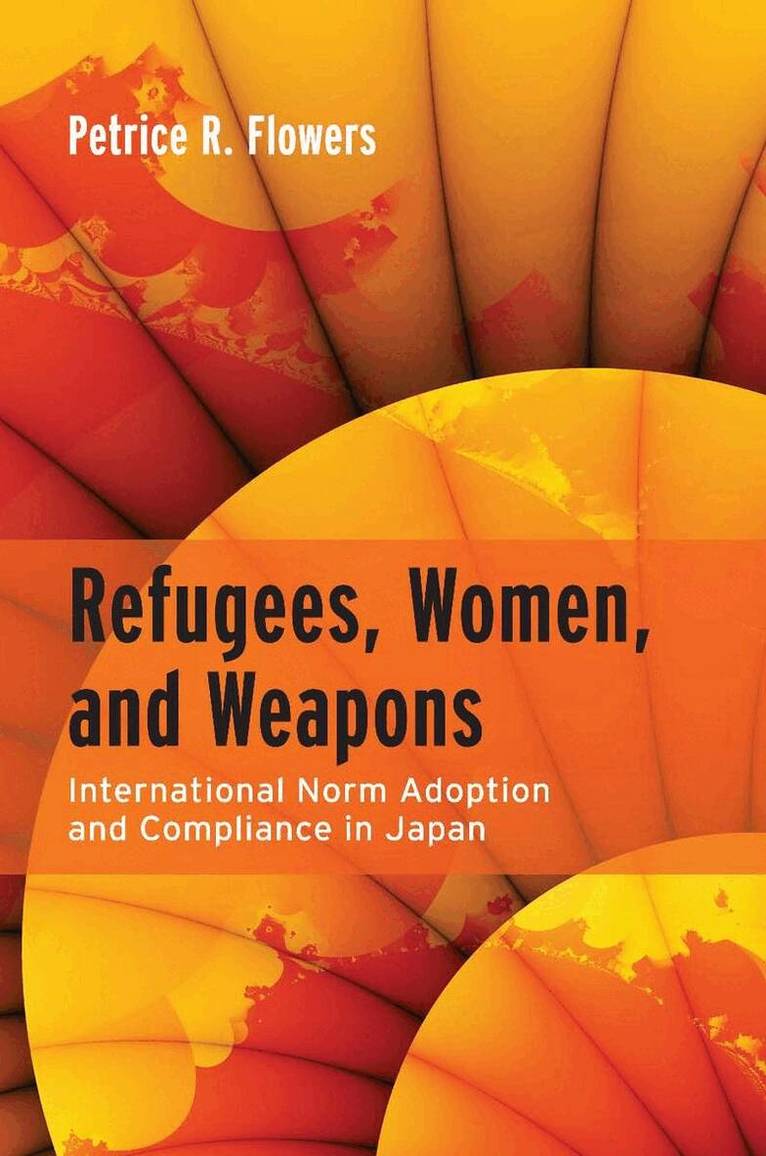
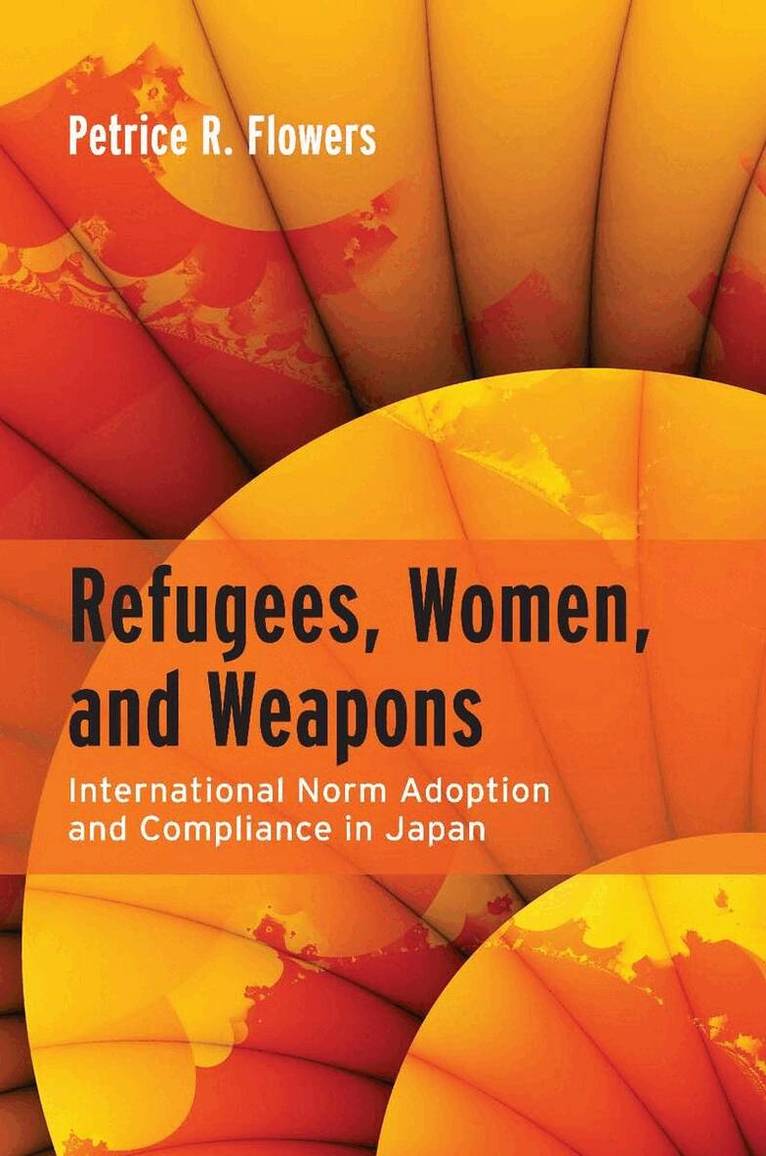
Refugees, Women, and Weapons
International Norm Adoption and Compliance in Japan
Inbunden, Engelska, 2009
692 kr
Skickas inom 7-10 vardagar
In a world dominated by considerations of material and security threats, Japan provides a fascinating case for why, and under what conditions, a state would choose to adopt international norms and laws that are seemingly in direct conflict with its domestic norms. Approaching compliance from within a constructivist framework, author Petrice R. Flowers analyzes three treaties—addressing refugee policy, women's employment, and the use of land mines—that Japan has adopted. Refugees, Women, and Weapons probes how international relations and domestic politics both play a role in constructing state identity, and how state identity in turn influences compliance.Flowers argues that, although state desire for legitimacy is a key factor in norm adoption, to achieve anything other than a low level of compliance requires strong domestic advocacy. She offers a comprehensive theoretical model that tests the explanatory power of two understudied factors: the strength of nonstate actors and the degree to which international and domestic norms conflict. Flowers evaluates how these factors, typically studied and analyzed individually, interact and affect one another.
753 kr
Skickas inom 7-10 vardagar
East Asia stands apart from the rest of Asia in the prevalence of the institutionalization of the 1951 Refugee Convention. Despite this widespread adoption of the Convention in East Asia, the record on implementation into domestic law and policy is uneven. This Element offers a comparative analysis of the gap between the institutionalization of the Refugee Convention and the implementation of refugee policy in China, Japan, South Korea, Hong Kong, Taiwan, Macau, and Mongolia. Specific attention is given to two key policy issues: refugee status determination—deciding who is granted government recognition as a refugee—and complementary forms of protection—protection based on statutes other than the Refugee Convention. This Element demonstrates that implementation of the Refugee Convention in East Asia depends on a vibrant civil society with the space and opportunity to engage with local UNHCR offices, local branches of international nongovernmental organizations (INGOs), and other stake holders.
234 kr
Skickas inom 7-10 vardagar
East Asia stands apart from the rest of Asia in the prevalence of the institutionalization of the 1951 Refugee Convention. Despite this widespread adoption of the Convention in East Asia, the record on implementation into domestic law and policy is uneven. This Element offers a comparative analysis of the gap between the institutionalization of the Refugee Convention and the implementation of refugee policy in China, Japan, South Korea, Hong Kong, Taiwan, Macau, and Mongolia. Specific attention is given to two key policy issues: refugee status determination—deciding who is granted government recognition as a refugee—and complementary forms of protection—protection based on statutes other than the Refugee Convention. This Element demonstrates that implementation of the Refugee Convention in East Asia depends on a vibrant civil society with the space and opportunity to engage with local UNHCR offices, local branches of international nongovernmental organizations (INGOs), and other stake holders.