Phil A. Silva – författare
Visar alla böcker från författaren Phil A. Silva. Handla med fri frakt och snabb leverans.
3 produkter
3 produkter
1 456 kr
Tillfälligt slut
The DMHDS is an ongoing longitudinal study of the health and development of 1037 babies born in Dunedin between 1/4/1972 and 31/3/1973. The study has been productive; more than 500 publications have appeared, over half in referenced journals published in New Zealand, North America, and the UK. This book offers a description of the overall study and the methods used, and presents selected results in a reasonably non-technical way. The children were studied at birth and then followed up at age 3, every year until 15, then at 18 and 21. It is intended for doctors, nurses, teachers, and psychologists and general readers who are interested in the health and development of children and adolescents.
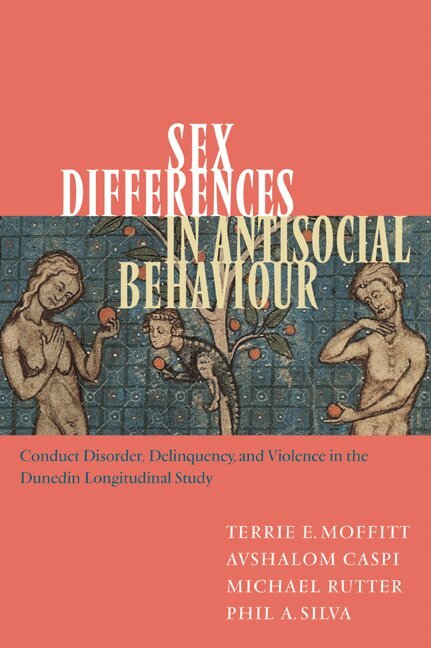
Sex Differences in Antisocial Behaviour
Conduct Disorder, Delinquency, and Violence in the Dunedin Longitudinal Study
Häftad, Engelska, 2001
487 kr
Skickas inom 7-10 vardagar
Why are females rarely antisocial and males antisocial so often? This key question is addressed in a fresh approach to sex differences in the causes, course and consequences of antisocial behaviour. The book presents findings from a landmark investigation of 1,000 males and females studied from ages 3 to 21 years. It shows that young people develop antisocial behaviour for two main reasons. One form of antisocial behaviour is a neurodevelopmental disorder afflicting males, with low prevalence in the population, early childhood onset and subsequent persistence. The other form of antisocial behaviour, afflicting females as well as males, is common and emerges in the context of social relationships. The book offers insights about diagnosis and measurement, the importance of puberty, the problem of partner violence and the nature of intergenerational transmission. It puts forward an agenda for research about both neurodevelopmental and social influences on antisocial behaviour.
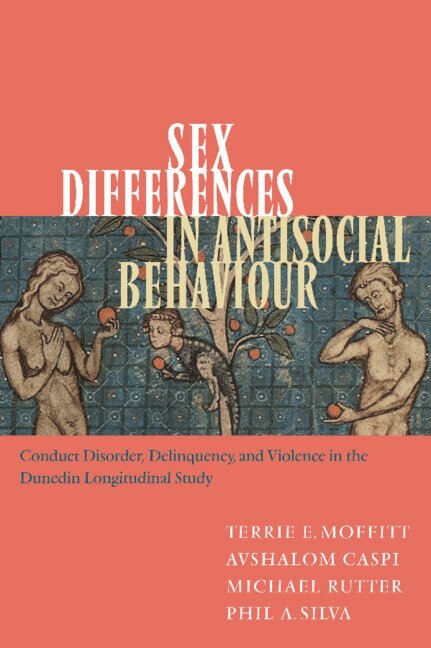
Sex Differences in Antisocial Behaviour
Conduct Disorder, Delinquency, and Violence in the Dunedin Longitudinal Study
Inbunden, Engelska, 2001
864 kr
Skickas inom 7-10 vardagar
Why are females rarely antisocial and males antisocial so often? This key question is addressed in a fresh approach to sex differences in the causes, course and consequences of antisocial behaviour. The book presents findings from a landmark investigation of 1,000 males and females studied from ages 3 to 21 years. It shows that young people develop antisocial behaviour for two main reasons. One form of antisocial behaviour is a neurodevelopmental disorder afflicting males, with low prevalence in the population, early childhood onset and subsequent persistence. The other form of antisocial behaviour, afflicting females as well as males, is common and emerges in the context of social relationships. The book offers insights about diagnosis and measurement, the importance of puberty, the problem of partner violence and the nature of intergenerational transmission. It puts forward an agenda for research about both neurodevelopmental and social influences on antisocial behaviour.