Phil Bradford - Böcker
Visar alla böcker från författaren Phil Bradford. Handla med fri frakt och snabb leverans.
4 produkter
4 produkter
Del 108 - Canterbury & York Society
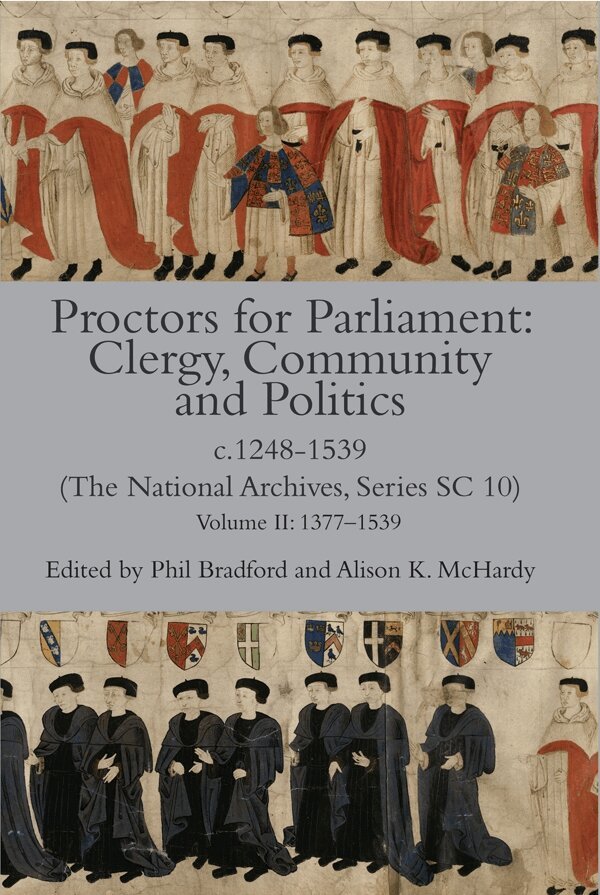
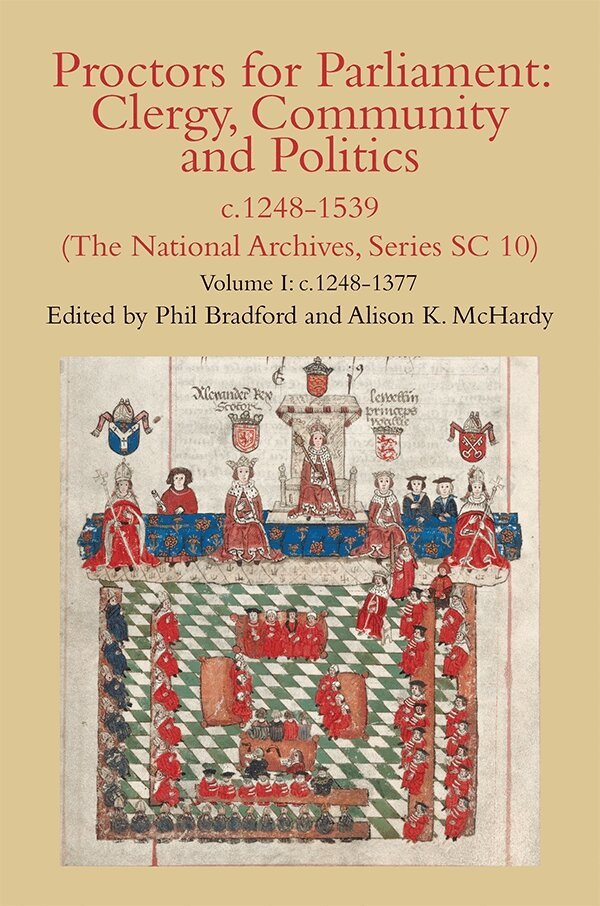
Proctors for Parliament: Clergy, Community and Politics, c.1248-1539. (The National Archives, Series SC 10)
Volume II: 1377-1539
Inbunden, Engelska, 2018
444 kr
Skickas inom 7-10 vardagar
Edition of a major, previously unpublished, source for the history of England's medieval parliament.In the Middle Ages clergy of all ranks, from archbishops to parochial clergy, sent proctors to parliament, whether as representatives of constituency groups - diocesan clergy and cathedral chapters - or substitutes for those expected to attend in person. The National Archives series SC 10 contains 2,520 surviving letters of appointments by these parliamentarians, both groups and, more especially, individuals, cathedral deans, archdeacons, and many bishops;especially valuable are the letters sent by bishops whose registers have not survived, as in the case of Chichester and of the Welsh dioceses. Most numerous of all are the letters of parliamentary abbots.This second of twovolumes presents the first printed edition of the documents, opening up a level of political activity and interaction which has hitherto been unexplored. It covers the years from the accession of Richard II until the end of the series under Henry VIII; it also includes an analysis of the proctors, and the indices to both volumes.PHIL BRADFORD gained his PhD in medieval history from the University of York and is currently Vicar of St Michael's,Worcester; ALISON K. MCHARDY was formerly Reader in Medieval English History at the University of Nottingham. She has published extensively on the relations between crown and church in late-medieval England, and on the politics of Richard II's reign.
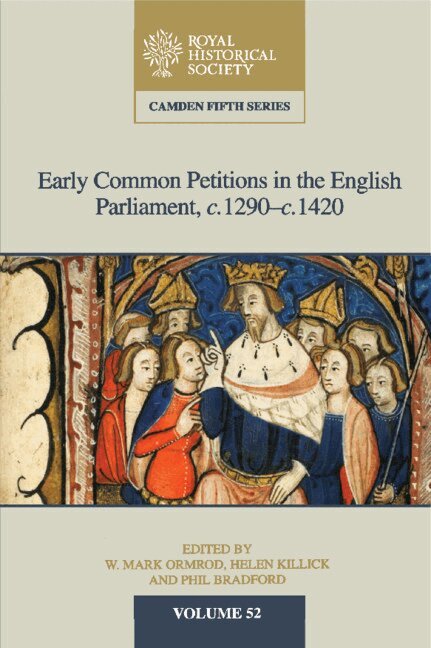
Del 52 - Camden Fifth Series
Early Common Petitions in the English Parliament, c.1290-c.1420
Inbunden, Engelska, 2017
672 kr
Skickas inom 7-10 vardagar
The fourteenth century witnessed the emergence of the parliamentary common petition, a statement of grievance and request for reform that provided the basis for much of the royal legislation of the period. In the process of compiling the common petitions, much proposed business was set aside and not committed to the permanent record of the parliament roll. A significant body of that 'lost' material has now been recovered and is published here for the first time, providing a fresh understanding of the full range of preoccupations of the medieval House of Commons as it emerged as the mouthpiece of the political community before the king. Alongside questions over the rights of the church, the corruption of officials and the processes of royal justice, the commons also expressed deep concerns over the many political, economic and social concerns of the period, including the consequences of war, plague and revolt.
274 kr
Skickas
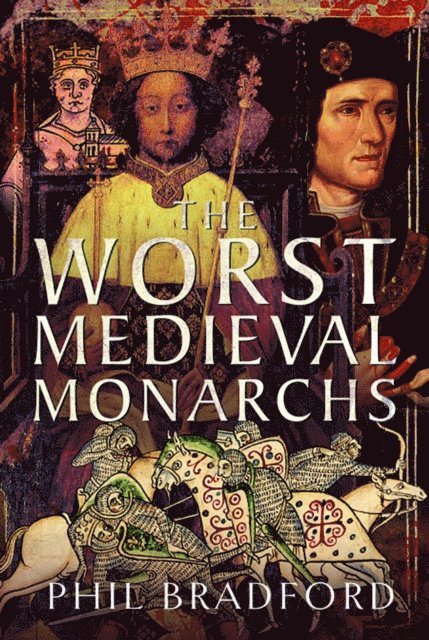
Stephen. John. Edward II. Richard II. Richard III. These five are widely viewed as the worst of England's medieval kings. Certainly, their reigns were not success stories. Two of these kings lost their thrones, one only avoided doing so by dying, another was killed in battle, and the remaining one had to leave his crown to his opponent. All have been seen as incompetent, their reigns blighted by civil war and conflict. They tore the realm apart, failing in the basic duty of a king to ensure peace and justice. For that, all of them paid a heavy price. As well as incompetence, some also have reputations for cruelty and villainy, More than one has been portrayed as a tyrant. The murder of family members and arbitrary executions stain their reputations. All five reigns ended in failure. As a result, the kings have been seen as failures themselves, the worst examples of medieval English kingship. They lost their reputations as well as their crowns.Yet were these five really the worst men to wear the crown of England in the Middle Ages? Or has history treated them unfairly? This book looks at the stories of their lives and reigns, all of which were dramatic and often unpredictable. It then examines how they have been seen since their deaths, the ways their reputations have been shaped across the centuries. The standards of their own age were different to our own. How these kings have been judged has changed over time, sometimes dramatically. Fiction, from Shakespeare's plays to modern films, has also played its part in creating the modern picture. Many things have created, over a long period, the negative reputations of these five. Today, they have come to number among the worst kings of English history. Is this fair, or should they be redeemed?That is the question this book sets out to answer.
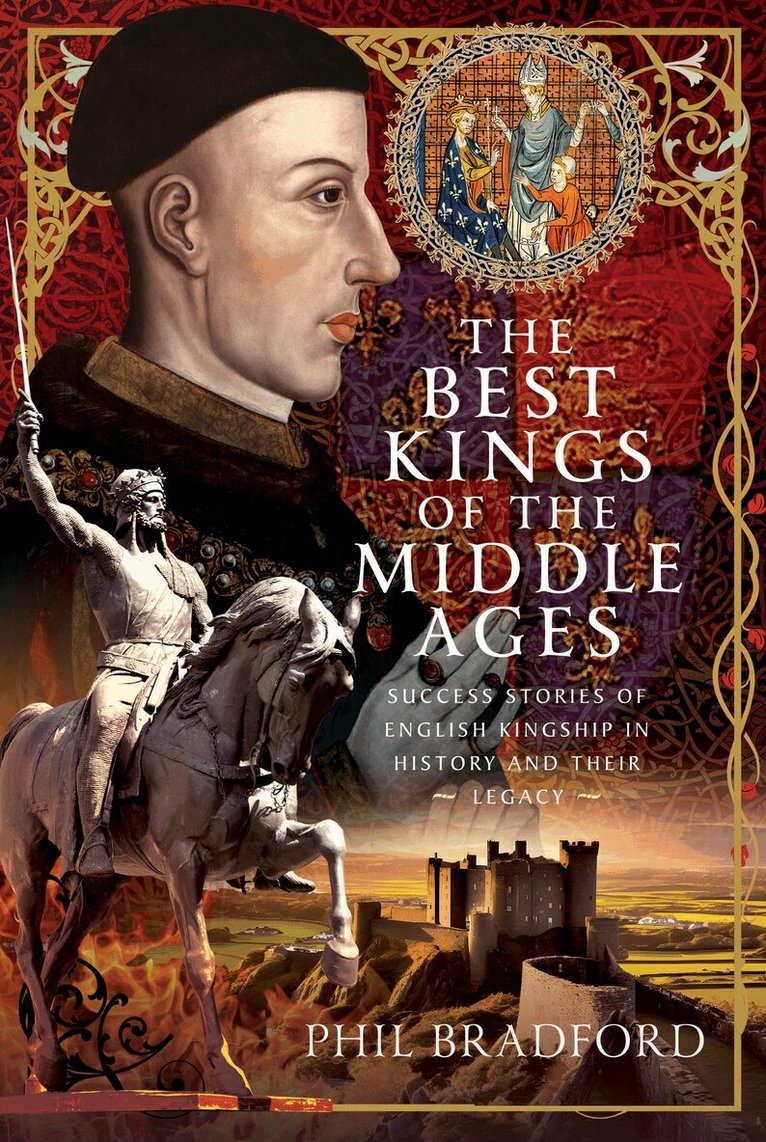
Best Kings of the Middle Ages
Success Stories of English Kingship in History and Their Legacy
Inbunden, Engelska, 2025
535 kr
Skickas inom 3-6 vardagar
Henry II. Richard I. Edward I. Edward III. Henry V. Five men seen as success stories of Medieval English kingship. Three inherited tarnished crowns and restored their glory. Legal reformers and warriors, they ruled over widespread lands for decades, upholding justice, expanding their authority and changing their realms. Two others are the most famous of warrior kings, their short reigns encompassing crusades and legendary victories. Contemporary writers often waxed lyrical about them as ideals of kingship. Many modern writers have been similarly enthusiastic.Is this justified? Alongside the story of success are other narratives, ones showing these kings in a more ambiguous light. We have the murder of archbishops, the massacre and expulsion of religious minorities, actions in battles and sieges, which today we would see as war crimes. Claims for their greatness sit uneasily with darker moments and legacies which challenge how we approach their reputations today.This book looks at the lives of these kings and how those reputations have been shaped across the centuries, from medieval contemporaries to the modern day, in both history and fiction. Having weighed the evidence, it seeks to determine the answer to the question: were these really great kings, the best monarchs of the Middle Ages?