Philip Bell – författare
Visar alla böcker från författaren Philip Bell. Handla med fri frakt och snabb leverans.
16 produkter
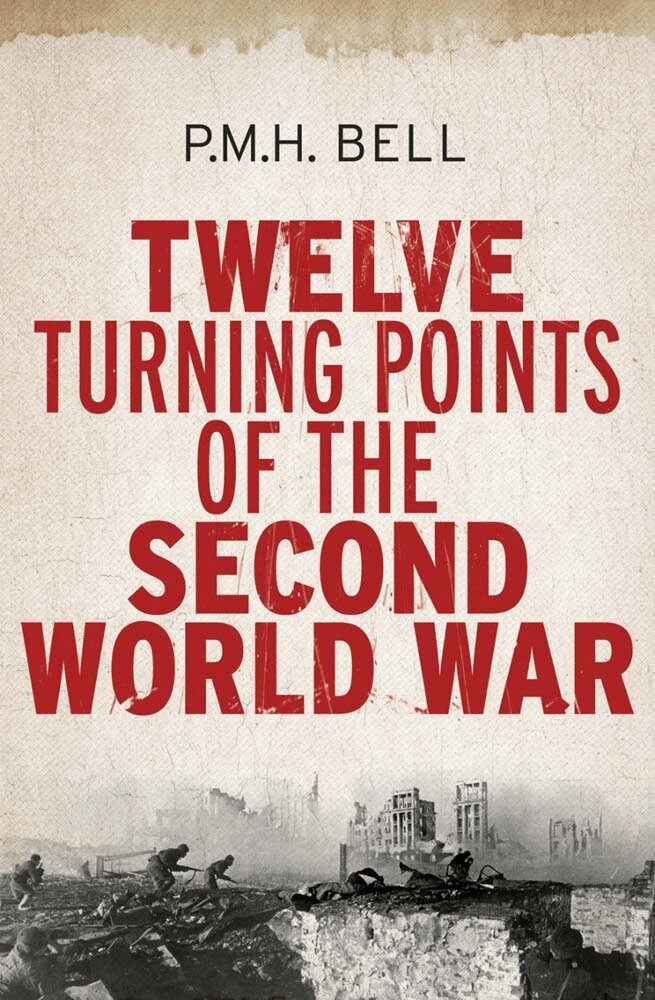
Twelve Turning Points of the Second World War
Av Philip Bell
Häftad, 2012
172 kr
Lägg i varukorg
A fresh exploration of the Second World War through twelve key events that shaped the conflictThe Battle of Britain. Pearl Harbor. Stalingrad. D-Day. These defining events of the Second World War exemplify both the immense heroism and the grievous costs of global conflict. They are the tense, …
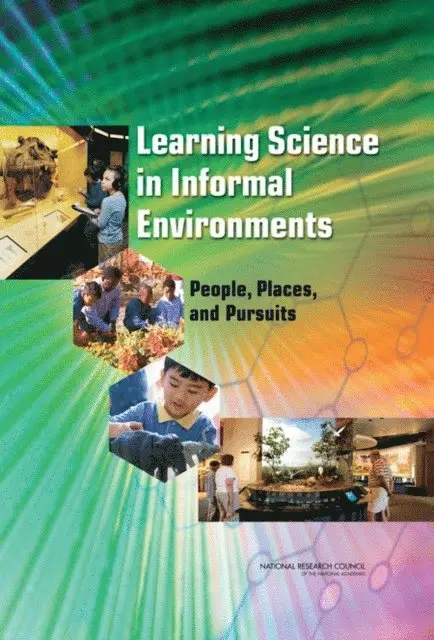
Learning Science in Informal Environments
People, Places, and Pursuits
Av Committee on Learning Science in Informal Environments, Board on Science Education m. fl.
E-bok, 2009
629 kr
Lägg i varukorg
Informal science is a burgeoning field that operates across a broad range of venues and envisages learning outcomes for individuals, schools, families, and society. The evidence base that describes informal science, its promise, and effects is informed by a range of disciplines and perspectives, …
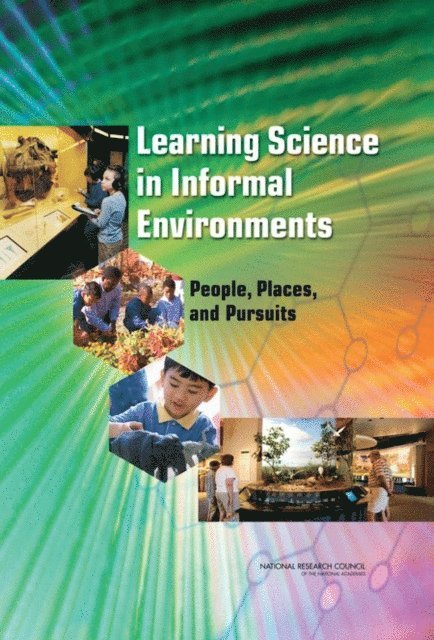
Learning Science in Informal Environments
People, Places, and Pursuits
Av Committee on Learning Science in Informal Environments, Board on Science Education m. fl.
E-bok, 2009
673 kr
Lägg i varukorg
Informal science is a burgeoning field that operates across a broad range of venues and envisages learning outcomes for individuals, schools, families, and society. The evidence base that describes informal science, its promise, and effects is informed by a range of disciplines and perspectives, …
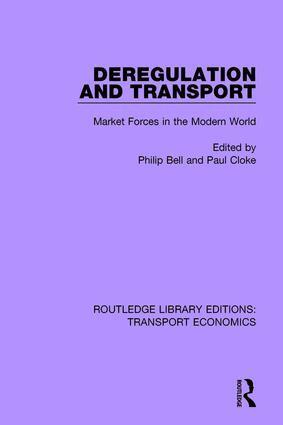
Deregulation and Transport
Market Forces in the Modern World
Inbunden, 2017
1566 kr
Lägg i varukorg
This collection of edited papers, first published in 1990, has two broad sets of objectives. The first relates to transport in the wider context of New Right governments and a policy agenda for state activity which clearly reflects a shifting relationship between public and private sectors. The …
Internet Environments for Science Education
Av Marcia C. Linn, Elizabeth A. Davis m. fl.
Inbunden, 2004
2439 kr
Lägg i varukorg
Internet Environments for Science Education synthesizes 25 years of research to identify effective, technology-enhanced ways to convert students into lifelong science learners--one inquiry project at a time. It offers design principles for development of innovations; features tested, customizable …
Internet Environments for Science Education
Av Marcia C. Linn, Elizabeth A. Davis m. fl.
Häftad, 2004
1096 kr
Lägg i varukorg
Internet Environments for Science Education synthesizes 25 years of research to identify effective, technology-enhanced ways to convert students into lifelong science learners--one inquiry project at a time. It offers design principles for development of innovations; features tested, customizable …
Internet Environments for Science Education
Av Philip Bell, Elizabeth A. Davis m. fl.
E-bok, 2013
1296 kr
Lägg i varukorg
Internet Environments for Science Education synthesizes 25 years of research to identify effective, technology-enhanced ways to convert students into lifelong science learners--one inquiry project at a time. It offers design principles for development of innovations; features tested, customizable …
Internet Environments for Science Education
Av Philip Bell, Elizabeth A. Davis m. fl.
E-bok, 2013
1296 kr
Lägg i varukorg
Internet Environments for Science Education synthesizes 25 years of research to identify effective, technology-enhanced ways to convert students into lifelong science learners--one inquiry project at a time. It offers design principles for development of innovations; features tested, customizable …
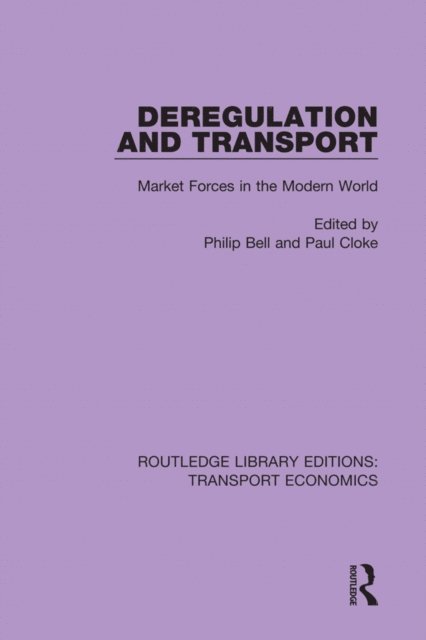
Deregulation and Transport
Market Forces in the Modern World
Häftad, 2018
427 kr
Lägg i varukorg
This collection of edited papers, first published in 1990, has two broad sets of objectives. The first relates to transport in the wider context of New Right governments and a policy agenda for state activity which clearly reflects a shifting relationship between public and private sectors. The …
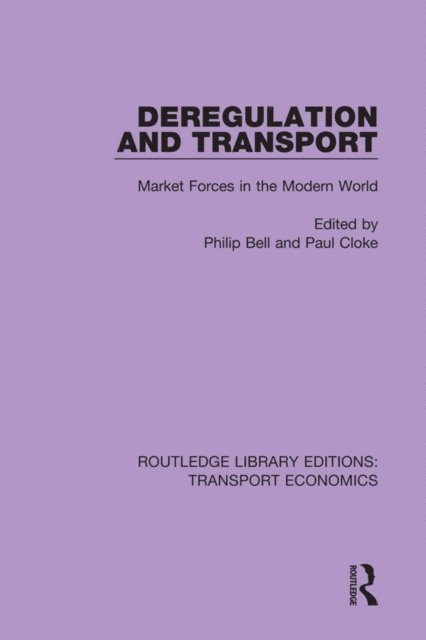
Deregulation and Transport
Market Forces in the Modern World
E-bok, 2017
475 kr
Lägg i varukorg
This collection of edited papers, first published in 1990, has two broad sets of objectives. The first relates to transport in the wider context of New Right governments and a policy agenda for state activity which clearly reflects a shifting relationship between public and private sectors. The …
Deregulation and Transport
Market Forces in the Modern World
E-bok, 2017
485 kr
Lägg i varukorg
This collection of edited papers, first published in 1990, has two broad sets of objectives. The first relates to transport in the wider context of New Right governments and a policy agenda for state activity which clearly reflects a shifting relationship between public and private sectors. The …
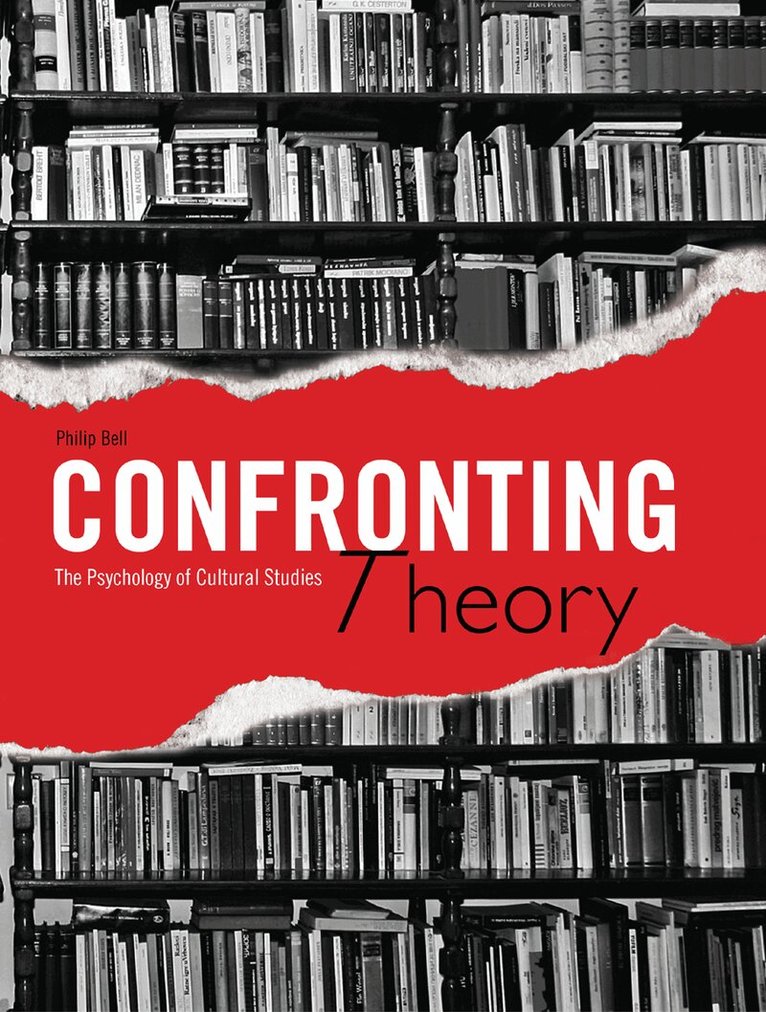
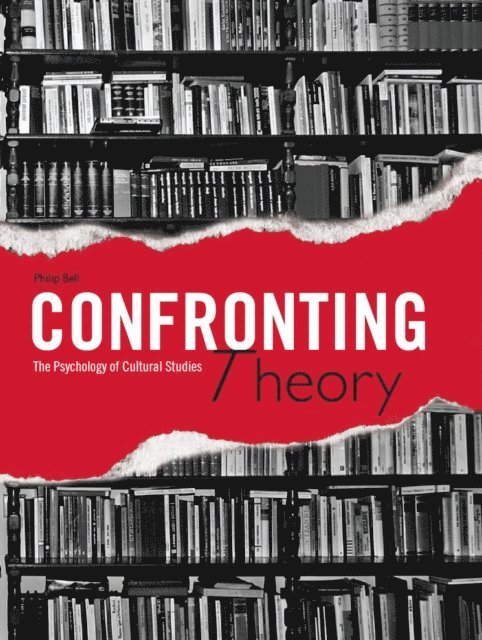
Confronting Theory
The Psychology of Cultural Studies
Av Philip Bell
Häftad, 2010
456 kr
Lägg i varukorg
Confronting Theory presents a methodological (philosophical) and educational evaluation and critique of what has come to be known as Theory (‘with a capital-T’) in cross-disciplinary humanities education. Rather than merely dismissing Theory writing as risibly pretentious and abstract, Confronting …
Confronting Theory
The Psychology of Cultural Studies
Av Philip Bell
E-bok, 2014
444 kr
Lägg i varukorg
Confronting Theory presents a methodological (philosophical) and educational evaluation and critique of what has come to be known as Theory (‘with a capital-T’) in cross-disciplinary humanities education. Rather than merely dismissing Theory writing as risibly pretentious and abstract, Confronting …
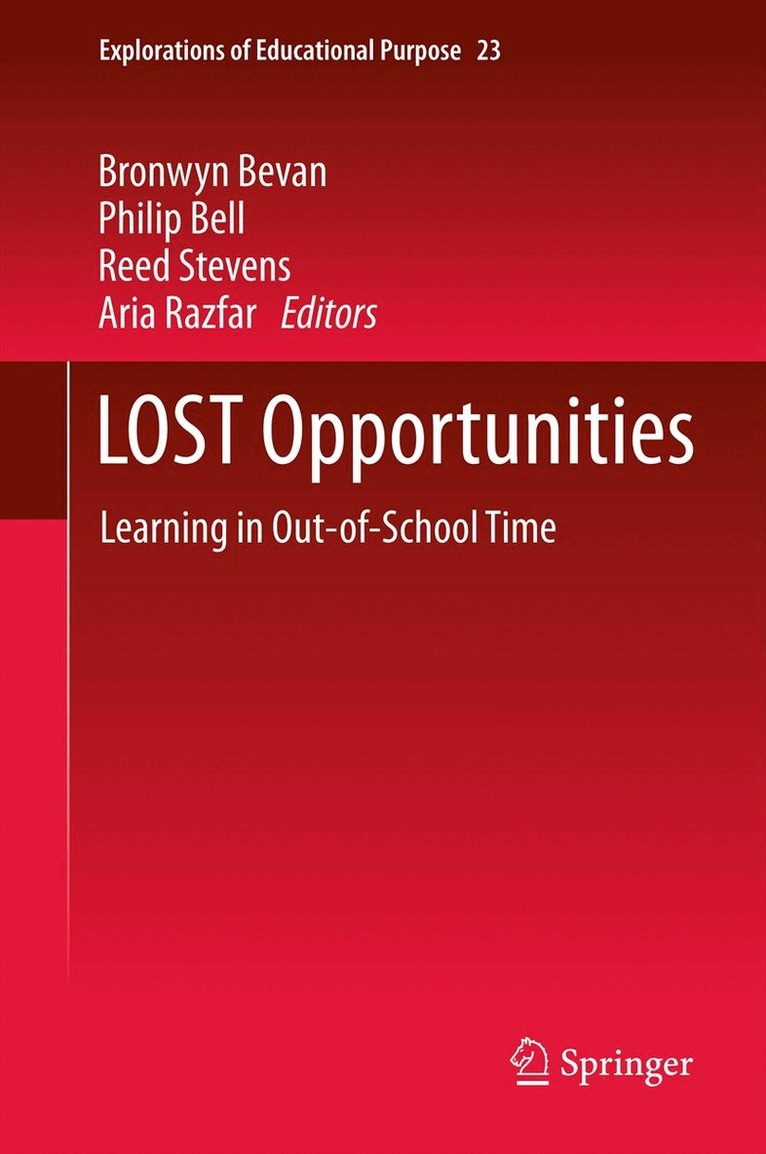
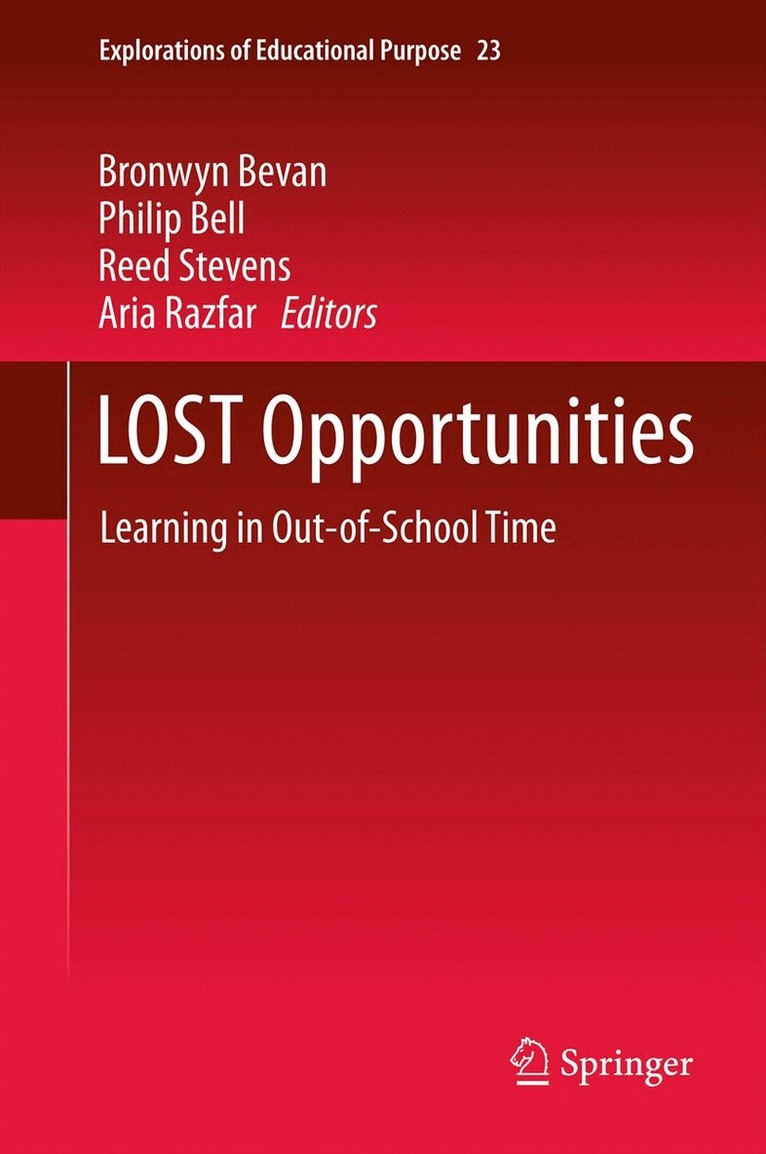
LOST Opportunities
Learning in Out-of-School Time
Av Bronwyn Bevan, Philip Bell m. fl.
Inbunden, 2012
1093 kr
Lägg i varukorg
Learning in informal settings is attracting growing attention from policymakers and researchers, yet there remains, at the moment, a dearth of literature on the topic. Thus this volume, which examines how science and mathematics are experienced in everyday and out-of-school-time (OST) settings, …
LOST Opportunities
Learning in Out-of-School Time
Av Aria Razfar, Reed Stevens m. fl.
E-bok, 2012
1459 kr
Lägg i varukorg
Learning in informal settings is attracting growing attention from policymakers and researchers, yet there remains, at the moment, a dearth of literature on the topic. Thus this volume, which examines how science and mathematics are experienced in everyday and out-of-school-time (OST) settings, …
LOST Opportunities
Learning in Out-of-School Time
Av Bronwyn Bevan, Philip Bell m. fl.
Häftad, 2014
1093 kr
Lägg i varukorg
Learning in informal settings is attracting growing attention from policymakers and researchers, yet there remains, at the moment, a dearth of literature on the topic. Thus this volume, which examines how science and mathematics are experienced in everyday and out-of-school-time (OST) settings, …