
Philip Bowring – författare
Visar alla böcker från författaren Philip Bowring. Handla med fri frakt och snabb leverans.
6 produkter
6 produkter
305 kr
Skickas
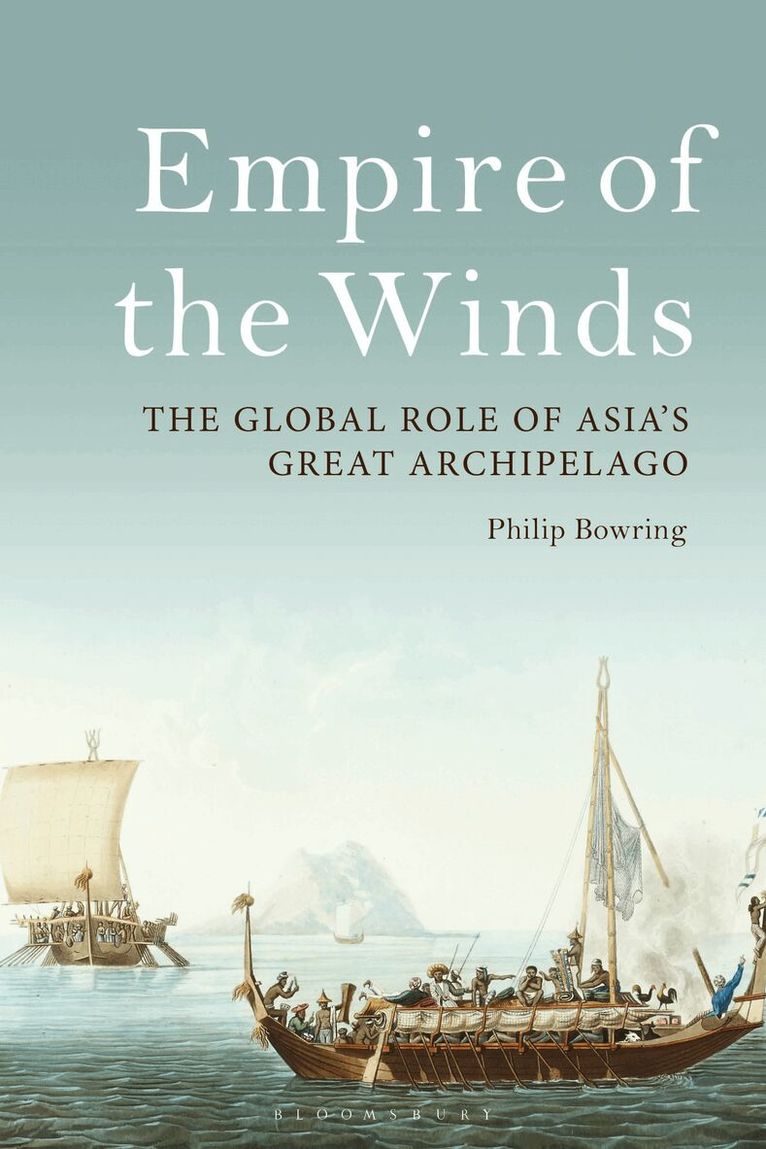
Nusantaria – often referred to as 'Maritime Southeast Asia' – is the world's largest archipelago and has, for centuries, been a vital cultural and trading hub. Nusantara, a Sanskrit, then Malay, word referring to an island realm, is here adapted to become Nusantaria - denoting a slightly wider world but one with a single linguistic, cultural and trading base. Nusantaria encompasses the lands and shores created by the melting of the ice following the last Ice Age. These have long been primarily the domain of the Austronesian-speaking peoples and their seafaring traditions. The surrounding waters have always been uniquely important as a corridor connecting East Asia to India, the Middle East, Europe and Africa. In this book, Philip Bowring provides a history of the world's largest and most important archipelago and its adjacent coasts. He tells the story of the peoples and lands located at this crucial maritime and cultural crossroads, from its birth following the last Ice Age to today.
396 kr
Skickas
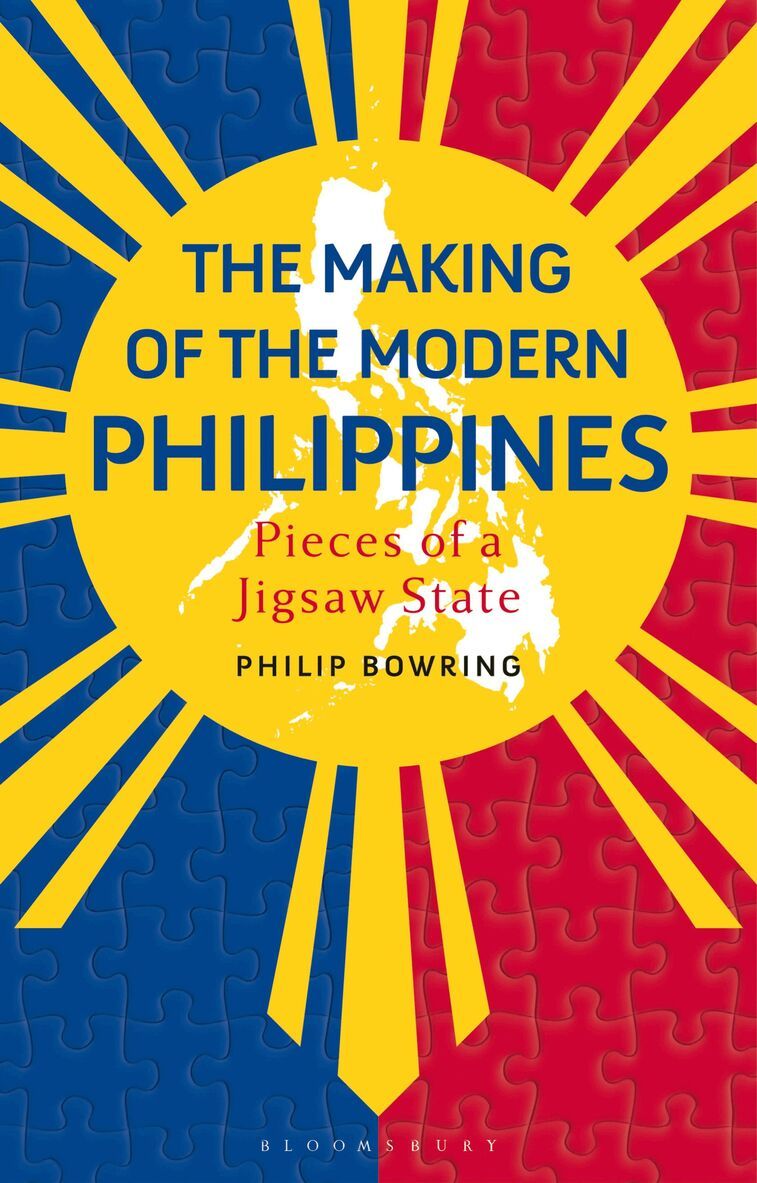
"Well-researched... a welcome guide." The Spectator"Reliable and lucid." History TodayWith a fractured geography and complex identity, The Philippines is an eclectic and unique mix of culture, environment, people and politics. Known mostly for natural disasters, migrant labour and dictatorial presidents, in this book Philip Bowing shows how it is much, much more. Deftly navigating the history of this populous island republic, The Making of the Modern Philippines traces its history to define and explain its position in the modern world. Looking past the headlines of volcanoes, earthquakes and violence, it asks why has the Filipino economy lagged behind its neighbours, explores the importance of its location in geopolitics, and investigates how its deep-rooted Catholicism clashes with the Islamic consciousness of the region in which it sits.Taking the history of the Philippines from its pre-colonial era, through its Spanish and American occupations and up to the modern day, it unravels the complex politics, culture, peoples and economy of this rich and unique nation. Engaging with challenges the Filipino people face today such as federalism, revolution, Mindanao, the diaspora, capitalism and relations with China, it rediscovers the struggles, culture and history of its past to understand the present.
215 kr
Skickas
"Well-researched... a welcome guide." The Spectator"Reliable and lucid." History TodayWith a fractured geography and complex identity, The Philippines is an eclectic and unique mix of culture, environment, people and politics. Known mostly for natural disasters, migrant labour and dictatorial presidents, in this book Philip Bowing shows how it is much, much more. Deftly navigating the history of this populous island republic, The Making of the Modern Philippines traces its history to define and explain its position in the modern world. Looking past the headlines of volcanoes, earthquakes and violence, it asks why has the Filipino economy lagged behind its neighbours, explores the importance of its location in geopolitics, and investigates how its deep-rooted Catholicism clashes with the Islamic consciousness of the region in which it sits.Taking the history of the Philippines from its pre-colonial era, through its Spanish and American occupations and up to the modern day, it unravels the complex politics, culture, peoples and economy of this rich and unique nation. Engaging with challenges the Filipino people face today such as federalism, revolution, Mindanao, the diaspora, capitalism and relations with China, it rediscovers the struggles, culture and history of its past to understand the present.
356 kr
Kommande
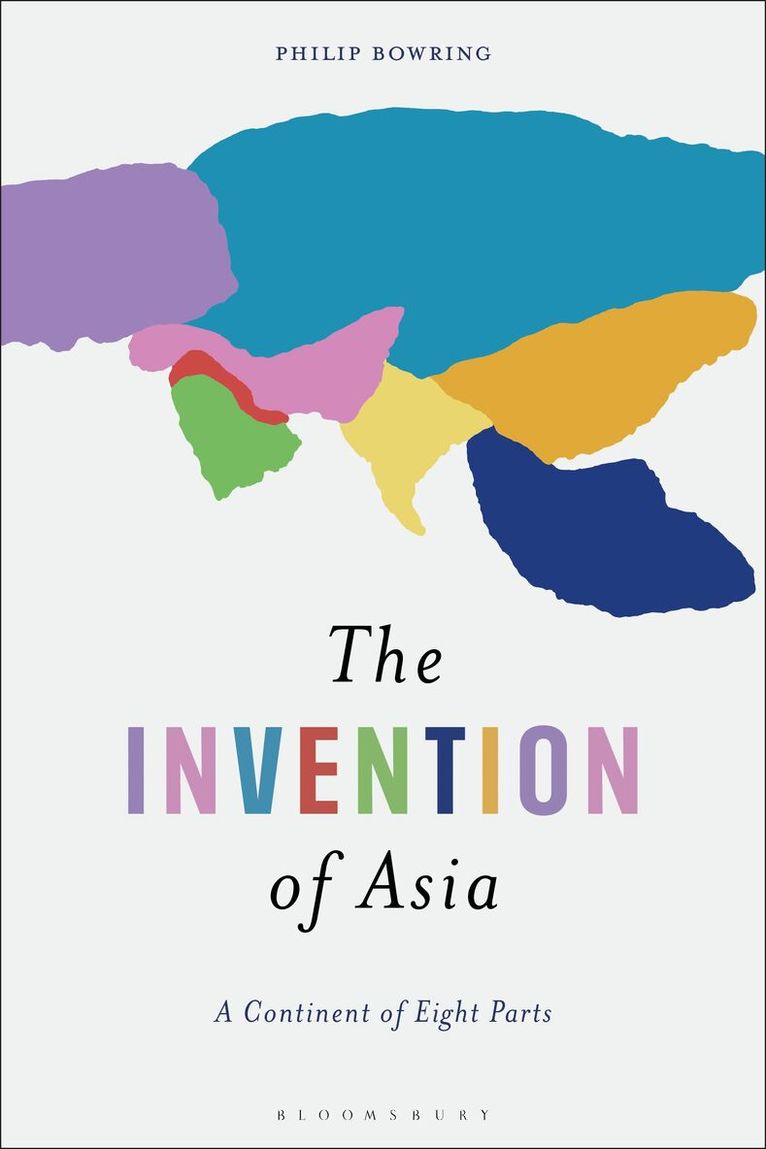
Where did the concept of ‘Asia’ come from? Was this a term coined by the many communities that spanned this great continent, or was it a Western invention, imposed upon those lands and populations that were so ‘other’ to themselves?This book argues that ‘Asia’ is a European creation, and goes back in time to show how and when this term was invented. Unknown to ‘Asians’ until the 19th century, it grouped together a vast area of diverse cultures and peoples who were simply identified as ‘the other’ in a world dominated by Europe. Arguing that far from being fixed and separate, Bowring shows how peoples of Europe and Asia flowed fluidly back and forth across the land mass over millennia. Arguing that this continent should therefore be viewed as a series of 8 sub-continents interconnected through religion, trade, cultures and war, he shows how each sub-continent has its own unique history, but were also part of wider human, commodity and knowledge networks.Challenging our prevailing ideas of regional and national divisions, The Invention of Asia traces some of the major interactions of these subcontinents over the past 5,000 years. From the great migrations of the central continent to the civilizations of Han China and the mighty Achaemenid and Hellenistic Empires, it shows how misleading the Europe-Asia division is, and why new terminology is needed to better reflect their geographical and cultural differences.
564 kr
Skickas inom 7-10 vardagar
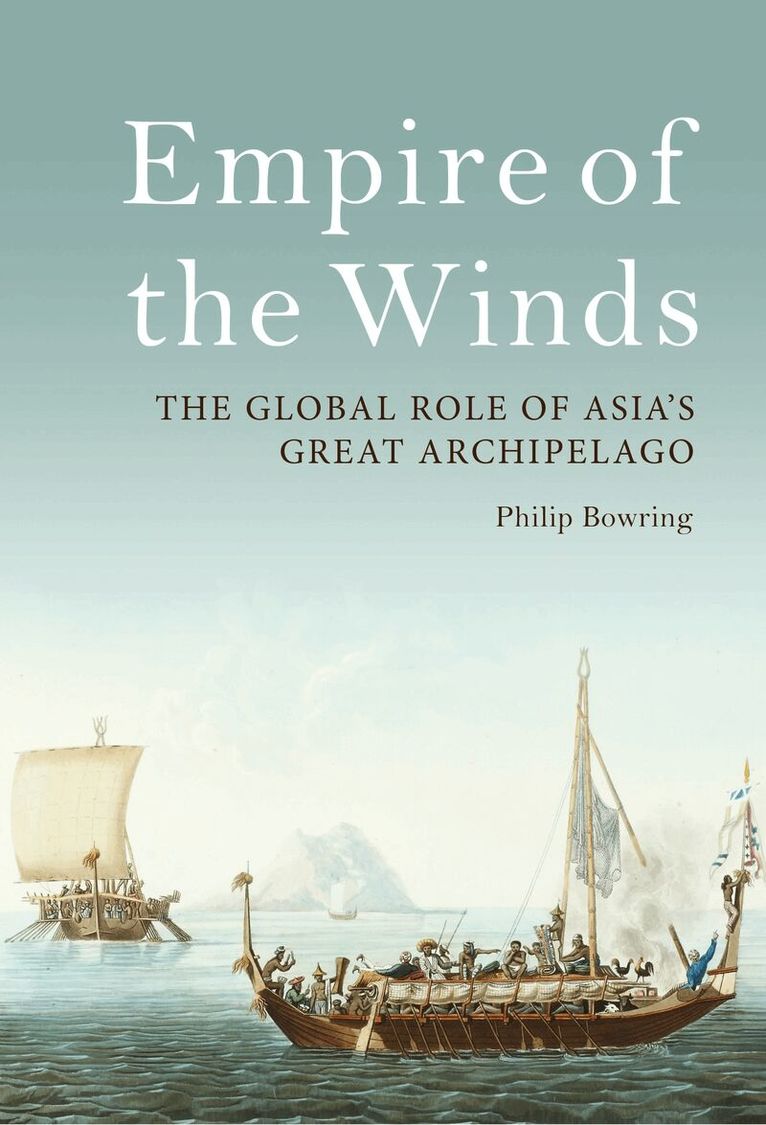
Winner of the Penang Book Prize 2019Nusantaria – often referred to as ‘Maritime Southeast Asia’ – is the world’s largest archipelago and has, for centuries, been a vital cultural and trading hub. Nusantara, a Sanskrit, then Malay, word referring to an island realm, is here adapted to become Nusantaria - denoting a slightly wider world but one with a single linguistic, cultural and trading base. Nusantaria encompasses the lands and shores created by the melting of the ice following the last Ice Age. These have long been primarily the domain of the Austronesian-speaking peoples and their seafaring traditions. The surrounding waters have always been uniquely important as a corridor connecting East Asia to India, the Middle East, Europe and Africa. In this book, Philip Bowring provides a history of the world’s largest and most important archipelago and its adjacent coasts. He tells the story of the peoples and lands located at this crucial maritime and cultural crossroads, from its birth following the last Ice Age to today.
601 kr
Tillfälligt slut
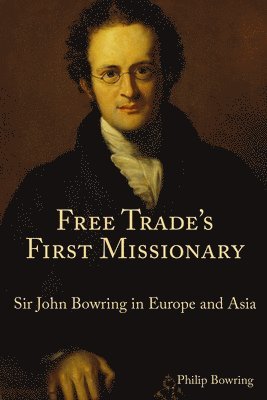
Reformer, intellectual, colonial governor, Sir John Bowring was the archetype of the ambitious men who made Britain a leading global power in the nineteenth century. Born to a modest trading family, he showed an aptitude for languages which led him to literature, then to radical politics in the struggles for liberty in France, Spain and Greece. Taken up by the philosopher Jeremy Bentham, he became a figure in the literary world. But his emphasis was on action rather than theories. He became a high-profile advocate of free trade and a liberal foe of Karl Marx. As member of parliament he supported full suffrage and other radical causes. He modernized Britain's public accounts, invented the florin as a first step to decimalization, and became an industrial entrepreneur. Losing his money in the 1848 slump, he took a job as consul in Canton, which led to the governorship of Hong Kong. As Britain's Plenipotentiary in East Asia he negotiated a key treaty with the King Mongkut of Siam but also started a war with China. His term as governor of Hong Kong was plagued with problems. But there as elsewhere he left a legacy of liberal ideas.Bowring's impact was spread over so many fields that his name has been eclipsed by those with a narrower focus.This book brings his life and disparate achievements together, with a particular emphasis on his role in promoting free trade and his much criticized career in Asia.