Philip D. Beidler – författare
Visar alla böcker från författaren Philip D. Beidler. Handla med fri frakt och snabb leverans.
22 produkter
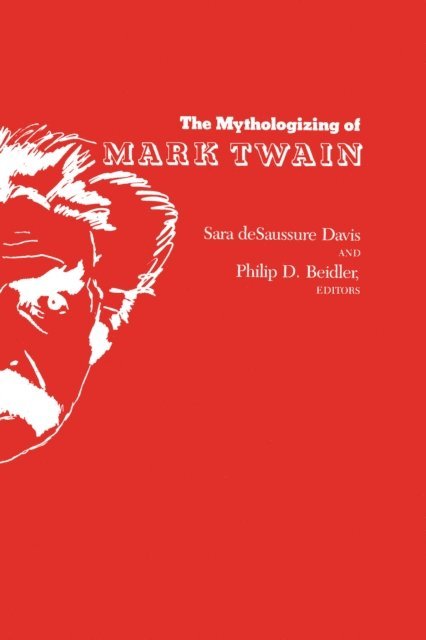
Mythologizing of Mark Twain
Av Sara DeSaussure Davis, Philip D. Beidler m. fl.
Häftad, 1984
377 kr
Lägg i varukorg
Readers of Mark Twain seldom doubt his genius, but defining that genius and locating its source continue to challenge students of American literature, and provoke a number of powerful responses, as these original essays demonstrate.
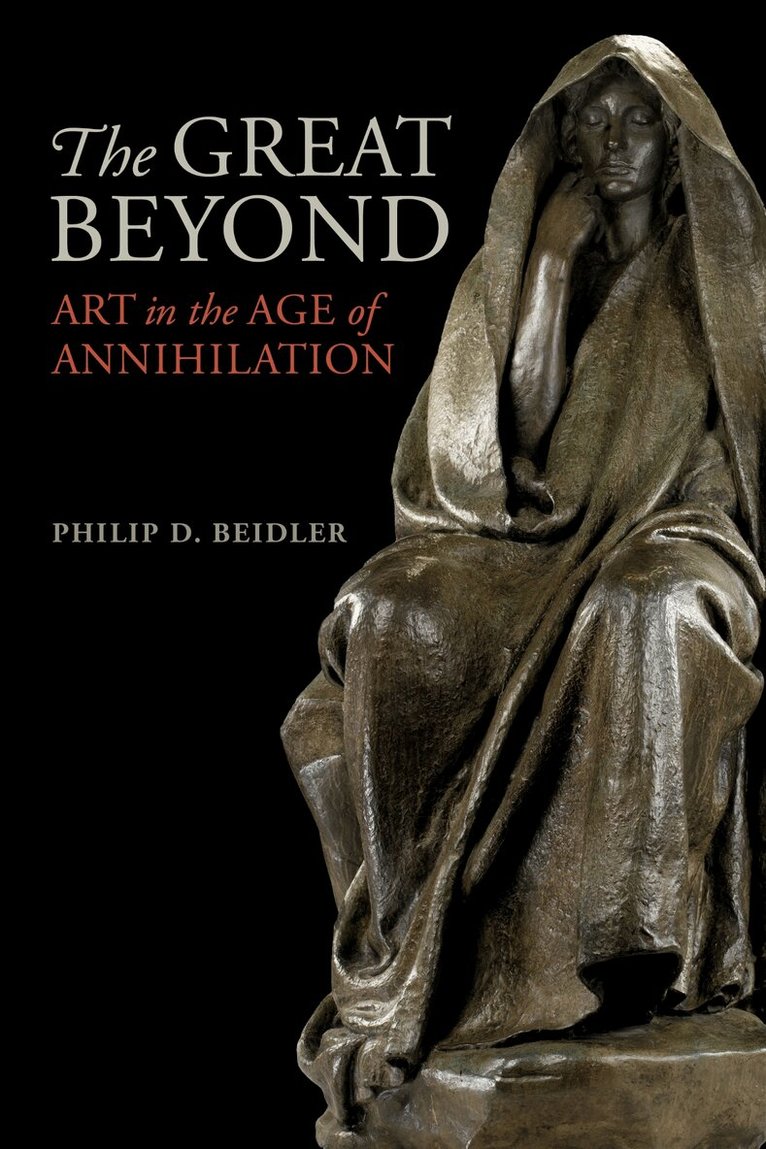
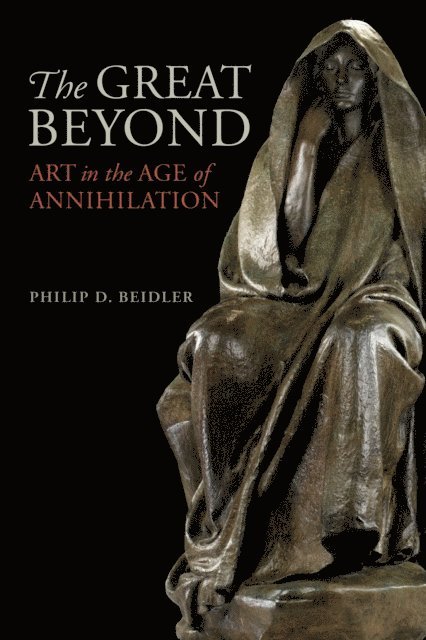
Great Beyond
Art in the Age of Annihilation
Inbunden, 2022
650 kr
Lägg i varukorg
Essays from a master critic on how artistic giants from modernism onward confronted mortality—forging unexpected links between Twain, Woolf, Mahler, Wittgenstein, Beckett, Toni Morrison, and more.
Victory Album
Reflections on the Good Life After the Good War
Häftad, 2015
338 kr
Lägg i varukorg
In these essays, a combination of personal remembrance and broad-stroke cultural history, Philip Beidler addresses the culture and politics of postWWII America: the national blindness toward the Holocaust and a rising China, the canker of McCarthyism, ascendant cultures of hard smoking and heavy …
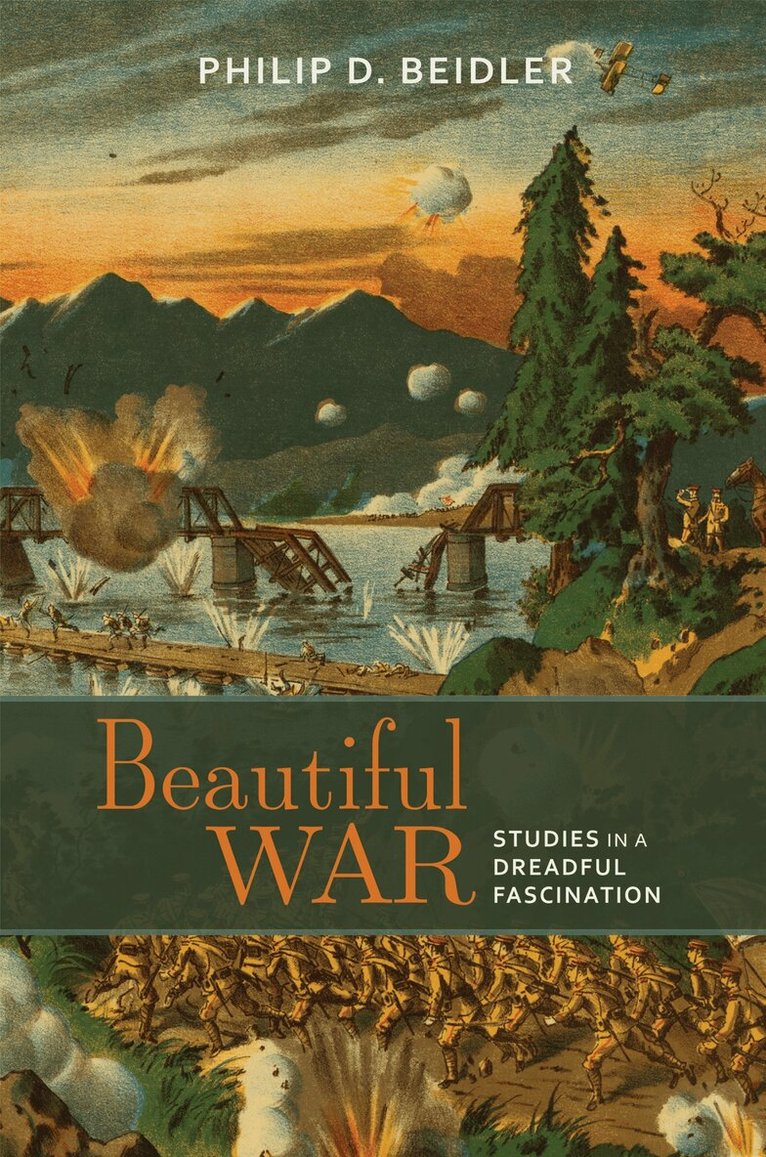
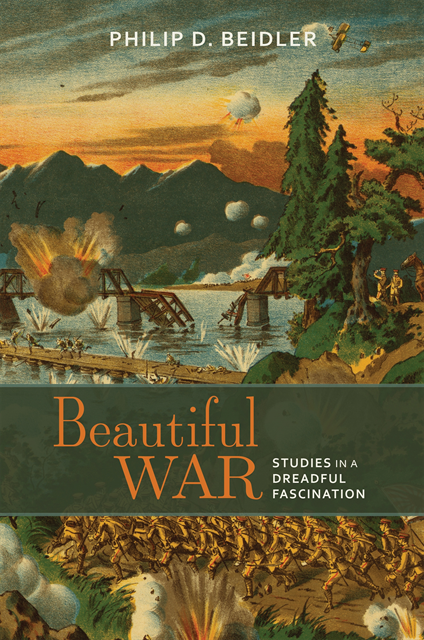
Beautiful War
Studies in a Dreadful Fascination
Häftad, 2019
313 kr
Lägg i varukorg
A probing and holistic meditation on the key question: Why do we continue to make art, and thus beauty, out of war?Beautiful War: Studies in a Dreadful Fascination is a wide-ranging exploration of armed conflict as depicted in art that illustrates the constant presence of war in our everyday lives. …
First Books
The Printed Word and Cultural Formation in Early Alabama
E-bok, 2012
544 kr
Lägg i varukorg
This case study in cultural mythmaking shows how antebellum Alabama created itself out of its own printed texts, from treatises on law and history to satire, poetry, and domestic novels. Early 19th-century Alabama was a society still in the making. Now Philip Beidler tells how the first books …
Victory Album
Reflections on the Good Life after the Good War
E-bok, 2013
585 kr
Lägg i varukorg
In these essays, a combination of personal remembrance and broad-stroke cultural history, Philip Beidler addresses the culture and politics of post–WWII America: the national blindness toward the Holocaust and a rising China, the canker of McCarthyism, ascendant cultures of hard smoking and heavy …
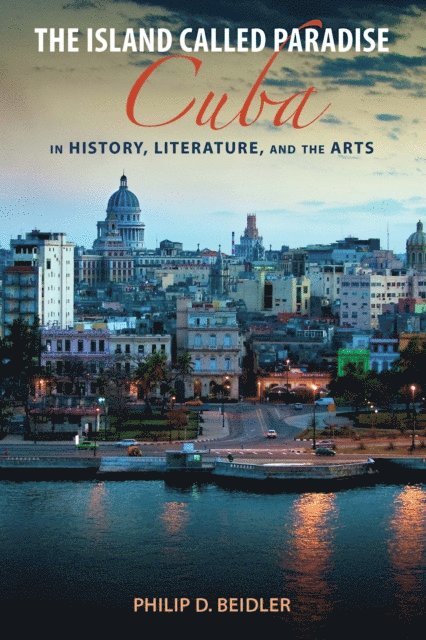
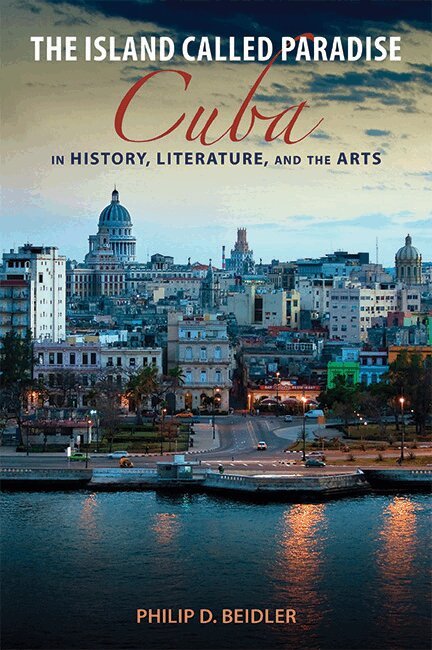
Island Called Paradise
Cuba in History, Literature, and the Arts
E-bok, 2014
574 kr
Lägg i varukorg
A personal and cultural mediation, Philip D. Beidler’s The Island Called Paradise explores the fascinating ways Cuban history and culture have permeated North American consciousness, and vice versa. In The Island Called Paradise , Philip D. Beidler shares his personal discovery of the vast, rich, …
Mythologizing of Mark Twain
Av Philip D. Beidler, Sara Davis
E-bok, 2014
603 kr
Lägg i varukorg
Readers of Mark Twain seldom doubt his genius, but defining that genius and locating its source continue to challenge students of American literature. Equally elusive is an explanation of the intriguing phenomenon of Twain as a mythic figure, both shaper and embodier of an American mythos. Perhaps …
Beautiful War
Studies in a Dreadful Fascination
E-bok, 2016
544 kr
Lägg i varukorg
A probing and holistic meditation on the key question: Why do we continue to make art, and thus beauty, out of war? Beautiful War: Studies in a Dreadful Fascination is a wide-ranging exploration of armed conflict as depicted in art that illustrates the constant presence of war in our everyday …
Great Beyond
Art in the Age of Annihilation
E-bok, 2022
1005 kr
Lägg i varukorg
Essays from a master critic on how artistic giants from modernism onward confronted mortality—forging unexpected links between Twain, Woolf, Mahler, Wittgenstein, Beckett, Toni Morrison, and more While much about modernism remains up for debate, there can be no dispute about the connection between …
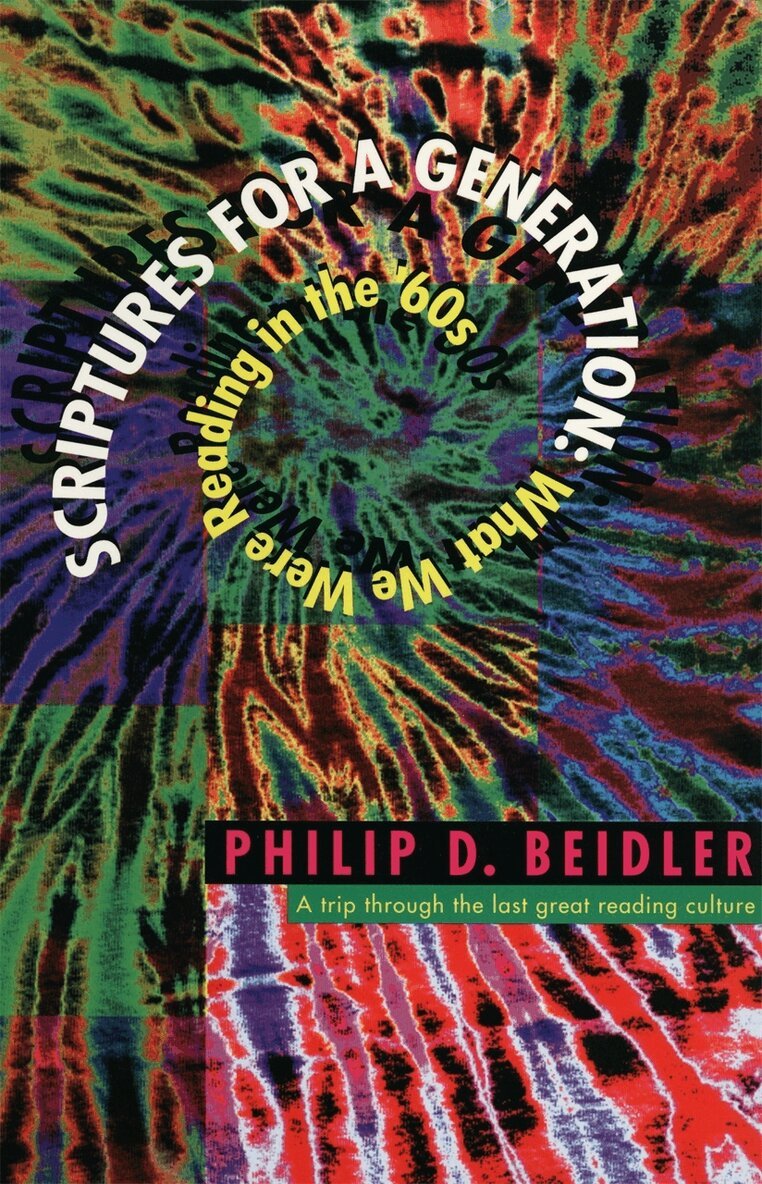
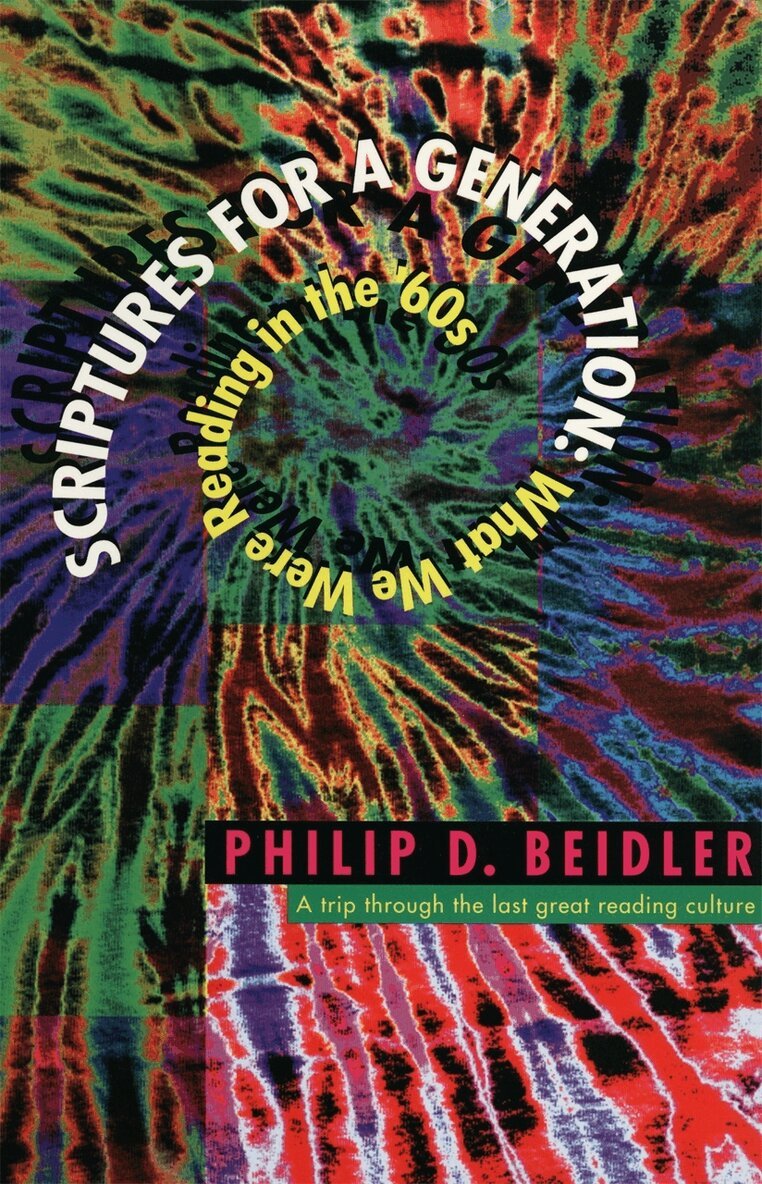
Scriptures for a Generation
What We Were Reading in the '60s
Häftad, 1995
589 kr
Lägg i varukorg
More than fifty writers, from Timothy Leary and Malcolm X to Helen Gurley Brown and Rachel Carson, are individually profiled in this lively survey of the literature of the 1960s. A look at the books behind the decade's youth movements, Scriptures for a Generation recalls the era as one of …
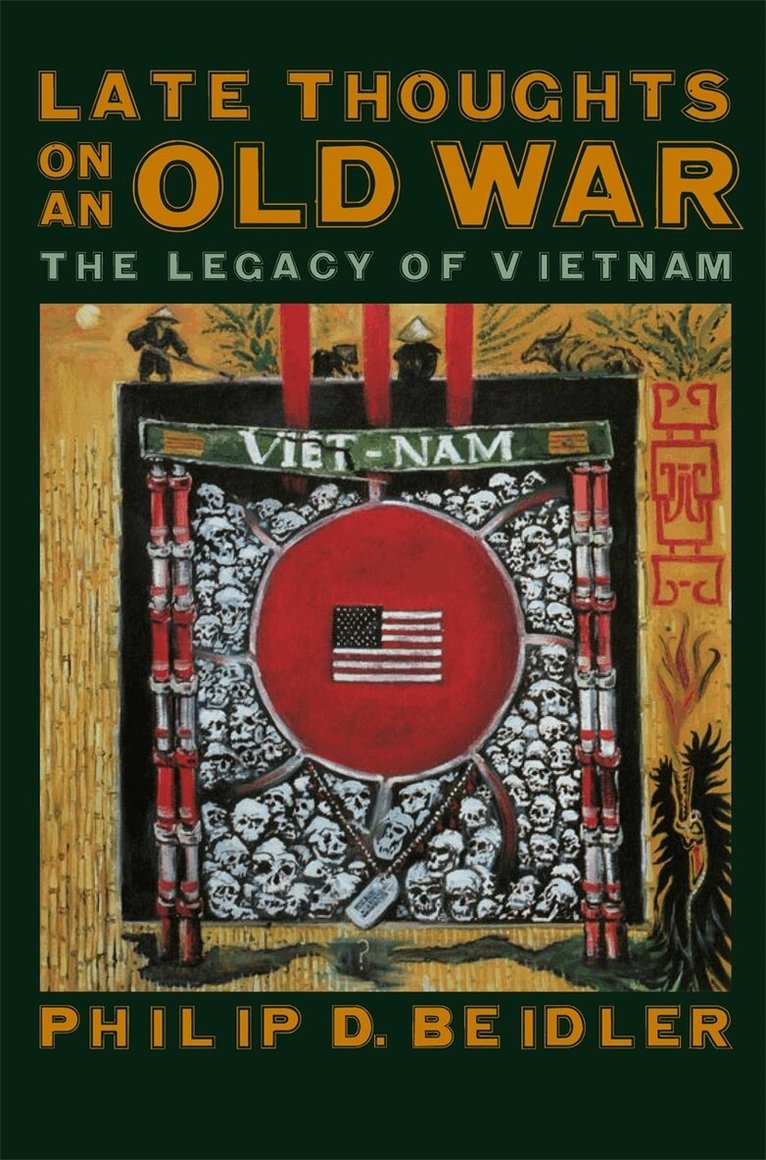
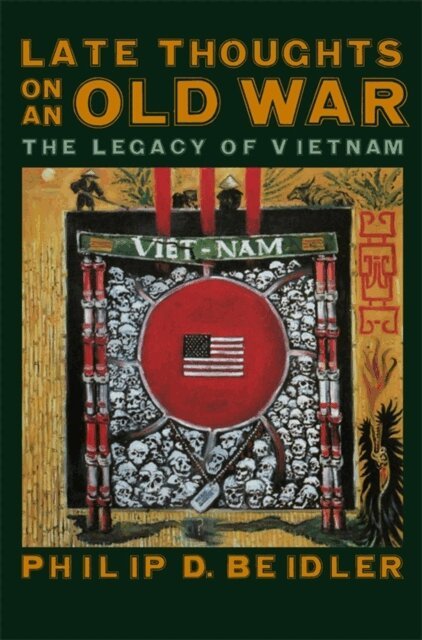
Late Thoughts on an Old War
The Legacy of Vietnam
Häftad, 2007
443 kr
Lägg i varukorg
Philip D. Beidler, who served as an armored cavalry platoon leader in Vietnam, sees less and less of the hard-won perspective of the common soldier in what America has made of that war. Each passing year, he says, dulls our sense of immediacy about Vietnam’s costs, opening wider the temptation to …
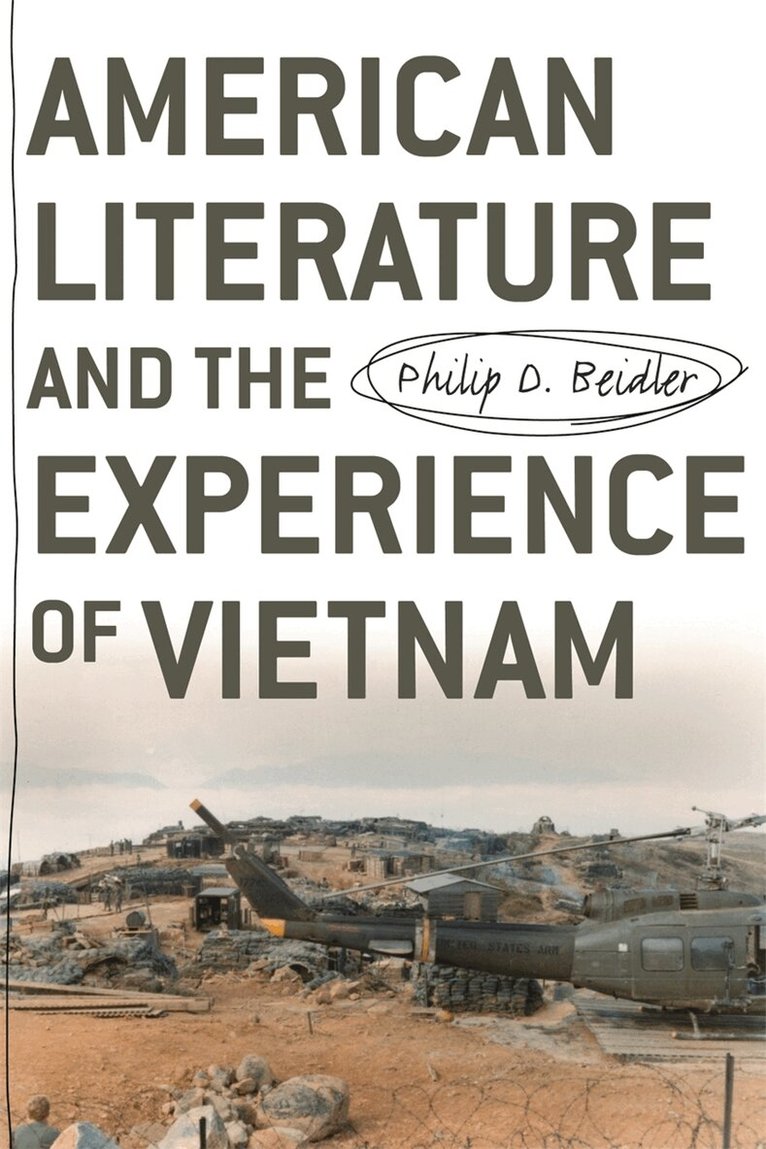
American Literature and the Experience of Vietnam
Häftad, 2007
532 kr
Lägg i varukorg
American Literature and the Experience of Vietnam is a perceptive and evocative book that is both a comprehensive discussion of the literature of the war and a study of literature and literary consciousness considered in relation to the larger process of cultural myth-making.In his exploration of …
Late Thoughts on an Old War
The Legacy of Vietnam
E-bok, 2010
474 kr
Lägg i varukorg
Philip D. Beidler, who served as an armored cavalry platoon leader in Vietnam, sees less and less of the hard-won perspective of the common soldier in what America has made of that war. Each passing year, he says, dulls our sense of immediacy about Vietnam''s costs, opening wider the temptation to …
Late Thoughts on an Old War
The Legacy of Vietnam
Inbunden, 2017
1544 kr
Lägg i varukorg
Philip D. Beidler, who served as an armored cavalry platoon leader in Vietnam, sees less and less of the hard-won perspective of the common soldier in what America has made of that war. Each passing year, he says, dulls our sense of immediacy about Vietnam’s costs, opening wider the temptation to …
Scriptures for a Generation
What We Were Reading in the '60s
Inbunden, 2017
1638 kr
Lägg i varukorg
More than fifty writers, from Timothy Leary and Malcolm X to Helen Gurley Brown and Rachel Carson, are individually profiled in this lively survey of the literature of the 1960s. A look at the books behind the decade's youth movements, Scriptures for a Generation recalls the era as one of …
Late Thoughts on an Old War
The Legacy of Vietnam
E-bok, 2010
424 kr
Lägg i varukorg
Philip D. Beidler, who served as an armored cavalry platoon leader in Vietnam, sees less and less of the hard-won perspective of the common soldier in what America has made of that war. Each passing year, he says, dulls our sense of immediacy about Vietnam's costs, opening wider the temptation to …
Art of Fiction in the Heart of Dixie
An Anthology of Alabama Writers
Inbunden, 1987
393 kr
Tillfälligt slut
Island Called Paradise
Cuba in History, Literature, and the Arts
Inbunden, 2014
409 kr
Tillfälligt slut
A personal and cultural mediation, Philip D. Beidler’s The Island Called Paradise explores the fascinating ways Cuban history and culture have permeated North American consciousness, and vice versa.In The Island Called Paradise, Philip D. Beidler shares his personal discovery of the vast, rich, and …
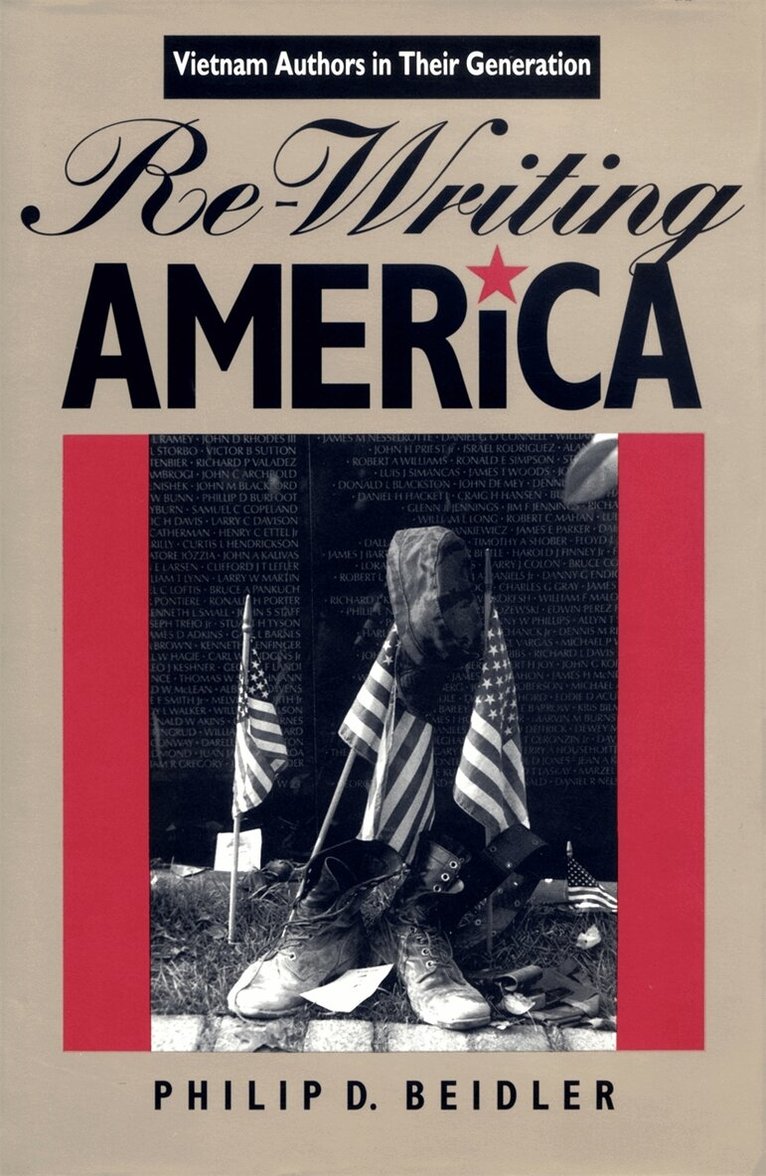
Re-Writing America
Vietnam Authors in Their Generation
Inbunden, 1991
1073 kr
Tillfälligt slut
With his first book, American Literature and the Experience of Vietnam, Philip Beidler offered a pioneering study of the novels, plays, poetry, and "literature of witness" that sprang from the United States involvement in the Vietnam War. Reviewing the book, the journal American Literature …
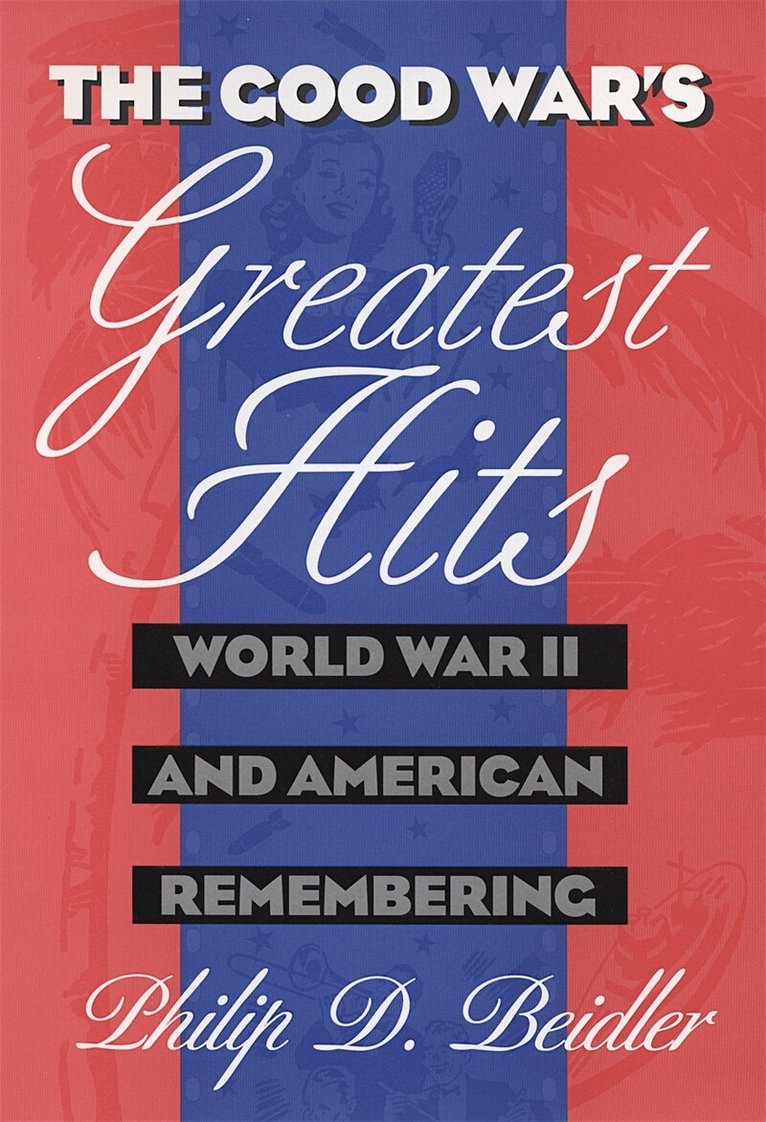
Good War's Greatest Hits
World War II and American Remembering
Inbunden, 1998
873 kr
Tillfälligt slut
The glow of 1945 persists as a kind of beacon for American society, symbolic of an era when good and evil were easily defined. This image is at the center of Philip D. Beidler's entertaining look at the way World War II reshaped American popular culture.The legend of the "Good War" was fostered by …
American Wars, American Peace
Notes from a Son of the Empire
Inbunden, 2007
777 kr
Tillfälligt slut
As a writer, Philip D. Beidler has often drawn on his combat experience in Vietnam and his deep engagement with American popular culture. His essays tap these sources in powerful, truth-telling ways. In American Wars, American Peace, another voice emerges, distinct yet also tied to Beidler’s …