Philip J. Obermiller – författare
Visar alla böcker från författaren Philip J. Obermiller. Handla med fri frakt och snabb leverans.
5 produkter
Studying Appalachian Studies
Making the Path by Walking
Av Chad Berry, Philip J. Obermiller m. fl.
Inbunden, 2015
1221 kr
Lägg i varukorg
In this collection, contributors reflect on scholarly, artistic, activist, educational, and practical endeavor known as Appalachian Studies. Following an introduction to the field, the writers discuss how Appalachian Studies illustrates the ways interdisciplinary studies emerge, organize, and …
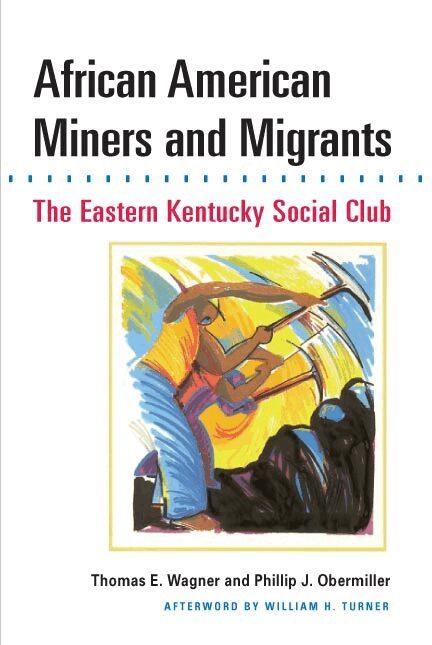
African American Miners and Migrants
The EASTERN KENTUCKY SOCIAL CLUB
Av Thomas E. Wagner, Philip J. Obermiller
Häftad, 2004
324 kr
Lägg i varukorg
Thomas E. Wagner and Phillip J. Obermiller's African American Miners and Migrants documents the lives of Eastern Kentucky Social Club (EKSC) members, a group of black Appalachians who left the eastern Kentucky coalfields and their coal company hometowns in Harlan County. Bound together by …
Studying Appalachian Studies
Making the Path by Walking
Av Chad Berry, Philip J. Obermiller m. fl.
Häftad, 2015
307 kr
Lägg i varukorg
In this collection, contributors reflect on scholarly, artistic, activist, educational, and practical endeavor known as Appalachian Studies. Following an introduction to the field, the writers discuss how Appalachian Studies illustrates the ways interdisciplinary studies emerge, organize, and …
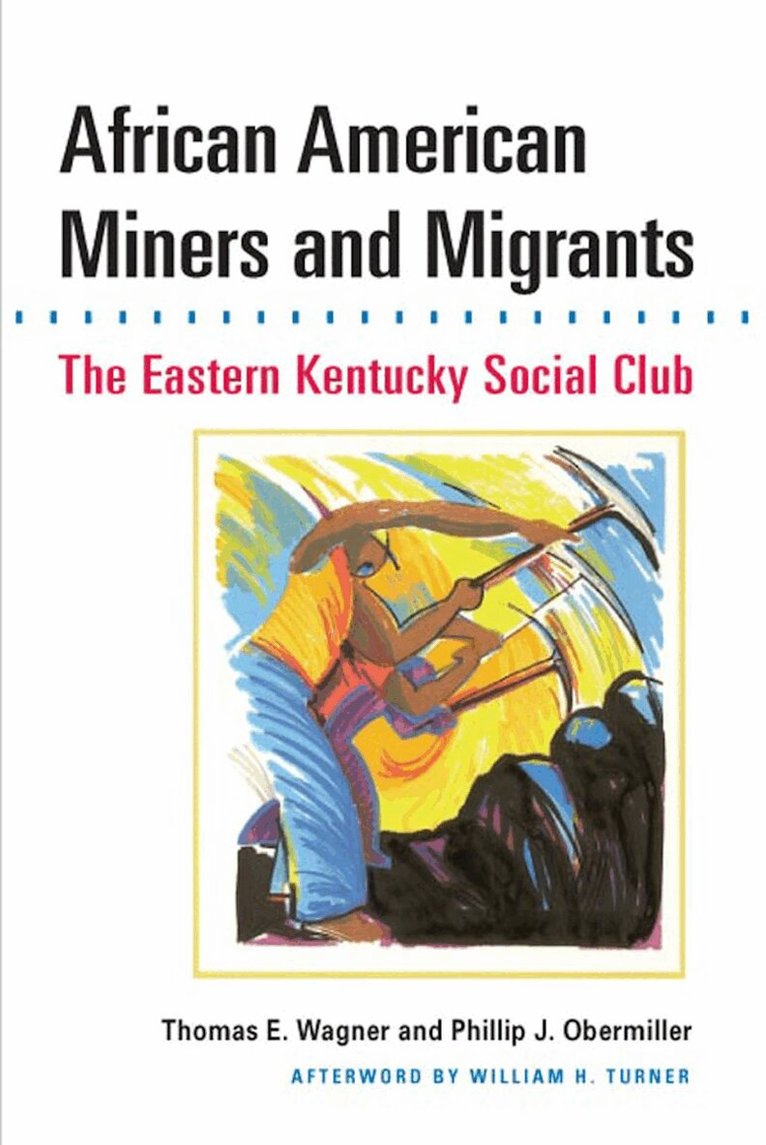
African American Miners and Migrants
The EASTERN KENTUCKY SOCIAL CLUB
Av Thomas E. Wagner, Philip J. Obermiller
E-bok, 2010
560 kr
Lägg i varukorg
Thomas E. Wagner and Phillip J. Obermiller''s African American Miners and Migrants documents the lives of Eastern Kentucky Social Club (EKSC) members, a group of black Appalachians who left the eastern Kentucky coalfields and their coal company hometowns in Harlan County. Bound together by …
Studying Appalachian Studies
Making the Path by Walking
Av Chad Berry, Philip J. Obermiller m. fl.
E-bok, 2015
560 kr
Lägg i varukorg
In this collection, contributors reflect on scholarly, artistic, activist, educational, and practical endeavor known as Appalachian Studies. Following an introduction to the field, the writers discuss how Appalachian Studies illustrates the ways interdisciplinary studies emerge, organize, and …