Philip Kay-Bujak – författare
Visar alla böcker från författaren Philip Kay-Bujak. Handla med fri frakt och snabb leverans.
6 produkter
6 produkter
Inbunden, Engelska, 2025
265 kr
Skickas
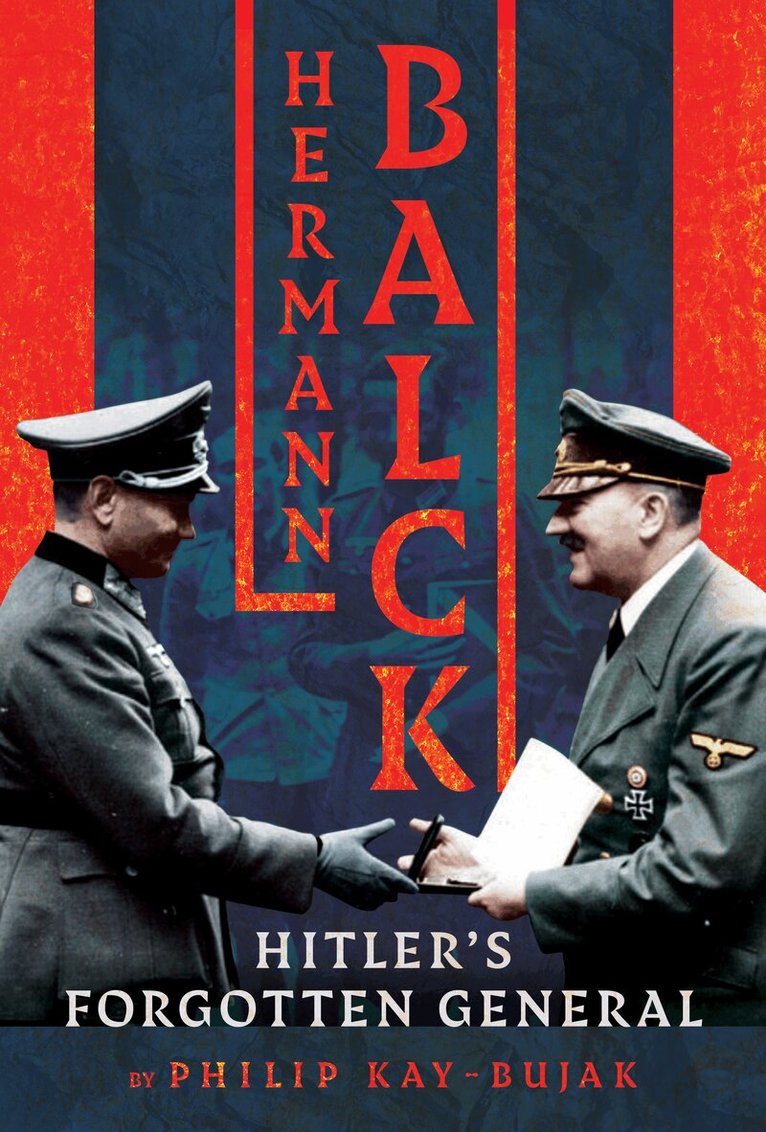
Though less famous than Rommel or von Manstein, Hermann Balck was considered by peers and enemies to be among the most talented German commanders of the Second World War. He was a veteran of the First World War, in which he served as a junior officer on the Western, Eastern, Italian and Balkan fronts and was wounded seven times. In 1940 he led the successful crossing of the River Meuse with dramatic consequences.Balck led from the front in the new and very dynamic and aggressive command style of Auftragstaktik- continuously touring forward HQs to brief officers personally, regardless of personal risk. He refused two offers to join the General Staff preferring to remain in combat roles. Balck was a pivotal moving force behind the growth of the Panzer forces. In 1942 he commanded a depleted division against massive odds, virtually destroying Soviet 5th Tank Army. He was rewarded with the Knights Cross with Oak Leaves, Swords and Diamonds (one of only 27 recipients) He briefly commanded Grossdeutschland Panzergrenadier Division and suggested Hitler was wrong in how the Waffen-SS was constructed. Philip Kay-Bujak argues that, had Hitler ignored Balck's criticisms of the Waffen-SS and promoted him Field Marshal, Balck might have changed the course of the war on the Eastern Front. It was also Balck that nearly defeated the Americans at Salerno in 1943.Commanding Army Group G, in 1944 he came up against General Patton but could not halt his advance in Alsace. First sacked then reinstated by Hitler, he fought on until surrendering to US forces on 8 May 1944 to avoid capture by the Soviets. Post-war, as a convicted war criminal, Balck chose obscurity and refused to take part in US interviews but by the 1980's he changed his mind on both and advised NATO on how to win a land war against Russia - his tactics are still relevant today.
Inbunden, Engelska, 2026
270 kr
Kommande
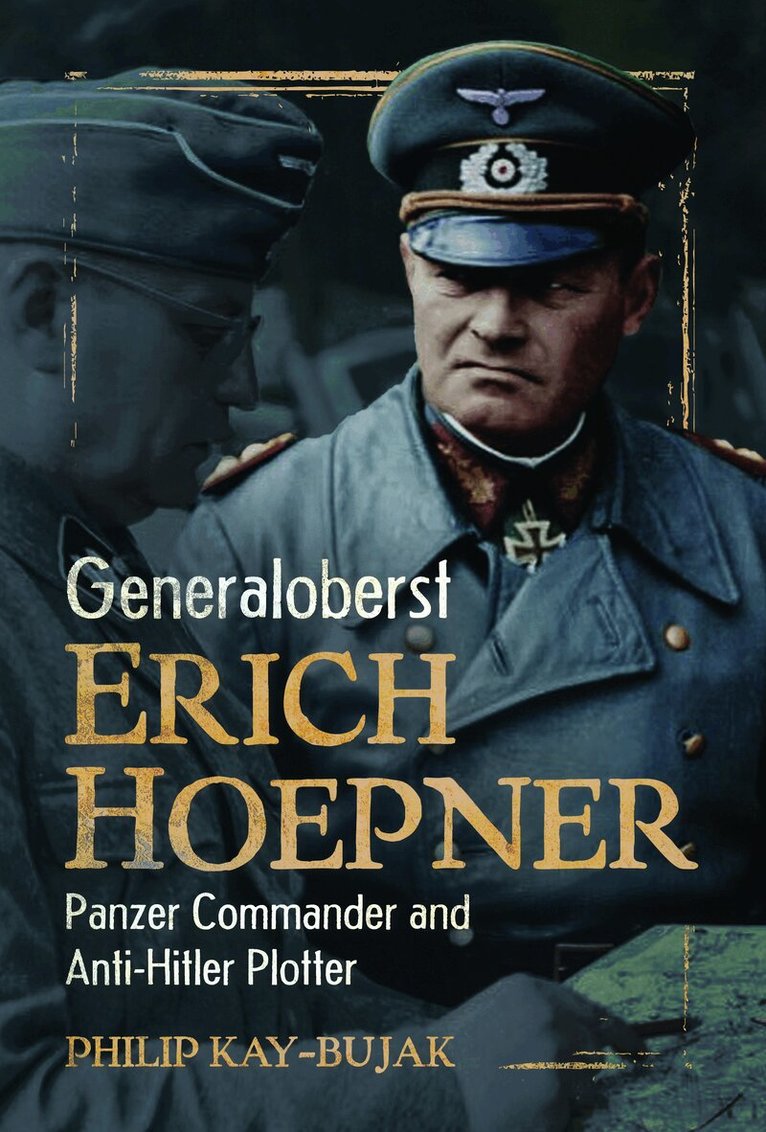
Erich Hoepner was a talented officer during World War One and a leading panzer commander during World War Two. Rising through the traditional Prussian roots of the Imperial Army and indoctrinated by loyalty, he became a committed supporter of Guderian’s new tank strategy of the 1920s and 30’s. By 1939 he was a corps commander, spearheaded the invasion of Czechoslovakia and played leading roles in the battles of Poland and France. At Dunkirk he protested against atrocities by the SS-Division Totenkopf, calling their commander, Theodor Eicke, ‘a butcher’.In February 1941, Hoepner commanded 4th Panzer Group in Barbarossa and played a leading role in the early victories of 1941. An advocate of the war against Jewish Bolshevism, Hoepner supported the Commissar Order issued by OKW. Fighting throughout the Leningrad campaign, Hoepner became conflicted by the military decisions taken by Adolf Hitler which robbed the High Command of its ability to act independently. Kay-Bujak continues his search to examine how these conflicts of conscience affected senior officers of the Wehrmacht.In the crucial Battle of Moscow, Hoepner clashed with both von Kluge and Hitler and was dismissed from his post. Despite his personal battle with loyalty and conscience, between 1942 and 1944, Hoepner became part of the military resistance against Hitler. He was arrested after Stauffenberg’s failed assassination attempt and was given a public trial. Brutally hanged on 8 August 1944, and his family sent to concentration camps, Hoepner stands out both as one of the most talented and loyal servants of the German military and one of the most ruthlessly treated by Adolf Hitler.
Inbunden, Engelska, 2026
270 kr
Kommande
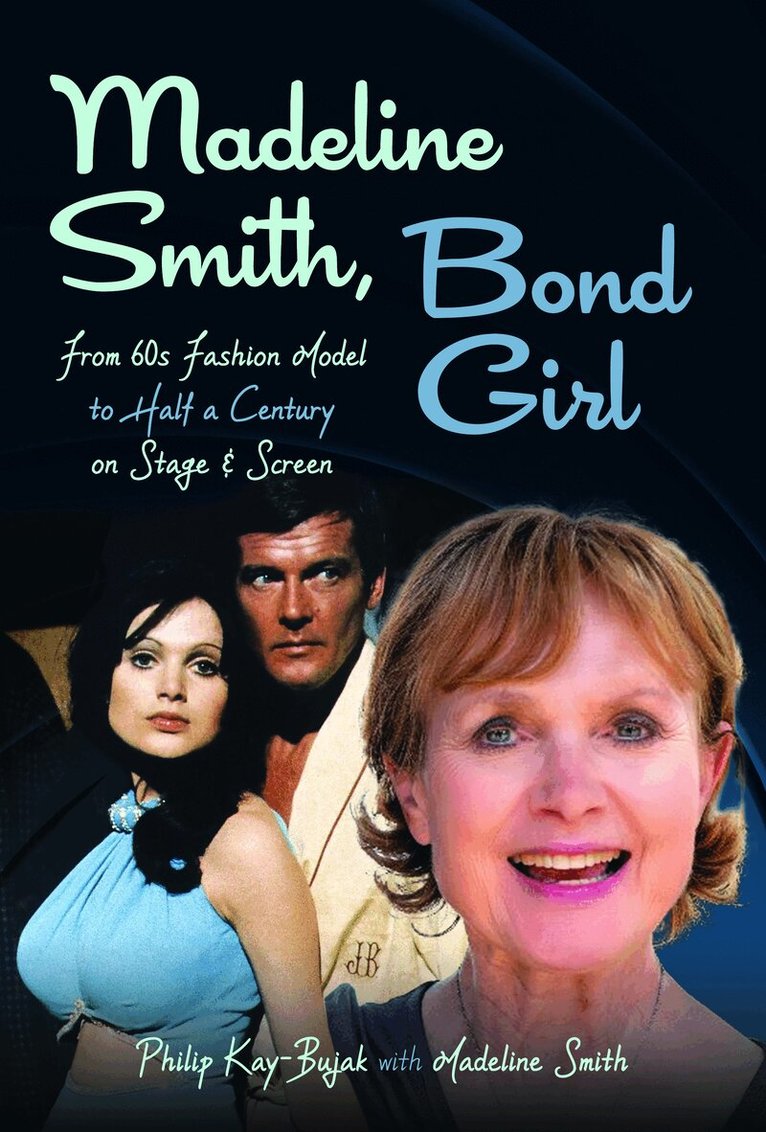
Madeline Smith’s career began suddenly - shop girl in a London suburb one week, modelling for rising fashion chain BiBa the next and then a nationally recognized face soon after. It was 1967 and Maddie never looked back.Telling her story for the first time, despite many calls for her to tell her own story, Maddie has decided to take us on a very personal journey through her eventful life – a book for all people that reminisce about the 60s, 70s and 80’s and provided by a star with a zest for life that was always the hallmark of her smile, personality and humility.This book appeals to many audiences – James Bond enthusiasts for her role as Roger Moore’s first Bond Girl in Live and Let Die (1973) and fans of Hammer Horror films, where Maddie remains an iconic figure from playing opposite Peter Cushing and Vincent Price in The Vampire Lovers (1970) and Theatre of Blood (1973). Maddie’s roles in Carry On Matron in 1972 and The Amazing Mr Blunden bring back to life talented stars now long forgotten and are supplemented by anecdotes on Tony Curtis in The Persuaders, Ronnie Barker in The Two Ronnies, Leslie Phillips in Casanova ’73 and Christopher Timothy in All Creatures Great and Small. Passionate about theatre, Maddie talks about her roles with Alec Guiness, Donald Sinden and Brian Cox, and her friendships with Rob Stewart and Richard Harris.Working alongside experienced writer and biographer Philip Kay-Bujak, this opportunity to share with us her personal battles, tragedies and achievements joins with her philosophy on growing old and will inspire anyone that reads it. This is a book that is long overdue and proves that stars like Madeline Smith truly Live and Never Let Die.
Inbunden, Engelska, 2024
262 kr
Skickas
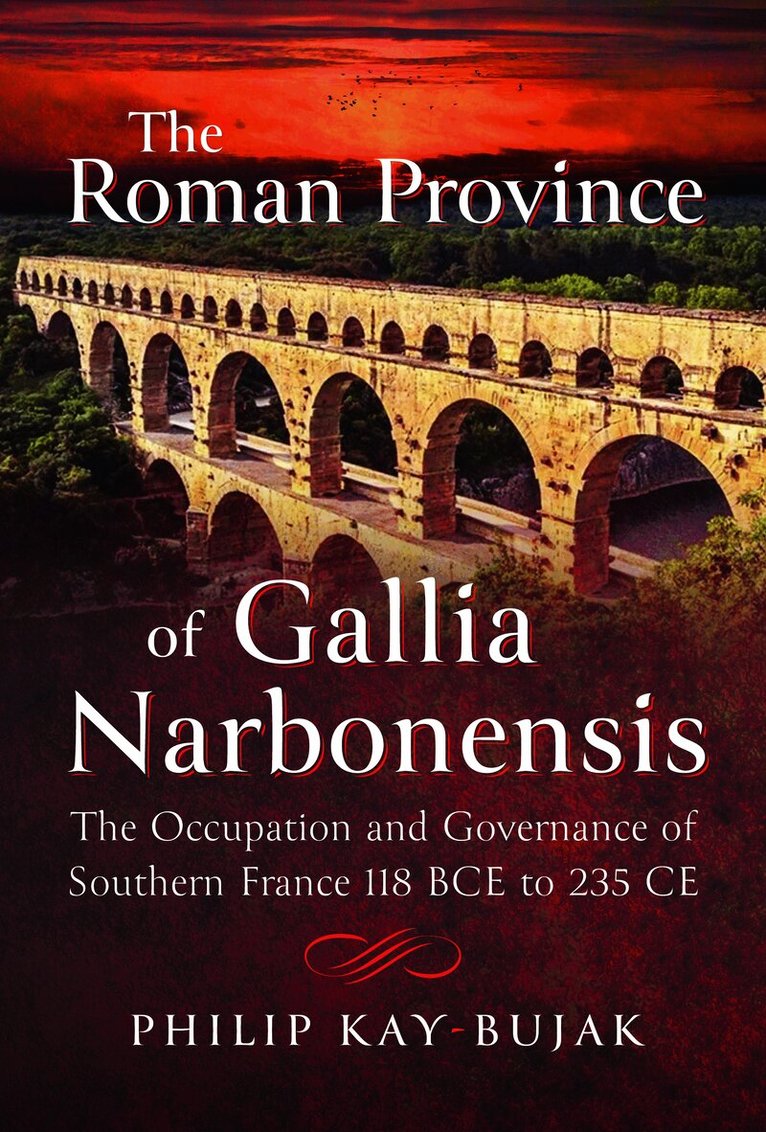
According to Pliny (admittedly a native of the province), Gallia Narbonensis was 'by the cultivation of its soil, the manners and civilization of its inhabitants and the extent of its wealth, surpassed by no other province in the Empire'. Philip Kay-Bujak describes how this vital area came to be occupied and incorporated into Rome's domains and how it was then governed. Straddling important roads connecting Rome with Spain, northern Gaul and the Channel ports, the province grew into an agricultural and economic powerhouse. Containing some of the finest examples of Roman cities, such as Narbonne and Lyon, it was among the most sought after postings for Roman officials. However, this strategic positioning also made it the battlefield for numerous foreign invasions and civil wars, and we follow the region's fluctuating fortunes through several centuries of drama. Drawing on extensive research and many personal visits to the area, Philip Kay-Bujak brings us a fascinating story of this particular region. Moreover, it also serves as an excellent case study in the evolving methods, challenges and impacts of imperial governance across the Roman world. Part historical study, part travel guide, it explores the legacy the Roman Empire bequeathed to this beautiful region.
Inbunden, Engelska, 2024
262 kr
Skickas
_Empire Javelin_ an American-built LSI (Landing Ship, Infantry) in Royal Navy service, played an important role on D-Day. She carried A Company 116th RCT (the famous ‘Bedford’ Boys’) across the Channel and her landing craft put them ashore on Dog Green sector as part of the initial assault or ‘suicide wave’, onto Omaha beach. In telling her story, Philip Kay-Bujak does justice to the contribution of the Royal Navy at Omaha Beach, which has been underappreciated in the past (when directing Saving Private Ryan, Stephen Spielberg notoriously said there was no British involvement).Drawing heavily on first-hand accounts, the author covers the actions of the ship herself and of the landing craft launched from her in great detail. One third of her landing craft were lost in the first wave alone. He also reveals _Empire Javelin’s_ earlier life, from design and construction, through launch and training. Similarly, he relates her service after that fateful day in June 1944, when she continued to ferry troops across the Channel for several months. The events surrounding her sinking in December 1944, either by U-boat or a mine, while laden with troops, are also fully examined. The author’s skilful narrative is supported by archive photos, the whole forming a fitting testament to the contribution of _Empire Javelin_ and ships like her, which, though less glamorous than battleships and destroyers, played a vital role in Operation Overlord and the liberation of Europe.
Inbunden, Engelska, 2023
262 kr
Skickas
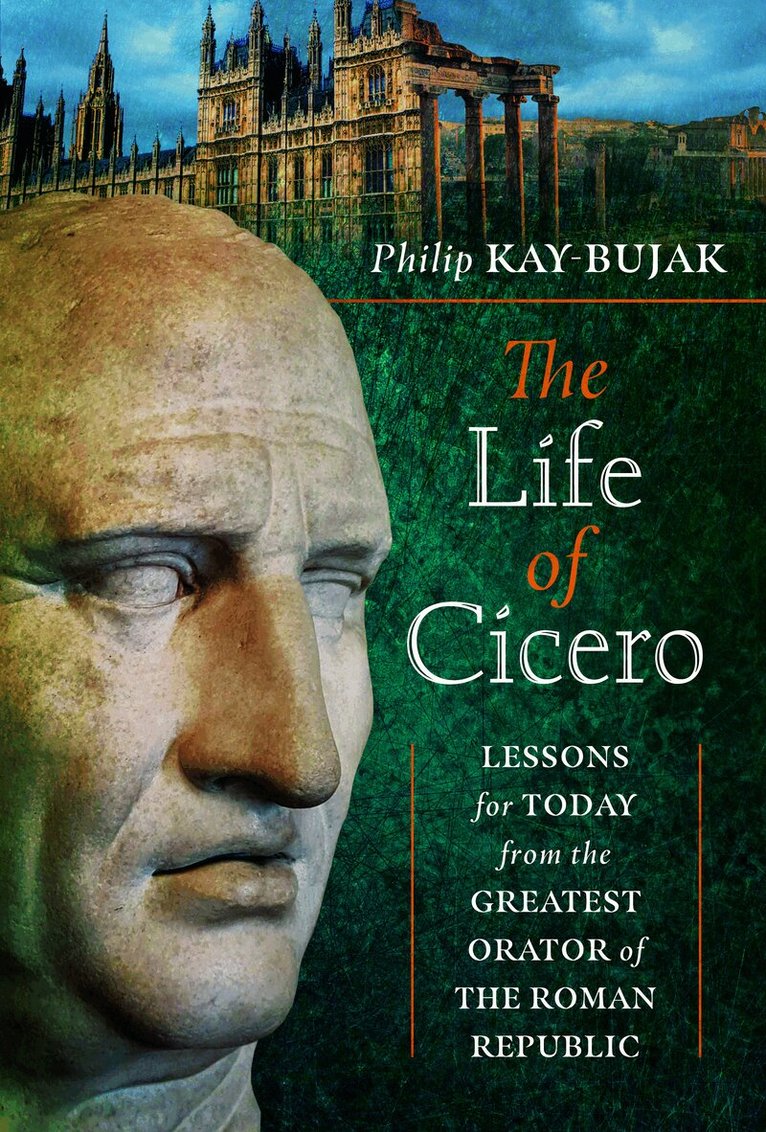
Cicero was Rome's greatest orator and one of the key statesmen of the late Roman Republic. He championed traditional Republican values against populist demagogues like Julius Caesar during a tumultuous period of civil war and unrest. During his term as consul (63 BCE), his decisive actions thwarted a plot to overthrow the Senate, controversially having the ringleaders executed. He outlived Caesar but then mounted a virulent opposition to Mark Antony, which led to Cicero's proscription and execution as an enemy of the state.The legacy of his speeches, letters and treatises on politics, law, oratory and other subjects endured, however, and was massively influential on Latin literature and, when rediscovered in the Middle Ages, formed one of the cornerstones of the Renaissance. The period in which Cicero flourished and died was one in which democracy was under attack from radical demagoguery and Philip Kay-Bujak believes his career holds important parallels and lessons for our own times. Written in a clear and accessible style, this fresh look at Cicero's life demonstrates his relevance to a modern audience.