Philippe Lynes - Böcker
Visar alla böcker från författaren Philippe Lynes. Handla med fri frakt och snabb leverans.
8 produkter
8 produkter
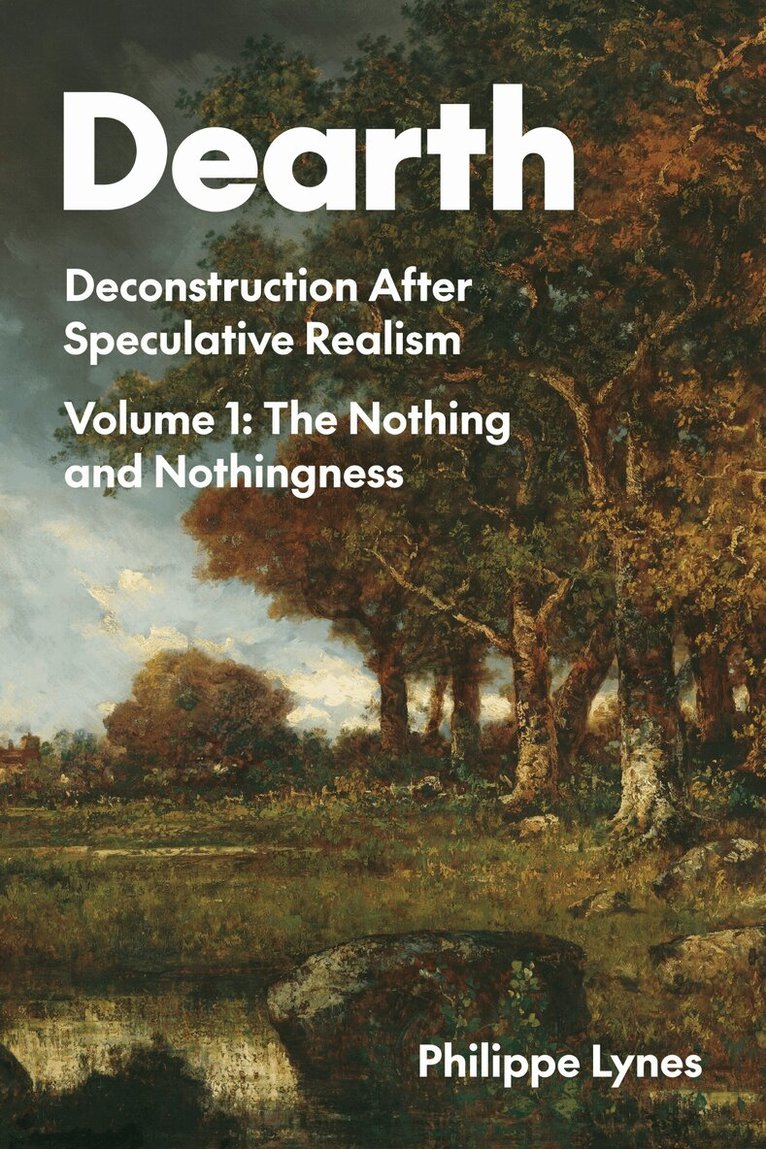
Dearth, Volume 1
Deconstruction After Speculative Realism. the Nothing and Nothingness
Häftad, Engelska, 2025
387 kr
Skickas inom 7-10 vardagar
Proposing a radical reconceptualization of deconstruction and nothingness The first of two volumes exploring Jacques Derrida's prefiguration of speculative realism, The Nothing and Nothingness examines the transcendental naturalism of Ray Brassier and Iain Hamilton Grant and the speculative materialism of Quentin Meillassoux. Philippe Lynes proposes nothing less than a radical reconceptualization of deconstruction as a call to bear witness to nothingness: let the earth be the earth, let nature be nature, and leave them to their reality, secrecy, and withdrawal without us. Dearth: Deconstruction After Speculative Realism argues that Derrida's seminars on Martin Heidegger and Maurice Blanchot, La Chose (The Thing), anticipated many of the philosophical, literary, and aesthetic questions animating speculative realism today: an anti-anthropocentric critique of Kantian correlationism an overcoming of the apocalyptic nihilism of extinction through a deeper, affirmative habituation to nothingness and poignant reflections on the literary and poetic aspects of living and dying in impossible worlds. His is an anti-correlationist plea that resounds now more urgently than ever.
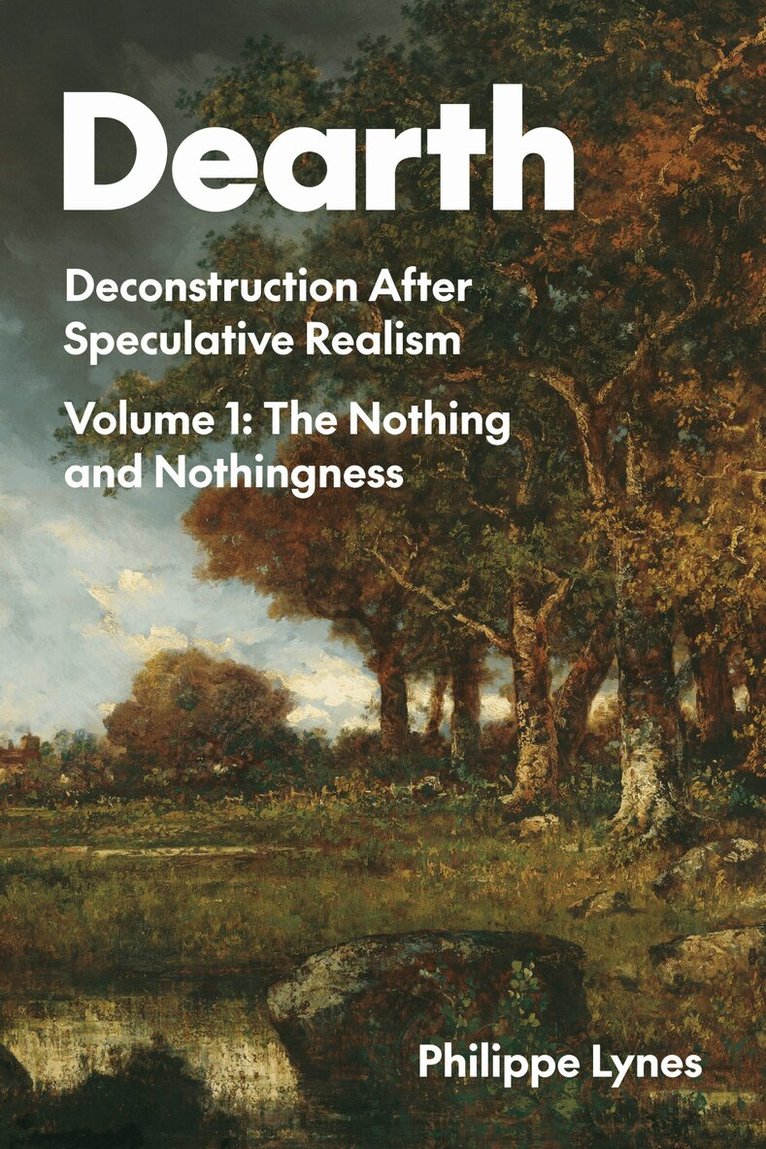
Dearth, Volume 1
Deconstruction After Speculative Realism. the Nothing and Nothingness
Inbunden, Engelska, 2025
1 267 kr
Skickas inom 7-10 vardagar
Proposing a radical reconceptualization of deconstruction and nothingness The first of two volumes exploring Jacques Derrida's prefiguration of speculative realism, The Nothing and Nothingness examines the transcendental naturalism of Ray Brassier and Iain Hamilton Grant and the speculative materialism of Quentin Meillassoux. Philippe Lynes proposes nothing less than a radical reconceptualization of deconstruction as a call to bear witness to nothingness: let the earth be the earth, let nature be nature, and leave them to their reality, secrecy, and withdrawal without us. Dearth: Deconstruction After Speculative Realism argues that Derrida's seminars on Martin Heidegger and Maurice Blanchot, La Chose (The Thing), anticipated many of the philosophical, literary, and aesthetic questions animating speculative realism today: an anti-anthropocentric critique of Kantian correlationism an overcoming of the apocalyptic nihilism of extinction through a deeper, affirmative habituation to nothingness and poignant reflections on the literary and poetic aspects of living and dying in impossible worlds. His is an anti-correlationist plea that resounds now more urgently than ever.
347 kr
Kommande
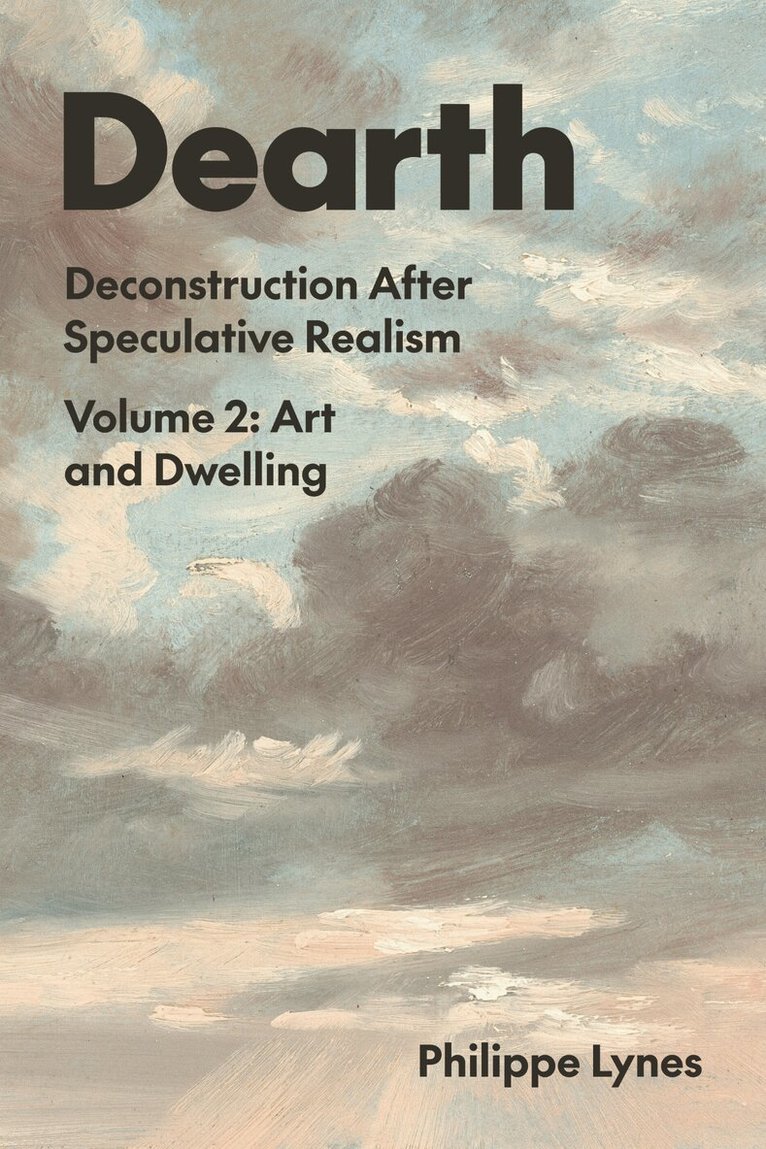
Proposing new insight into the legacies of Derridean thought for contemporary philosophyIn Art and Dwelling, the second volume of his Dearth sequence, Philippe Lynes sheds new light on the most enduring offshoot of the speculative realist movement, object-oriented ontology. Through careful readings of Graham Harman and Timothy Morton, Lynes shows how Jacques Derrida's seminars offer critical insights into the spacing and distancing that precede and exceed all human practices of art and dwelling, with a deep sensitivity to the ecological and ethico-political consequences that follow.Dearth: Deconstruction After Speculative Realism argues that Derrida's seminars on Martin Heidegger and Maurice Blanchot, La Chose (The Thing), anticipated many of the philosophical, literary, and aesthetic questions animating speculative realism today: an anti-anthropocentric critique of Kantian correlationism; an overcoming of the apocalyptic nihilism of extinction through a deeper, affirmative habituation to nothingness; and poignant reflections on the literary and poetic aspects of living and dying in impossible worlds. His is an anti-correlationist plea that resounds now more urgently than ever.
1 308 kr
Kommande
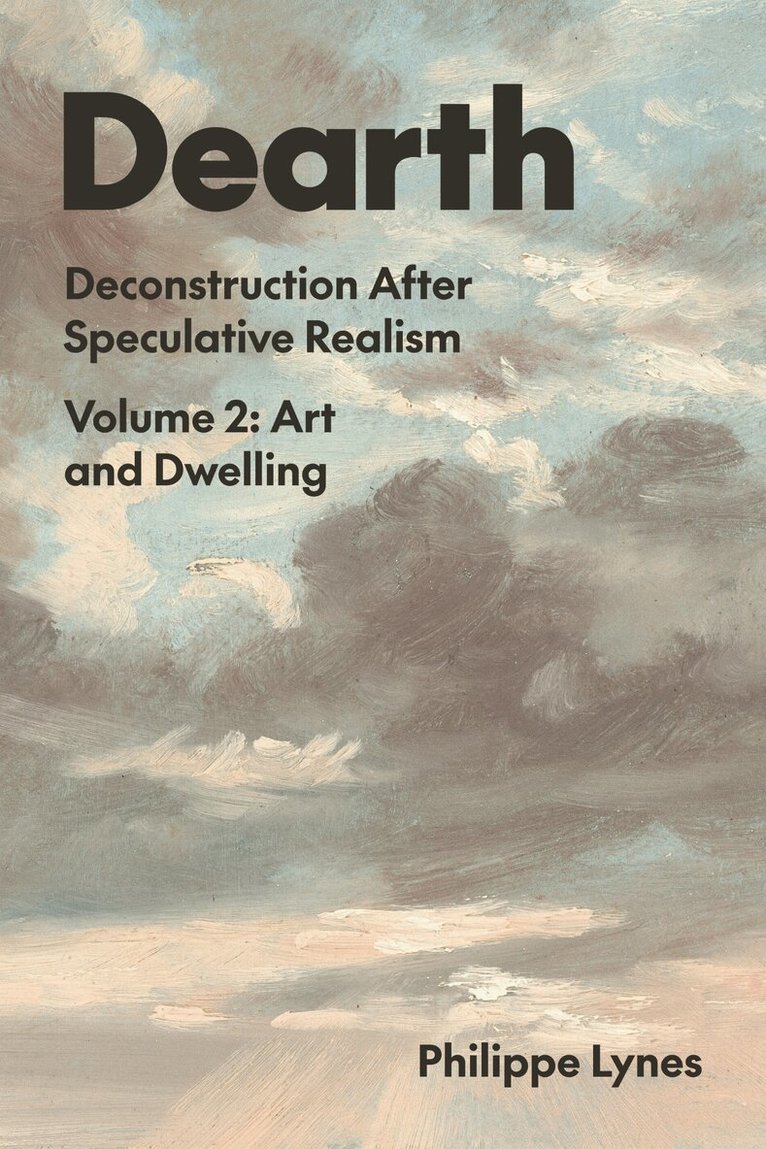
Proposing new insight into the legacies of Derridean thought for contemporary philosophyIn Art and Dwelling, the second volume of his Dearth sequence, Philippe Lynes sheds new light on the most enduring offshoot of the speculative realist movement, object-oriented ontology. Through careful readings of Graham Harman and Timothy Morton, Lynes shows how Jacques Derrida's seminars offer critical insights into the spacing and distancing that precede and exceed all human practices of art and dwelling, with a deep sensitivity to the ecological and ethico-political consequences that follow.Dearth: Deconstruction After Speculative Realism argues that Derrida's seminars on Martin Heidegger and Maurice Blanchot, La Chose (The Thing), anticipated many of the philosophical, literary, and aesthetic questions animating speculative realism today: an anti-anthropocentric critique of Kantian correlationism; an overcoming of the apocalyptic nihilism of extinction through a deeper, affirmative habituation to nothingness; and poignant reflections on the literary and poetic aspects of living and dying in impossible worlds. His is an anti-correlationist plea that resounds now more urgently than ever.
1 471 kr
Skickas inom 10-15 vardagar
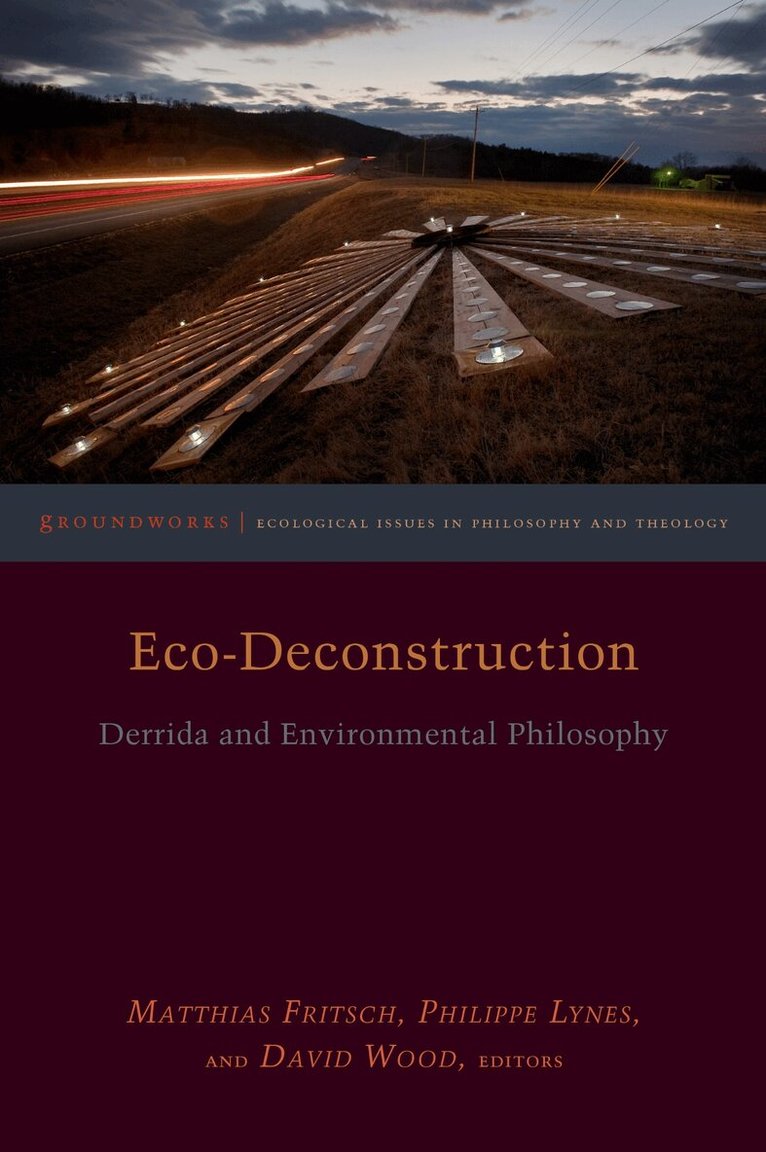
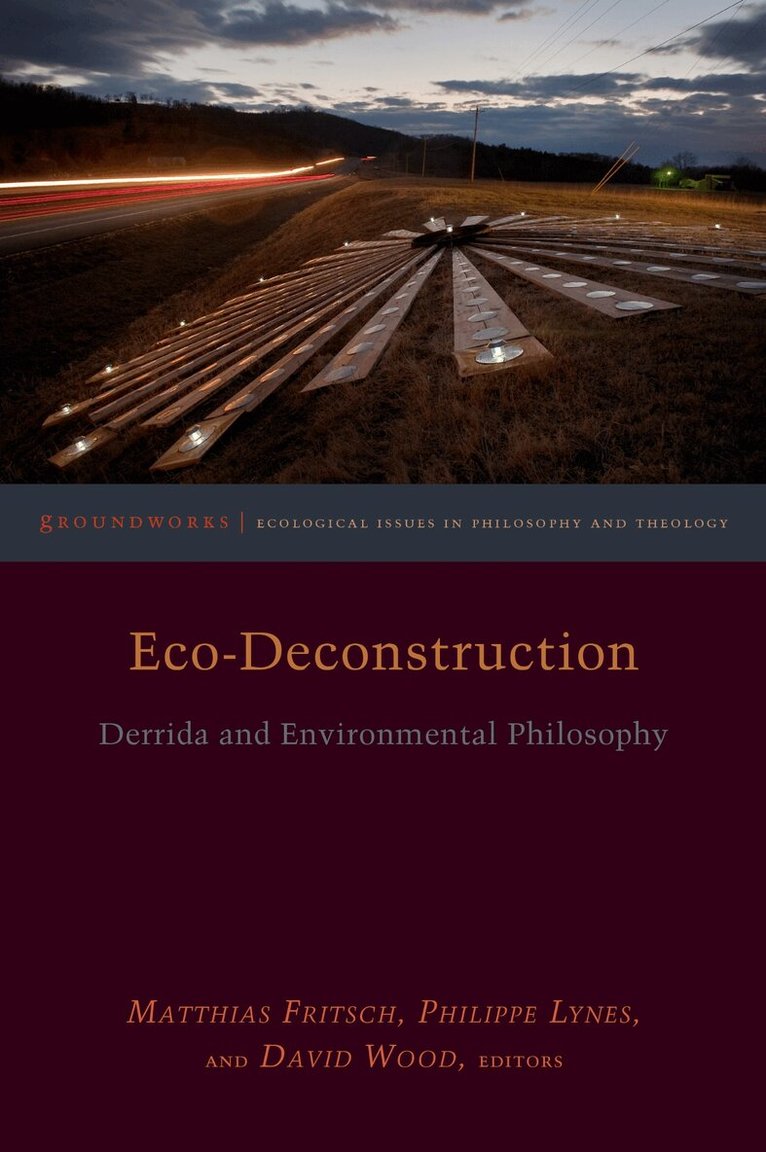
Eco-Deconstruction marks a new approach to the degradation of the natural environment, including habitat loss, species extinction, and climate change. While the work of French philosopher Jacques Derrida (1930–2004), with its relentless interrogation of the anthropocentric metaphysics of presence, has already proven highly influential in posthumanism and animal studies, the present volume, drawing on published and unpublished work by Derrida and others, builds on these insights to address the most pressing environmental issues of our time.The volume brings together fifteen prominent scholars, from a wide variety of related fields, including eco-phenomenology, eco-hermeneutics, new materialism, posthumanism, animal studies, vegetal philosophy, science and technology studies, environmental humanities, eco-criticism, earth art and aesthetics, and analytic environmental ethics. Overall, eco-deconstruction offers an account of differential relationality explored in a non-totalizable ecological context that addresses our times in both an ontological and a normative register.The book is divided into four sections. "Diagnosing the Present" suggests that our times are marked by a facile, flattened-out understanding of time and thus in need of deconstructive dispositions. "Ecologies" mobilizes the spectral ontology of deconstruction to argue for an originary environmentality, the constitutive ecological embeddedness of mortal life. "Nuclear and Other Biodegradabilities," examines remains, including such by-products and disintegrations of human culture as nuclear waste, environmental destruction, and species extinctions. "Environmental Ethics" seeks to uncover a demand for justice, including human responsibility for suffering beings, that emerges precisely as a response to original differentiation and the mortality and unmasterable alterity it installs in living beings. As such, the book will resonate with readers not only of philosophy, but across the humanities and the social and natural sciences.
366 kr
Skickas inom 10-15 vardagar
Eco-Deconstruction marks a new approach to the degradation of the natural environment, including habitat loss, species extinction, and climate change. While the work of French philosopher Jacques Derrida (1930–2004), with its relentless interrogation of the anthropocentric metaphysics of presence, has already proven highly influential in posthumanism and animal studies, the present volume, drawing on published and unpublished work by Derrida and others, builds on these insights to address the most pressing environmental issues of our time.The volume brings together fifteen prominent scholars, from a wide variety of related fields, including eco-phenomenology, eco-hermeneutics, new materialism, posthumanism, animal studies, vegetal philosophy, science and technology studies, environmental humanities, eco-criticism, earth art and aesthetics, and analytic environmental ethics. Overall, eco-deconstruction offers an account of differential relationality explored in a non-totalizable ecological context that addresses our times in both an ontological and a normative register.The book is divided into four sections. "Diagnosing the Present" suggests that our times are marked by a facile, flattened-out understanding of time and thus in need of deconstructive dispositions. "Ecologies" mobilizes the spectral ontology of deconstruction to argue for an originary environmentality, the constitutive ecological embeddedness of mortal life. "Nuclear and Other Biodegradabilities," examines remains, including such by-products and disintegrations of human culture as nuclear waste, environmental destruction, and species extinctions. "Environmental Ethics" seeks to uncover a demand for justice, including human responsibility for suffering beings, that emerges precisely as a response to original differentiation and the mortality and unmasterable alterity it installs in living beings. As such, the book will resonate with readers not only of philosophy, but across the humanities and the social and natural sciences.
488 kr
Skickas inom 10-15 vardagar
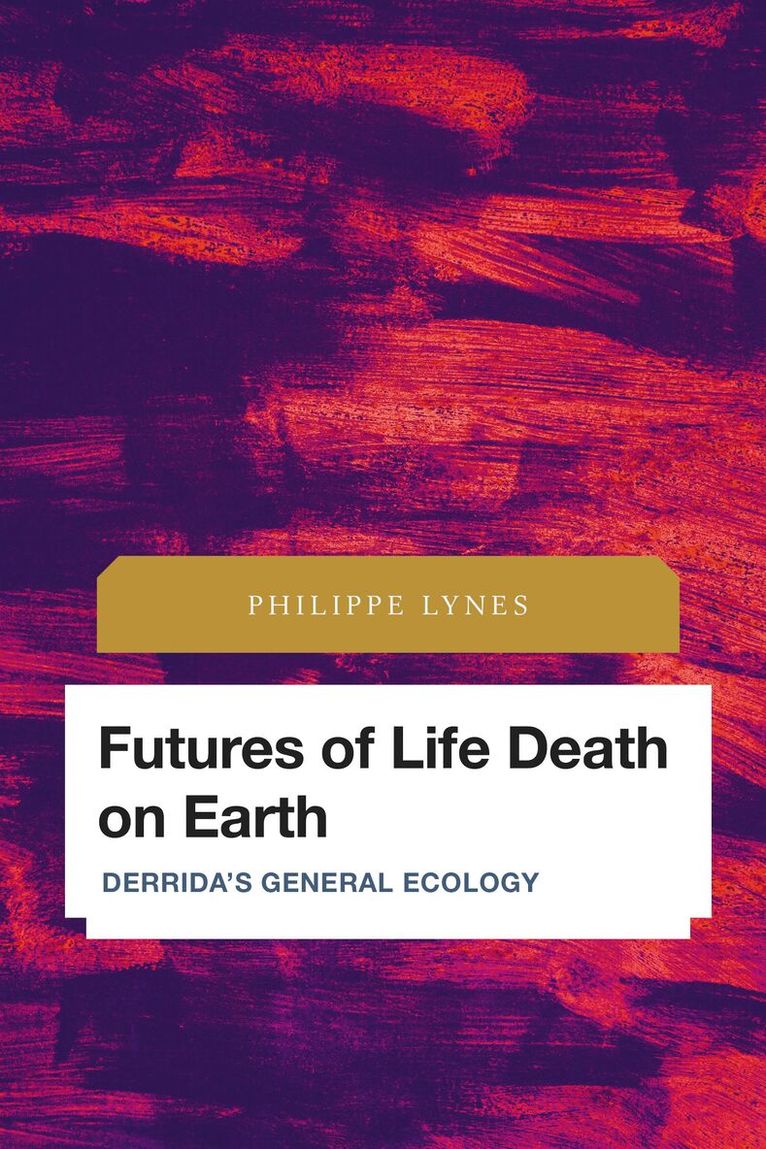
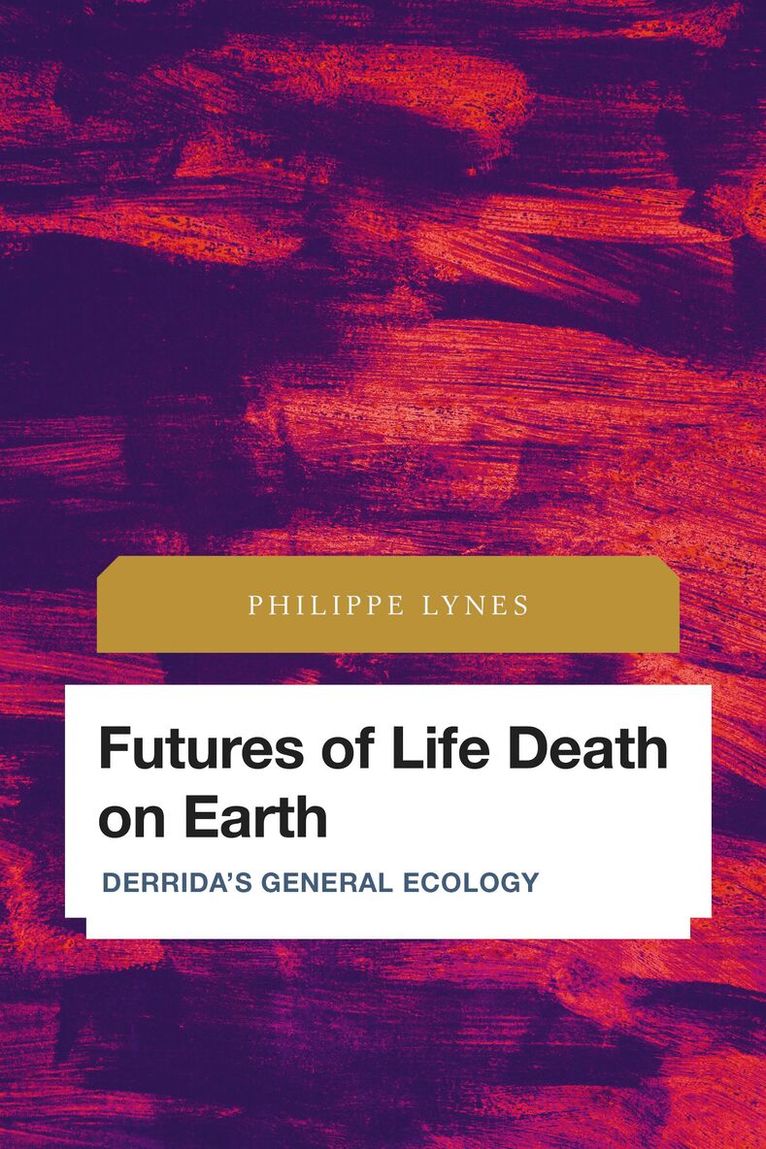
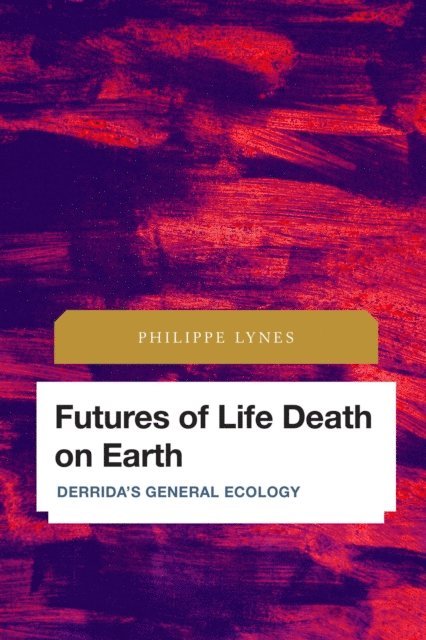
Life on earth is currently approaching what has been called the sixth mass extinction, also known as the Holocene or anthropocene extinction. Unlike the previous five, this extinction is due to the destructive practices of a single species, our own. Up to 50% of plant and animal species face extinction by the year 2100, as well as 90% of the world’s languages. Biocultural diversity is a recent appellation for thinking together the earth’s biological, cultural and linguistic diversity, the related causes of their extinctions and the related steps that need to be taken to ensure their sustainability. This book turns to the work of Jacques Derrida to propose a notion of ‘general ecology’ as a way to respond to this loss, to think the ethics, ontology and epistemology at stake in biocultural sustainability and the life and death we differentially share on earth with its others. It articulates an appreciation of the ecological and biocultural stakes of deconstruction and provokes new ways of thinking about a more just sharing of the earth.
1 703 kr
Skickas inom 10-15 vardagar
Life on earth is currently approaching what has been called the sixth mass extinction, also known as the Holocene or anthropocene extinction. Unlike the previous five, this extinction is due to the destructive practices of a single species, our own. Up to 50% of plant and animal species face extinction by the year 2100, as well as 90% of the world’s languages. Biocultural diversity is a recent appellation for thinking together the earth’s biological, cultural and linguistic diversity, the related causes of their extinctions and the related steps that need to be taken to ensure their sustainability. This book turns to the work of Jacques Derrida to propose a notion of ‘general ecology’ as a way to respond to this loss, to think the ethics, ontology and epistemology at stake in biocultural sustainability and the life and death we differentially share on earth with its others. It articulates an appreciation of the ecological and biocultural stakes of deconstruction and provokes new ways of thinking about a more just sharing of the earth.