Pierfrancesco Biasetti – författare
Visar alla böcker från författaren Pierfrancesco Biasetti. Handla med fri frakt och snabb leverans.
8 produkter
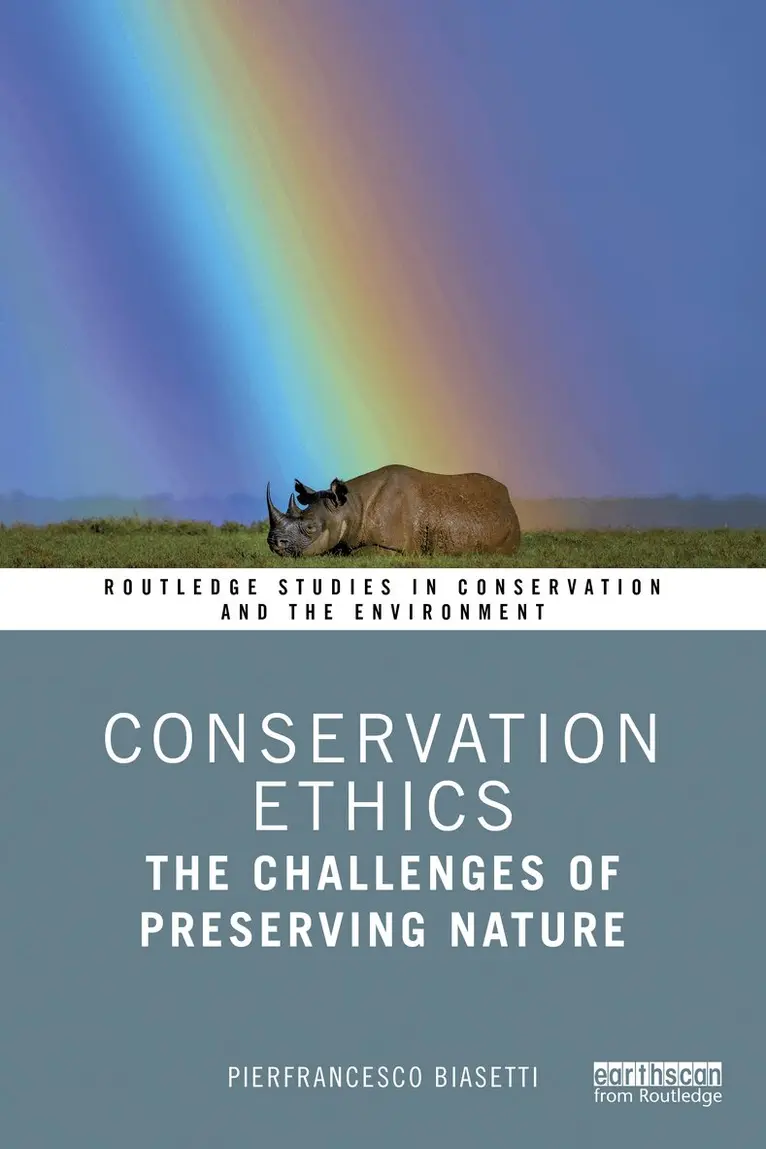
Conservation Ethics
The Challenges of Preserving Nature
Häftad, 2026
649 kr
Lägg i varukorg
This book explores the ethical dimensions of nature conservation, discussing how we value the natural world and how it can be protected in a complex context where many ethically significant interests must be carefully weighed and balanced.Beginning with foundational concepts of nature and …
Conservation Ethics
The Challenges of Preserving Nature
Inbunden, 2026
2515 kr
Lägg i varukorg
This book explores the ethical dimensions of nature conservation, discussing how we value the natural world and how it can be protected in a complex context where many ethically significant interests must be carefully weighed and balanced.Beginning with foundational concepts of nature and …
Conservation Ethics
The Challenges of Preserving Nature
E-bok, 2026
746 kr
Lägg i varukorg
This book explores the ethical dimensions of nature conservation, discussing how we value the natural world and how it can be protected in a complex context where many ethically significant interests must be carefully weighed and balanced.Beginning with foundational concepts of nature and …
Conservation Ethics
The Challenges of Preserving Nature
E-bok, 2026
762 kr
Lägg i varukorg
This book explores the ethical dimensions of nature conservation, discussing how we value the natural world and how it can be protected in a complex context where many ethically significant interests must be carefully weighed and balanced.Beginning with foundational concepts of nature and …
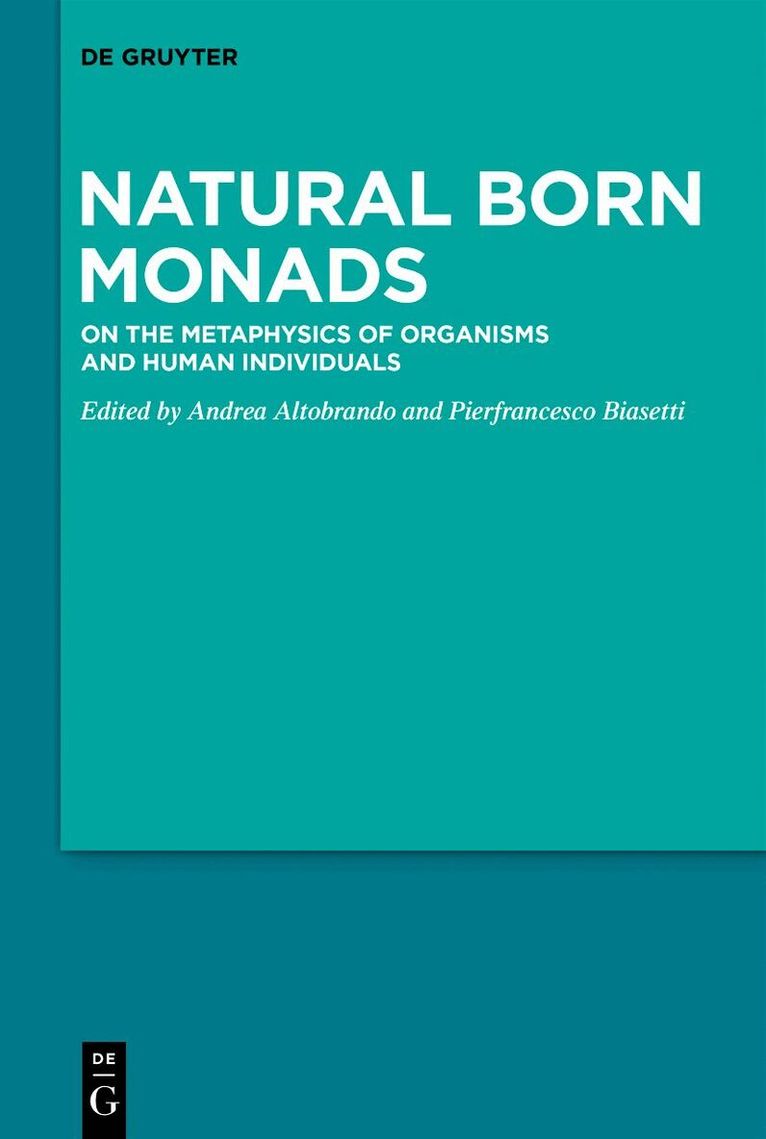
Natural Born Monads
On the Metaphysics of Organisms and Human Individuals
Av Andrea Altobrando, Pierfrancesco Biasetti
Inbunden, 2020
1905 kr
Lägg i varukorg
We are still looking for a satisfactory definition of what makes an individual being a human individual. The understanding of human beings in terms of organism does not seem to be satisfactory, because of its reductionistic flavor. It satisfies our need for autonomy and benefits our lives thanks to …
Natural Born Monads
On the Metaphysics of Organisms and Human Individuals
Av Pierfrancesco Biasetti, Andrea Altobrando
E-bok, 2020
1864 kr
Lägg i varukorg
We are still looking for a satisfactory definition of what makes an individual being a human individual. The understanding of human beings in terms of organism does not seem to be satisfactory, because of its reductionistic flavor. It satisfies our need for autonomy and benefits our lives thanks to …
Natural Born Monads
On the Metaphysics of Organisms and Human Individuals
Av Pierfrancesco Biasetti, Andrea Altobrando
E-bok, 2020
1925 kr
Lägg i varukorg
We are still looking for a satisfactory definition of what makes an individual being a human individual. The understanding of human beings in terms of organism does not seem to be satisfactory, because of its reductionistic flavor. It satisfies our need for autonomy and benefits our lives thanks to …
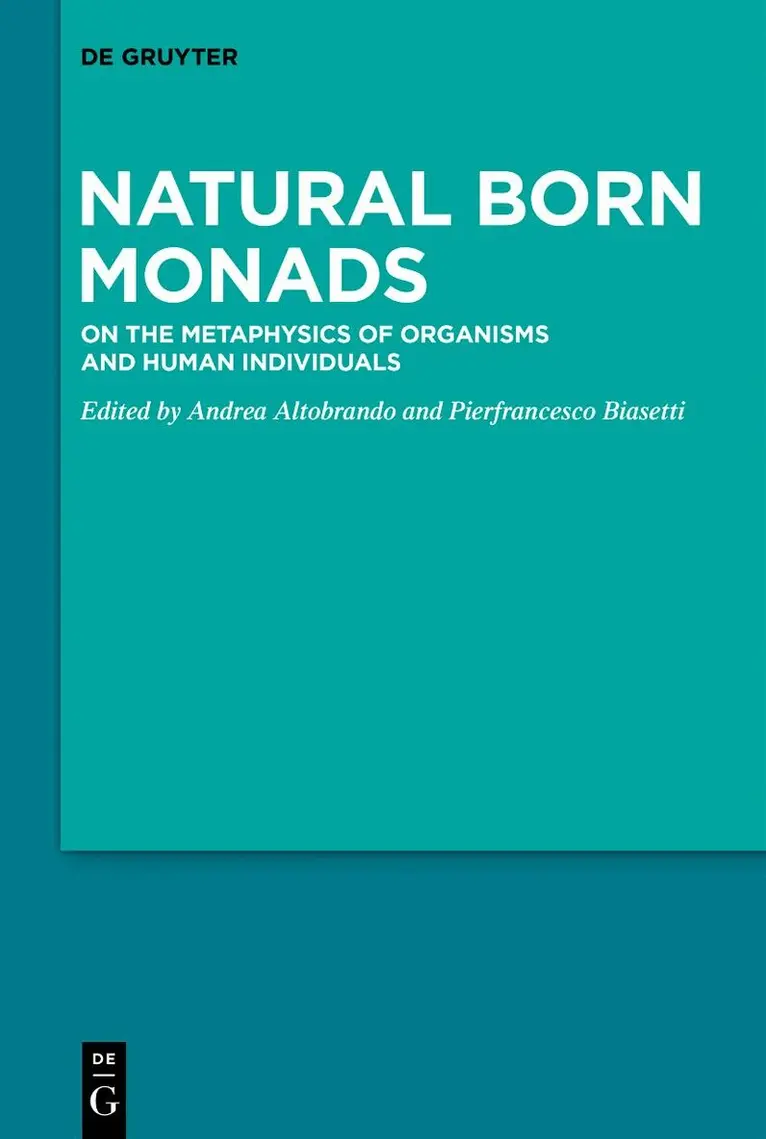
Natural Born Monads
On the Metaphysics of Organisms and Human Individuals
Av Andrea Altobrando, Pierfrancesco Biasetti
Häftad, 2022
300 kr
Lägg i varukorg
We are still looking for a satisfactory definition of what makes an individual being a human individual. The understanding of human beings in terms of organism does not seem to be satisfactory, because of its reductionistic flavor. It satisfies our need for autonomy and benefits our lives thanks to …