Piero Camporesi - Böcker
Visar alla böcker från författaren Piero Camporesi. Handla med fri frakt och snabb leverans.
8 produkter
8 produkter
Del 17 - Cambridge Studies in Oral and Literate Culture
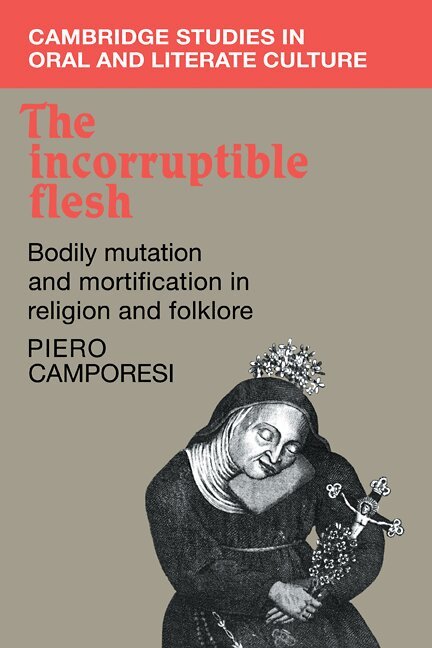
The Incorruptible Flesh
Bodily Mutation and Mortification in Religion and Folklore
Inbunden, Engelska, 2009
357 kr
Skickas inom 7-10 vardagar
What significance did the body have for the obsessively religious, superstitious, yet materially bound minds of the pre-industrial age? The human body was a constant prey to disease, plague, unhealthy living conditions, the evil effects of druggery and nutritional deficiency, yet the saints seemed to testify to the existence of life beyond this, to a tangible Garden of Eden where all suffering was reversed. The right to entry to this haven was also seen in corporeal terms. The practice of abstemiousness, self-inflicted torture, even the courting of humiliation could trigger visions of beatitude, of the longed-for paradise. In this extraordinary and often astounding book, Professor Camporesi traces these experiences back to various documents across the centuries and explores the juxtaposition of medicine and sorcery, cookery and surgery, pharmacy and alchemy. He opens the window on a fascinating and colourful, if at times violent, world: of levitating and gyrating saints, gardens full of candied fruits and crystalline fountains, amazing exorcisms and arcane medical practices.
813 kr
Skickas inom 5-8 vardagar
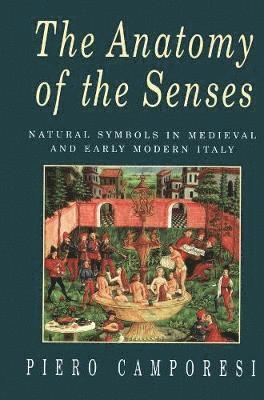
Piero Camporesi is one of the foremost historians of folklore and popular beliefs in Europe today. This book is a brilliant account of medieval and early modern attitudes to the cosmos in general and the human body in particular. Drawing on a large body of literature, Camporesi builds up a remarkable picture of the everyday beliefs and practices of medieval and early modern Italy. He examines the symbolism relating to food and the overtones of vampirism which have haunted the Christian sacraments. He discusses the eating habits of monks and hermits which were held up as a religious model for the community. He offers a striking analysis of medieval views of the body, and of humanity situated at the centre of the symbolic universe. Moving from the anatomical table to the kitchen table, he shows the similarities between the anatomist and the cook, both of whom worked with dead flesh, with corpses which had to be cut up, greased, severed, skinned, diced and gutted.
705 kr
Skickas inom 11-20 vardagar
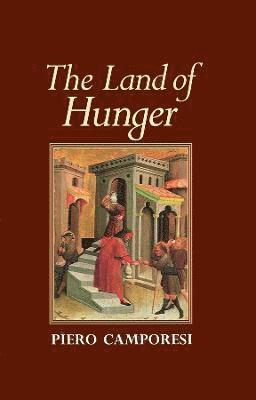
In this highly original book, Camporesi explores the two worlds of feast and famine in early modern Europe.The Land of Hunger is a graphic and engaging journey into the folk culture of early modern Europe. It will consolidate Camporesi’s reputation as one of the most original and imaginative historians of our time.
217 kr
Skickas inom 7-10 vardagar
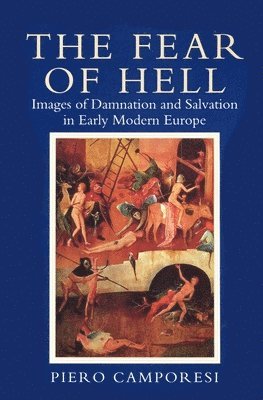
The Fear of Hell is a provocative study of two of the most powerful images in Christianity—hell and the eucharist. Drawing on the writings of Italian preachers and theologians of the Counter-Reformation, Piero Camporesi demonstrates the extraordinary power of the Baroque imagination to conjure up punishments, tortures, and the rewards of sin.Camporesi argues that hell was a very real part of everyday life during the sixteenth and seventeenth centuries. Preachers portrayed hell in images typical of common experience, comparing it to a great city, a hospital, a prison, etc.; the horror lay in the extremes to which these familiar images could be taken. The city of hell was not an ordinary city, but a filthy, stinking, and overcrowded place, an underworld ‘sewer’ overflowing with the refuse of decaying flesh and excrement—shocking but not beyond human imagination. What was most disturbing about this grotesque imagery was the realization by the people of the day that the punishment of afterlife was an extension of their daily experience in a fallen world.The eucharist, or host, represented corporeal salvation for early modern Christians and was therefore closely linked with the imagery of hell, the place of perpetual corporeal destruction. As the bread of life, the host possessed many miraculous powers of healing and sustenance, which made it precious to those in need. When received properly, the host was a source of health and life both in this world and in the world to come, though for those who ate the host unworthily there was the prospect of swift retribution.Written with style and imagination, The Fear of Hell offers a vivid account of themes central to Christian culture, whose influence can still be found in our beliefs and customs today.
251 kr
Skickas inom 7-10 vardagar
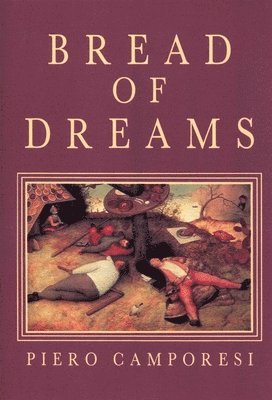
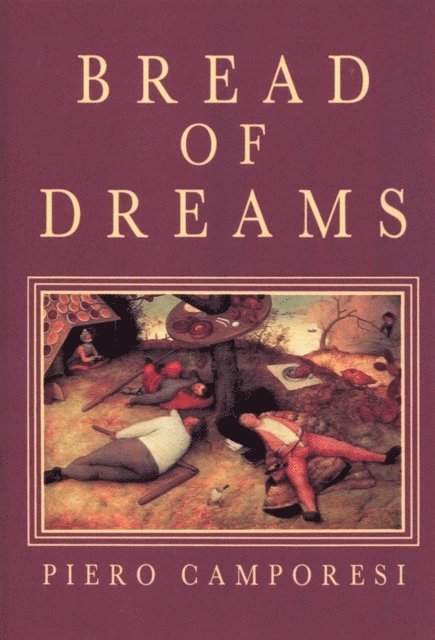
Piero Camporesi is one of the most original and exciting cultural historians in Europe today. In this remarkable book he examines the imaginative world of poor and ordinary people in pre-industrial Europe, exploring their everyday preoccupations, fears and fantasies.Camporesi develops the startling claim that many people in early modern Europe lived in a state of almost permanent hallucination, drugged by their hunger or by bread adulterated with hallucinogenic herbs. The use of opiate products, administered even to children and infants, was widespread and was linked to a popular mythology in which herbalists and exorcists were important cultural figures. Through a careful reconstruction of the everyday imaginative life of peasants, beggars and the poor, Camporesi presents a vivid and disconcerting image of early modern Europe as a vast laboratory of dreams.Bread of Dreams is a rich and engaging book which provides a fresh insight into the everyday life and attitudes of people in pre-industrial Europe. Camporesi's vision is breathtaking and his work will be much discussed among social and cultural historians. This edition includes a Preface by Roy Porter, Professor of the History of Medicine at the Wellcome Institute for the History of Medicine.
318 kr
Skickas inom 5-8 vardagar
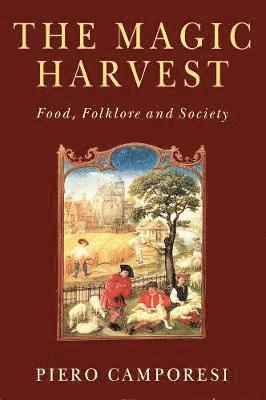
The Magic Harvest is a rich and wide-ranging account of the history of popular beliefs about food in Europe. Focusing on Italy, Camporesi examines the social symbolism of food, and its associated rituals. He shows how the act of eating at weddings and seasonal feasts was seen as a metaphor for copulation; how Christmas and Easter were marked by special cakes rich in eggs, symbolizing renewal; how bread was viewed as a magic talisman against the forces of darkness; and how the harvest was regarded as the offspring of a fertile Earth which yielded up its fruits. All this rich and varied symbolism, he suggests, has become an opaque enigma for us today.
237 kr
Skickas inom 11-20 vardagar
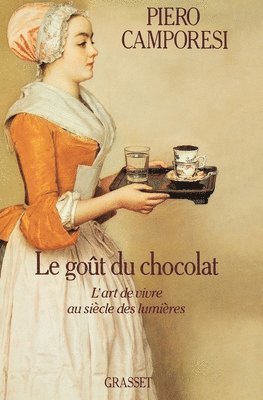
This is a concise and elegant account of the eating and drinking habits of the upper classes in the eighteenth century.
505 kr
Skickas inom 3-6 vardagar