Pierre Manent - Böcker
Visar alla böcker från författaren Pierre Manent. Handla med fri frakt och snabb leverans.
16 produkter
16 produkter
329 kr
Skickas inom 5-8 vardagar
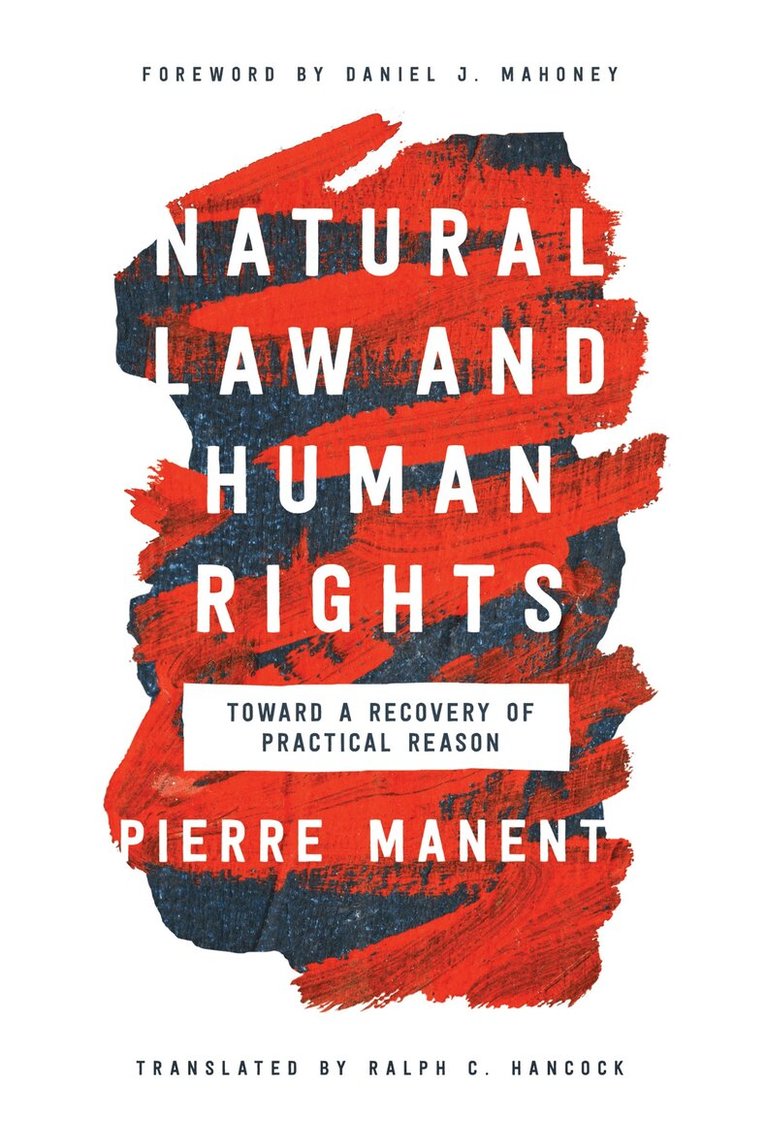
This first English translation of Pierre Manent's profound and strikingly original book La loi naturelle et les droits de l'homme is a reflection on the central question of the Western political tradition. In six chapters, developed from the prestigious Étienne Gilson lectures at the Institut Catholique de Paris, and in a related appendix, Manent contemplates the steady displacement of the natural law by the modern conception of human rights. He aims to restore the grammar of moral and political action, and thus the possibility of an authentically political order that is fully compatible with liberty. Manent boldly confronts the prejudices and dogmas of those who have repudiated the classical and Christian notion of "liberty under law" and in the process shows how groundless many contemporary appeals to human rights turn out to be. Manent denies that we can generate obligations from a condition of what Locke, Hobbes, and Rousseau call the "state of nature," where human beings are absolutely free, with no obligations to others. In his view, our ever-more-imperial affirmation of human rights needs to be reintegrated into what he calls an "archic" understanding of human and political existence, where law and obligation are inherent in liberty and meaningful human action. Otherwise we are bound to act thoughtlessly and in an increasingly arbitrary or willful manner. Natural Law and Human Rights will engage students and scholars of politics, philosophy, and religion, and will captivate sophisticated readers who are interested in the question of how we might reconfigure our knowledge of, and talk with one another about, politics.
260 kr
Skickas inom 10-15 vardagar
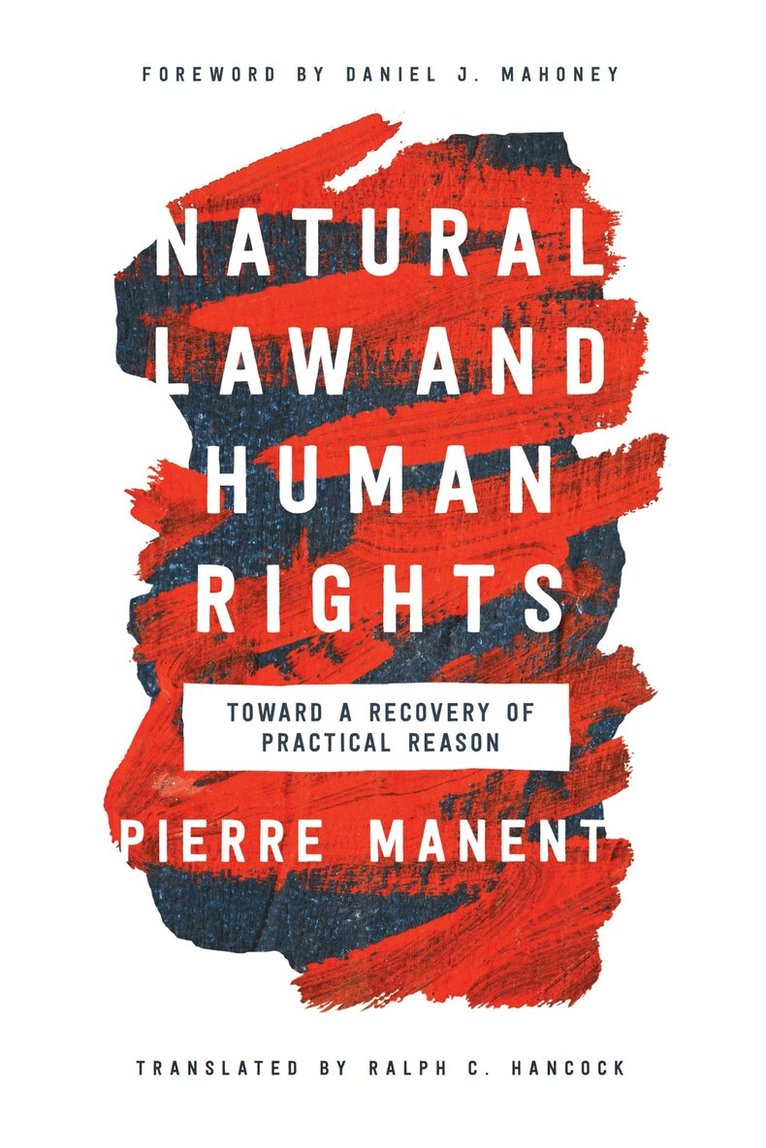
This first English translation of Pierre Manent's profound and strikingly original book La loi naturelle et les droits de l'homme is a reflection on the central question of the Western political tradition. In six chapters, developed from the prestigious Étienne Gilson lectures at the Institut Catholique de Paris, and in a related appendix, Manent contemplates the steady displacement of the natural law by the modern conception of human rights. He aims to restore the grammar of moral and political action, and thus the possibility of an authentically political order that is fully compatible with liberty. Manent boldly confronts the prejudices and dogmas of those who have repudiated the classical and Christian notion of "liberty under law" and in the process shows how groundless many contemporary appeals to human rights turn out to be. Manent denies that we can generate obligations from a condition of what Locke, Hobbes, and Rousseau call the "state of nature," where human beings are absolutely free, with no obligations to others. In his view, our ever-more-imperial affirmation of human rights needs to be reintegrated into what he calls an "archic" understanding of human and political existence, where law and obligation are inherent in liberty and meaningful human action. Otherwise we are bound to act thoughtlessly and in an increasingly arbitrary or willful manner. Natural Law and Human Rights will engage students and scholars of politics, philosophy, and religion, and will captivate sophisticated readers who are interested in the question of how we might reconfigure our knowledge of, and talk with one another about, politics.
578 kr
Skickas inom 5-8 vardagar
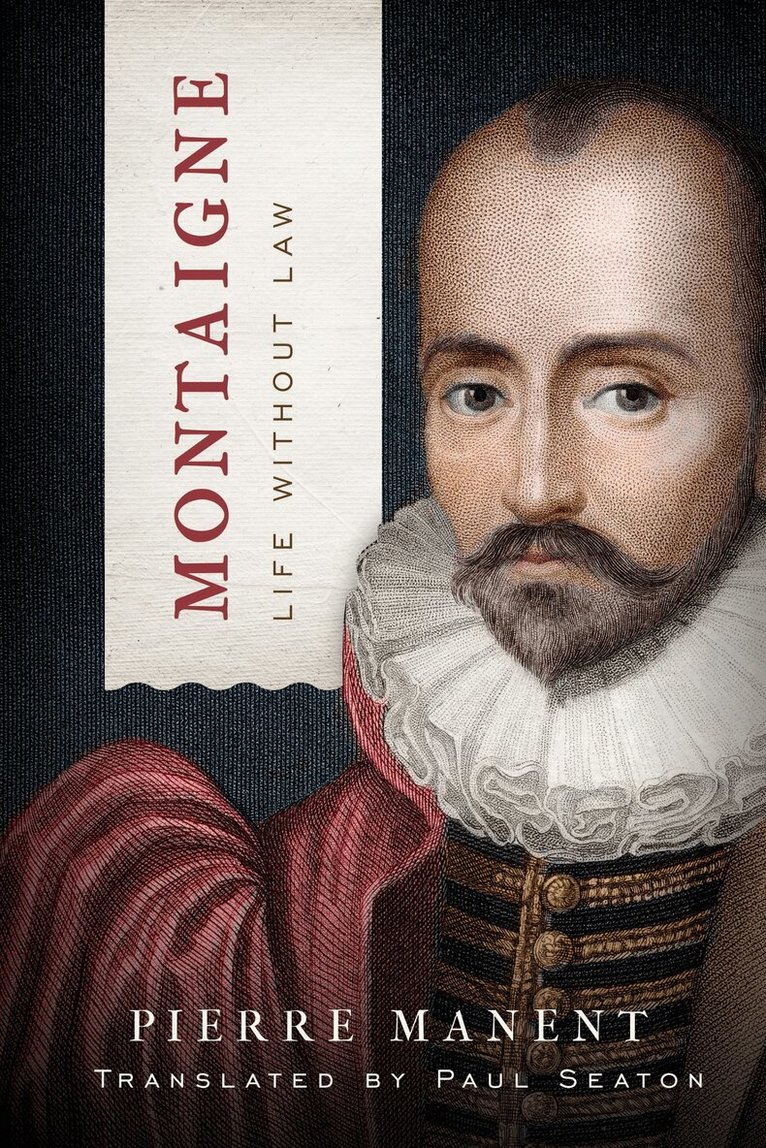
In Montaigne: Life without Law, originally published in French in 2014 and now translated for the first time into English by Paul Seaton, Pierre Manent provides a careful reading of Montaigne's three-volume work Essays. Although Montaigne's writings resist easy analysis, Manent finds in them a subtle unity, and demonstrates the philosophical depth of Montaigne's reflections and the distinctive, even radical, character of his central ideas. To show Montaigne's unique contribution to modern philosophy, Manent compares his work to other modern thinkers, including Machiavelli, Hobbes, Pascal, and Rousseau. What does human life look like without the imposing presence of the state? asks Manent. In raising this question about Montaigne's Essays, Manent poses a question of great relevance to our contemporary situation. He argues that Montaigne's philosophical reflections focused on what he famously called la condition humaine, the human condition. Manent tracks Montaigne's development of this fundamental concept, focusing especially on his reworking of pagan and Christian understandings of virtue and pleasure, disputation and death. Bringing new form and content together, a new form of thinking and living is presented by Montaigne's Essays, a new model of a thoughtful life from one of the unsung founders of modernity.Throughout, Manent suggests alternatives and criticisms, some by way of contrasts with other thinkers, some in his own name. This is philosophical engagement at a very high level. In showing the unity of Montaigne's work, Manent's study will appeal especially to students and scholars of political theory, the history of modern philosophy, modern literature, and the origins of modernity.
367 kr
Skickas inom 10-15 vardagar
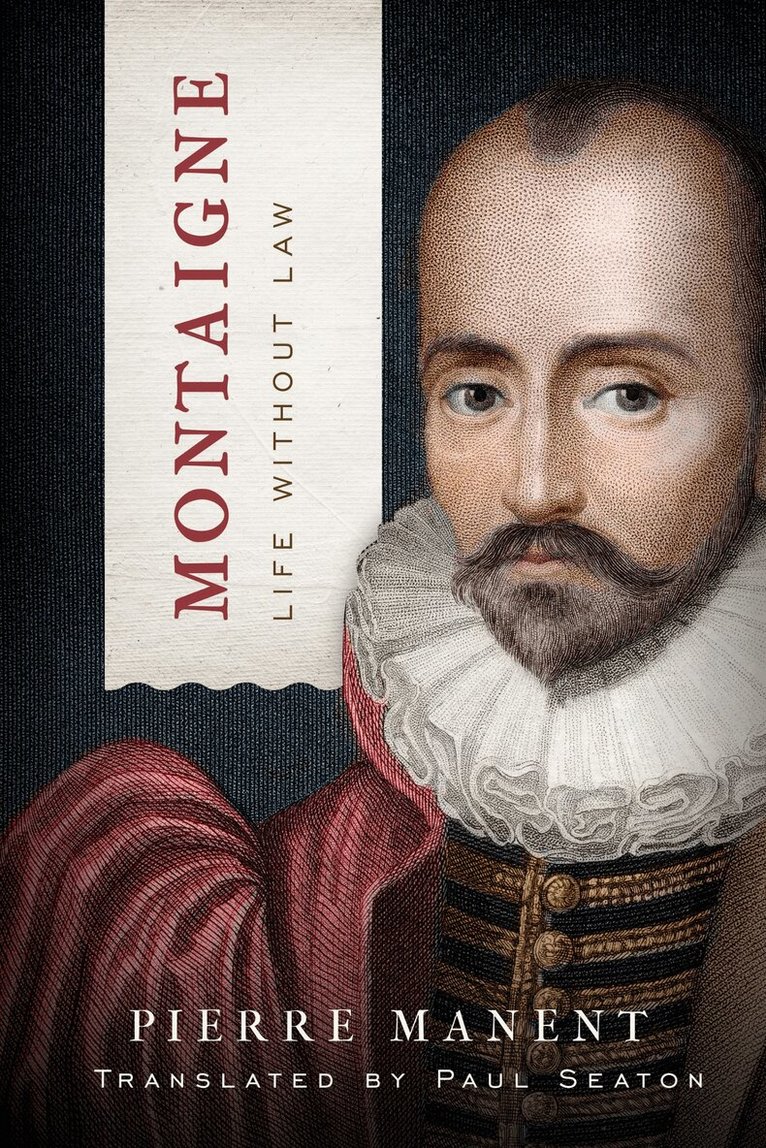
In Montaigne: Life without Law, originally published in French in 2014 and now translated for the first time into English by Paul Seaton, Pierre Manent provides a careful reading of Montaigne's three-volume work Essays. Although Montaigne's writings resist easy analysis, Manent finds in them a subtle unity, and demonstrates the philosophical depth of Montaigne's reflections and the distinctive, even radical, character of his central ideas. To show Montaigne's unique contribution to modern philosophy, Manent compares his work to other modern thinkers, including Machiavelli, Hobbes, Pascal, and Rousseau. What does human life look like without the imposing presence of the state? asks Manent. In raising this question about Montaigne's Essays, Manent poses a question of great relevance to our contemporary situation. He argues that Montaigne's philosophical reflections focused on what he famously called la condition humaine, the human condition. Manent tracks Montaigne's development of this fundamental concept, focusing especially on his reworking of pagan and Christian understandings of virtue and pleasure, disputation and death. Bringing new form and content together, a new form of thinking and living is presented by Montaigne's Essays, a new model of a thoughtful life from one of the unsung founders of modernity.Throughout, Manent suggests alternatives and criticisms, some by way of contrasts with other thinkers, some in his own name. This is philosophical engagement at a very high level. In showing the unity of Montaigne's work, Manent's study will appeal especially to students and scholars of political theory, the history of modern philosophy, modern literature, and the origins of modernity.
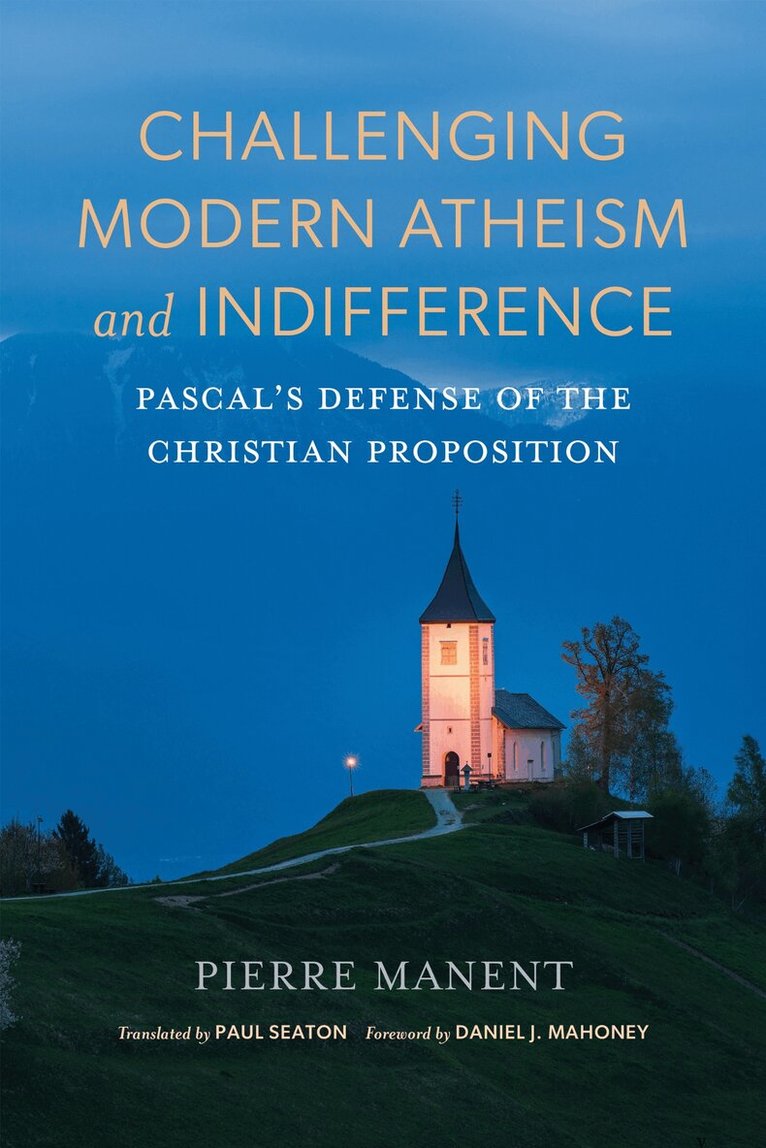
Challenging Modern Atheism and Indifference
Pascal's Defense of the Christian Proposition
Inbunden, Engelska, 2025
461 kr
Skickas inom 10-15 vardagar
Challenging Modern Atheism and Indifference is the first English translation of Pierre Manent's penetrating engagement with the seventeenth century polymath and apologist for the Christian faith, Blaise Pascal.Blaise Pascal (1623–1662) was the first Christian apologist to address modern human beings on their own terms and present a defense of the Christian religion that still resonates today. A major publishing and intellectual event in France when it first appeared in 2022, Challenging Modern Atheism and Indifference is Pierre Manent's investigation of Pascal's exploration of Christianity in the wake of a sharp atheistic turn at the dawn of the modern state and modern science. Comprehensive in scope and profound in treatment, this engagement with all of Pascal's writings, including his famous Pensées, appeals to the reader's head and heart. Manent emphasizes the joy that comes from engaging the truth of faith, and he argues that we are diminished by forgetting the unique and distinctive contributions of Christianity.More than brilliant exegesis, Manent enlists Pascal in a much greater endeavor: to make what he calls "the Christian proposition" concerning God and man intelligible to Europeans who have made it their business to ignore the religion that founded Europe and the larger Western world.
491 kr
Skickas inom 10-15 vardagar
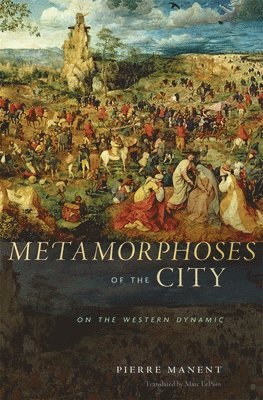
What is the best way to govern ourselves? The history of the West has been shaped by the struggle to answer this question, according to Pierre Manent. A major achievement by one of Europe's most influential political philosophers, Metamorphoses of the City is a sweeping interpretation of Europe's ambition since ancient times to generate ever better forms of collective self-government, and a reflection on what it means to be modern.Manent's genealogy of the nation-state begins with the Greek city-state, the polis. With its creation, humans ceased to organize themselves solely by family and kinship systems and instead began to live politically. Eventually, as the polis exhausted its possibilities in warfare and civil strife, cities evolved into empires, epitomized by Rome, and empires in turn gave way to the universal Catholic Church and finally the nation-state. Through readings of Aristotle, Augustine, Montaigne, and others, Manent charts an intellectual history of these political forms, allowing us to see that the dynamic of competition among them is a central force in the evolution of Western civilization.Scarred by the legacy of world wars, submerged in an increasingly technical transnational bureaucracy, indecisive in the face of proliferating crises of representative democracy, the European nation-state, Manent says, is nearing the end of its line. What new metamorphosis of the city will supplant it remains to be seen.
376 kr
Skickas inom 7-10 vardagar
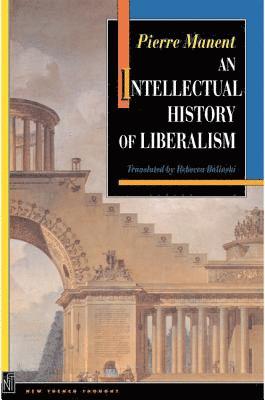
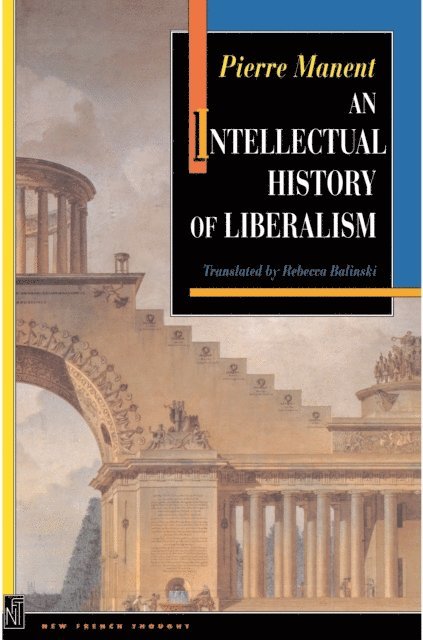
Highlighting the social tensions that confront the liberal tradition, Pierre Manent draws a portrait of what we, citizens of modern liberal democracies, have become. For Manent, a discussion of liberalism encompasses the foundations of modern society, its secularism, its individualism, and its conception of rights. The frequent incapacity of the morally neutral, democratic state to further social causes, he argues, derives from the liberal stance that political life does not serve a higher purpose. Through quick-moving, highly synthetic essays, he explores the development of liberal thinking in terms of a single theme: the decline of theological politics. The author traces the liberal stance to Machiavelli, who, in seeking to divorce everyday life from the pervasive influence of the Catholic church, separated politics from all notions of a cosmological order. What followed, as Manent demonstrates in his analyses of Locke, Hobbes, Rousseau, Guizot, and Constant, was the evolving concept of an individual with no goals outside the confines of the self and a state with no purpose but to prevent individuals from dominating one another.Weighing both the positive and negative effects of such a political arrangement, Manent raises important questions about the fundamental political issues of the day, among them the possibility of individual rights being reconciled with the necessary demands of political organization, and the desirability of a government system neutral about religion but not about public morals.
423 kr
Skickas inom 7-10 vardagar
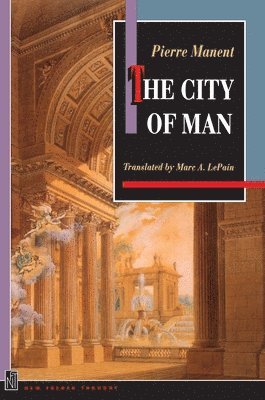
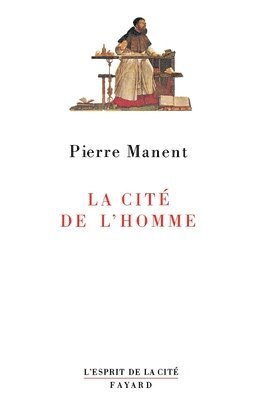
The "City of God" or the "City of Man"? This is the choice St. Augustine offered 1500 years ago--and according to Pierre Manent the modern West has decisively and irreversibly chosen the latter. In this subtle and wide-ranging book on the Western intellectual and political condition, Manent argues that the West has rejected the laws of God and of nature in a quest for human autonomy. But in declaring ourselves free and autonomous, he contends, we have, paradoxically, lost a sense of what it means to be human. In the first part of the book, Manent explores the development of the social sciences since the seventeenth century, portraying their growth as a sign of increasing human "self-consciousness." But as social scientists have sought to free us from the intellectual confines of the ancient world, he writes, they have embraced modes of analysis--economic, sociological, and historical--that treat only narrow aspects of the human condition and portray individuals as helpless victims of impersonal forces. As a result, we have lost all sense of human agency and of the unified human subject at the center of intellectual study.Politics and culture have come to be seen as mere foam on the tides of historical and social necessity. In the second half of the book, titled "Self-Affirmation," Manent examines how the West, having discovered freedom, then discovered arbitrary will and its dangers. With no shared touchstones or conceptions of virtue, for example, we have found it increasingly hard to communicate with each other. This is a striking contrast to the past, he writes, when even traditions as different as the Classical and the Christian held many of these conceptions in common. The result of these discoveries, according to Manent, is the disturbing rootlessness that characterizes our time. By gaining autonomy from external authority, we have lost a sense of what we are. In "giving birth" to ourselves, we have abandoned that which alone can nurture and sustain us. With penetrating insight and remarkable erudition, Manent offers a profound analysis of the confusions and contradictions at the heart of the modern condition.
596 kr
Skickas inom 7-10 vardagar
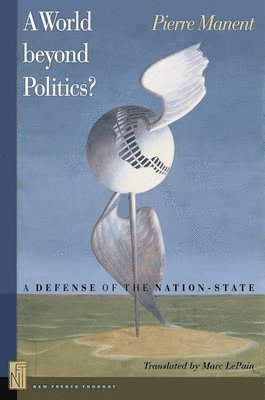
We live in the grip of a great illusion about politics, Pierre Manent argues in A World beyond Politics? It's the illusion that we would be better off without politics--at least national politics, and perhaps all politics. It is a fantasy that if democratic values could somehow detach themselves from their traditional national context, we could enter a world of pure democracy, where human society would be ruled solely according to law and morality. Borders would dissolve in unconditional internationalism and nations would collapse into supranational organizations such as the European Union. Free of the limits and sins of politics, we could finally attain the true life. In contrast to these beliefs, which are especially widespread in Europe, Manent reasons that the political order is the key to the human order. Human life, in order to have force and meaning, must be concentrated in a particular political community, in which decisions are made through collective, creative debate. The best such community for democratic life, he argues, is still the nation-state.Following the example of nineteenth-century political philosophers such as Alexis de Tocqueville and John Stuart Mill, Manent first describes a few essential features of democracy and the nation-state, and then shows how these characteristics illuminate many aspects of our present political circumstances. He ends by arguing that both democracy and the nation-state are under threat--from apolitical tendencies such as the cult of international commerce and attempts to replace democratic decisions with judicial procedures.
274 kr
Skickas inom 7-10 vardagar
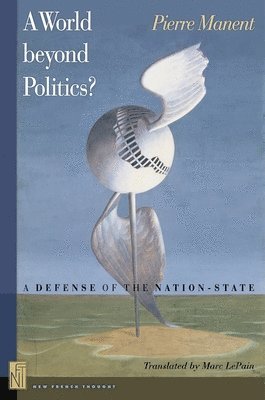
We live in the grip of a great illusion about politics, Pierre Manent argues in A World beyond Politics? It's the illusion that we would be better off without politics--at least national politics, and perhaps all politics. It is a fantasy that if democratic values could somehow detach themselves from their traditional national context, we could enter a world of pure democracy, where human society would be ruled solely according to law and morality. Borders would dissolve in unconditional internationalism and nations would collapse into supranational organizations such as the European Union. Free of the limits and sins of politics, we could finally attain the true life. In contrast to these beliefs, which are especially widespread in Europe, Manent reasons that the political order is the key to the human order. Human life, in order to have force and meaning, must be concentrated in a particular political community, in which decisions are made through collective, creative debate. The best such community for democratic life, he argues, is still the nation-state.Following the example of nineteenth-century political philosophers such as Alexis de Tocqueville and John Stuart Mill, Manent first describes a few essential features of democracy and the nation-state, and then shows how these characteristics illuminate many aspects of our present political circumstances. He ends by arguing that both democracy and the nation-state are under threat--from apolitical tendencies such as the cult of international commerce and attempts to replace democratic decisions with judicial procedures.
581 kr
Skickas inom 10-15 vardagar
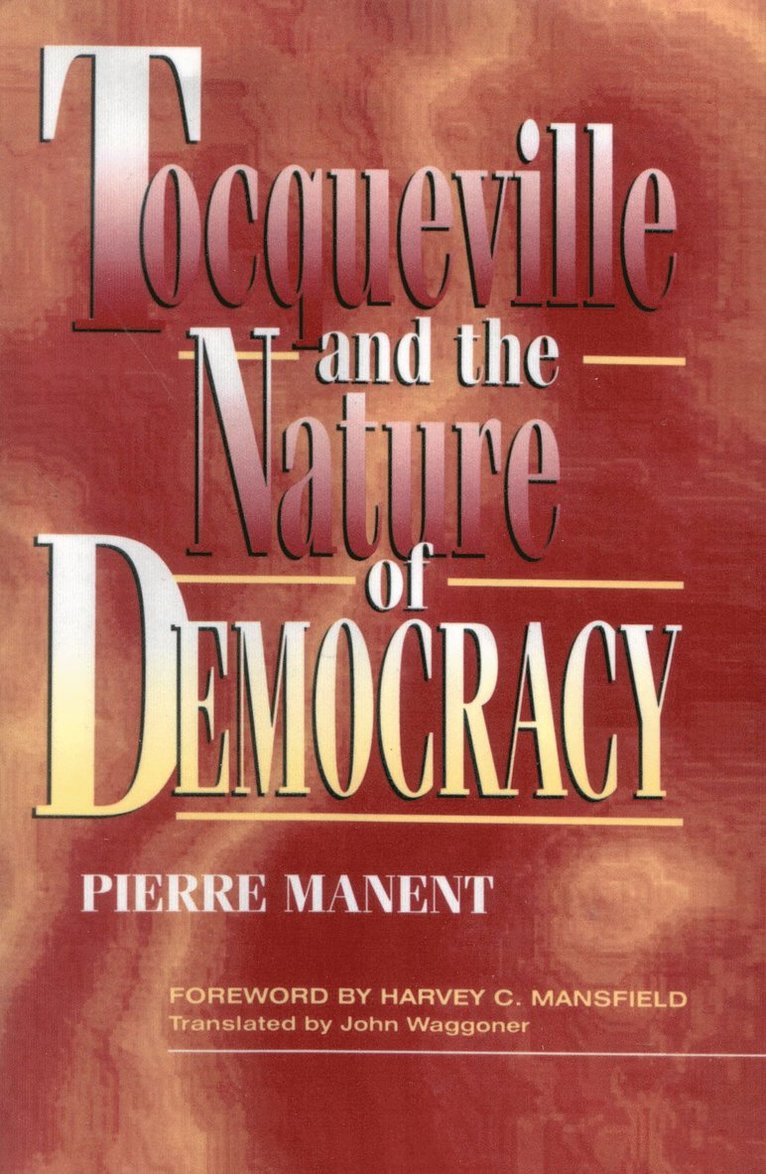
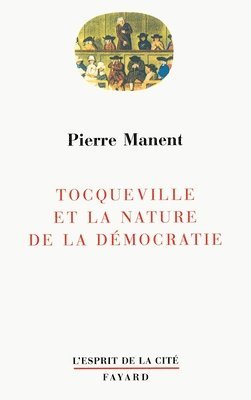
One of France's leading and most controversial political thinkers explores the central themes of Tocqueville's writings: the democratic revolution and the modern passion for equality. What becomes of people when they are overcome by this passion and how does it transform the contents of life? Pierre Manent's analysis concludes that the growth of state power and the homogenization of society are two primary consequences of equalizing conditions. The author shows the contemporary relevance of Tocqueville's teaching: to love democracy well, one must love it moderately. Manent examines the prophetic nature of Tocqueville's writings with breadth, clarity, and depth. His findings are both timely and highly relevant as people in Eastern Europe and around the world are grappling with the fragile, complicated, and frequently contradictory nature of democracy. This book is essential reading for students and scholars of political theory and political philosophy, as well as general readers interested in the nature of modern democracy.
581 kr
Skickas inom 10-15 vardagar
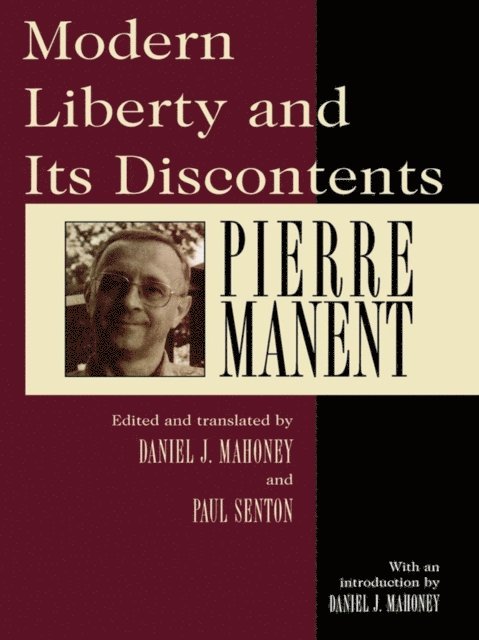
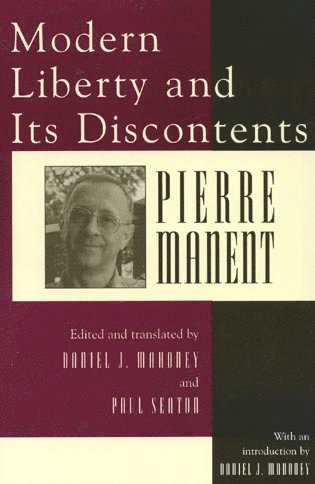
In this book, distinguished French philosopher Pierre Manent addresses a wide range of subjects, including the Machiavellian origins of modernity, Tocqueville's analysis of democracy, the political role of Christianity, the nature of totalitarianism, and the future of the nation-state. As a whole, the book constitutes a meditation on the nature of modern freedom and the permanent discontents which accompany it. Manent is particularly concerned with the effects of modern democracy on the maintenance and sustenance of substantial human ties. Modern Liberty and its Discontents is both an important contribution to an understanding of modern society, and a significant contribution to political philosophy in its own right.
Beyond Radical Secularism – How France and the Christian West Should Respond to the Islamic Challenge
Inbunden, Engelska, 2016
196 kr
Skickas inom 7-10 vardagar
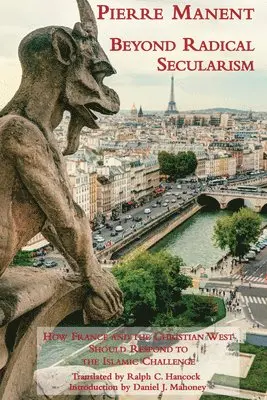
This is the book that took France by storm upon its publication in the fall of 2015. It was praised by some for its rare combination of tough-mindedness and moderation and attacked by others for suggesting that radical secularism could not provide the political and spiritual resources to address the Islamic challenge. The book is even more relevant after the Parisian terror attacks of November 13, 2015. It is a book that combines permanence and relevance, that addresses a pressing political and civilizational problem in a manner that will endure.Responding to the brutal terror attacks in France in January 2015, Pierre Manent has written a learned, passionate essay that reflects broadly and deeply on the political and religious situation of France and Europe. He freely acknowledges that the West is at war with fanatics who despise liberal and Christian civilization. That war must be conducted with prudent tough-mindedness. At the same time, serious thought must be given to the Islamic question at home and abroad. Concentrating on the French situation, Manent suggests that French Muslims are not entering an “empty” nation, defined by radical secularism and human rights alone. France has a secular state, as do all the nations of the contemporary West. That is a heritage to be cherished. But the Islamic question will not be “solved” by transforming Muslims into modern secularists devoid of all religious sensibility. It must be remembered that France is also nation of a “Christian mark” with a strong Jewish presence, both of which enrich its spiritual and political life. Manent proposes a “social contract” with France’s Muslims that is at once firm and welcoming. Rejecting radical secularism, the effort by certain “laicists” to completely secularize European society, to create a society without religion, Manent calls for a defensive policy that will allow Muslims to keep their mores, save the integral veil and polygamy. In exchange, they must accept the fact that they live in a society of a Christian mark and they must stop hiding behind charges of Islamophobia. In liberal and Christian Europe, there must be total freedom of criticism, including criticism of the Islamic religion. Muslims must forgo funding from Arab Islamic states (not to mention extremist movements) and must recognize they are henceforth participants in the common life of the French nation. They must become citizens in a nation that does more than defend individual or communal rights, as crucial as those rights are.Beyond Radical Secularism also provides a luminous reflection on the necessary coexistence of the liberal state and a nation of a Jewish and Christian mark in a Western liberty worthy of the name. Europeans have succumbed to passivity in no small part because they reject the nation which is the indispensable framework of democratic self-government. They no longer have confidence in human action, in the elemental human capacity “to put reasons and actions in common.” That faith in individual and collective action ultimately depends on belief in “the primacy of the Good,” or in theological terms, in faith in a benevolent and Providential God. The West at its best combined the pride of the citizen and the humility of the believer. Europeans—and Americans, too—governed themselves in a “certain relation to the Christian proposition.” The nation was the instrument par excellence for combining the cardinal virtues—courage, prudence, justice, moderation—and the confidence which is specific to the Christian religion. A capacious sense of Europe and the West, one that acknowledges its Christian and Jewish mark, is ultimately necessary to face the Islamic challenge. The Jewish idea of the Covenant provides a powerful reminder of the ultimate ground of democratic self-government and of deliberation and action that respect limits while acknowledging the full range of human possibilities in a world where the good is not ultimately without transcendent support. Only by recovering something of the European faith in a higher ground of freedom will the nations of Europe be able to muster the realism and the hope necessary meet the challenge of Islam.
321 kr
Skickas inom 7-10 vardagar
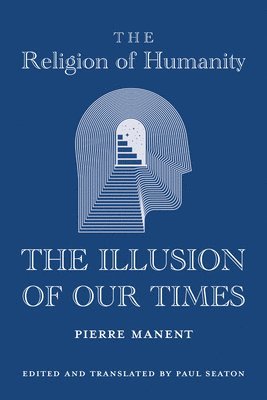
"Is not modern democracy the finally-found form of the religion of Humanity?" (2007)The Religion of Humanity: The Illusion of Our Time is the first anthology in any language of the writings of the contemporary French political philosopher, Pierre Manent, on “the religion of Humanity.” The striking phrase comes from nineteenth-century French thinker, Auguste Comte (1798–1857). Comte coined the phrase and indeed created an atheistic religion of a self-adoring Humanity. In the aftermath of the Cold War, Manent observed victorious democracy interpreting itself in a similar framework. He took it upon himself to track this development, analyze it, and warn his fellow Europeans of its deleterious political, intellectual, moral, and spiritual effects. With conceptual precision and (most often) a sober tone, many contemporary sacred cows were gored. But in addition to cursing the humanitarian darkness, he also lit many candles of judicious political, philosophical, moral, and spiritual analysis. This anthology is thus almost unique in its subject matter, and certainly unique in its treatment of the subject. It is a rarity and gem: a first-rate work of political philosophy.
137 kr
Skickas inom 5-8 vardagar
678 kr
Skickas inom 3-6 vardagar