Pieter C. van den Toorn - Böcker
Visar alla böcker från författaren Pieter C. van den Toorn. Handla med fri frakt och snabb leverans.
5 produkter
5 produkter
594 kr
Skickas inom 3-6 vardagar
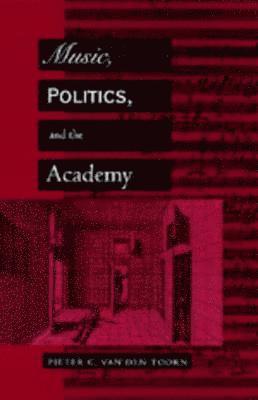
Advocates of 'new musicology' claim that technical methods of music analysis are conservative, elitist, positivist, and emotionally arid. Pieter C. van den Toorn challenges those claims, asking why cultural, sociopolitical, or gender-studies approaches to music should be deemed more democratic or expressive of music's content or impact. Why should music analysis be thought incapable of serving larger aesthetic ends? Van den Toorn confronts Susan McClary, Leo Treitler, and Joseph Kerman in particular, arguing that hands-on music analysis can penetrate the complexity of music and speak to our experience of it. He criticizes new musicologists for retreating from issues of musical immediacy by focusing on cultural issues. In later chapters van den Toorn defends Schenkerian methods and demonstrates the usefulness of technical analysis in the appreciation of Beethoven, Debussy, Schoenberg, and Stravinsky.
848 kr
Skickas inom 7-10 vardagar
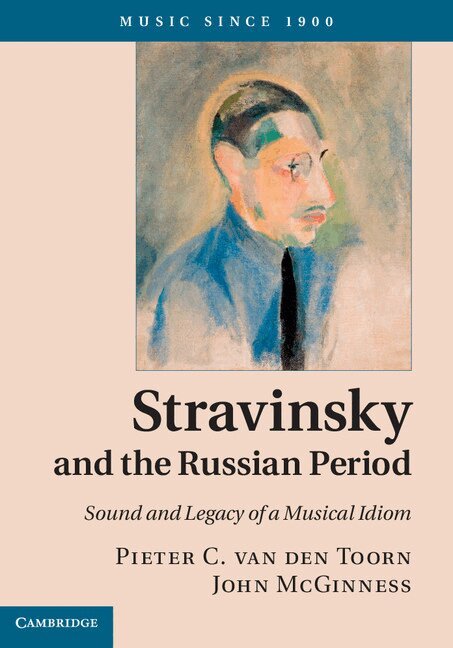
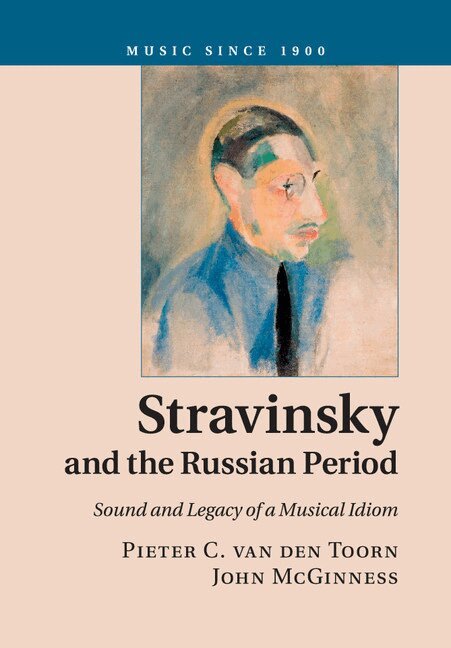
Van den Toorn and McGinness take a fresh look at the dynamics of Stravinsky's musical style from a variety of analytical, critical and aesthetic angles. Starting with processes of juxtaposition and stratification, the book offers an in-depth analysis of works such as The Rite of Spring, Les Noces and Renard. Characteristic features of style, melody and harmony are traced to rhythmic forces, including those of metrical displacement. Along with Stravinsky's formalist aesthetics, the strict performing style he favoured is also traced to rhythmic factors, thus reversing the direction of the traditional causal relationship. Here, aesthetic belief and performance practice are seen as flowing directly from the musical invention. The book provides a counter-argument to the criticism and aesthetics of T. W. Adorno and Richard Taruskin, and will appeal to composers, critics and performers as well as scholars of Stravinsky's music.
496 kr
Skickas inom 7-10 vardagar
Van den Toorn and McGinness take a fresh look at the dynamics of Stravinsky's musical style from a variety of analytical, critical and aesthetic angles. Starting with processes of juxtaposition and stratification, the book offers an in-depth analysis of works such as The Rite of Spring, Les Noces and Renard. Characteristic features of style, melody and harmony are traced to rhythmic forces, including those of metrical displacement. Along with Stravinsky's formalist aesthetics, the strict performing style he favoured is also traced to rhythmic factors, thus reversing the direction of the traditional causal relationship. Here, aesthetic belief and performance practice are seen as flowing directly from the musical invention. The book provides a counter-argument to the criticism and aesthetics of T. W. Adorno and Richard Taruskin, and will appeal to composers, critics and performers as well as scholars of Stravinsky's music.
758 kr
Skickas inom 10-15 vardagar
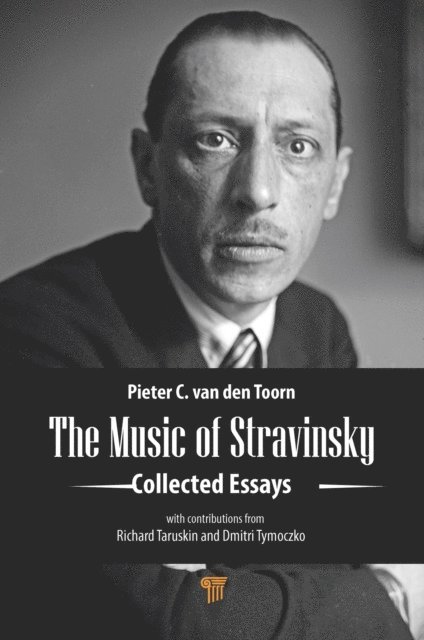
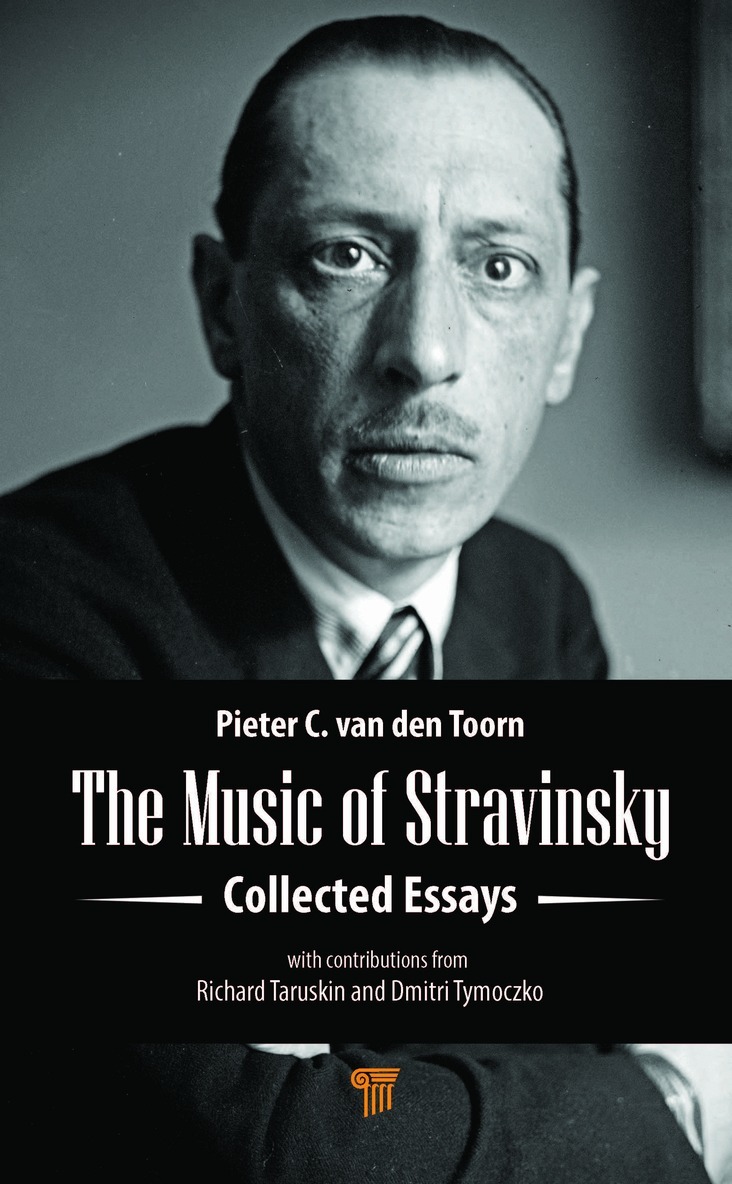
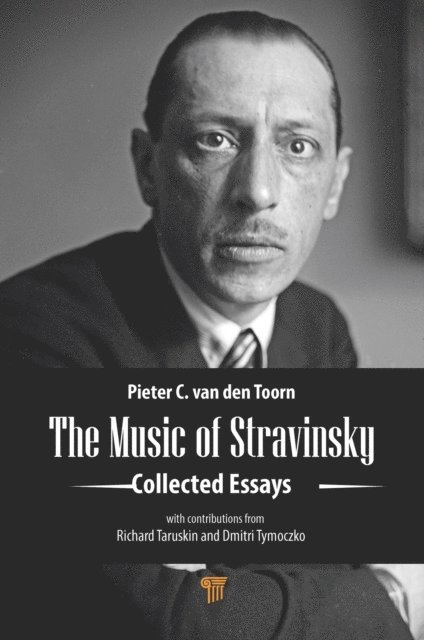
The most celebrated of Western composers in the twentieth century, Igor Stravinsky may have been the greatest as well. Stretching across forty or so years, the essays in this volume address the dynamics of Igor Stravinsky’s music from a variety of analytical, critical, and aesthetic angles. Underscored are the features of melody, harmony, rhythm, and form that would remain consistently a part of Stravinsky’s oeuvre regardless of the changes in orientation from the Russian period to the neoclassical and the early serial. The Rite of Spring (1913), Les Noces (1917–23), the Symphony of Psalms (1930), and the Symphony in Three Movements (1945) are discussed in detail, as are many of the circumstances attending their conception. Other concerns include the composer’s "formalist" aesthetics and the strict performing style he pursued as an interpreter and conductor of his music.
869 kr
Skickas inom 10-15 vardagar
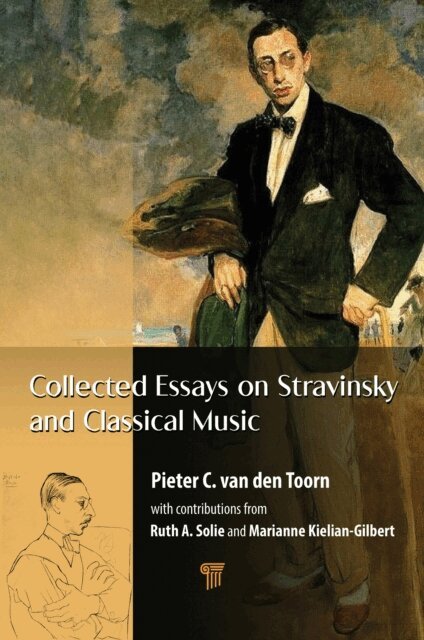
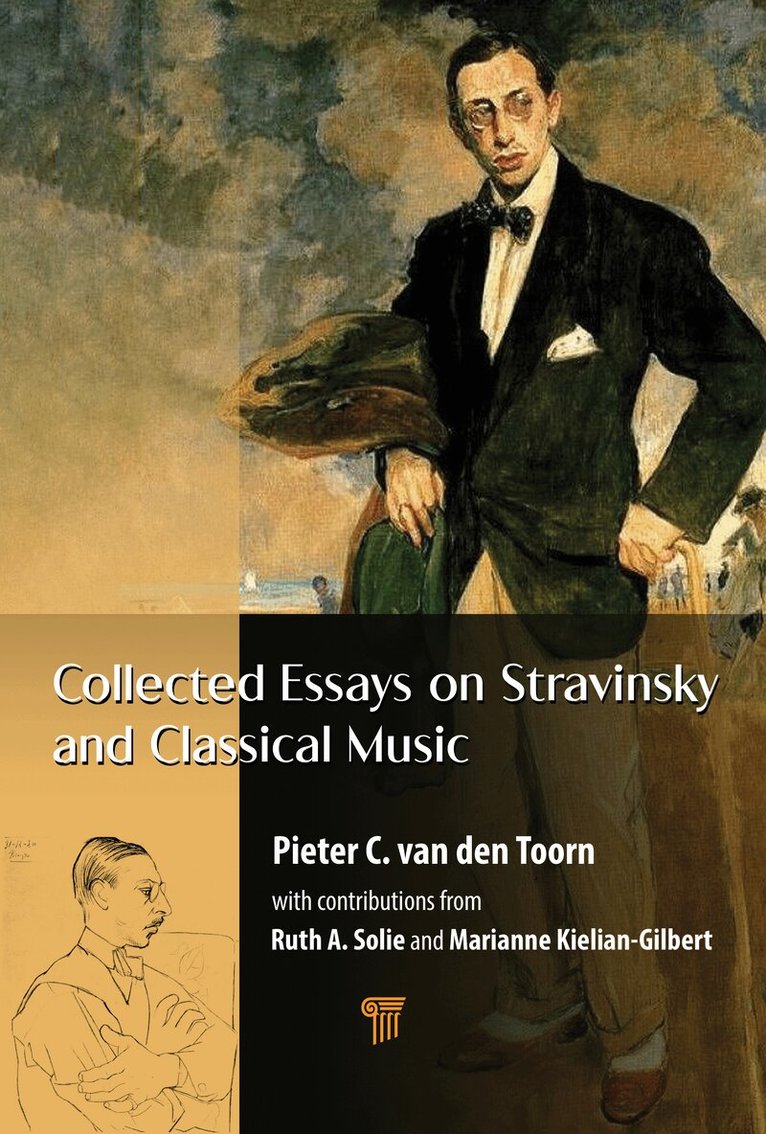
The most celebrated of 20th-century composers, Igor Stravinsky may also have been the greatest. The early chapters in this volume address the dynamics of his music from a number of analytic-theoretical perspectives. Examined initially are the features of harmony, melody, and rhythm that would remain characteristic of his music regardless of the changes in stylistic orientation. Chapter 2 turns more specifically to the Stravinsky–Balanchine ballet Agon, an essay published here for the first time. The subsequent chapters focus on The Rite of Spring. The critical commentary of Theodor Adorno and Richard Taruskin is assessed, as is Matthew McDonald’s attempt to derive the irregular rhythmic patterns in The Rite from “intervallic series.” The topics in the latter chapters are aesthetic and critical as well as analytical: the New Musicology of the 1980s and 1990s, the use of overtly political and feminist ideas in the analysis of Beethoven’s music, the “relative autonomy” of music, and the pluralism of 20th-century music. Heinrich Schenker’s theory of tonal music is discussed and defended against many of its critics, past and present, while Ruth A. Solie and Marianne Kielian-Gilbert respond critically to these and many other issues, adding variety and life to the inquiry as a whole.