Pınar Akman – författare
Visar alla böcker från författaren Pınar Akman. Handla med fri frakt och snabb leverans.
6 produkter
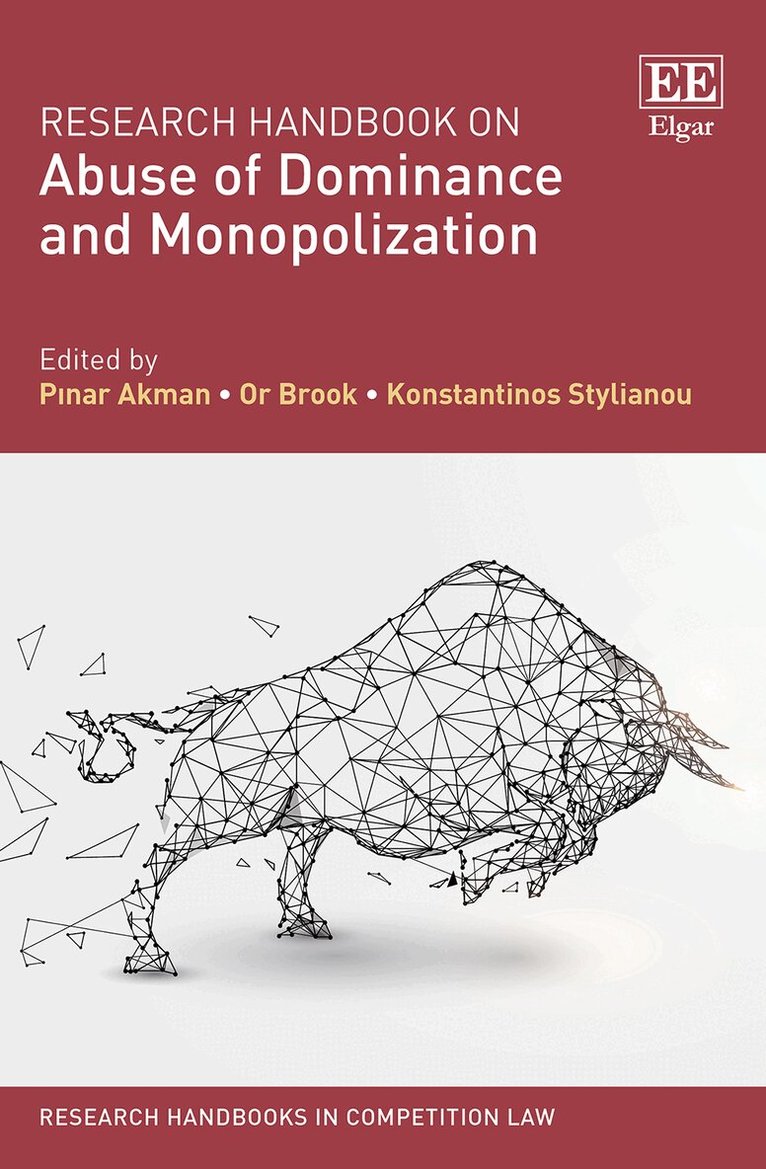
Research Handbook on Abuse of Dominance and Monopolization
Av Pınar Akman, Or Brook m. fl.
Inbunden, 2023
3582 kr
Lägg i varukorg
This Research Handbook offers a comprehensive and state-of-the-art collection on the competition law (antitrust) prohibition of abuse of a dominant position and monopolization. It draws from the long and influential traditions of leading jurisdictions such as the European Union and the United …
Research Handbook on Abuse of Dominance and Monopolization
Av Konstantinos Stylianou, Or Brook m. fl.
E-bok, 2023
810 kr
Lägg i varukorg
This Research Handbook offers a comprehensive and state-of-the-art collection on the competition law (antitrust) prohibition of abuse of a dominant position and monopolization. It draws from the long and influential traditions of leading jurisdictions such as the European Union and the United …
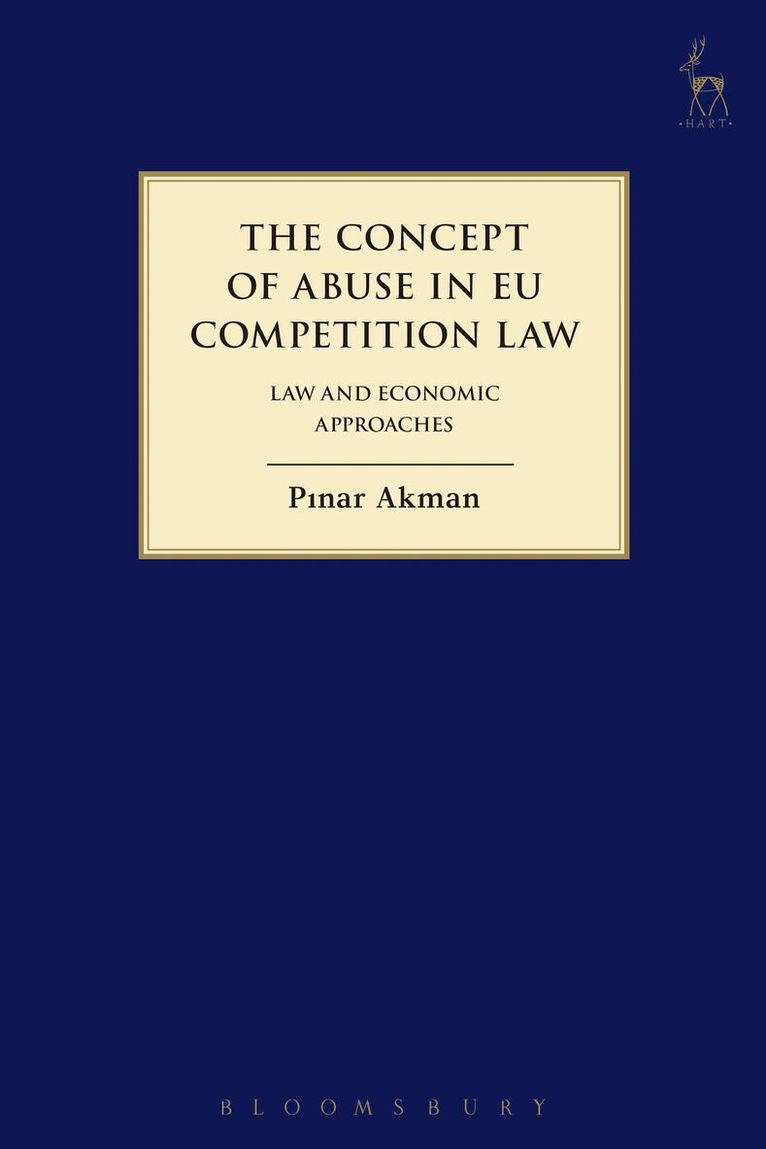
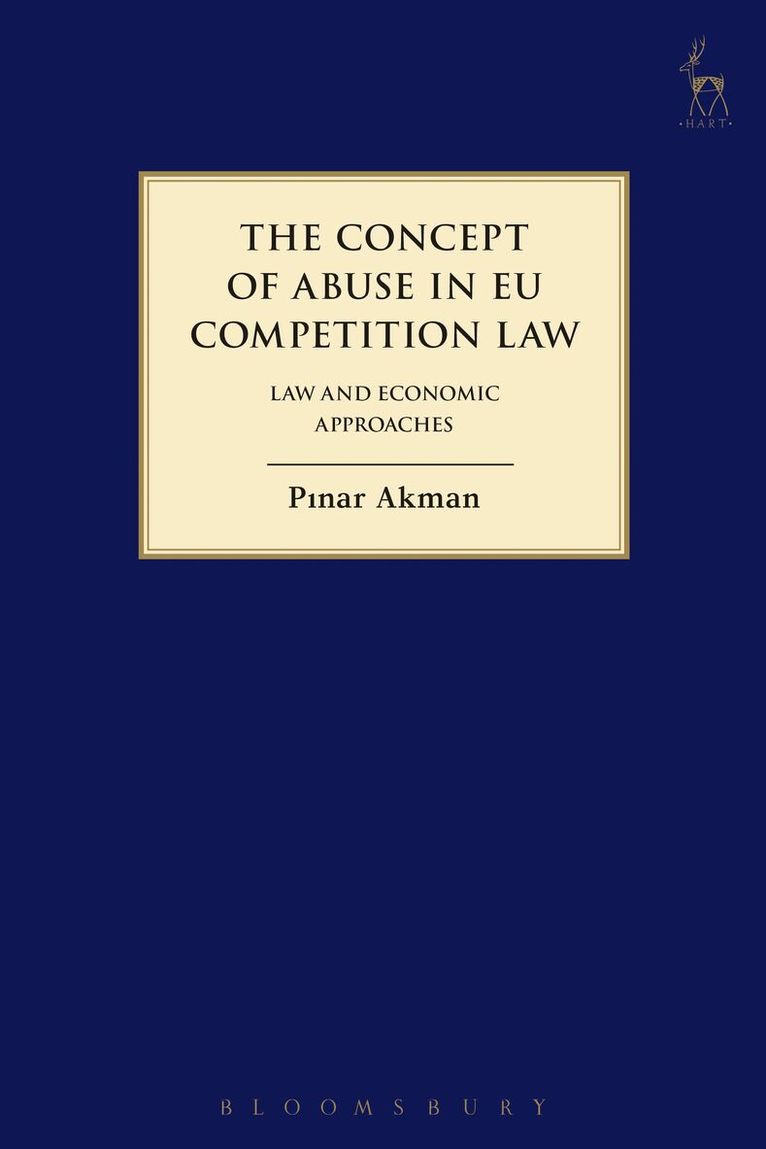
Concept of Abuse in EU Competition Law
Law and Economic Approaches
Av Pinar Akman
E-bok, 2012
502 kr
Lägg i varukorg
The objective(s) of Article 102 TFEU, what exactly makes a practice abusive and the standard of harm under Article 102 TFEU have not yet been settled. This lack of clarity creates uncertainty for businesses and, coupled with the current state of economics in this area, raises an important question …
Concept of Abuse in EU Competition Law
Law and Economic Approaches
Av Pinar Akman
E-bok, 2012
502 kr
Lägg i varukorg
The objective(s) of Article 102 TFEU, what exactly makes a practice abusive and the standard of harm under Article 102 TFEU have not yet been settled. This lack of clarity creates uncertainty for businesses and, coupled with the current state of economics in this area, raises an important question …
Concept of Abuse in EU Competition Law
Law and Economic Approaches
Av Pinar Akman
Inbunden, 2012
1440 kr
Lägg i varukorg
The objective(s) of Article 102 TFEU, what exactly makes a practice abusive and the standard of harm under Article 102 TFEU have not yet been settled. This lack of clarity creates uncertainty for businesses and, coupled with the current state of economics in this area, raises an important question …
Concept of Abuse in EU Competition Law
Law and Economic Approaches
Av Pinar Akman
Häftad, 2015
463 kr
Lägg i varukorg
The objective(s) of Article 102 TFEU, what exactly makes a practice abusive and the standard of harm under Article 102 TFEU have not yet been settled. This lack of clarity creates uncertainty for businesses and raises an important question of legitimacy. This book inquires into the possible …