P.J. Olney - Böcker
Visar alla böcker från författaren P.J. Olney. Handla med fri frakt och snabb leverans.
2 produkter
2 produkter
3 162 kr
Skickas inom 10-15 vardagar
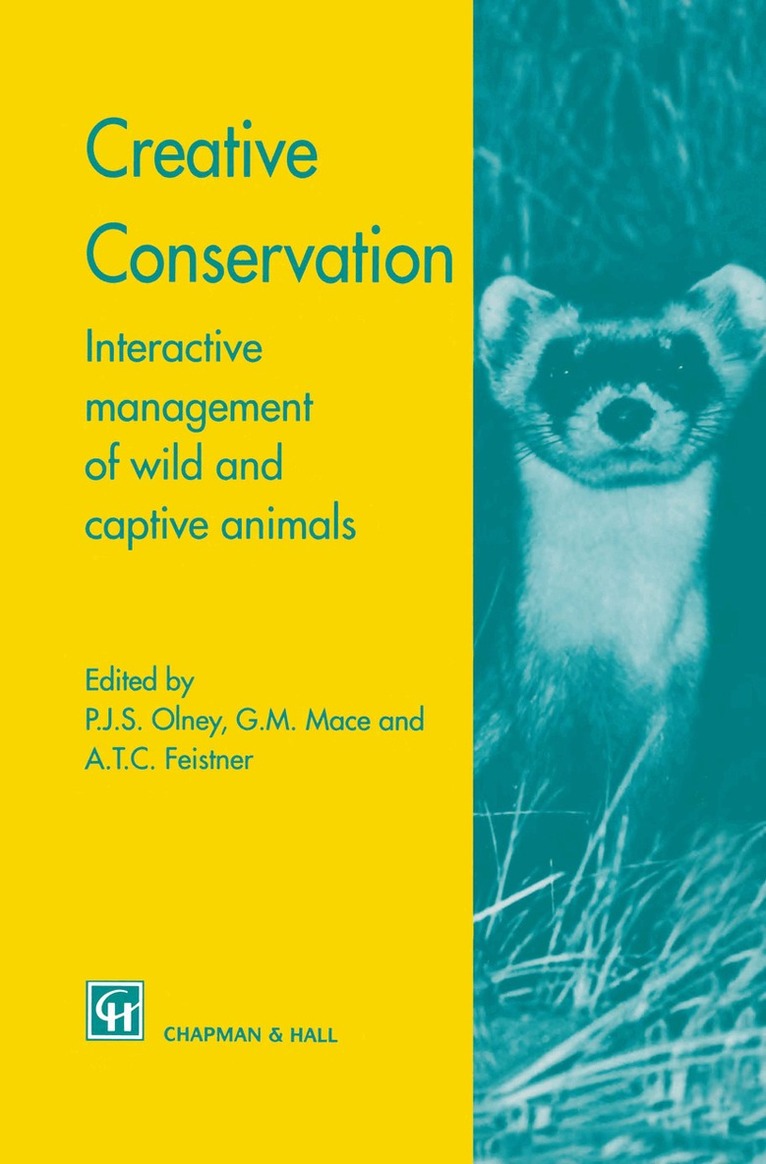
The question of the relationship between breeding endangered species in captivity and the conservation support needed in the field is crucial to the long term sucess of such programmes. How the captive breeding community relates to the wild, what is being done to help species and habitats survive and how to contribute in the future are all uppermost in the minds of those concerned to see successful outcomes to conservation efforts. This was addressed at the Sixth World Congress held in Jersey in 1992 on "The Role of Zoos in Global Conservation". This book is the result of the deliberations of that important congress. However, it is more than just a conference proceedings. The editors and contributors have further developed the key issues tackled at that congress and the resulting chapters in this book represent an update on successes and developments to date. It will therefore be of vital interest to all those concerned with these issues. Presenting contributions from many of the leading experts from around the world, this book presents a full review of the biological, logistic and economic concerns that exist in all efforts to manage populations.Future objectives are also given and pertinent case studies illustrate the successes and frustrations encountered. It contributes to the debate about the interactive management of populations of animals that are under threat of extinction. This book should be of interest to conservation biologists, zoologists, aid agency personnel, environmental scientists, lay "green" people and those interested in zoo animal welfare.
3 162 kr
Skickas inom 10-15 vardagar
Past progress and future challenges R.J. Wheater Royal Zoological Society of Scotland, Edinburgh, UK. In the past two decades much has been achieved in the sphere of breeding endangered species, and we should be pleased that our co operative efforts have already borne so much fruit. However, on balance and despite the best efforts of conservationists, the position of wildlife in the wild places where they are best conserved has become worse, often dramatically worse. Before returning to the United Kingdom in 1972, I was in Uganda for 16 years, most of which time was spent as Chief Warden of Murchison Falls National Park. Our main problem was that an over-population of large mammals was having a devastating impact on the habitat. Devas tation was being wrought on woodland areas by the arrival of large numbers of elephants into the sanctuary of the Park, following changes in land use in the areas outside the Park. These changes were in response to the requirements of an ever-expanding human population.