Pnina Shinebourne - Böcker
Visar alla böcker från författaren Pnina Shinebourne. Handla med fri frakt och snabb leverans.
3 produkter
3 produkter
158 kr
Skickas
12-year-old Livia flees her forced marriage in Genoa for glamorous Florence and an affair with Don Giovanni de’ Medici, son of the Grand Duke of Tuscany.To protect Livia from the Medicis’ hostility, they move to Venice. They succeed in having Livia’s first marriage annulled, get married and have a son.But the Medicis will stop at nothing.Constructed through fragments and intense, eloquent letters that only recently surfaced. Love in the time of the Medici inhabits the spaces between what is recorded and what is imagined. A story with the magnitude and tragedy of that of Abelard and Héloïse.
133 kr
Skickas
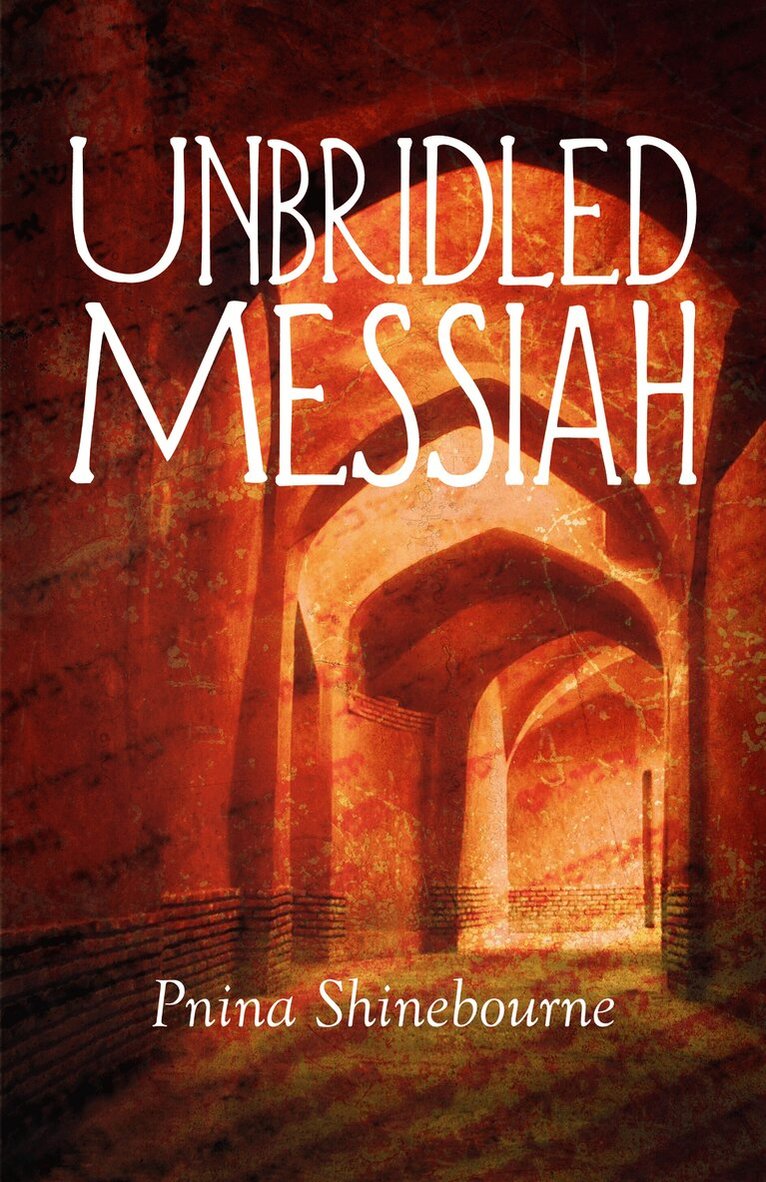
When Shabtai Zvi of Smyrna, a 17th Century man of piety, if eccentric and unruly, proclaims himself Messiah, euphoria and devotion ripple through Jewish communities worldwide. Imprisoned for sedition by the Ottomans, Shabtai converts to Islam to escape the death penalty, but his story doesn’t end there, as true believers follow their messiah into conversion, creating a unique hybrid religion that survived in secret for centuries, and inspiring Jacob Frank to claim, a century later, to be Shabtai’s reincarnation (the subject of Olga Tokarczuk’s Nobel Prize in Literature 2018 winner, The Books of Jacob).A work of fiction that melds poetry, prose and play, Unbridled Messiah is constructed from eyewitness accounts (real and imaginary), letters and historical sources, delivering an extraordinary and spell-binding narrative enlivened by Shinebourne’s chorus of Heavenly Sisters, who play with the ‘facts’, adding irreverent and mischievous interpretations. Long-listed for the Lucy Cavendish Fiction Prize 2020, Unbridled Messiah, is an ambitious, intelligent and inventive exploration of the multiple ways we approach and find salvation.
66 kr
Skickas inom 7-10 vardagar
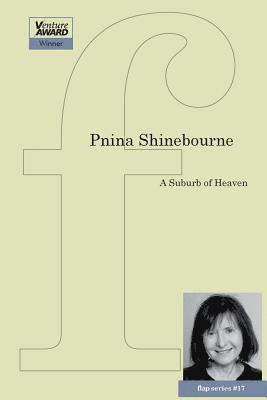
A Suburb of Heaven is a collection built from observation and speculation. Based on artist Stanley Spencer's work in the first section and the part-imagined life of Anna O, patient zero of psychoanalysis, in the second, it is a feast for the senses. Spencer's predilection for using Biblical scenes in a rural context carries a narrative impetus that Pnina Shinebourne builds on to create revelatory poetic highs, "half-way between drunkenness and reverie". These moments of altered reality perhaps lead inevitably to the sequence on Anna O, which starts with the curiously apt line, "Transference, said Freud". From that opening, Pnina invents Anna O's history, complete with music notes and linguistic asides. The imagery here is soft against what was sold as hard science; a struggling patient's emotions set against the speculating notes of ambitious men.