Purba Hossain - Böcker
Visar alla böcker från författaren Purba Hossain. Handla med fri frakt och snabb leverans.
3 produkter
3 produkter
1 228 kr
Skickas inom 7-10 vardagar
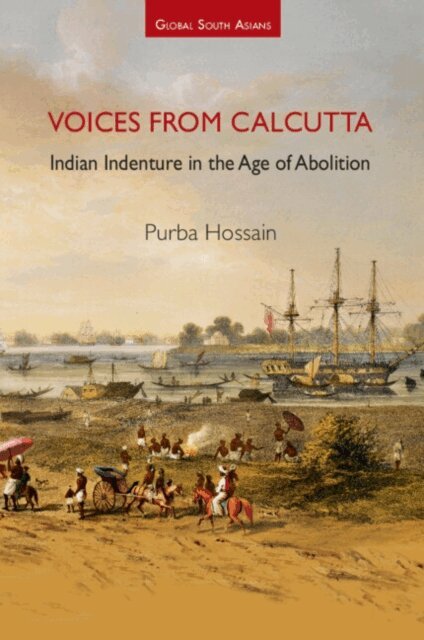
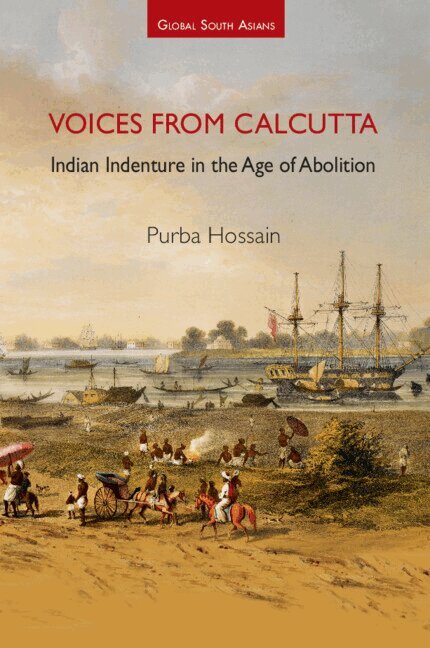
Between 1837 and 1920, 1.3 million indentured labourers migrated from India to sugar plantation colonies in the Indian Ocean and the Caribbean. Voices from Calcutta shows how spokesmen from Calcutta - the capital of British India - disrupted this trade and influenced the lives of these migrants. It follows Calcuttans in their journey of debating, investigating and defending indenture, unfolding a complex web of letters, petitions, interviews and investigative-reports. As the indenture debates influenced lived experience on ships and plantations, and shaped the negotiation of subjecthood and labour rights for the empire's peripatetic labourers, they became a means by which elite Calcuttans negotiated their own position within the empire. This book locates in Calcutta voices of protest that fundamentally defined the contours of post-slavery labouring across the British Empire. Instead of simply emanating from Britain, to be dutifully followed in the colonies, labour legislation was informed by voices from those very colonies.
1 245 kr
Skickas inom 10-15 vardagar
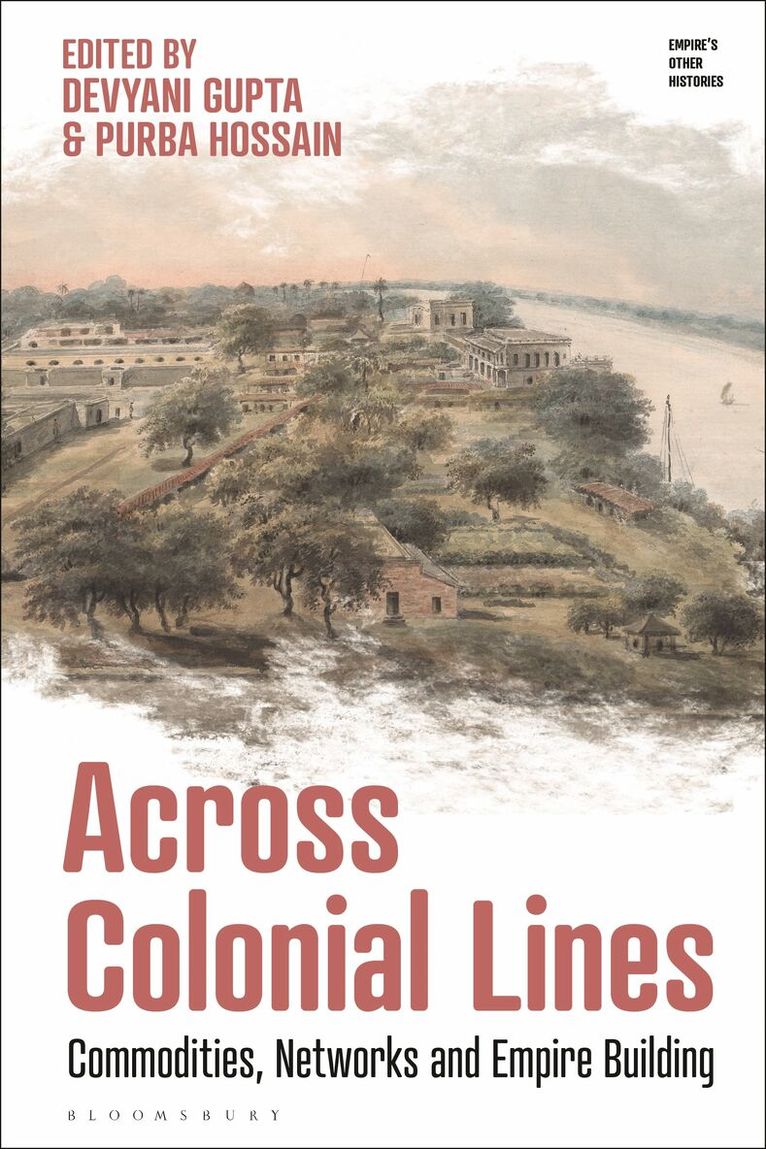
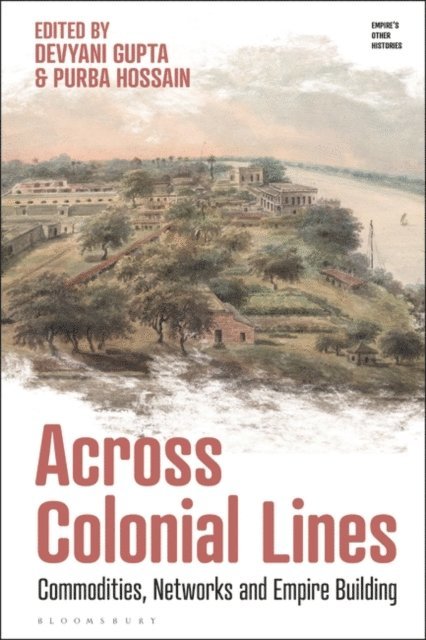
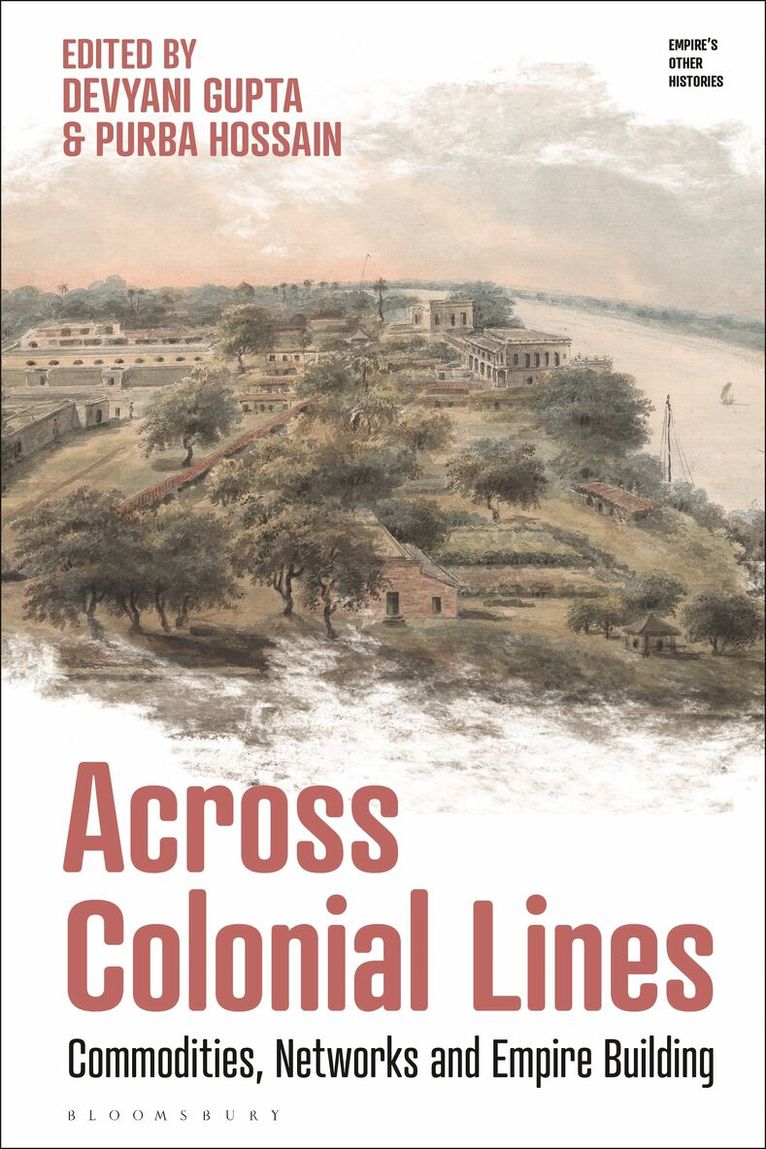
Across Colonial Lines takes a multi-perspective approach to the study of empire and commodities, and encourages readers to look at commodity histories in alternative spatial and temporal contexts. It offers a comparative understanding of commodities in the Venetian, Portuguese, Dutch, French and British Empires. Highlighting the interwoven character of multiple commodity networks, this book situates commodities like gold, coffee, tea and indigo, to name a few, within pre-existing networks of labour, consumption and knowledge production. It explores the nexus between the local and the global, and highlights the role played by individual producers, petty traders, sailors and even consumers in creating regional circulations within a global political economy. In this volume, commodity networks are not just sites of production and trade, but also of political control, social organisation and consumption choices. They provide the impetus for globalisation from as early as the thirteenth century. Each chapter takes an individual commodity to illustrate the history of commodity transmission within imperial contexts. From early modern Venetian commerce to the trade networks of the Eurasian world; from the trading ambitions of British sailors to Portuguese global imperial ambitions; from the cross-imperial knowledge networks of indigo to the assertion of indigenous agency in Angola; and from the commodification of labour to the experience of tourism in the Caribbean and Indian Ocean World, Across Colonial Lines uses commodity networks as a lens to study empire building across varied yet connected geographies and chronologies.
420 kr
Skickas inom 10-15 vardagar
Across Colonial Lines takes a multi-perspective approach to the study of empire and commodities, and encourages readers to look at commodity histories in alternative spatial and temporal contexts. It offers a comparative understanding of commodities in the Venetian, Portuguese, Dutch, French and British Empires. Highlighting the interwoven character of multiple commodity networks, this book situates commodities like gold, coffee, tea and indigo, to name a few, within pre-existing networks of labour, consumption and knowledge production. It explores the nexus between the local and the global, and highlights the role played by individual producers, petty traders, sailors and even consumers in creating regional circulations within a global political economy. In this volume, commodity networks are not just sites of production and trade, but also of political control, social organisation and consumption choices. They provide the impetus for globalisation from as early as the thirteenth century. Each chapter takes an individual commodity to illustrate the history of commodity transmission within imperial contexts. From early modern Venetian commerce to the trade networks of the Eurasian world; from the trading ambitions of British sailors to Portuguese global imperial ambitions; from the cross-imperial knowledge networks of indigo to the assertion of indigenous agency in Angola; and from the commodification of labour to the experience of tourism in the Caribbean and Indian Ocean World, Across Colonial Lines uses commodity networks as a lens to study empire building across varied yet connected geographies and chronologies.