Purnima Dhavan – författare
Visar alla böcker från författaren Purnima Dhavan. Handla med fri frakt och snabb leverans.
6 produkter
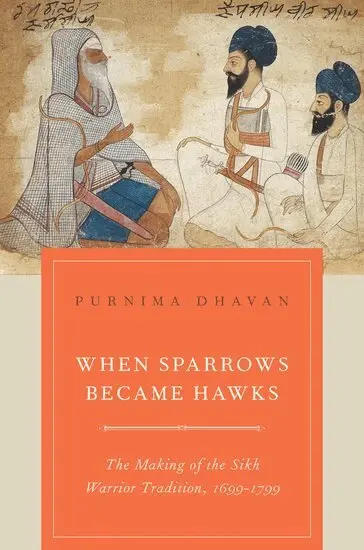
When Sparrows Became Hawks
The Making of the Sikh Warrior Tradition, 1699-1799
Inbunden, 2011
2260 kr
Lägg i varukorg
Challenging the commonly accepted belief that the distinctive rituals, ceremonies, and cultural practices associated with the Khalsa were formed during the lifetime of the Tenth and last Sikh Guru, Gobind Singh, Purnima Dhavan reveals how such markers of Khalsa identity evolved slowly over the …
When Sparrows Became Hawks
The Making of the Sikh Warrior Tradition, 1699-1799
E-bok, 2011
1577 kr
Lägg i varukorg
Purnima Dhavan examines the creation of the Khalsa Sikh warrior tradition during the eighteenth century. By focusing on the experiences of long-overlooked peasant communities, she reveals how a dynamic process of debates, collaboration, and conflict transformed Sikh practices and shaped a new …
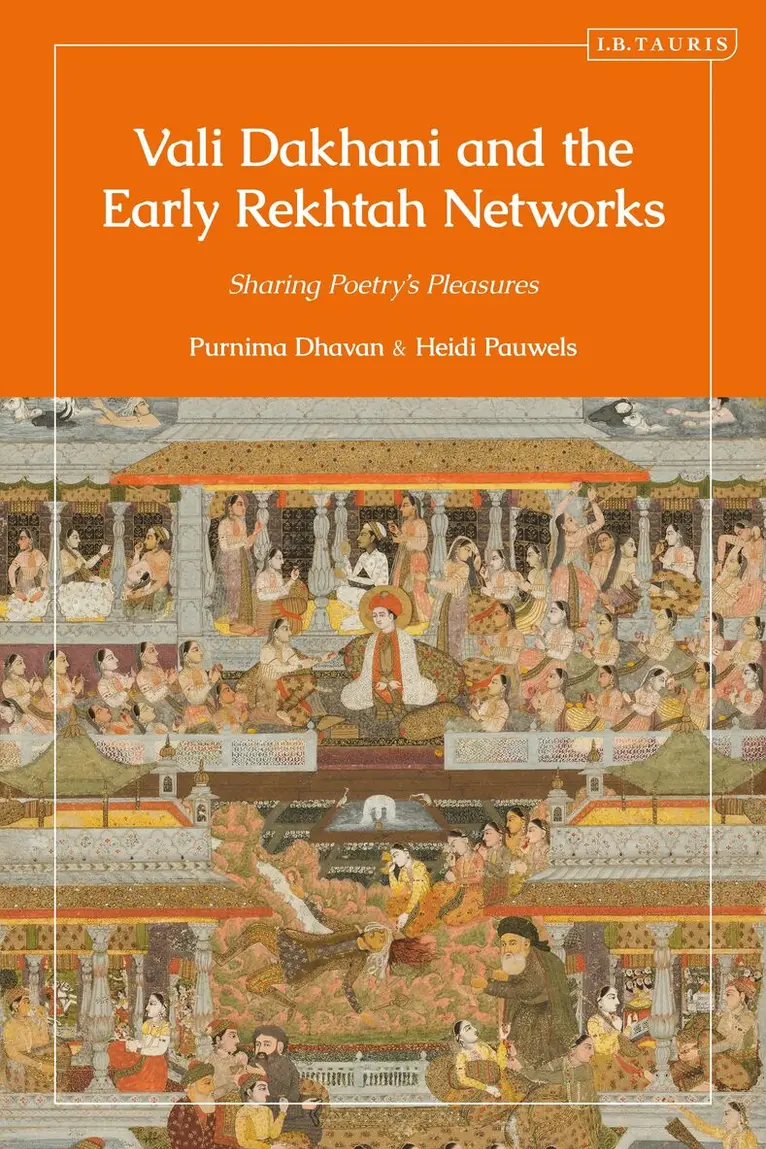
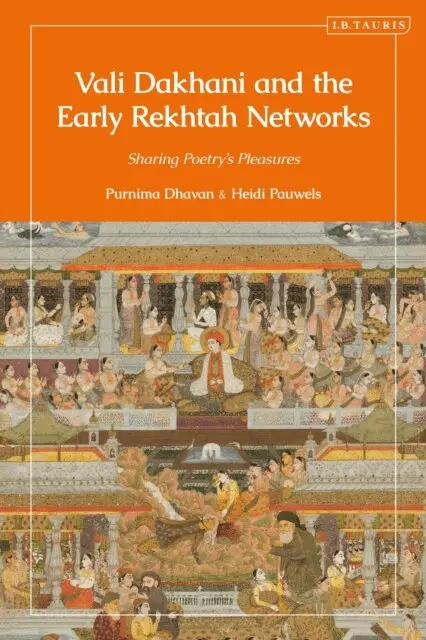
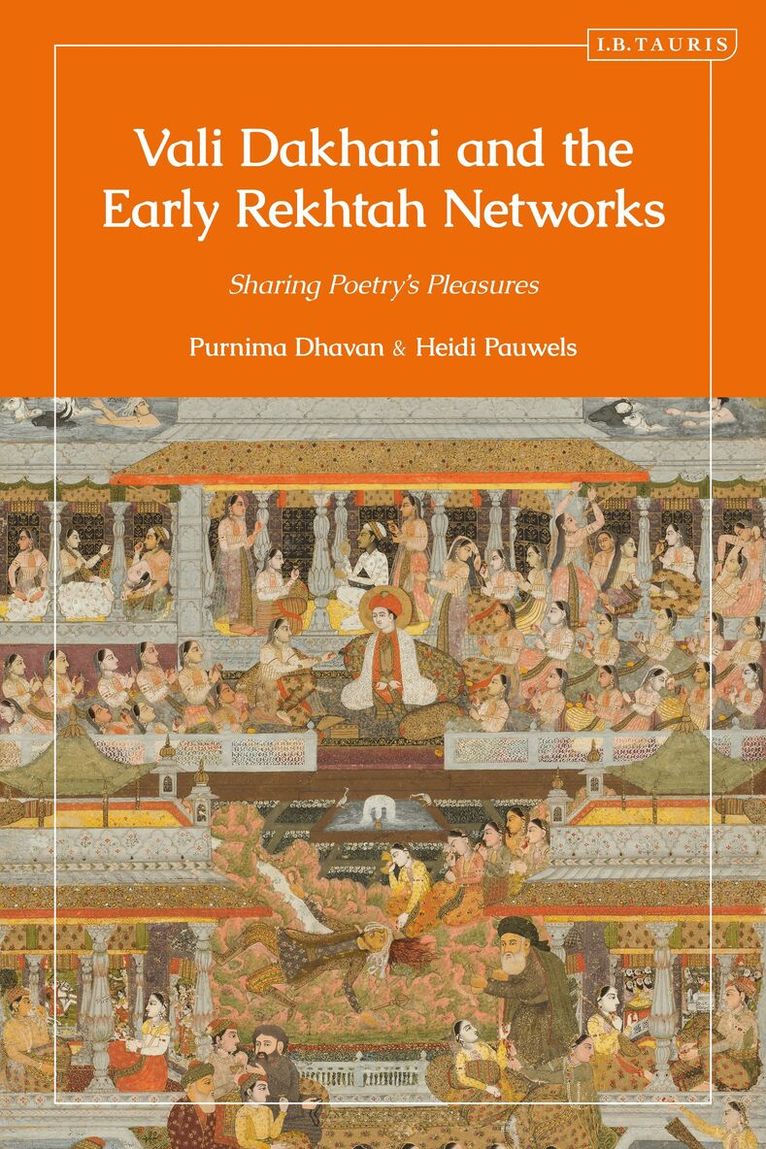
Vali Dakhani and the Early Rekhtah Networks
Sharing Poetry’s Pleasures
Av Heidi Pauwels, Purnima Dhavan
Inbunden, 2025
1390 kr
Lägg i varukorg
This book reexamines the emergence of Urdu as a literary and poetic language in the 18th century, at the time called Rekhtah, highlighting its engagement with diverse regional cultures and communities in South Asia. Sharing Poetry’s Pleasures reframes the history of Urdu within the diverse contexts …
Vali Dakhani and the Early Rekhtah Networks
Sharing Poetry’s Pleasures
Av Heidi Pauwels, Purnima Dhavan
E-bok, 2025
1524 kr
Lägg i varukorg
This book reexamines the emergence of Urdu as a literary and poetic language in the 18th century, at the time called Rekhtah, highlighting its engagement with diverse regional cultures and communities in South Asia. Sharing Poetry's Pleasures reframes the history of Urdu within the diverse contexts …
Vali Dakhani and the Early Rekhtah Networks
Sharing Poetry’s Pleasures
Av Heidi Pauwels, Purnima Dhavan
E-bok, 2025
1524 kr
Lägg i varukorg
This book reexamines the emergence of Urdu as a literary and poetic language in the 18th century, at the time called Rekhtah, highlighting its engagement with diverse regional cultures and communities in South Asia. Sharing Poetry's Pleasures reframes the history of Urdu within the diverse contexts …
Vali Dakhani and the Early Rekhtah Networks
Sharing Poetry’s Pleasures
Av Heidi Pauwels, Purnima Dhavan
Häftad, 2026
475 kr
Kommande
This book reexamines the emergence of Urdu as a literary and poetic language in the 18th century, at the time called Rekhtah, highlighting its engagement with diverse regional cultures and communities in South Asia. Sharing Poetry’s Pleasures reframes the history of Urdu within the diverse contexts …