Qian Huang - Böcker
Visar alla böcker från författaren Qian Huang. Handla med fri frakt och snabb leverans.
6 produkter
6 produkter
793 kr
Skickas inom 10-15 vardagar
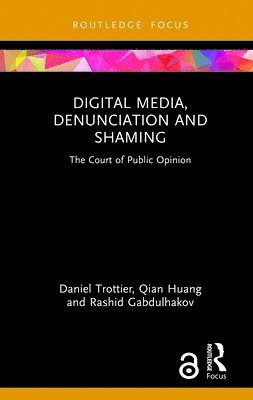
This book offers a common set of concepts to help make sense of online shaming practices, accounting for instances of discrimination and injury that morally divide readers and at times risk unjust and disproportionate harm to those under scrutiny.Digital media denunciation has become a primary form of expression and entertainment across media environments, with new socially desirable forms of accountability under movements such as #MeToo and #BlackLivesMatter addressing longstanding forms of systematic and interpersonal abuse. Building on recent scholarship on shaming, surveillance and denunciation in fixed contexts, this study generates a cross-contextual and multi-actor account of practices like ‘cancel culture’, ‘doxing’ and ‘status degradation ceremonies’. It addresses instances of moral ambivalence by discussing how digital shaming becomes normalised and embedded across socio-cultural and institutional settings. The authors establish key actors and practices in online denunciations of individuals in a range of cases and contexts, including responses to COVID-19, political polarisation, and social justice movements, as well as more local and quotidian circumstances. They draw from empirical data including interviews with nearly 100 individuals targeted by mediated shaming and/or involved in these practices, as well as ethnographic observations of digital vigilantism and discourse analysis of press coverage and online comments relating to online shaming. Diverse applications and contexts, including China, the UK, Russia, and Central Asia, are considered, advancing an ambivalent understanding of media and denunciation that reconciles progressive and regressive practices, as well as celebratory and critical accounts of these practices.This book is recommended reading for advanced students and researchers of online visibility and harm across media studies, cultural studies and sociology.The Open Access version of this book, available at http://www.taylorfrancis.com, has been made available under a Creative Commons Attribution-Non Commercial-No Derivatives (CC-BY-NC-ND) 4.0 license.This research was funded by the Dutch Research Council (NWO), project number 276-45-004 and file number 36.201.097.
332 kr
Skickas inom 10-15 vardagar
This book offers a common set of concepts to help make sense of online shaming practices, accounting for instances of discrimination and injury that morally divide readers and at times risk unjust and disproportionate harm to those under scrutiny.Digital media denunciation has become a primary form of expression and entertainment across media environments, with new socially desirable forms of accountability under movements such as #MeToo and #BlackLivesMatter addressing longstanding forms of systematic and interpersonal abuse. Building on recent scholarship on shaming, surveillance and denunciation in fixed contexts, this study generates a cross-contextual and multi-actor account of practices like ‘cancel culture’, ‘doxing’ and ‘status degradation ceremonies’. It addresses instances of moral ambivalence by discussing how digital shaming becomes normalised and embedded across socio-cultural and institutional settings. The authors establish key actors and practices in online denunciations of individuals in a range of cases and contexts, including responses to COVID-19, political polarisation, and social justice movements, as well as more local and quotidian circumstances. They draw from empirical data including interviews with nearly 100 individuals targeted by mediated shaming and/or involved in these practices, as well as ethnographic observations of digital vigilantism and discourse analysis of press coverage and online comments relating to online shaming. Diverse applications and contexts, including China, the UK, Russia, and Central Asia, are considered, advancing an ambivalent understanding of media and denunciation that reconciles progressive and regressive practices, as well as celebratory and critical accounts of these practices.This book is recommended reading for advanced students and researchers of online visibility and harm across media studies, cultural studies and sociology.The Open Access version of this book, available at http://www.taylorfrancis.com, has been made available under a Creative Commons Attribution-Non Commercial-No Derivatives (CC-BY-NC-ND) 4.0 license.This research was funded by the Dutch Research Council (NWO), project number 276-45-004 and file number 36.201.097.
434 kr
Skickas inom 5-8 vardagar
624 kr
Skickas inom 5-8 vardagar
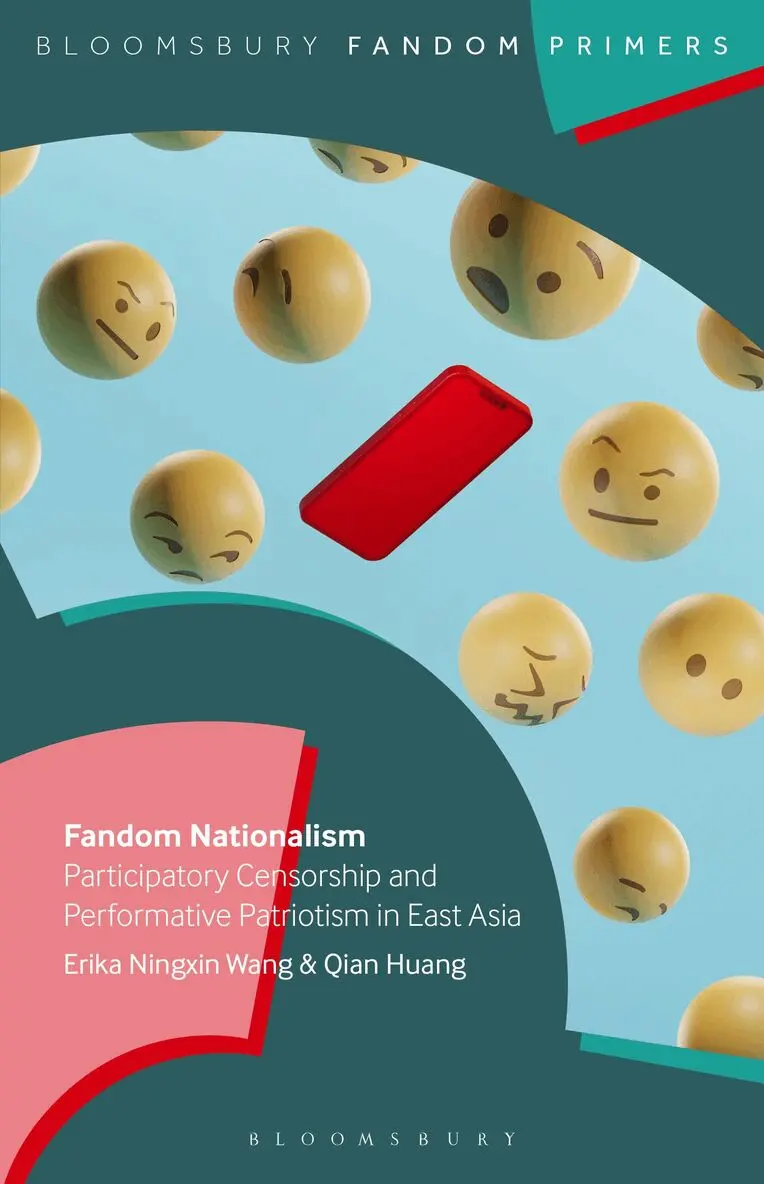
Fandom Nationalism
Participatory Censorship and Performative Patriotism in East Asia
Inbunden, Engelska, 2026
742 kr
Skickas inom 10-15 vardagar
This book delves into the world of "fandom nationalism," where the lines between fan devotion and nationalistic fervor blur within the East Asian media landscape.Taking a non-Western perspective in fan studies, this book challenges conventional understandings of fandom nationalism. While the concept usually describes how citizens passionately adore their nation akin to idolizing celebrities, this ground-breaking research adds a captivating twist: such passion encompasses not only the expressions of love fans shower upon their idols but also the intense hatred anti-fans direct towards stars - fans strategically employ nationalism as a weapon to win fan wars. This enriches the concept of fandom nationalism, exploring how fans use participatory censorship practices to accuse celebrities and their followers of problematic political stances, thereby channeling collective nationalist anger to exact revenge on despised celebrities, such as Zhang Zhehan, a Boys' Love drama actor who was banned by the authorities and the industry for taking photos at the Yasukuni Shrine in Japan.Through a thorough review of relevant literature and detailed fieldwork data, this book reveals how fans and anti-fans participate in various stages of the banning process, leading to the career downfall of top stars in China. This brutal battleground, akin to cancel culture, is a product of the collusion among fans, netizens, the party-state, media platforms, and businesses, where fans' participation in nationalist practices can also be performative patriotism, driven by the desire to protect their idols and themselves. Using examples from China and beyond, Fandom Nationalism explores the relationship between fandom and the state more broadly.
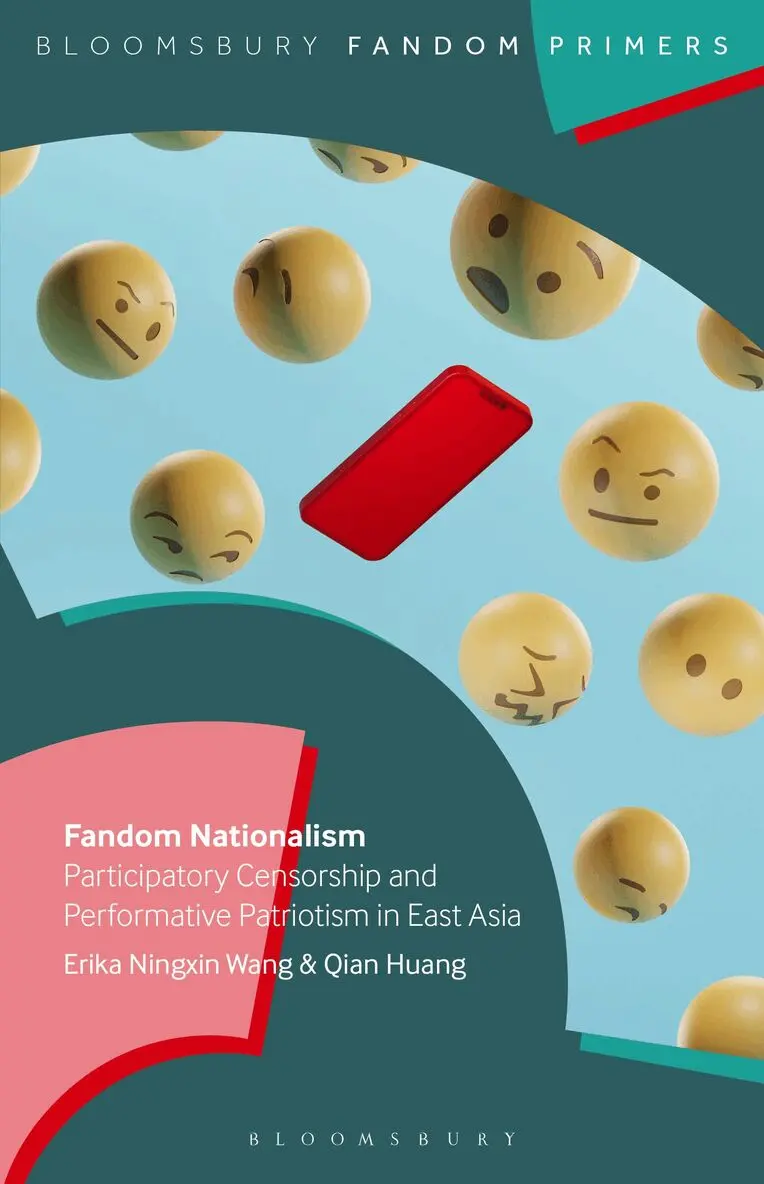
Fandom Nationalism
Participatory Censorship and Performative Patriotism in East Asia
Häftad, Engelska, 2026
204 kr
Skickas inom 7-10 vardagar
This book delves into the world of "fandom nationalism," where the lines between fan devotion and nationalistic fervor blur within the East Asian media landscape.Taking a non-Western perspective in fan studies, this book challenges conventional understandings of fandom nationalism. While the concept usually describes how citizens passionately adore their nation akin to idolizing celebrities, this ground-breaking research adds a captivating twist: such passion encompasses not only the expressions of love fans shower upon their idols but also the intense hatred anti-fans direct towards stars - fans strategically employ nationalism as a weapon to win fan wars. This enriches the concept of fandom nationalism, exploring how fans use participatory censorship practices to accuse celebrities and their followers of problematic political stances, thereby channeling collective nationalist anger to exact revenge on despised celebrities, such as Zhang Zhehan, a Boys' Love drama actor who was banned by the authorities and the industry for taking photos at the Yasukuni Shrine in Japan.Through a thorough review of relevant literature and detailed fieldwork data, this book reveals how fans and anti-fans participate in various stages of the banning process, leading to the career downfall of top stars in China. This brutal battleground, akin to cancel culture, is a product of the collusion among fans, netizens, the party-state, media platforms, and businesses, where fans' participation in nationalist practices can also be performative patriotism, driven by the desire to protect their idols and themselves. Using examples from China and beyond, Fandom Nationalism explores the relationship between fandom and the state more broadly.