R. Aída Hernández Castillo - Böcker
Visar alla böcker från författaren R. Aída Hernández Castillo. Handla med fri frakt och snabb leverans.
6 produkter
6 produkter
313 kr
Skickas inom 10-15 vardagar
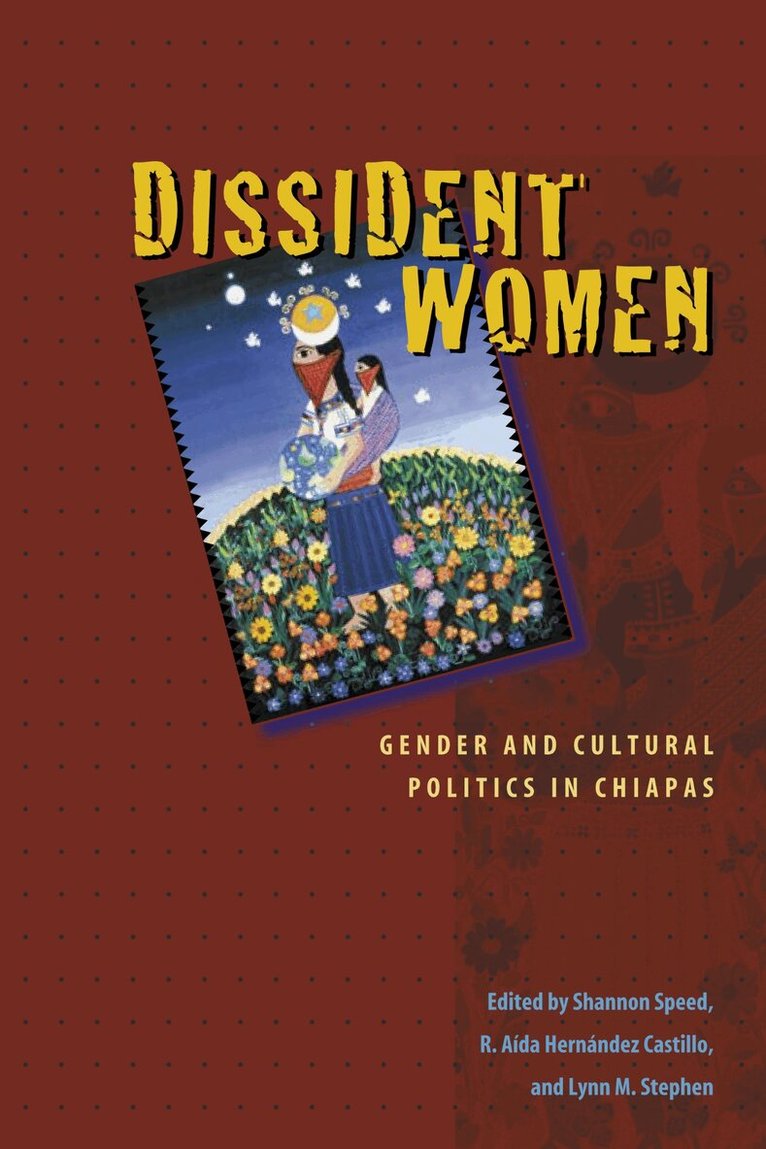
Yielding pivotal new perspectives on the indigenous women of Mexico, Dissident Women: Gender and Cultural Politics in Chiapas presents a diverse collection of voices exploring the human rights and gender issues that gained international attention after the first public appearance of the Zapatista National Liberation Army (EZLN) in 1994.Drawing from studies on topics ranging from the daily life of Zapatista women to the effect of transnational indigenous women in tipping geopolitical scales, the contributors explore both the personal and global implications of indigenous women's activism. The Zapatista movement and the Women's Revolutionary Law, a charter that came to have tremendous symbolic importance for thousands of indigenous women, created the potential for renegotiating gender roles in Zapatista communities. Drawing on the original research of scholars with long-term field experience in a range of Mayan communities in Chiapas and featuring several key documents written by indigenous women articulating their vision, Dissident Women brings fresh insight to the revolutionary crossroads at which Chiapas stands-and to the worldwide implications of this economic and political microcosm.
309 kr
Skickas inom 7-10 vardagar
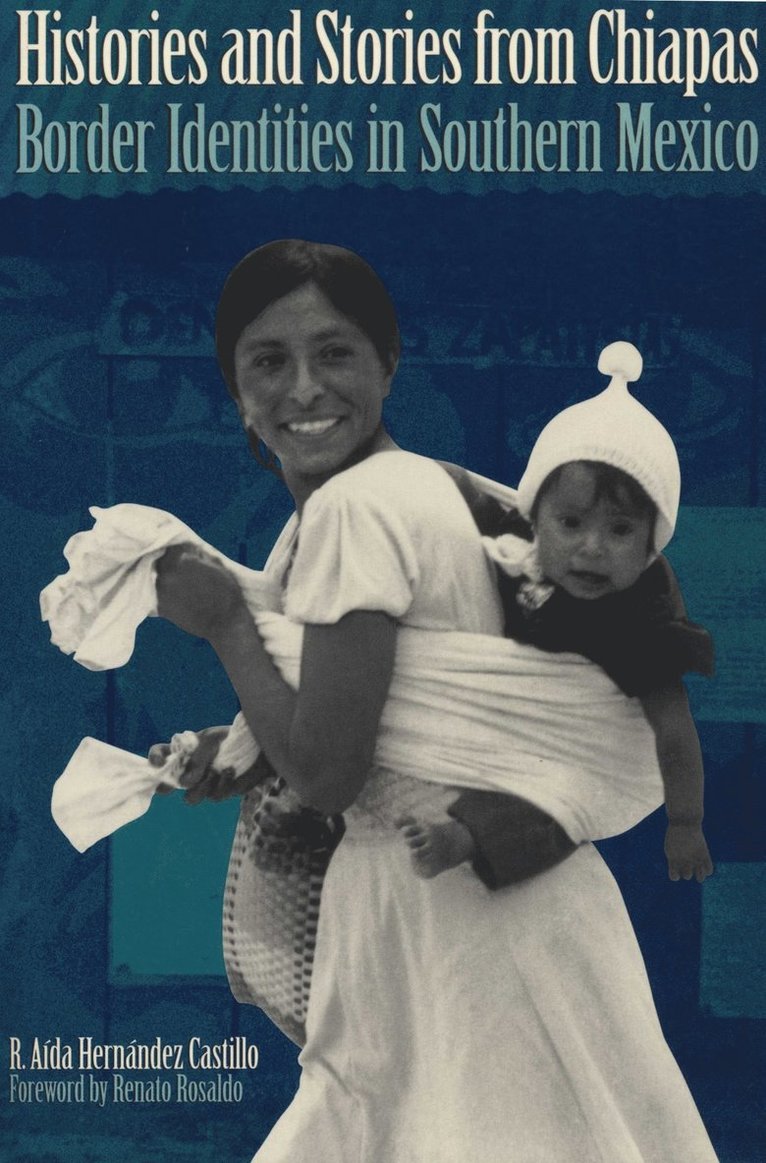
The 1994 Zapatista uprising of Chiapas' Maya peoples against the Mexican government shattered the state myth that indigenous groups have been successfully assimilated into the nation. In this wide-ranging study of identity formation in Chiapas, AÍda HernÁndez delves into the experience of a Maya group, the Mam, to analyze how Chiapas' indigenous peoples have in fact rejected, accepted, or negotiated the official discourse on "being Mexican" and participating in the construction of a Mexican national identity. HernÁndez traces the complex relations between the Mam and the national government from 1934 to the Zapatista rebellion. She investigates the many policies and modernization projects through which the state has attempted to impose a Mexican identity on the Mam and shows how this Maya group has resisted or accommodated these efforts. In particular, she explores how changing religious affiliation, women's and ecological movements, economic globalization, state policies, and the Zapatista movement have all given rise to various ways of "being Mam" and considers what these indigenous identities may mean for the future of the Mexican nation. The Spanish version of this book won the 1997 Fray Bernardino de SahagÚn national prize for the best social anthropology research in Mexico.
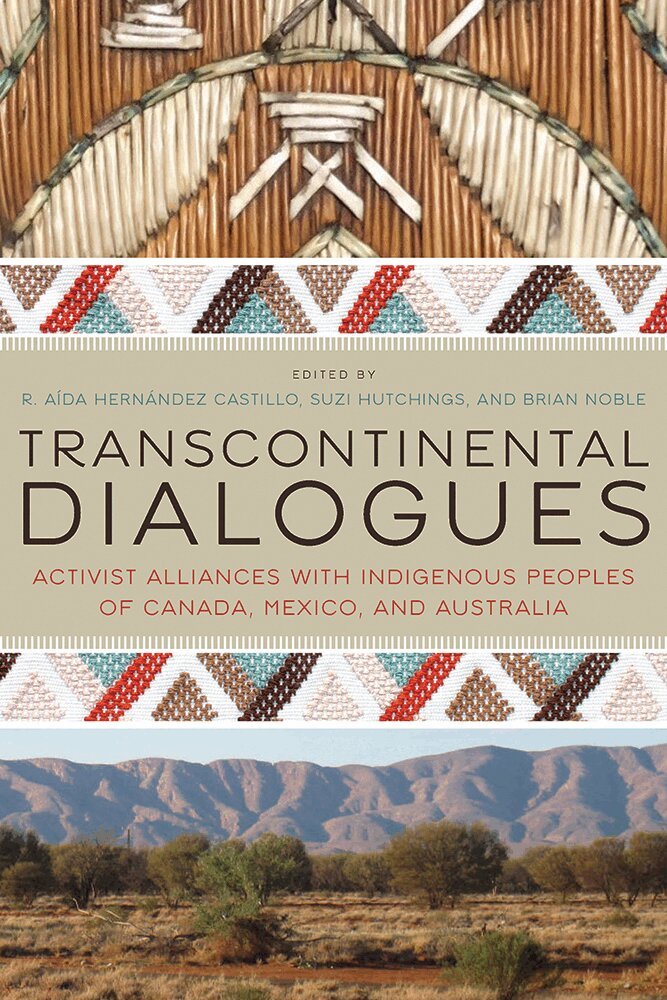
Transcontinental Dialogues
Activist Alliances with Indigenous Peoples of Canada, Mexico, and Australia
Häftad, Engelska, 2019
374 kr
Skickas inom 7-10 vardagar
Transcontinental Dialogues brings together Indigenous and non-Indigenous anthropologists from Mexico, Canada, and Australia who work at the intersections of Indigenous rights, advocacy, and action research. These engaged anthropologists explore how obligations manifest in differently situated alliances, how they respond to such obligations, and the consequences for anthropological practice and action.This volume presents a set of pieces that do not take the usual political or geographic paradigms as their starting point; instead, the particular dialogues from the margins presented in this book arise from a rejection of the geographic hierarchization of knowledge in which the Global South continues to be the space for fieldwork while the Global North is the place for its systematization and theorization. Instead, contributors in Transcontinental Dialogues delve into the interactions between anthropologists and the people they work with in Canada, Australia, and Mexico. This framework allows the contributors to explore the often unintended but sometimes devastating impacts of government policies (such as land rights legislation or justice initiatives for women) on Indigenous people's lives.Each chapter's author reflects critically on their own work as activist-scholars. They offer examples of the efforts and challenges that anthropologists—Indigenous and non-Indigenous—confront when producing knowledge in alliances with Indigenous peoples. Mi'kmaq land rights, pan-Maya social movements, and Aboriginal title claims in rural and urban areas are just some of the cases that provide useful ground for reflection on and critique of challenges and opportunities for scholars, policy-makers, activists, allies, and community members.This volume is timely and innovative for using the disparate anthropological traditions of three regions to explore how the interactions between anthropologists and Indigenous peoples in supporting Indigenous activism have the potential to transform the production of knowledge within the historical colonial traditions of anthropology.
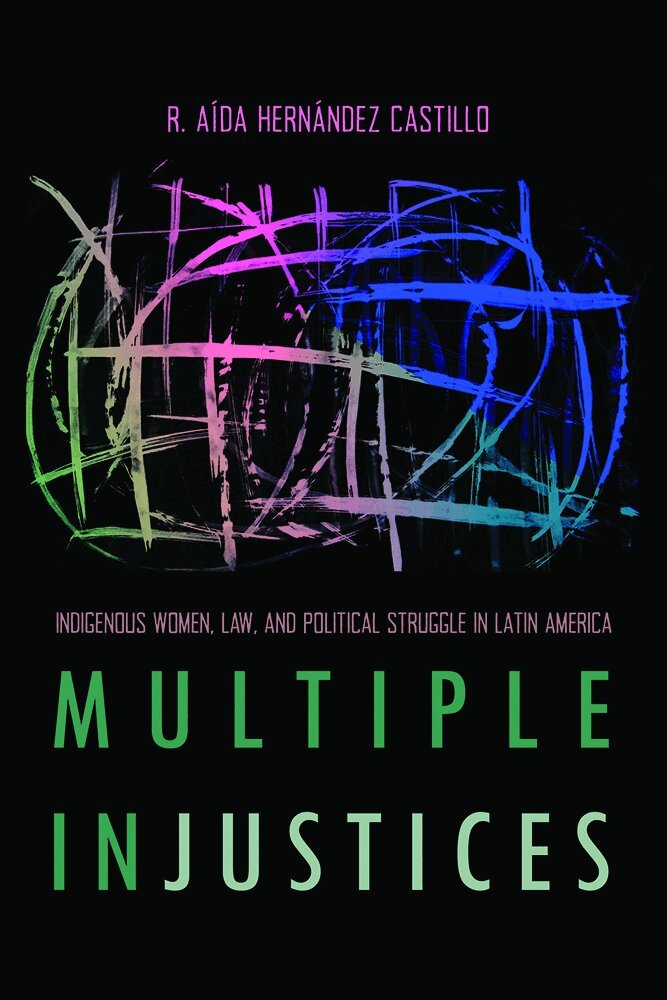
Multiple InJustices
Indigenous Women, Law, and Political Struggle in Latin America
Häftad, Engelska, 2018
359 kr
Skickas inom 11-20 vardagar
The last two decades have witnessed two political transformations that have deeply affected the lives of the indigenous peoples of Latin America. First, a discourse on indigeneity has emerged that links local struggles across the continent with transnational movements whose core issues are racism and political and cultural rights. Second, recent constitutional reforms in several countries recognize the multicultural character of Latin American countries and the legal pluralism that necessarily follows.Multiple InJustices synthesizes R. Aída Hernández Castillo’s twenty-four years of activism and research among indigenous women’s organizations in Latin America. As both feminist and critical anthropologist, Hernández Castillo analyzes the context of legal pluralism wherein the indigenous women of Mexico, Guatemala, and Colombia struggle for justice. Through ethnographical research in community, state, and international justice, she reflects on the possibilities and limitations of customary, national, and international law for indigenous women.Colonialism, racism, and patriarchal violence have been fundamental elements for the reproduction of capitalism, Hernández Castillo asserts. Only a social policy that offers economic alternatives based on distribution of wealth and a real recognition of cultural and political rights of indigenous peoples can counter the damage of outside forces such as drug cartels on indigenous lands.She concludes that the theories of indigenous women on culture, tradition, and gender equity—as expressed in political documents, event reports, public discourse, and their intellectual writings—are key factors in the decolonization of Latin American feminisms and social justice for all.
374 kr
Skickas inom 7-10 vardagar
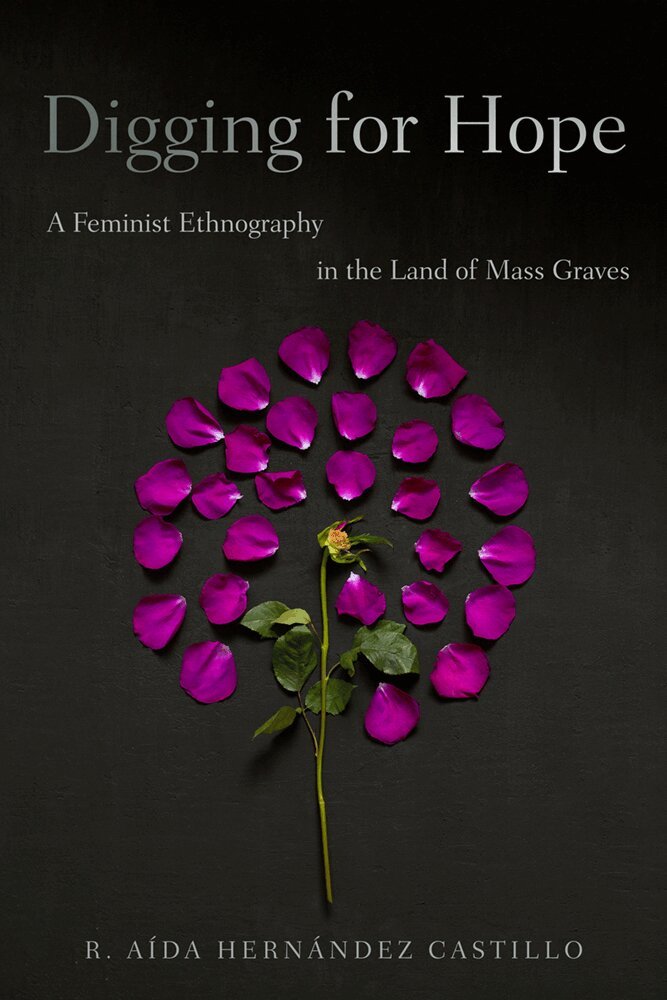
In the shadow of Mexico’s ongoing human rights crisis, Digging for Hope offers a powerful feminist ethnography of resistance, care, and collective memory. Drawing on nearly a decade of fieldwork, R. AÍda Hernández Castillo documents the courageous work of women-led search collectives who, in the face of extreme violence, search for their disappeared loved ones. Through physical and spiritual practices such as exhumation, mourning, and poetic remembrance, these women reclaim dignity for the dead and challenge a society that has normalized disappearance. At the heart of this book is a profound exploration of what Hernández Castillo calls a “pedagogy of love”—a political and ethical framework rooted in care, solidarity, and the refusal to forget. These women are not only searching for bodies; they are building emotional communities, crafting new languages of justice, and offering a reimagining of what it means to resist violence. Their practices, often overlooked by traditional scholarship, restore humanity and dignify the disappeared. Digging for Hope is essential reading for anyone seeking to understand the gendered dimensions of violence and the grassroots movements that rise in response. With clarity and compassion, Hernández Castillo brings readers into the intimate spaces of grief and resistance, offering a model for feminist ethnography that is both rigorous and deeply humane.
1 057 kr
Skickas inom 7-10 vardagar
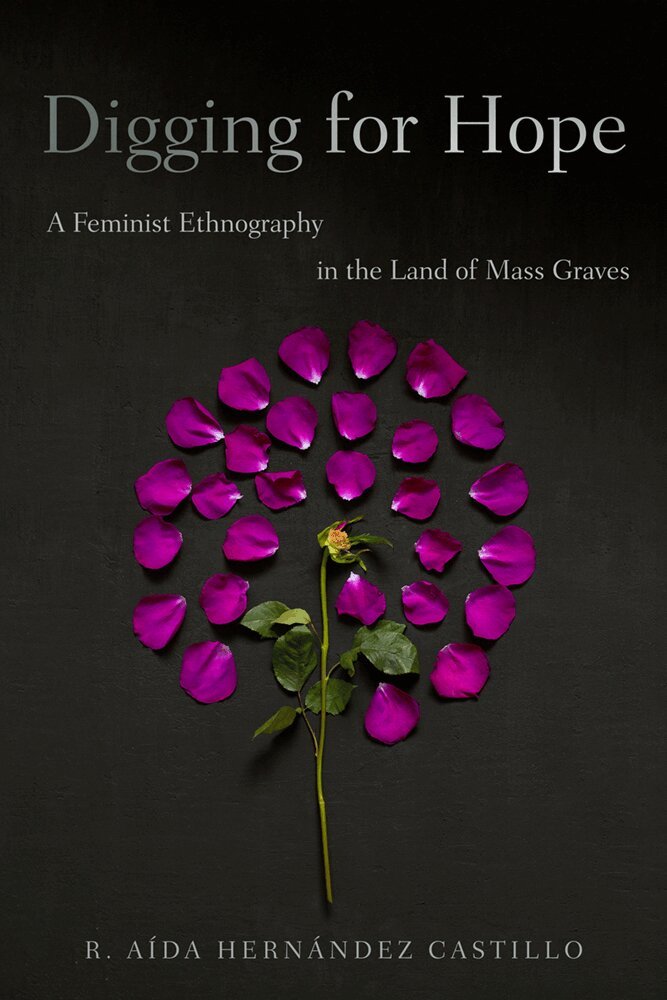
In the shadow of Mexico’s ongoing human rights crisis, Digging for Hope offers a powerful feminist ethnography of resistance, care, and collective memory. Drawing on nearly a decade of fieldwork, R. Aída Hernández Castillo documents the courageous work of women-led search collectives who, in the face of extreme violence, search for their disappeared loved ones. Through physical and spiritual practices such as exhumation, mourning, and poetic remembrance, these women reclaim dignity for the dead and challenge a society that has normalized disappearance. At the heart of this book is a profound exploration of what HernÁndez Castillo calls a “pedagogy of love”—a political and ethical framework rooted in care, solidarity, and the refusal to forget. These women are not only searching for bodies; they are building emotional communities, crafting new languages of justice, and offering a reimagining of what it means to resist violence. Their practices, often overlooked by traditional scholarship, restore humanity and dignify the disappeared. Digging for Hope is essential reading for anyone seeking to understand the gendered dimensions of violence and the grassroots movements that rise in response. With clarity and compassion, HernÁndez Castillo brings readers into the intimate spaces of grief and resistance, offering a model for feminist ethnography that is both rigorous and deeply humane.