R. D. Madison – författare
Visar alla böcker från författaren R. D. Madison. Handla med fri frakt och snabb leverans.
7 produkter
Lorna Doone
Av R. D. Blackmore, Michelle Allen m. fl.
Häftad, 2006
179 kr
Lägg i varukorg
First published in 1869, Lorna Doone is the story of John Ridd, a farmer who finds love amid the religious and social turmoil of seventeenth-century England. He is just a boy when his father is slain by the Doones, a lawless clan inhabiting wild Exmoor on the border of Somerset and Devon. Seized by …
Bounty Mutiny
Av William Bligh, Edward Christian m. fl.
Häftad, 2003
326 kr
Lägg i varukorg
On an April morning in 1789 near the island of Tonga, William Bligh and eighteen surly seamen were expelled from the Bounty and began the greatest open-boat voyage in history, sailing some 4,000 miles to safety in Timor. The mutineers, led by Fletcher Christian, sailed off in the Bounty and were …
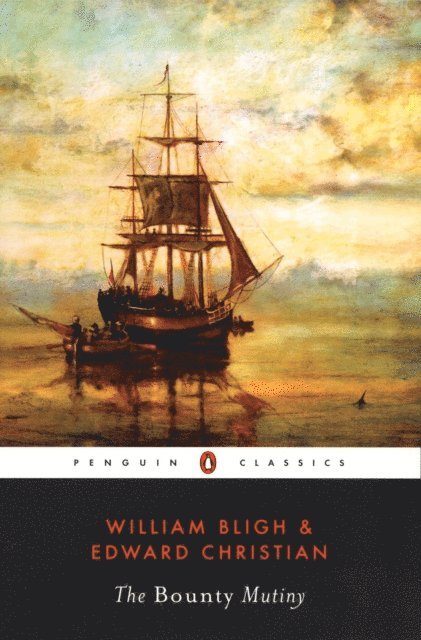
Bounty Mutiny
Av Edward Christian, William Bligh m. fl.
E-bok, 2001
100 kr
Lägg i varukorg
The names William Bligh, Fletcher Christian, and the Bounty have excited the popular imagination for more than two hundred years. The story of this famous mutiny has many beginnings and many endings but they all intersect on an April morning in 1789 near the island known today as Tonga. That …
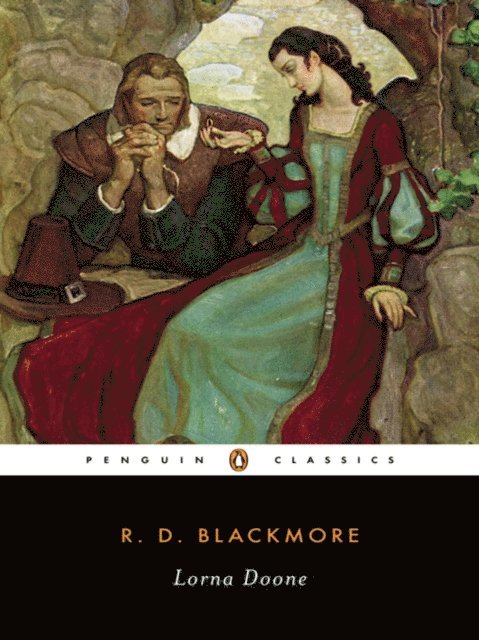
Lorna Doone
Av R. D. Blackmore, Michelle Allen m. fl.
E-bok, 2005
88 kr
Lägg i varukorg
First published in 1869, Lorna Doone is the story of John Ridd, a farmer who finds love amid the religious and social turmoil of seventeenth-century England. He is just a boy when his father is slain by the Doones, a lawless clan inhabiting wild Exmoor on the border of Somerset and Devon. Seized by …
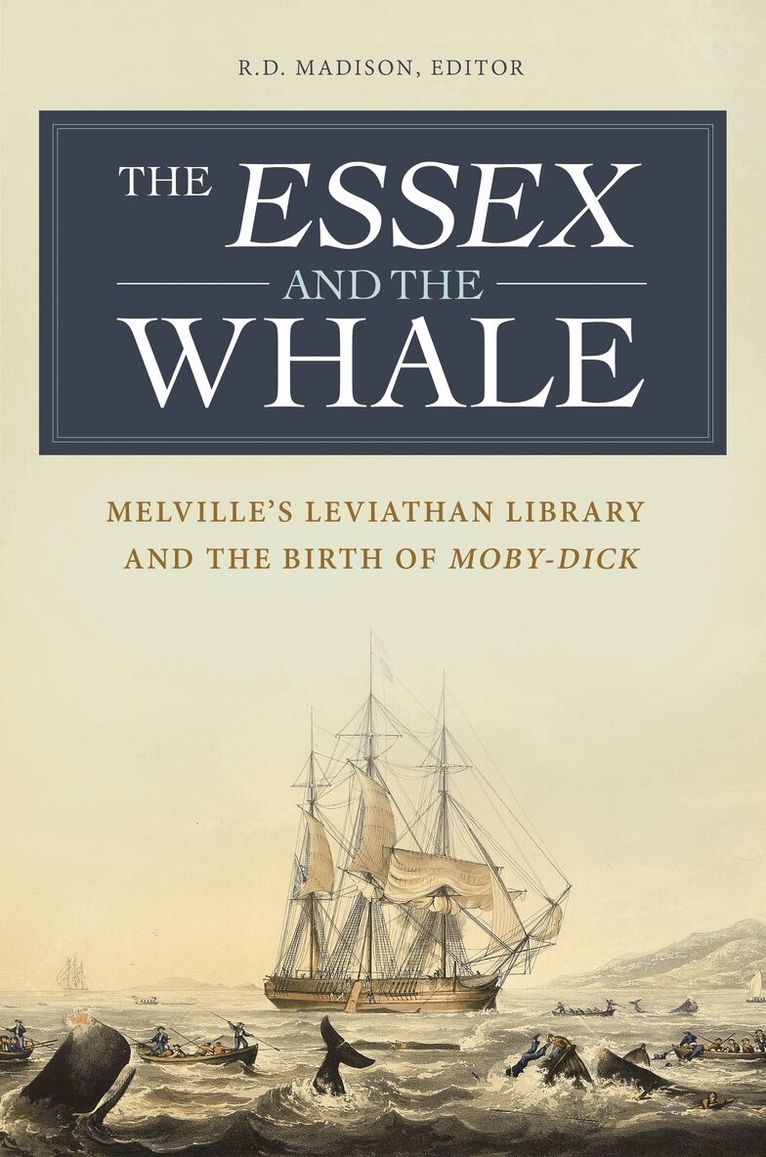
Essex and the Whale
Melville's Leviathan Library and the Birth of Moby-Dick
Inbunden, 2016
986 kr
Lägg i varukorg
This fascinating anthology introduces readers to the literary side of Herman Melville's whaling world with an unprecedented collection of the original whaling texts from which Melville drew to create his masterpiece, Moby-Dick.The notorious 1820 sinking of the whaleship Essex inspired Herman …
Essex and the Whale
Melville'S Leviathan Library and the Birth of Moby-Dick
E-bok, 2016
1076 kr
Lägg i varukorg
This fascinating anthology introduces readers to the literary side of Herman Melville's whaling world with an unprecedented collection of the original whaling texts from which Melville drew to create his masterpiece, Moby-Dick . The notorious 1820 sinking of the whaleship Essex inspired Herman …
Essex and the Whale
Melville'S Leviathan Library and the Birth of Moby-Dick
E-bok, 2016
1024 kr
Lägg i varukorg
This fascinating anthology introduces readers to the literary side of Herman Melville's whaling world with an unprecedented collection of the original whaling texts from which Melville drew to create his masterpiece, Moby-Dick . The notorious 1820 sinking of the whaleship Essex inspired Herman …