R. David Edmunds - Böcker
Visar alla böcker från författaren R. David Edmunds. Handla med fri frakt och snabb leverans.
9 produkter
9 produkter
282 kr
Skickas inom 7-10 vardagar
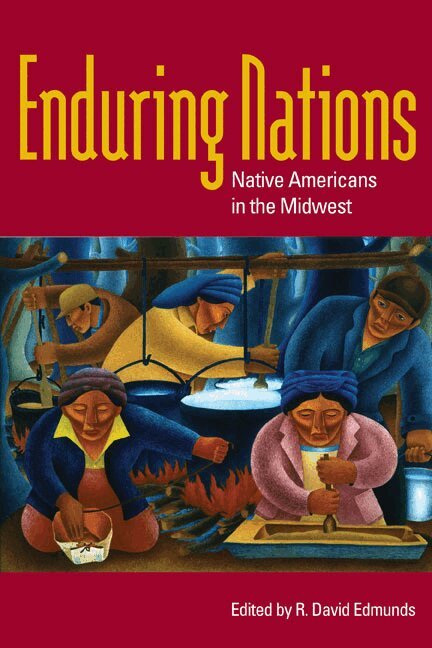
Enduring Nations documents how tribal peoples have adapted to cultural change while shaping midwestern history. Examining the transformation of Native American communities, which often occurred in response to shifting government policy, the contributors explore the role of women, controversial tribal enterprises and economies, social welfare practices, and native peoples' frequent displacement to locations such as reservations and urban centers. Central to both past and contemporary discussions of Native American cultural change is whether Native American identity should be determined by genetics, shared cultural values, or a combination of the two.Contributors are Bradley J. Birzer, Brenda J. Child, Thomas Burnell Colbert, Gregory Evans Dowd, R. David Edmunds, Brian Hosmer, Rebecca Kugel, James B. LaGrand, Melissa L. Meyer, Lucy Eldersveld Murphy, Alan G. Shackelford, Susan Sleeper-Smith, and Stephen Warren.
194 kr
Skickas inom 10-15 vardagar
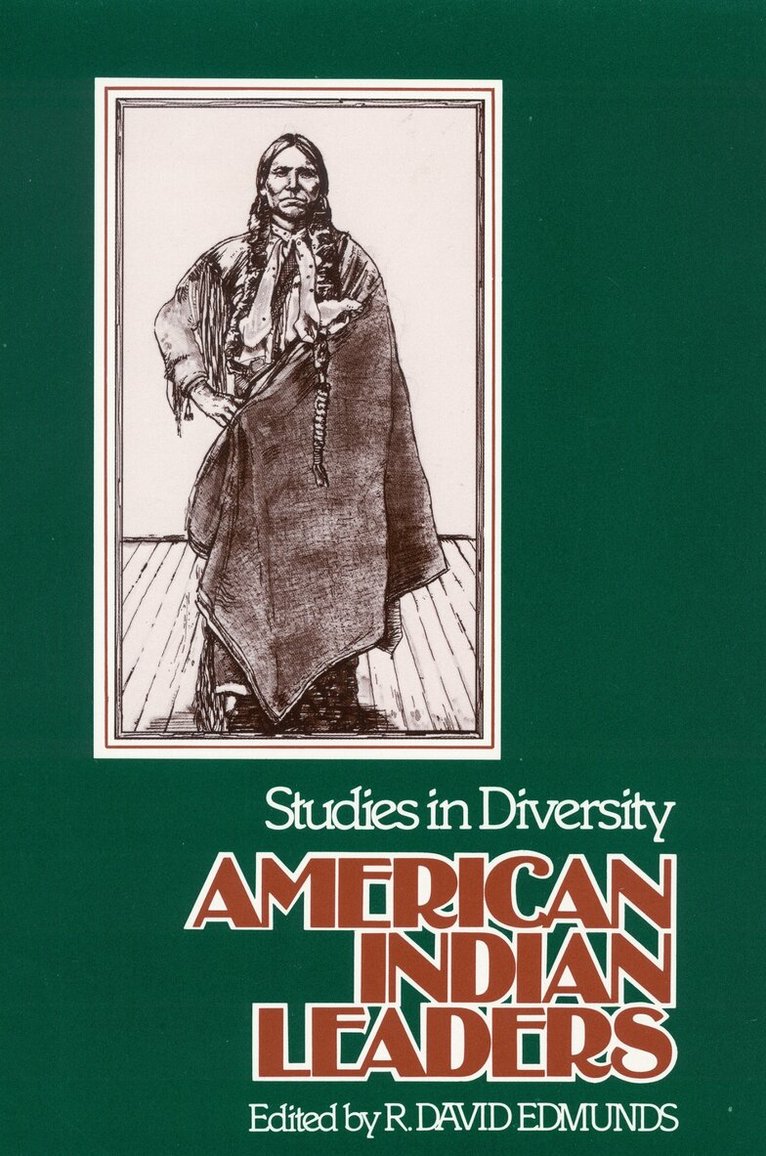
Throughout history, Indian leaders and their methods of leadership have both perplexed and fascinated other Americans. Because war chiefs played leading roles in the confrontations with whites, it is they who most often emerge from the pages of history. But there were many other leaders who sought security for their tribesmen in accommodation or friendship with the Anglo-Americans. Indeed, as the twelve subjects whose careers are examined in this collection illustrate, Indian political leadership has manifested itself in a wide variety of patterns. Spanning the period from colonial times to the present, the essays are devoted to Old Briton, Joseph Brant (or, Thayendenegea), Alexander McGillivray, Red Bird, John Ross, Satanta, Washakie, Sitting Bull, Quanah Parker, Dennis Bushyhead, Carlos Montezuma, and Peter MacDonald.
234 kr
Skickas inom 10-15 vardagar
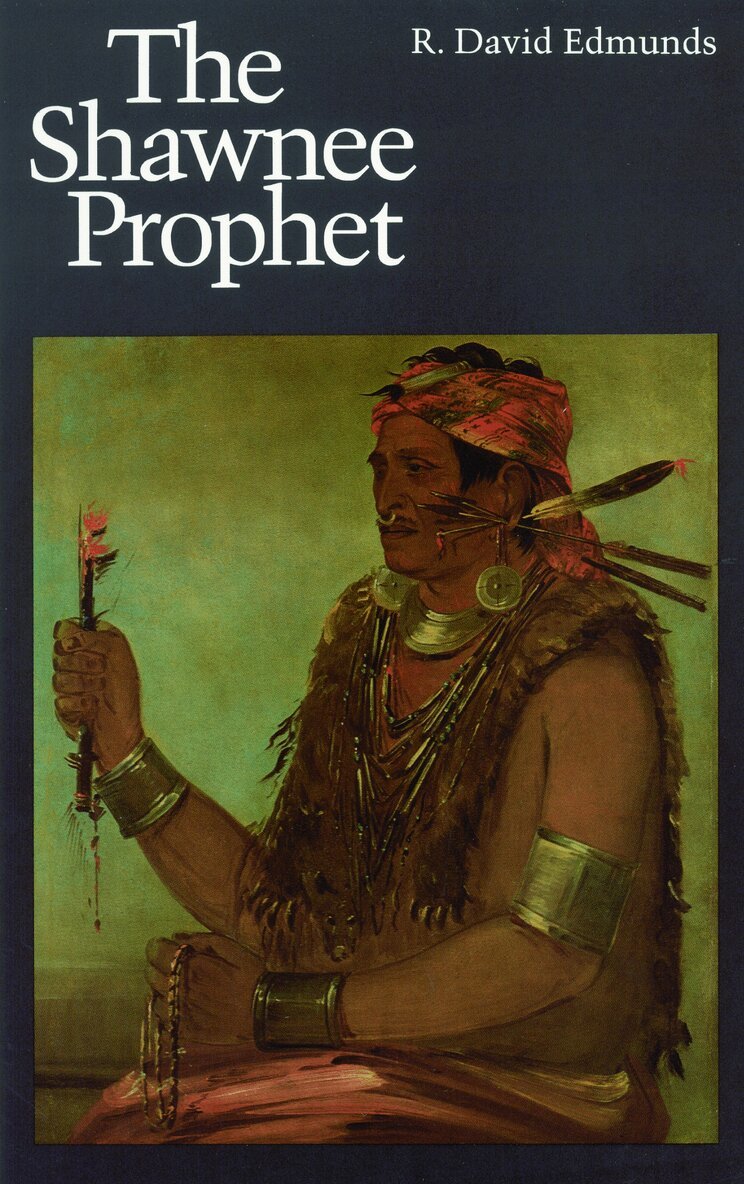
In the early 1800s, when control of the Old Northwest had not yet been assured to the United States, the Shawnee leaders Tecumseh and his brother Tenskwatawa, the Shawnee Prophet, led an intertribal movement culminating at the Battle of Tippecanoe and the Battle of the Thames. Historians have portrayed Tecumseh, the war leader, as the key figure in forging the intertribal confederacy. In this full-length biography of Tenskwatawa, R. David Edmunds shows that, to the contrary, the Shawnee Prophet initiated and for much of the period dominated the movement, providing a set of religious beliefs and ceremonies that revived the tribes' fading power and cohesion.
213 kr
Skickas inom 10-15 vardagar
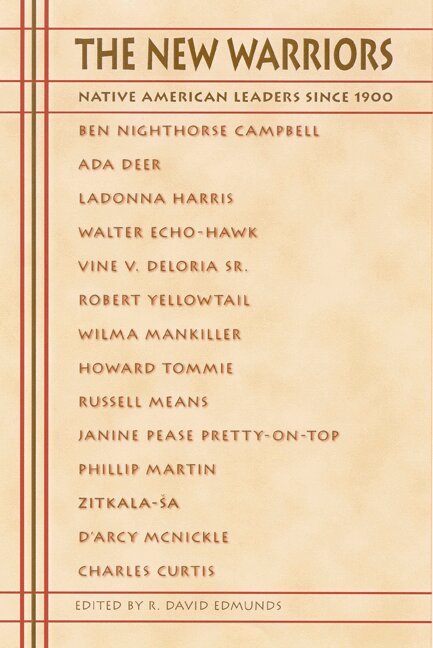
An indispensable introduction to the rich variety of Native leadership in the modern era, The New Warriors profiles Native men and women who have played a significant role in the affairs of their communities and of the nation over the course of the twentieth century. The leaders showcased include the early-twentieth-century writer and activist Zitkala-Ša; American Indian Movement leader Russell Means; political activists Ada Deer and LaDonna Harris; scholar and writer D'Arcy McNickle; orator and Crow Reservation superintendent Robert Yellowtail; U.S. Senators Charles Curtis and Ben Nighthorse Campbell; Episcopal priest Vine V. Deloria Sr.; Howard Tommie, the champion of economic and cultural sovereignty for the Seminole Tribe of Florida; Cherokee chief Wilma Mankiller; Pawnee activist and lawyer Walter Echo-Hawk; Crow educator Janine Pease Pretty-on-Top; and Phillip Martin, a driving force behind the spectacular economic revitalization of the Mississippi Band of Choctaws.
268 kr
Skickas inom 10-15 vardagar
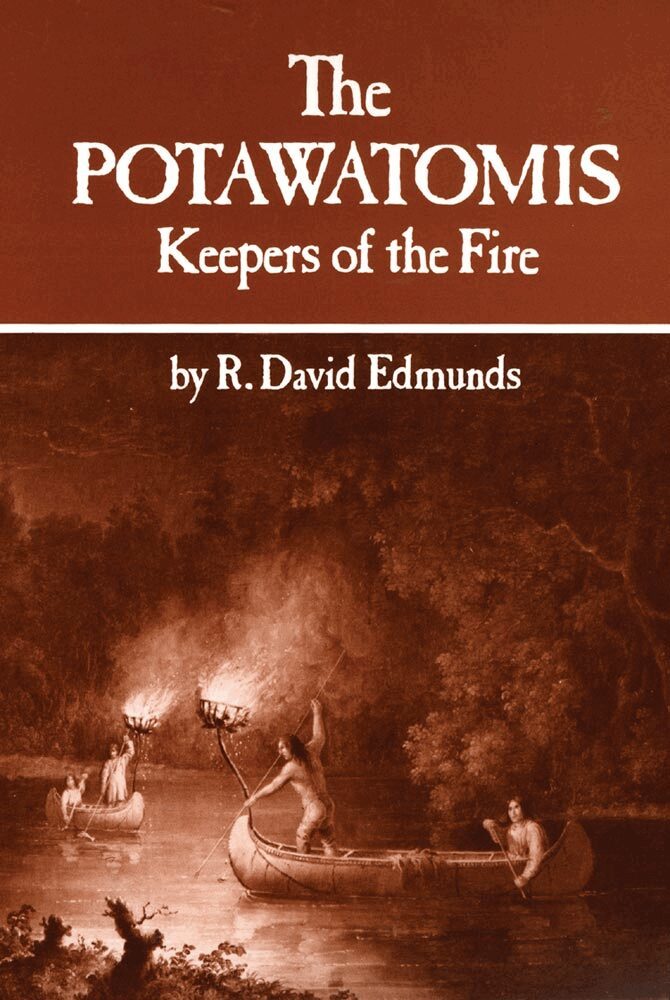
The Potawatomi Indians were the dominant tribe in the region of Wisconsin, Illinois, Indiana, and southern Michigan during the seventeenth and early eighteenth centuries. Active participants in the fur trade, and close friends with many French fur traders and government leaders, the Potawatomis remained loyal to New France throughout the colonial period, resisting the lure of the inexpensive British trade goods that enticed some of their neighbors into alliances with the British. During the colonial wars Potawatomi warriors journeyed far to the south and east to fight alongside their French allies against Braddock in Pennsylvania and other British forces in New York.As French fortunes in the Old Northwest declined, the Potawatomis reluctantly shifted their allegiance to the British Crown, fighting against the Americans during the Revolution, during Tecumseh's uprising, and during the War of 1812.The advancing tide of white settlement in the Potawatomi lands after the wars brought many problems for the tribe. Resisting attempts to convert them into farmers, they took on the life-style of their old friends, the French traders. Raids into western territories by more warlike members of the tribe brought strong military reaction from the United States government and from white settlers in the new territories. Finally, after great pressure by government officials, the Potawatomis were forced to cede their homelands to the United States in exchange for government annuities. Although many of the treaties were fraudulent, government agents forced the tribe to move west of the Mississippi, often with much turmoil and suffering.This volume, the first scholarly history of the Potawatomis and their influence in the Old Northwest, is an important contribution to American Indian history. Many of the tribe's leaders, long forgotten, such as Main Poc, Siggenauk, Onanghisse, Five Medals, and Billy Caldwell, played key roles in the development of Indian-white relations in the Great Lakes region. The Potawatomi experience also sheds light on the development of later United States policy toward Indians of many other tribes.
240 kr
Skickas inom 10-15 vardagar
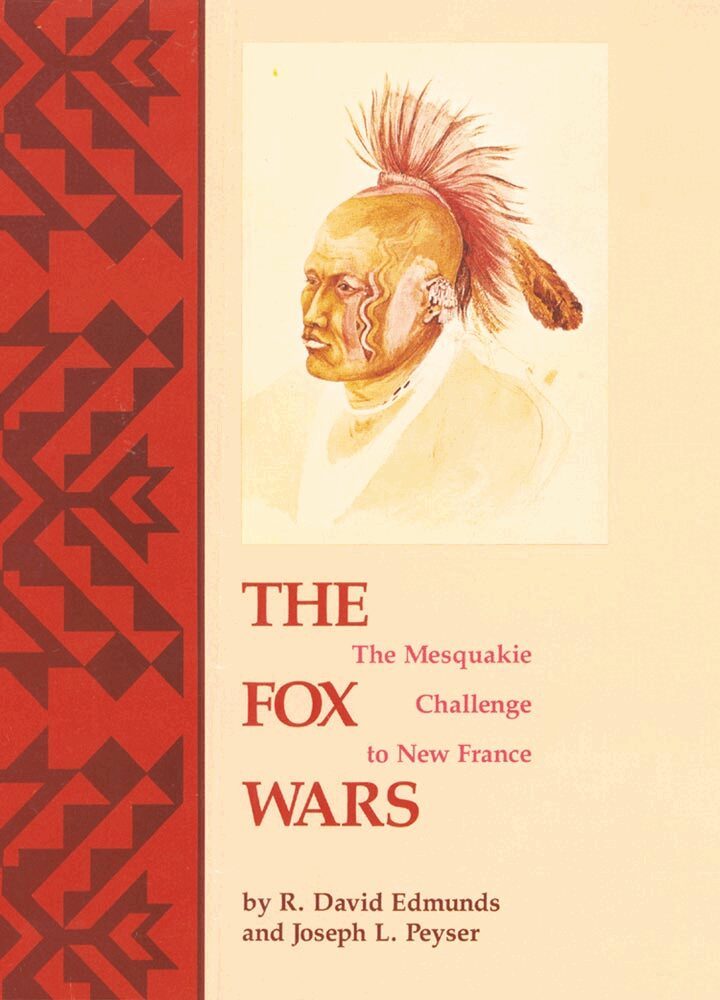
This is the saga of the Fox (or Mesquakie) Indians' struggle to maintain their identity in the face of colonial New France during the late seventeenth and early eighteenth centuries.The Foxes occupied central Wisconsin, where for a long time they had warred with the Sioux and, more recently, had opposed the extension of the French firearm-and-fur trade with their western enemies. Caught between the Sioux anvil and the French hammer, the Foxes enlisted other tribes' support and maintained their independence until the late 1720s. Then the French treacherously offered them peace before launching a campaign of annihilation against them. The Foxes resisted valiantly, but finally were overwhelmed and took sanctuary among the Sac Indians, with whom they are closely associated to this day.
610 kr
Skickas inom 10-15 vardagar
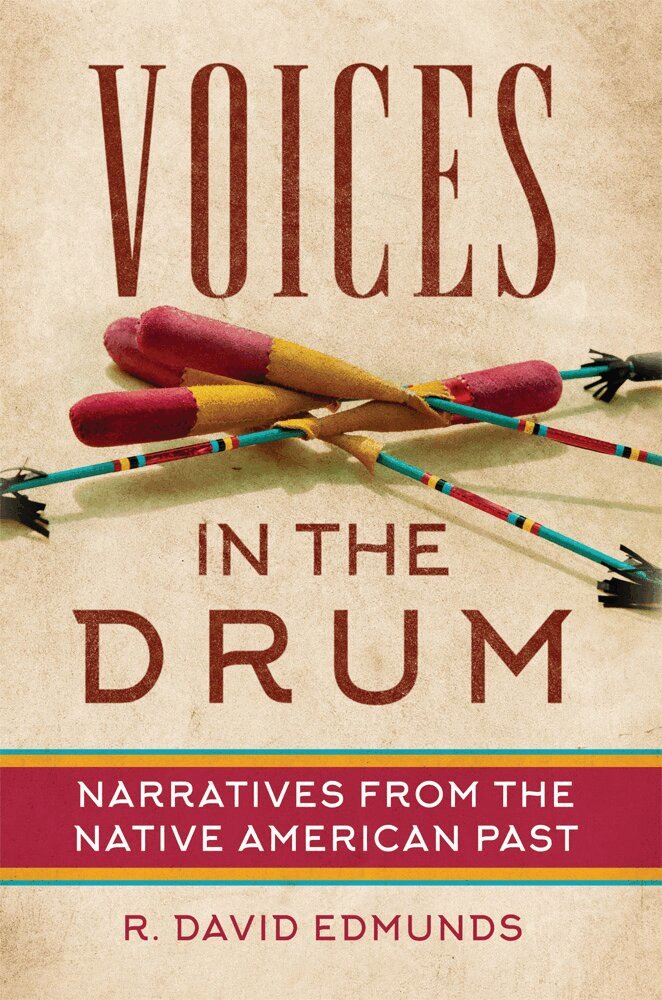
The history of indigenous peoples in North America is long and complex. Many scholarly accounts now rely on statistical data to reconstruct this past, but amid all the facts and figures, it is easy to lose sight of the human side of the story. How did Native people express their thoughts and feelings, and what sources of strength did they rely on to persevere through centuries of change? In this engaging narrative, acclaimed historian R. David Edmunds combines careful research with creative storytelling to give voice to indigenous individuals and families and to illustrate the impact of pivotal events on their lives. A nonfiction account accompanies each narrative to provide necessary historical and cultural context.Voices in the Drum features nine stories, each of which focuses on a fictional character who is a composite, or representation, of historical people. This series of portrayals takes the reader on an epic journey through time, beginning in the early 1400s with the Mound Builder cultures and ending with the modern-day urbanization of Native people. Along the way, we observe fictional characters interacting with real historical figures, such as Anthony Wayne, Tecumseh, and John Sutter, and taking part in actual events, such as the Battle of Fallen Timbers, the Trail of Tears, the California gold rush, and the forced removal of Native children to off-reservation boarding schools.The people portrayed in these pages belong to various tribes, including Potawatomis, Lakotas, Oneidas, and Cherokees. Their individual stories, ranging from humorous to tragic, give readers a palpable sense of how tribal peoples reacted to the disruptive changes forced on them by European colonizers and U.S. government policies.Both entertaining and insightful, the stories in this volume traverse a range of time periods, events, themes, and genres. As such, they reverberate like voices in the drum, inviting readers of all backgrounds to engage anew with the rich history and cultures of indigenous peoples.

322 kr
Skickas inom 10-15 vardagar
The history of indigenous peoples in North America is long and complex. Many scholarly accounts now rely on statistical data to reconstruct this past, but amid all the facts and figures, it is easy to lose sight of the human side of the story. How did Native people express their thoughts and feelings, and what sources of strength did they rely on to persevere through centuries of change? In this engaging narrative, acclaimed historian R. David Edmunds combines careful research with creative storytelling to give voice to indigenous individuals and families and to illustrate the impact of pivotal events on their lives. A nonfiction account accompanies each narrative to provide necessary historical and cultural context.Voices in the Drum features nine stories, each of which focuses on a fictional character who is a composite, or representation, of historical people. This series of portrayals takes the reader on an epic journey through time, beginning in the early 1400s with the Mound Builder cultures and ending with the modern-day urbanization of Native people. Along the way, we observe fictional characters interacting with real historical figures, such as Anthony Wayne, Tecumseh, and John Sutter, and taking part in actual events, such as the Battle of Fallen Timbers, the Trail of Tears, the California gold rush, and the forced removal of Native children to off-reservation boarding schools.The people portrayed in these pages belong to various tribes, including Potawatomis, Lakotas, Oneidas, and Cherokees. Their individual stories, ranging from humorous to tragic, give readers a palpable sense of how tribal peoples reacted to the disruptive changes forced on them by European colonizers and U.S. government policies.Both entertaining and insightful, the stories in this volume traverse a range of time periods, events, themes, and genres. As such, they reverberate like voices in the drum, inviting readers of all backgrounds to engage anew with the rich history and cultures of indigenous peoples.
501 kr
Skickas inom 10-15 vardagar
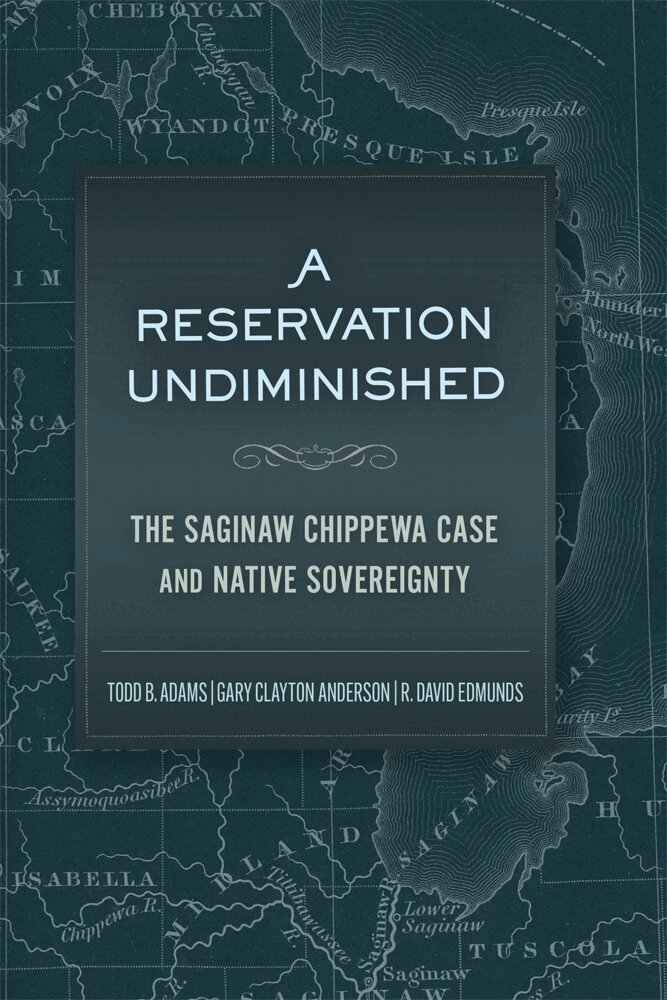
It took more than one hundred years for federal, state, and local governments to recognize the Saginaw Chippewa Tribe’s claim to its Isabella Reservation in central Michigan. This book tells the story of how the tribe persevered and eventually succeeded in having the reservation recognized. It is the story of widespread fraud and oppression perpetrated by non–Native Americans seeking to clearcut the rich Chippewa forest for quick profits, despite the federal government’s solemn promises of protection made to the Saginaw Chippewa nation in treaties.In its account of the legal battle over the Isabella Reservation, Reservation Undiminished explores what Native sovereignty actually means. The authors, three key participants in the case, give an inside view of the case and its historical context. When it began to take shape in 2005, lawyers for five different jurisdictions hired historians and anthropologists to evaluate the Saginaws’ claim and serve as expert witnesses. Two of those historians, Gary C. Anderson and R. David Edmunds, reveal the importance of archival research in demonstrating governments’ continual references to the Saginaw Chippewas’ reservation long after 1875, when the state claimed it ceased to exist. Attorney Todd Adams, who represented the state of Michigan in the case, explores what happened after the state settled with the Saginaw in 2010. He recounts the unlikely collaboration of all parties in resolving the conflict.Reservation Undiminished presents a cohesive narrative of a legal case that testifies to Native persistence in asserting territorial sovereignty in the twenty-first century—and that highlights the potential for conflict resolution in seemingly intractable legal struggles between state, local, and tribal governments.