R. Joseph Parrott - Böcker
Visar alla böcker från författaren R. Joseph Parrott. Handla med fri frakt och snabb leverans.
4 produkter
4 produkter
323 kr
Skickas inom 7-10 vardagar
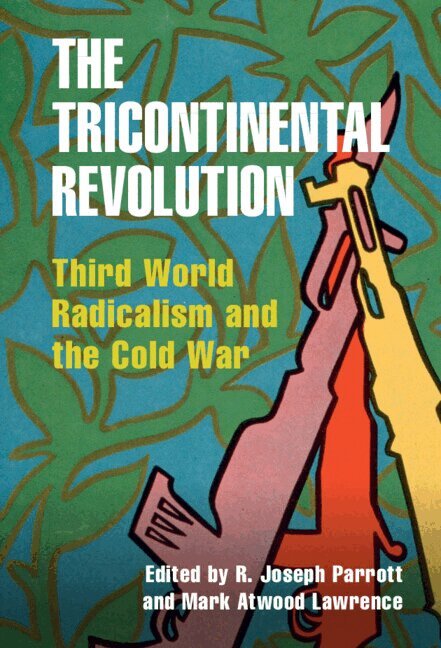
The Tricontinental Revolution provides a major reassessment of the global rise and impact of Tricontinentalism, the militant strand of Third World solidarity that defined the 1960s and 1970s as decades of rebellion. Cold War interventions highlighted the limits of decolonization, prompting a generation of global South radicals to adopt expansive visions of self-determination. Long associated with Cuba, this anti-imperial worldview stretched far beyond the Caribbean to unite international revolutions around programs of socialism, armed revolt, economic sovereignty, and confrontational diplomacy. Linking independent nations with non-state movements from North Vietnam through South Africa to New York City, Tricontinentalism encouraged marginalized groups to mount radical challenges to the United States and the inequitable Euro-centric international system. Through eleven expert essays, this volume recenters global political debates on the priorities and ideologies of the Global South, providing a new framework, chronology, and tentative vocabulary for understanding the evolution of anti-imperial and decolonial politics. This title is also available as Open Access on Cambridge Core.
1 245 kr
Skickas inom 7-10 vardagar
The Tricontinental Revolution provides a major reassessment of the global rise and impact of Tricontinentalism, the militant strand of Third World solidarity that defined the 1960s and 1970s as decades of rebellion. Cold War interventions highlighted the limits of decolonization, prompting a generation of global South radicals to adopt expansive visions of self-determination. Long associated with Cuba, this anti-imperial worldview stretched far beyond the Caribbean to unite international revolutions around programs of socialism, armed revolt, economic sovereignty, and confrontational diplomacy. Linking independent nations with non-state movements from North Vietnam through South Africa to New York City, Tricontinentalism encouraged marginalized groups to mount radical challenges to the United States and the inequitable Euro-centric international system. Through eleven expert essays, this volume recenters global political debates on the priorities and ideologies of the Global South, providing a new framework, chronology, and tentative vocabulary for understanding the evolution of anti-imperial and decolonial politics. This title is also available as Open Access on Cambridge Core.
Dream the Size of Freedom
How African Liberation Mobilized New Left Internationalism
Inbunden, Engelska, 2025
502 kr
Skickas inom 10-15 vardagar
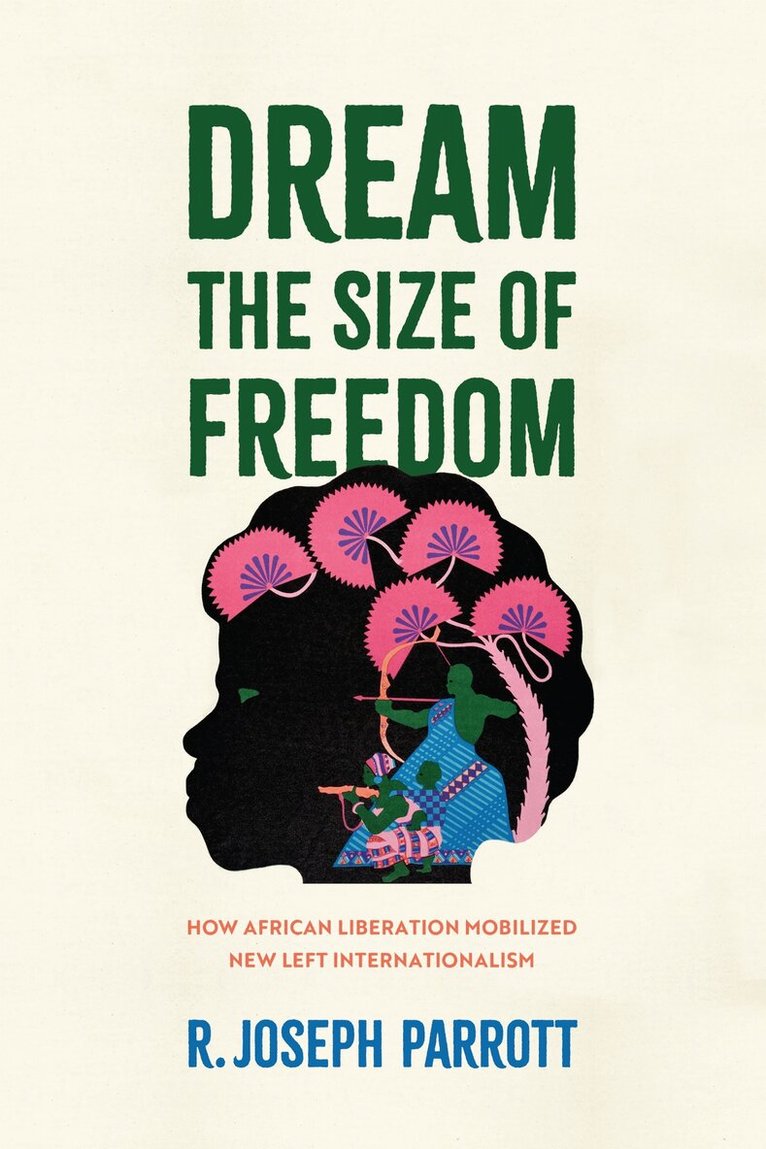
How anti-colonial movements in Angola, Mozambique, and Guinea-Bissau reshaped US activist engagement with the Global South from the 1960s through the 1970sDream the Size of Freedom explores how anti-colonial movements in Angola, Mozambique, and Guinea-Bissau reshaped US activist engagement with the Global South from the 1960s through the 1970s and influenced American foreign policy as the Vietnam War drew to a close. These Portuguese African liberation movements, led by nationalists like Eduardo Mondlane and Amílcar Cabral, built global solidarity networks to support their military and social challenges to empire while defending against Western intervention. US activists disillusioned with the Cold War came to see African self-determination as central to global campaigns for racial and economic justice. A broad coalition ranging from Black Power radicals to religious liberals mobilized against the North Atlantic alliance with Portugal. In the process, this grassroots movement helped define a New Left Internationalism that championed decentralized, multiracial organizing and a collaborative vision of US foreign policy to redress historic inequalities between Global North and South.Drawing on more than fifty oral histories and research in government and activist archives on three continents in English, Portuguese, French, and Afrikaans, R. Joseph Parrott reconstructs the transnational anti-imperial network that injected Global South priorities into US political debates. Popular protests and informational campaigns led to collaborations with legislators eager to constrain the powerful executive branch. In 1976, this grassroots-legislative alliance halted Gerald Ford's anti-communist intervention against the Soviet-backed government of newly independent Angola. This victory of New Left Internationalist ideas anticipated future anti-apartheid and Latin American peace movements while also fueling a conservative revival of Cold War containment. By exploring US engagement with the contested process of African decolonization, Dream the Size of Freedom highlights the origins of two contrasting visions of American foreign policy that defined debates over the country's proper role in the Global South into the 1990s.
Del 83 - Rochester Studies in African History and the Diaspora
African Islands
Leading Edges of Empire and Globalization
Inbunden, Engelska, 2019
1 617 kr
Skickas inom 7-10 vardagar
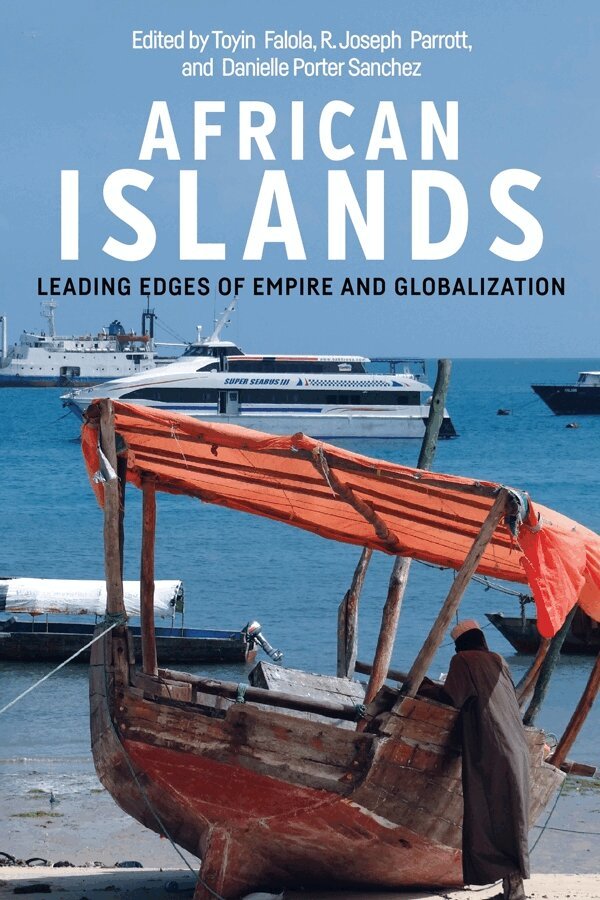
Explores the culturally complex and cosmopolitan histories of islands off the African coastIslands and island chains like Cabo Verde, Madagascar, and Bioko are often sidelined in contemporary understandings of Africa in which mainland nation-states take center stage in the crafting of historical narratives. Yet in the modern period, these small offshore spaces have often played important if inconsistent roles in facilitating intra- and intercontinental exchanges that have had lasting effects on the cultural, economic, and political landscape of Africa.In African Islands: Leading Edges of Empire and Globalism, contributors argue for the importance of Africa's islands in integrating the continent into wider networks of trade and migration that links it with Asia, Europe, and the Americas. Essays consider the cosmopolitan and culturally complex identities of Africa's islands, analyzing the process and extent to which trade, slavery, and migration bonded African elements with Asian, Arabic, and European characteristics over the years. While the continental and island nations have experienced similar cycles of invasion, boom, and bust, essayists note both similarities and striking differences in how these events precipitated economic changes in the different geographic areas. This book, a much-needed broadly comparative study of the African islands, will be an important resource for students and scholars of the region and of topics such as colonialism, economic history, and cultural hybridity.