R. W. Johnson – författare
Visar alla böcker från författaren R. W. Johnson. Handla med fri frakt och snabb leverans.
3 produkter
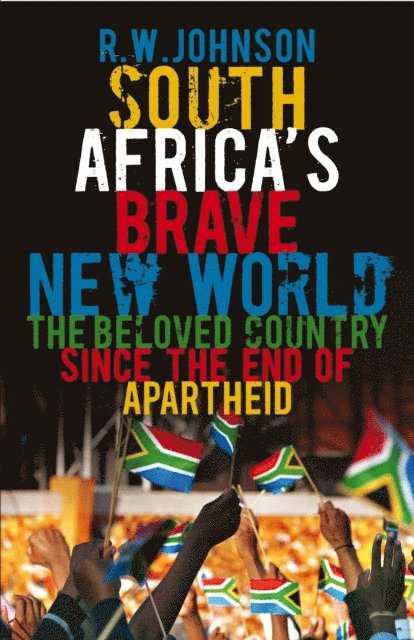
South Africa's Brave New World
The Beloved Country Since the End of Apartheid
E-bok, 2009, 0-3 år
147 kr
Lägg i varukorg
The universal jubilation that greeted Nelson Mandela's inauguration as president of South Africa in 1994 and the process by which the nightmare of apartheid had been banished is one of the most thrilling, hopeful stories in the modern era: peaceful, rational change was possible and, as with the …
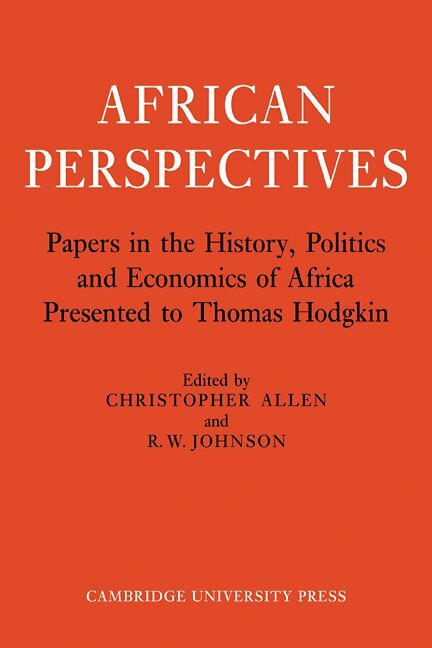
African Perspectives
Papers in the History, Politics and Economics of Africa Presented to Thomas Hodgkin
Av Christopher Allen, R. W. Johnson
Häftad, 2008
846 kr
Lägg i varukorg
Scholars from all over the world contributed to the Festschrift volumes presented as a tribute to Thomas Hodgkin on his sixtieth birthday. This book contains a selection from those contributions, reflecting the wide scope of Hodgkin's own interests, work and influence in the field of African and …
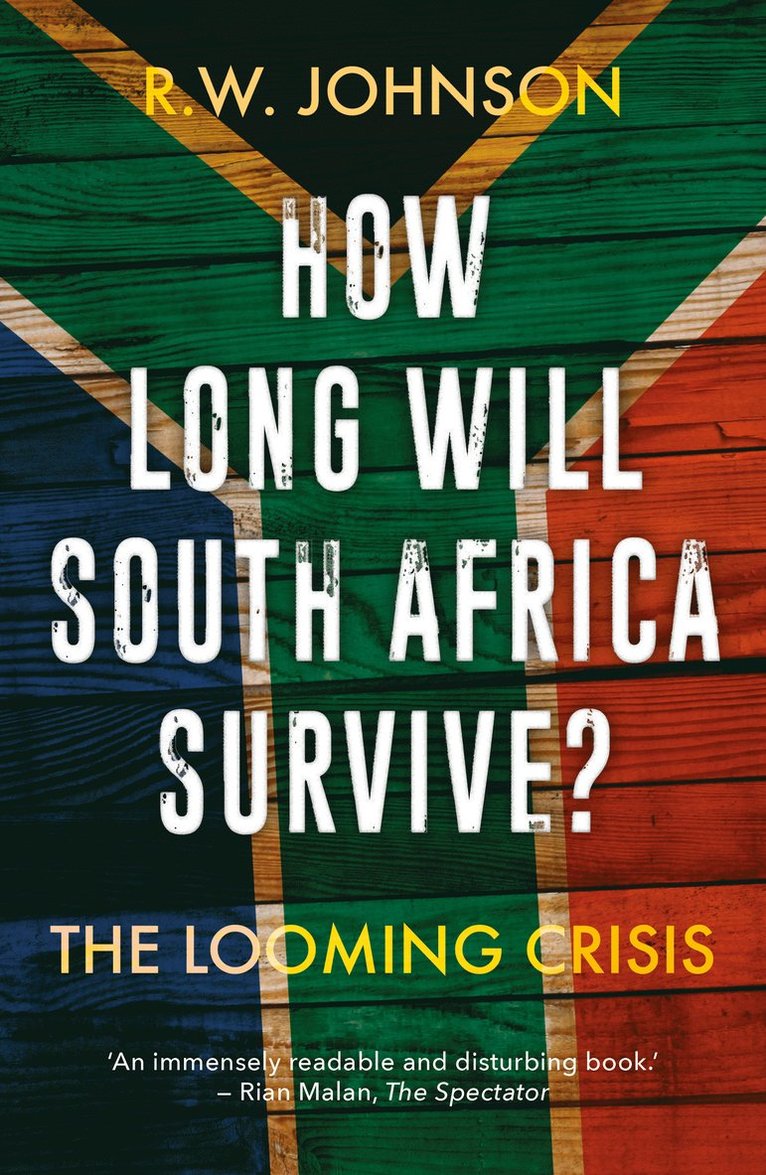
How Long Will South Africa Survive?
The Looming Crisis
Häftad, 2016
225 kr
Lägg i varukorg
In 1977, Johnson's best-selling How Long Will South Africa Survive? offered a controversial and highly original analysis of the survival prospects of apartheid. Now, after more than two decades of the ANC in government, he believes the question must be posed again. 'The big question about ANC …