Rachel A. Shelden – författare
Visar alla böcker från författaren Rachel A. Shelden. Handla med fri frakt och snabb leverans.
9 produkter
Political Nation
New Directions in Mid-Nineteenth-Century American Political History
Av Rachel A. Shelden, Gary W. Gallagher
E-bok, 2012
764 kr
Lägg i varukorg
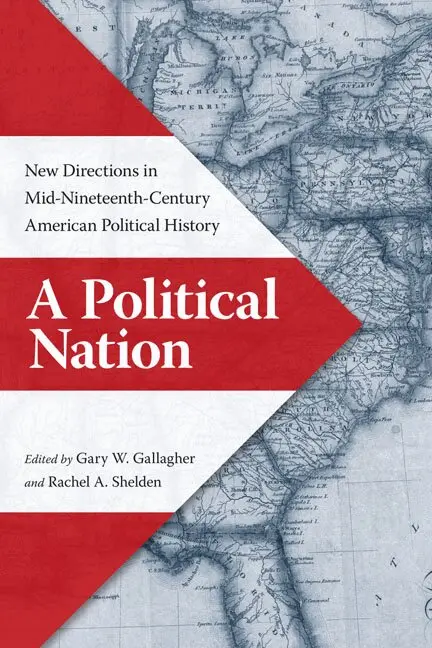
This impressive collection joins the recent outpouring of exciting new work on American politics and political actors in the mid-nineteenth century. For several generations, much of the scholarship on the political history of the period from 1840 to 1877 has carried a theme of failure; after all, …
Washington Brotherhood
Politics, Social Life, and the Coming of the Civil War
E-bok, 2013
268 kr
Lägg i varukorg
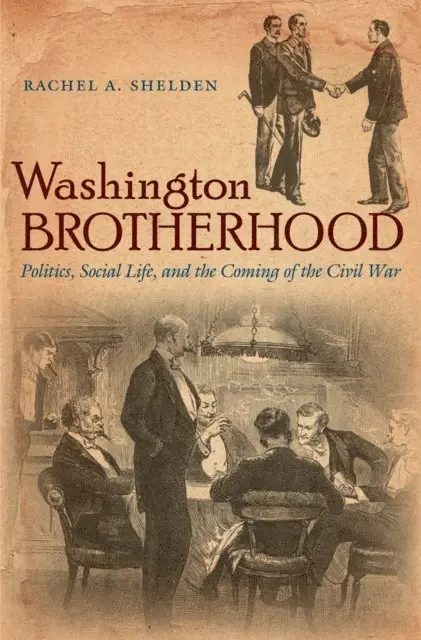
Traditional portrayals of politicians in antebellum Washington, D.C., describe a violent and divisive society, full of angry debates and violent duels, a microcosm of the building animosity throughout the country. Yet, in Washington Brotherhood , Rachel Shelden paints a more nuanced portrait of …
Washington Brotherhood
Politics, Social Life, and the Coming of the Civil War
E-bok, 2013
937 kr
Lägg i varukorg
Traditional portrayals of politicians in antebellum Washington, D.C., describe a violent and divisive society, full of angry debates and violent duels, a microcosm of the building animosity throughout the country. Yet, in Washington Brotherhood , Rachel Shelden paints a more nuanced portrait of …
Washington Brotherhood
Politics, Social Life, and the Coming of the Civil War
Häftad, 2015
402 kr
Lägg i varukorg
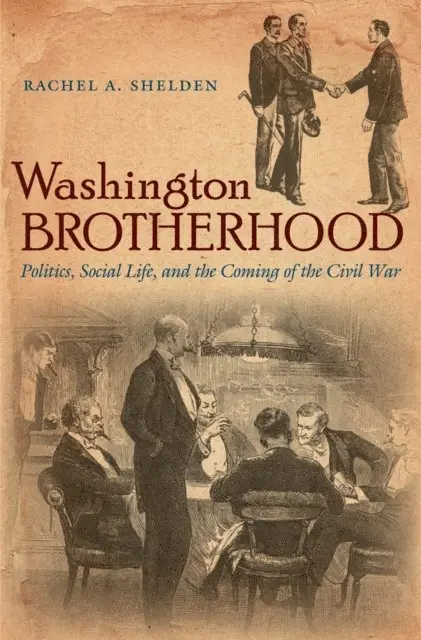
Traditional portrayals of politicians in antebellum Washington, D.C., describe a violent and divisive society, full of angry debates and violent duels, a microcosm of the building animosity throughout the country. Yet, in Washington Brotherhood, Rachel Shelden paints a more nuanced portrait of …
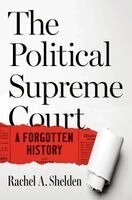
Political Supreme Court
A Forgotten History
Inbunden, 2026
413 kr
Kommande
Today’s Supreme Court justices bristle at the label “politicians in robes,” insisting that they operate above the fray of partisan politics. But for the first century of the nation’s history, the Court was unmistakably a political institution, both by design and in practice. Justices were fully …
Political Supreme Court
A Forgotten History
E-bok, 2026
2360 kr
Kommande
Todays Supreme Court justices bristle at the label politicians in robes, insisting that they operate above the fray of partisan politics. But for the first century of the nations history, the Court was unmistakably a political institution, both by design and in practice. Justices were fully …
Washington Brotherhood
Politics, Social Life, and the Coming of the Civil War
E-bok, 2013
262 kr
Lägg i varukorg
Traditional portrayals of politicians in antebellum Washington, D.C., describe a violent and divisive society, full of angry debates and violent duels, a microcosm of the building animosity throughout the country. Yet, in Washington Brotherhood , Rachel Shelden paints a more nuanced portrait of …
Washington Brotherhood
Politics, Social Life, and the Coming of the Civil War
E-bok, 2013
1204 kr
Lägg i varukorg
Traditional portrayals of politicians in antebellum Washington, D.C., describe a violent and divisive society, full of angry debates and violent duels, a microcosm of the building animosity throughout the country. Yet, in Washington Brotherhood , Rachel Shelden paints a more nuanced portrait of …
Political Nation
New Directions in Mid-Nineteenth-Century American Political History
Av Gallagher, Gary W. Gallagher m. fl.
Inbunden, 2012
616 kr
Tillfälligt slut