Rachel B. Herrmann – författare
Visar alla böcker från författaren Rachel B. Herrmann. Handla med fri frakt och snabb leverans.
6 produkter
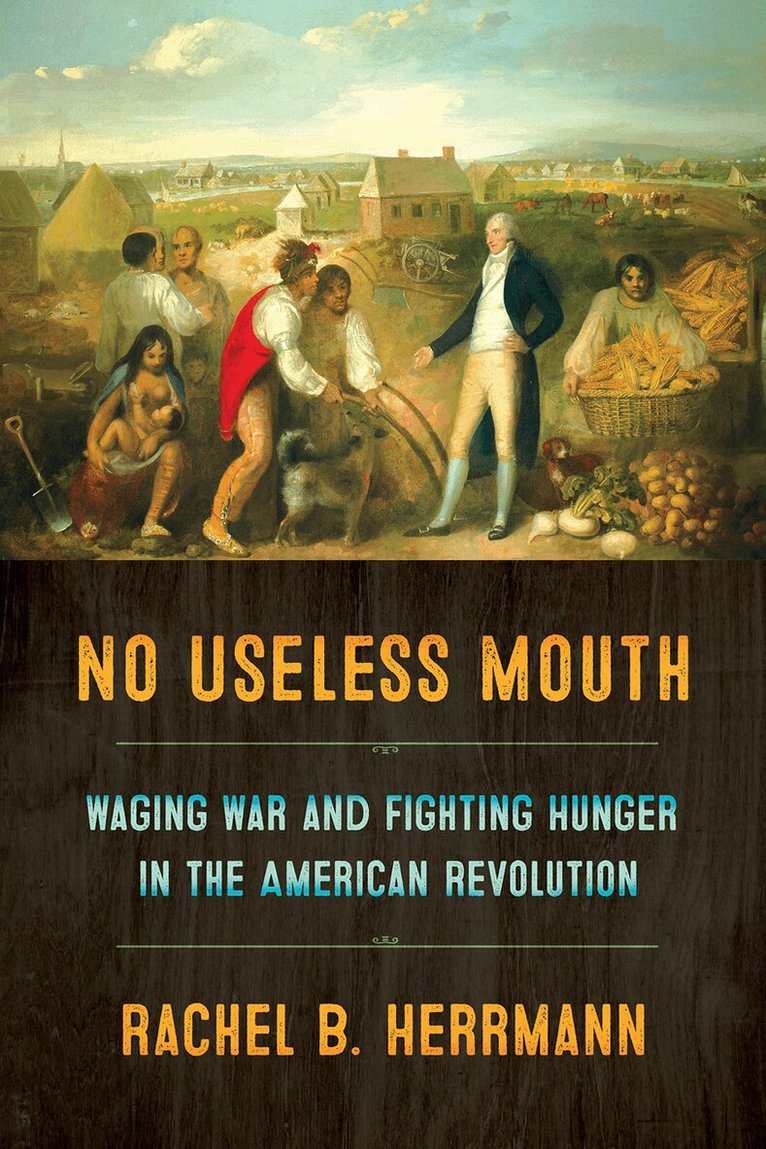
No Useless Mouth
Waging War and Fighting Hunger in the American Revolution
Häftad, 2019
384 kr
Lägg i varukorg
"Rachel B. Herrmann's No Useless Mouth is truly a breath of fresh air in the way it aligns food and hunger as the focal point of a new lens to reexamine the American Revolution. Her careful scrutiny, inclusive approach, and broad synthesisâ•all based on extensive archival researchâ•produced a …
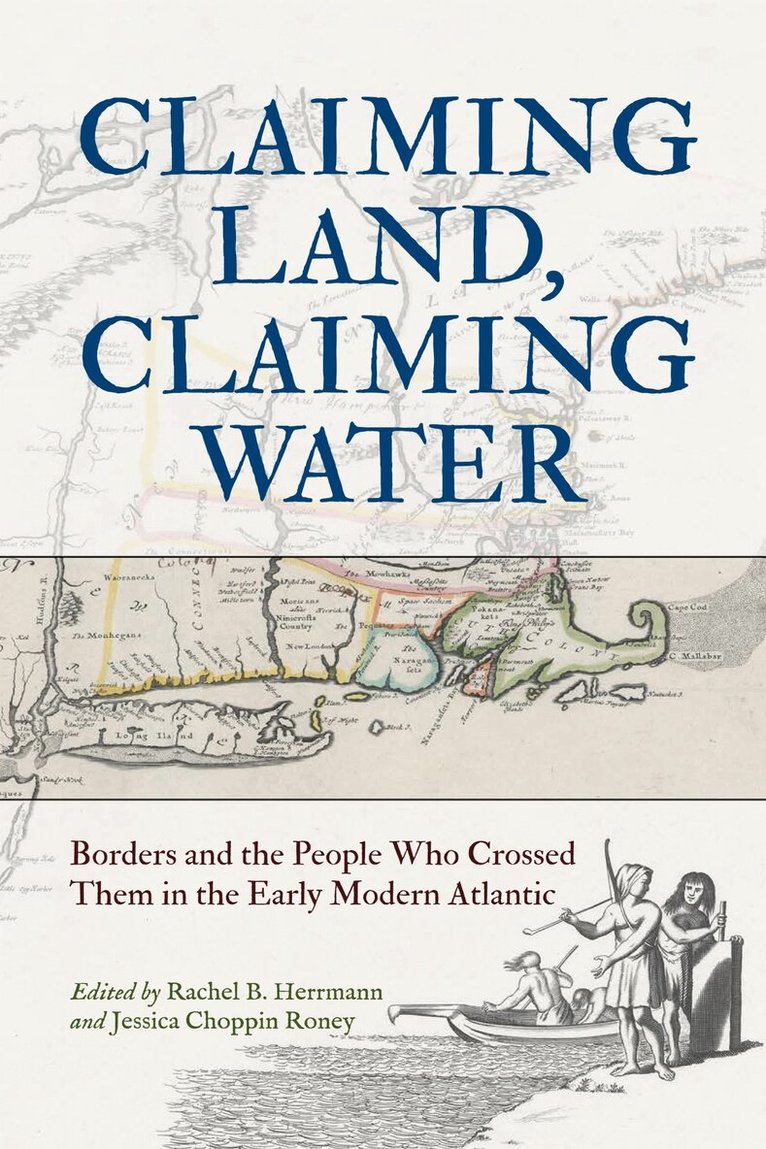
Claiming Land, Claiming Water
Borders and the People Who Crossed Them in the Early Modern Atlantic
Av Rachel B. Herrmann, Jessica Choppin Roney
Inbunden, 2026
754 kr
Lägg i varukorg
Explores how and why people manipulated borders in the early modern Atlantic worldClaiming Land, Claiming Water shares what historians and geographers wish readers knew about maps and borders before, during, and after the founding of the United States. The essays collected in this volume model how …
Claiming Land, Claiming Water
Borders and the People Who Crossed Them in the Early Modern Atlantic
Av Rachel B. Herrmann, Jessica Choppin Roney
E-bok, 2026
668 kr
Lägg i varukorg
Explores how and why people manipulated borders in the early modern Atlantic worldClaiming Land, Claiming Water shares what historians and geographers wish readers knew about maps and borders before, during, and after the founding of the United States. The essays collected in this volume model how …
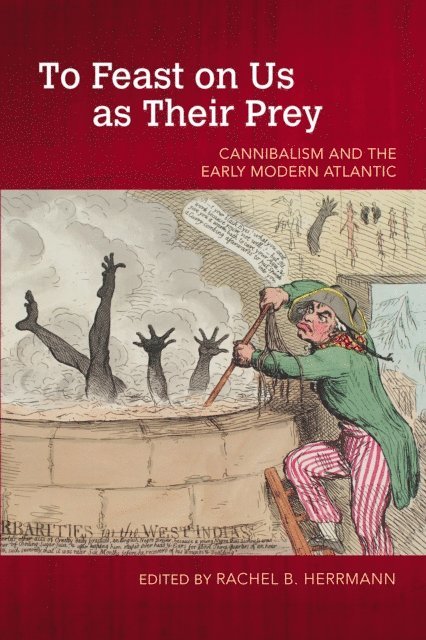
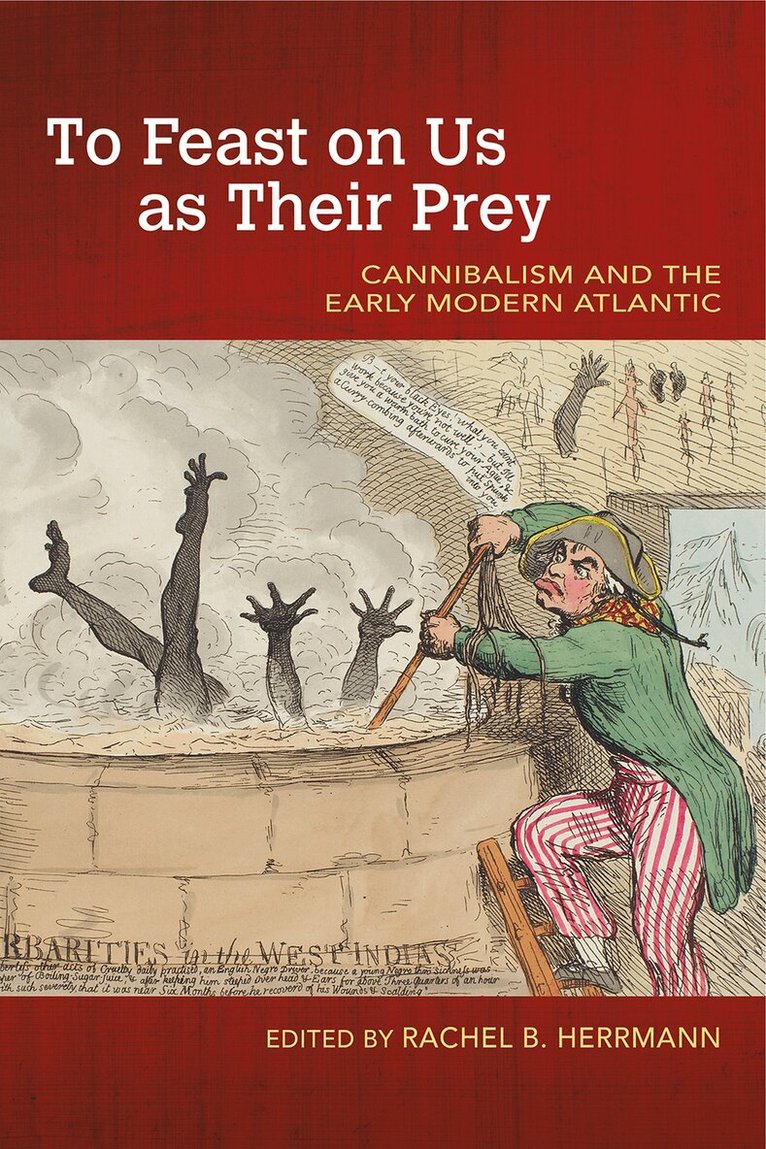
To Feast on Us as Their Prey
Cannibalism and the Early Modern Atlantic
E-bok, 2019
440 kr
Lägg i varukorg
Winner, 2020 Association for the Study of Food and Society Book Award, Edited Volume Long before the founding of the Jamestown, Virginia, colony and its Starving Time of 1609–1610—one of the most famous cannibalism narratives in North American colonial history—cannibalism played an important role …
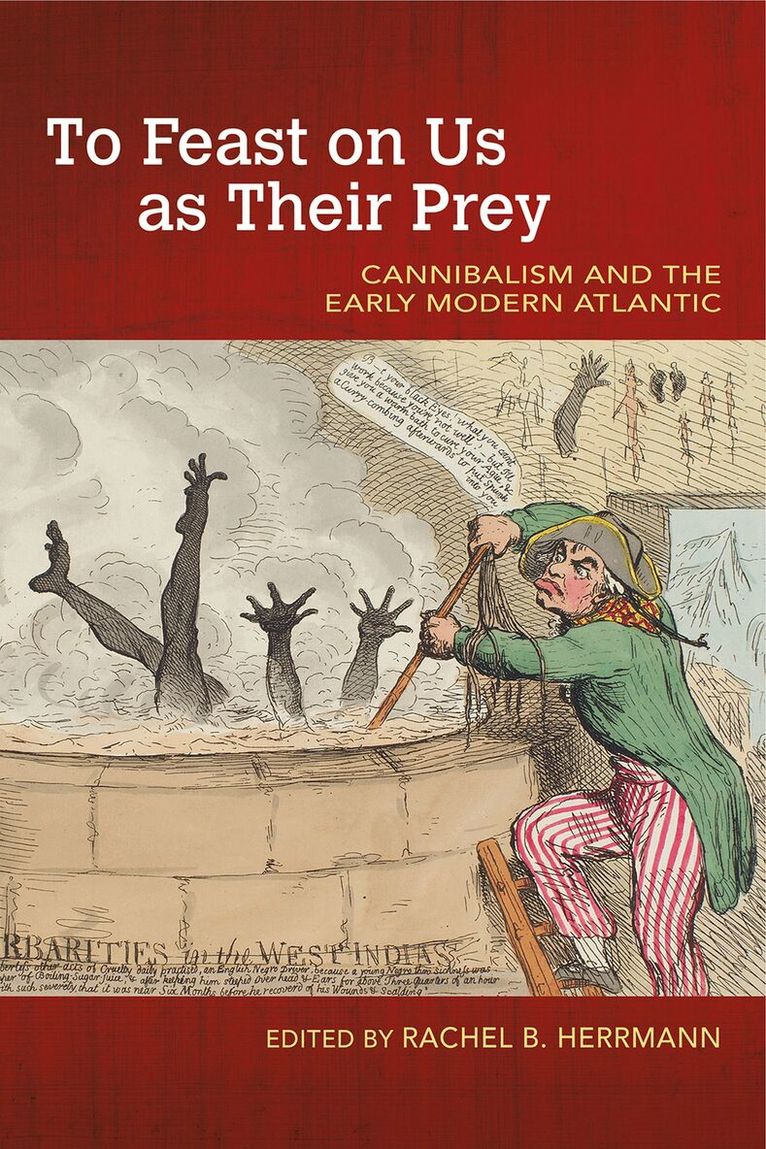
To Feast on Us As Their Prey
Cannibalism and the Early Modern Atlantic
Av Rachel B. Herrmann, Rachel B. Herrmann
Häftad, 2019
338 kr
Lägg i varukorg
Long before the founding of the Jamestown, Virginia, colony and its Starving Time of 1609–1610—one of the most famous cannibalism narratives in North American colonial history—cannibalism, and accusations of cannibalism, played an important role in the history of food, hunger, and moral outrage. …
To Feast on Us As Their Prey
Cannibalism and the Early Modern Atlantic
Av Rachel B. Herrmann, Rachel B. Herrmann
Inbunden, 2019
869 kr
Tillfälligt slut
Long before the founding of the Jamestown, Virginia, colony and its Starving Time of 1609–1610—one of the most famous cannibalism narratives in North American colonial history—cannibalism, and accusations of cannibalism, played an important role in the history of food, hunger, and moral outrage. …