Rachel Condry – författare
Visar alla böcker från författaren Rachel Condry. Handla med fri frakt och snabb leverans.
7 produkter
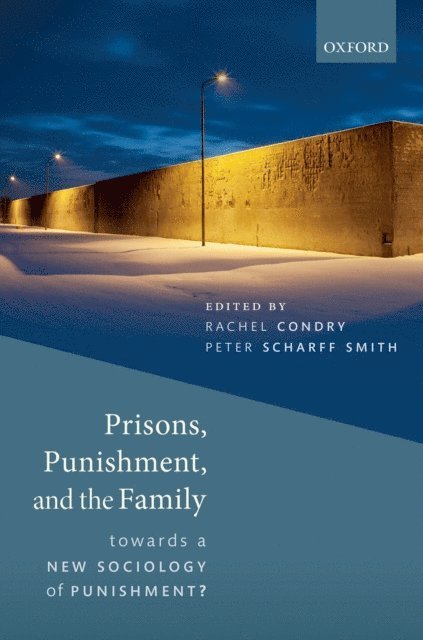
Prisons, Punishment, and the Family
Towards a New Sociology of Punishment?
Av Peter Scharff Smith, Rachel Condry
E-bok, 2018
1215 kr
Lägg i varukorg
Every year millions of families are affected by the imprisonment of a family member. Children of imprisoned parents alone can be counted in millions in the USA and in Europe. It is a bewildering fact that while we have had prisons for centuries, and the deprivation of liberty has been a central …
Prisons, Punishment, and the Family
Towards a New Sociology of Punishment?
Av Peter Scharff Smith, Rachel Condry
E-bok, 2018
1215 kr
Lägg i varukorg
Every year millions of families are affected by the imprisonment of a family member. Children of imprisoned parents alone can be counted in millions in the USA and in Europe. It is a bewildering fact that while we have had prisons for centuries, and the deprivation of liberty has been a central …
Prisons, Punishment, and the Family
Towards a New Sociology of Punishment?
Av SCHARFF SMITH CONDRY, Rachel Condry m. fl.
Inbunden, 2018
1742 kr
Lägg i varukorg
Every year millions of families are affected by the imprisonment of a family member. Children of imprisoned parents alone can be counted in millions in the USA and in Europe. It is a bewildering fact that while we have had prisons for centuries, and the deprivation of liberty has been a central …
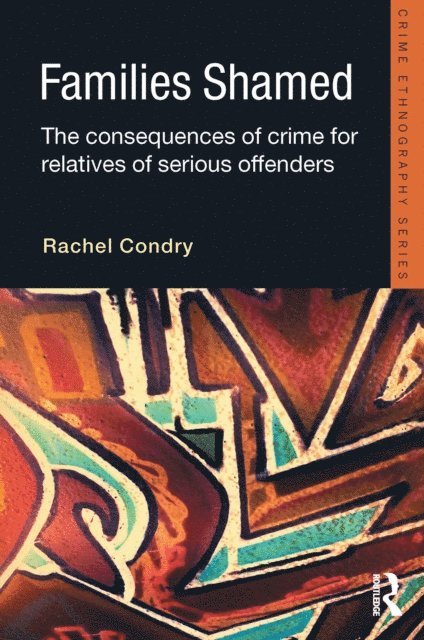
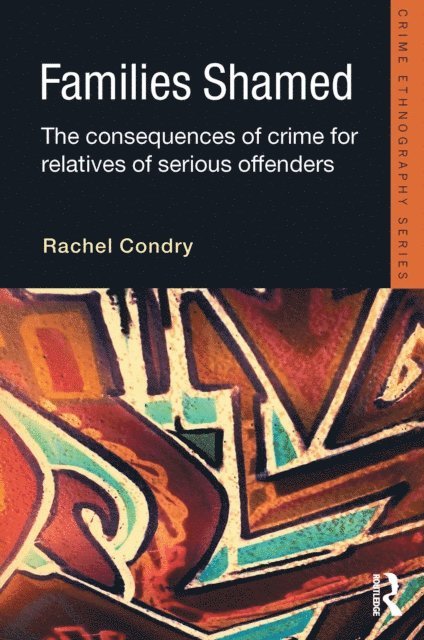
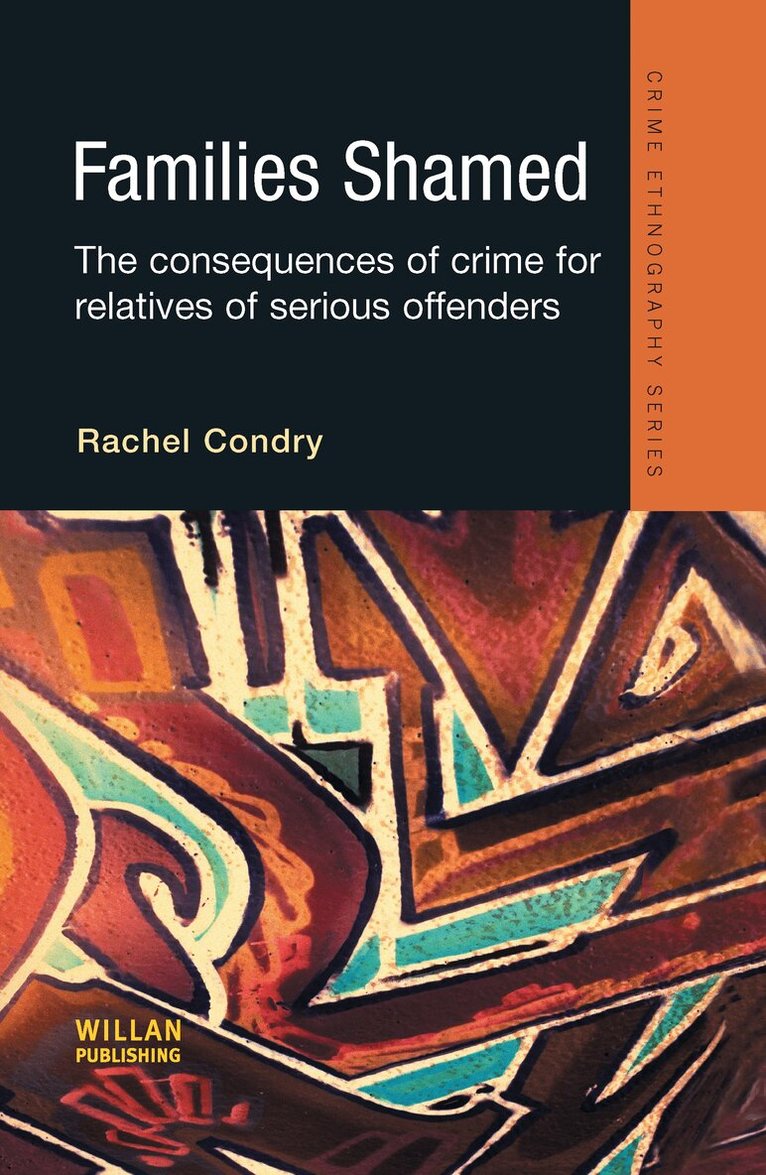
Families Shamed
The Consequences of Crime for Relatives of Serious Offenders
E-bok, 2013
762 kr
Lägg i varukorg
This book examines the experiences of relatives of those accused or convicted of serious crimes such as murder, manslaughter, rape and sex offences. A broader literature exists on prisoners'' families, but few studies have looked specifically at those related to serious offenders, or considered …
Families Shamed
The Consequences of Crime for Relatives of Serious Offenders
E-bok, 2013
762 kr
Lägg i varukorg
This book examines the experiences of relatives of those accused or convicted of serious crimes such as murder, manslaughter, rape and sex offences. A broader literature exists on prisoners'' families, but few studies have looked specifically at those related to serious offenders, or considered …
Families Shamed
The Consequences of Crime for Relatives of Serious Offenders
Inbunden, 2007
2126 kr
Lägg i varukorg
This book examines the experiences of relatives of those accused or convicted of serious crimes such as murder, manslaughter, rape and sex offences. A broader literature exists on prisoners' families, but few studies have looked specifically at those related to serious offenders, or considered …
Families Shamed
The Consequences of Crime for Relatives of Serious Offenders
Häftad, 2009
646 kr
Lägg i varukorg
This book examines the experiences of relatives of those accused or convicted of serious crimes such as murder, manslaughter, rape and sex offences. A broader literature exists on prisoners' families, but few studies have looked specifically at those related to serious offenders, or considered …