
Rachel Feldhay Brenner – författare
Visar alla böcker från författaren Rachel Feldhay Brenner. Handla med fri frakt och snabb leverans.
3 produkter
3 produkter
Häftad, Engelska, 2003
516 kr
Skickas inom 5-8 vardagar
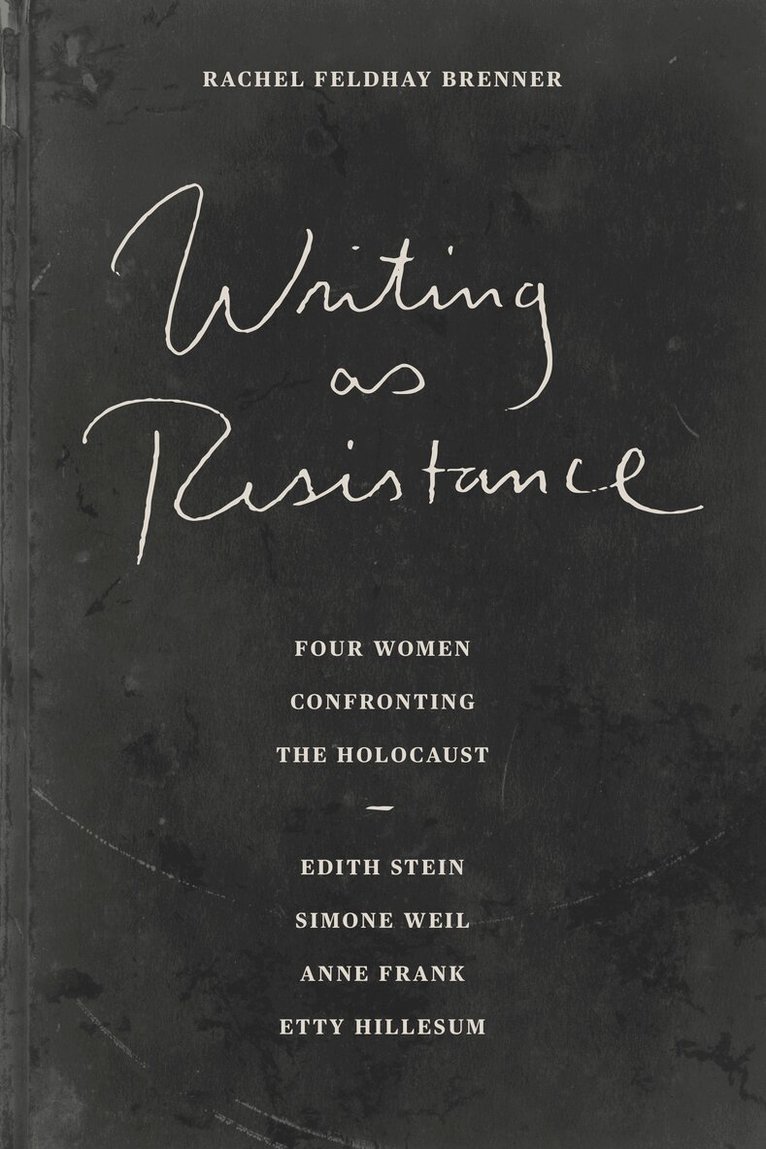
In this moving account of the life, work, and ethics of four Jewish women intellectuals in the world of the Holocaust, Rachel Feldhay Brenner explores the ways in which these women sought to maintain their faith in humanity while aware of intensifying destruction. She argues that through their written responses of autobiographical self-assertion, Edith Stein, Simone Weil, Anne Frank, and Etty Hillesum resisted the Nazi terror in ways that defy its horrifying dehumanization.Personal identity crises engendered the intellectual-spiritual acts of autobiographical self-searching for each of these women. About to become a nun in 1933, Edith Stein embarked on her autobiography as a daughter of a Jewish family. Fleeing France and deportation in 1942, Simone Weil examined her inner struggle with faith and the Church in her "Spiritual Autobiography." Hiding for more than two years in the attic, Anne Frank poignantly confided in her diary about her efforts to become a better person. Having volunteered as a social worker in Westerbork, Etty Hillesum searched her soul for love in the reality of terror. In each case, autobiographical writing becomes an act of defiance that asserts humanity in a dehumanized/dehumanizing world.By focusing on the four women's accomplishments as intellectuals, writers, and thinkers, Brenner's account liberates them from other posthumous treatments that depict them as symbols of altruism, sanctity, and victimization. Her approach also elucidates the particular predicament of Western Jewish intellectuals who trusted the ideals of the Enlightenment and believed in human fellowship. While suffering the terror of physical annihilation decreed by the Final Solution, these Jews had to contend with their exclusion from the world that they considered theirs. On yet another level, this study of four extraordinary life stories contributes to a deeper understanding of the postwar development of ethical, theological, and feminist thought. In showing concern about a world that had ceased to care for them, Stein, Weil, Frank, and Hillesum demonstrated that the meaning of human existence consisted in the responsibility for the other, in the protection of the suffering God, in the primary value of relatedness through empathy. Arguing that their ethical tenets anticipated the thought of such postwar thinkers as Levinas, Fackenheim, Tillich, Arendt, and Nodding, Brenner proposes that the breakup of the humanist tradition of the Enlightenment in the Holocaust engendered the postwar exploration of humanist potential in self-givenness to the other.
Häftad, Engelska, 2019
453 kr
Skickas inom 5-8 vardagar
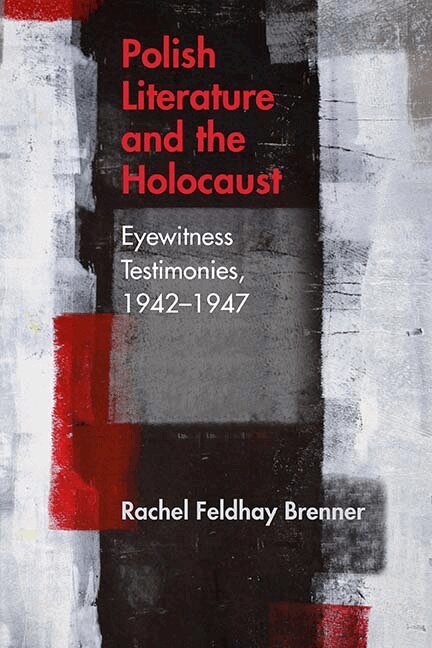
In this pathbreaking study of responses to the Holocaust in wartime and postwar Polish literature, Rachel Feldhay Brenner explores seven writers' compulsive need to share their traumatic experience of witness with the world. The Holocaust put the ideological convictions of Kornel Filipowicz, Józef Mackiewicz, Tadeusz Borowski, Zofia Kossak, Leopold Buczkowski, Jerzy Andrzejewski, and Stefan Otwinowski to the ultimate test. Tragically, witnessing the horror of the Holocaust implied complicity with the perpetrator and produced an existential crisis that these writers, who were all exempted from the genocide thanks to their non-Jewish identities, struggled to resolve in literary form.Poland and the Holocaust: Literary Testimonies, 1942–1947 is a particularly timely book in view of the continuing debates about the attitudes of Poles toward the Jews during the war. The literary voices from the past that Brenner examines posit questions that are as pertinent now as they were then. And so, while this book speaks to readers who are interested in literary responses to the Holocaust, it also illuminates the universal issue of the responsibility of witnesses toward the victims of any atrocity.
Inbunden, Engelska, 2019
1 501 kr
Skickas inom 10-15 vardagar
In this pathbreaking study of responses to the Holocaust in wartime and postwar Polish literature, Rachel Feldhay Brenner explores seven writers' compulsive need to share their traumatic experience of witness with the world. The Holocaust put the ideological convictions of Kornel Filipowicz, Józef Mackiewicz, Tadeusz Borowski, Zofia Kossak, Leopold Buczkowski, Jerzy Andrzejewski, and Stefan Otwinowski to the ultimate test. Tragically, witnessing the horror of the Holocaust implied complicity with the perpetrator and produced an existential crisis that these writers, who were all exempted from the genocide thanks to their non-Jewish identities, struggled to resolve in literary form.Poland and the Holocaust: Literary Testimonies, 1942–1947 is a particularly timely book in view of the continuing debates about the attitudes of Poles toward the Jews during the war. The literary voices from the past that Brenner examines posit questions that are as pertinent now as they were then. And so, while this book speaks to readers who are interested in literary responses to the Holocaust, it also illuminates the universal issue of the responsibility of witnesses toward the victims of any atrocity.