Rachel Morley – författare
Visar alla böcker från författaren Rachel Morley. Handla med fri frakt och snabb leverans.
3 produkter
3 produkter
466 kr
Skickas inom 10-15 vardagar
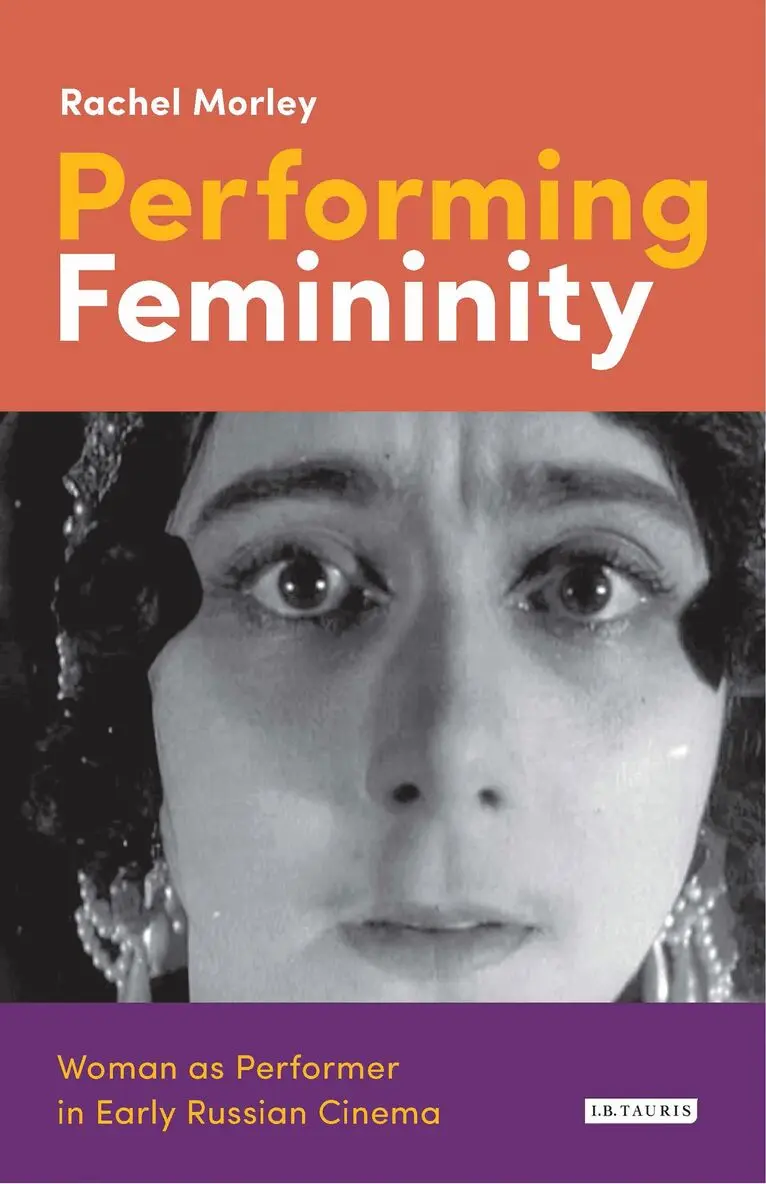
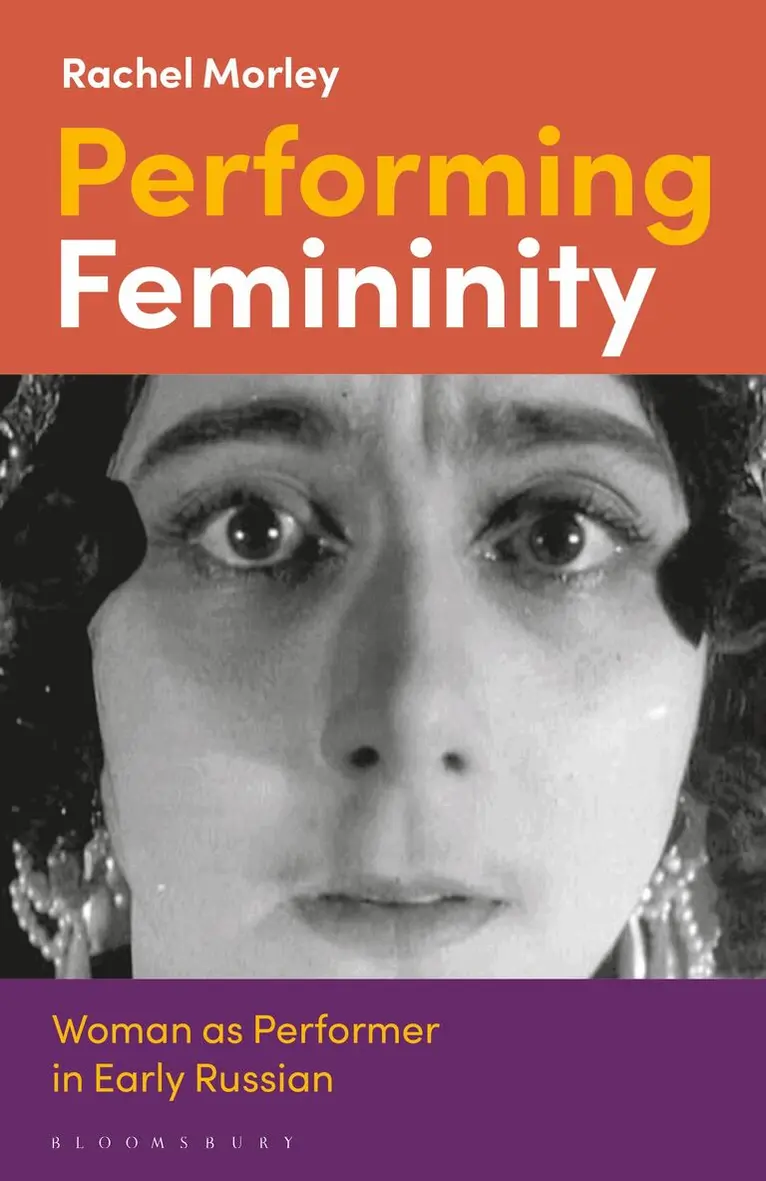
Oriental dancers, ballerinas, actresses and opera singers the figure of the female performer is ubiquitous in the cinema of pre-Revolutionary Russia. From the first feature film, Romashkov's Stenka Razin (1908), through the sophisticated melodramas of the 1910s, to Viskovsky's The Last Tango (1918), made shortly before the pre-Revolutionary film industry was dismantled by the new Soviet government, the female performer remains central. In this groundbreaking new study, Rachel Morley argues that early Russian film-makers used the character of the female performer to explore key contemporary concerns from changing conceptions of femininity and the emergence of the so-called New Woman, to broader questions concerning gender identity. Morley also reveals that the film-makers repeatedly used this archetype of femininity to experiment with cinematic technology and develop a specific cinematic language."

1 897 kr
Skickas inom 10-15 vardagar
Oriental dancers, ballerinas, actresses and opera singers the figure of the female performer is ubiquitous in the cinema of pre-Revolutionary Russia. From the first feature film, Romashkov's Stenka Razin (1908), through the sophisticated melodramas of the 1910s, to Viskovsky's The Last Tango (1918), made shortly before the pre-Revolutionary film industry was dismantled by the new Soviet government, the female performer remains central. In this groundbreaking new study, Rachel Morley argues that early Russian film-makers used the character of the female performer to explore key contemporary concerns from changing conceptions of femininity and the emergence of the so-called New Woman, to broader questions concerning gender identity. Morley also reveals that the film-makers repeatedly used this archetype of femininity to experiment with cinematic technology and develop a specific cinematic language."
227 kr
Kommande
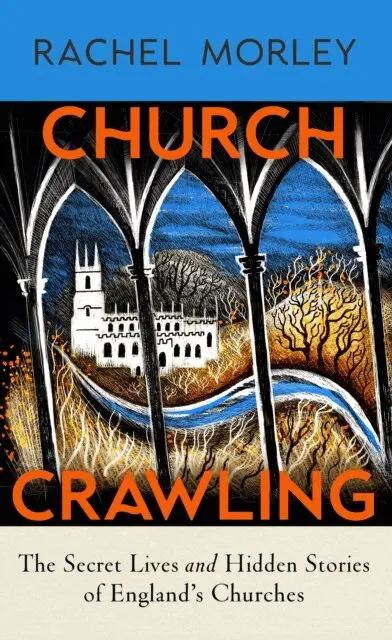
A transporting and gloriously entertaining journey through the hidden lives of England’s rural parish churches – from building conservator and church ‘rescuer’ Rachel MorleyThe poet John Betjeman coined the phrase ‘church crawling’ to describe his days out visiting churches. In the spirit of Betjeman, Rachel Morley’s book captures the magical experience of poking around a dusty village church, only to have it transform – through her expert eyes – into a portal to the past, one that brings England’s people and history to life in the most colourful, moving and unexpected ways.Through their wall-paintings and monuments, their graffiti and plaques, their jumble of furniture and curios, Morley shows these buildings to be the expression of centuries of communal memory and folk culture – time capsules of connection to ancient and medieval ways of thinking, to revolutions and wars, to lives both glorious and humble. Along our journey we meet the Lincolnshire hermit who squeezed a devil from a man with his belt, the lovers struck by lightning before they could get married and the rope-sliding steeplejack who flew from a spire – before falling to his death. We discover the folk cure, ‘poor man’s aspirin’, and how it explains the gashes in church walls, we follow Victor Frankenstein into a charnel house to collect parts for his monster, and we learn how Thomas Hardy’s heart got eaten by a cat.Too many of England’s fifteen thousand parish churches are now neglected and crumbling. Church Crawling helps us to see them for what they really are: places that thrum with the drama of life, and an incomparable treasure trove that offers as close an encounter with our past as it is possible to get.