Rachel S. Gross - Böcker
Visar alla böcker från författaren Rachel S. Gross. Handla med fri frakt och snabb leverans.
3 produkter
3 produkter
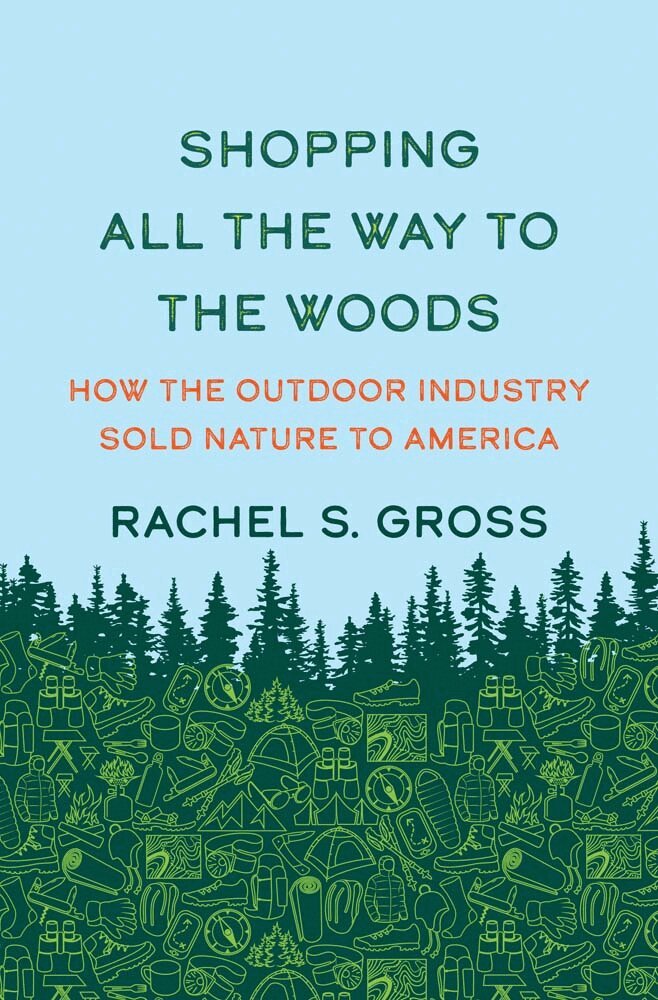
Shopping All the Way to the Woods
How the Outdoor Industry Sold Nature to America
Inbunden, Engelska, 2024
307 kr
Skickas inom 7-10 vardagar
A fascinating history of the profitable paradox of the American outdoor experience: visiting nature first requires shopping No escape to nature is complete without a trip to an outdoor recreational store or a browse through online offerings. This is the irony of the American outdoor experience: visiting wild spaces supposedly untouched by capitalism first requires shopping. With consumers spending billions of dollars on clothing and equipment each year as they seek out nature, the American outdoor sector grew over the past 150 years from a small collection of outfitters to an industry contributing more than 2 percent of the nation’s economic output. Rachel S. Gross argues that this success was predicated not just on creating functional equipment but also on selling an authentic, anticommercial outdoor identity. In other words, shopping for the woods was also about being—or becoming—the right kind of person. Demonstrating that outdoor culture is commercial culture, Gross examines Americans’ journey toward outdoor expertise by tracing the development of the nascent outdoor goods industry, the influence of World War II on its growth, and the boom years of outdoor businesses.
1 259 kr
Skickas inom 5-8 vardagar
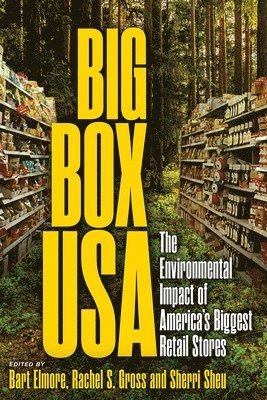
Big Box USA presents a new look at how the big box retail store has dramatically reshaped the US economy and its ecosystems in the last half century. From the rural South to the frigid North, from inside stores to ecologies far beyond, this book examines the relationships that make up one of the most visible features of late twentieth-century and early twenty-first-century American life. The rise of big box retail since the 1960s has transformed environments on both local and global scales. Almost everyone has explored the aisles of big box stores. The allure of “everyday low prices” and brightly colored products of every kind connect shoppers with a global marketplace. Contributors join a growing conversation between business and environmental history, addressing the ways American retail institutions have affected physical and cultural ecologies around the world. Essays on Walmart, Target, Cabela’s, REI, and Bass Pro Shops assess the “bigness” of these superstores from “smokestacks to coat racks” and contend that their ecological impacts are not limited to the footprints of parking lots and manufacturing but also play a didactic role in educating consumers about their relationships with the environment. A model for historians seeking to bring business and environmental histories together in their analyses of merchant capital’s role in the landscapes of everyday life and how it has remade human relationships with nature, Big Box USA is a must-read for students and scholars of the environment, business, sustainability, retail professionals, and a general audience.
349 kr
Skickas inom 5-8 vardagar
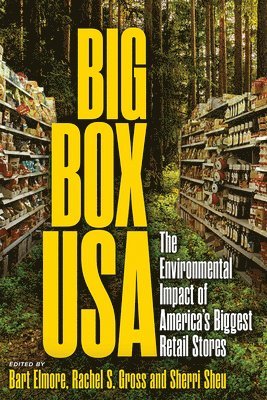
Big Box USA presents a new look at how the big box retail store has dramatically reshaped the US economy and its ecosystems in the last half century. From the rural South to the frigid North, from inside stores to ecologies far beyond, this book examines the relationships that make up one of the most visible features of late twentieth-century and early twenty-first-century American life. The rise of big box retail since the 1960s has transformed environments on both local and global scales. Almost everyone has explored the aisles of big box stores. The allure of “everyday low prices” and brightly colored products of every kind connect shoppers with a global marketplace. Contributors join a growing conversation between business and environmental history, addressing the ways American retail institutions have affected physical and cultural ecologies around the world. Essays on Walmart, Target, Cabela’s, REI, and Bass Pro Shops assess the “bigness” of these superstores from “smokestacks to coat racks” and contend that their ecological impacts are not limited to the footprints of parking lots and manufacturing but also play a didactic role in educating consumers about their relationships with the environment. A model for historians seeking to bring business and environmental histories together in their analyses of merchant capital’s role in the landscapes of everyday life and how it has remade human relationships with nature, Big Box USA is a must-read for students and scholars of the environment, business, sustainability, retail professionals, and a general audience.