Rachel Weiss – författare
Visar alla böcker från författaren Rachel Weiss. Handla med fri frakt och snabb leverans.
5 produkter
5 produkter
510 kr
Skickas inom 11-20 vardagar
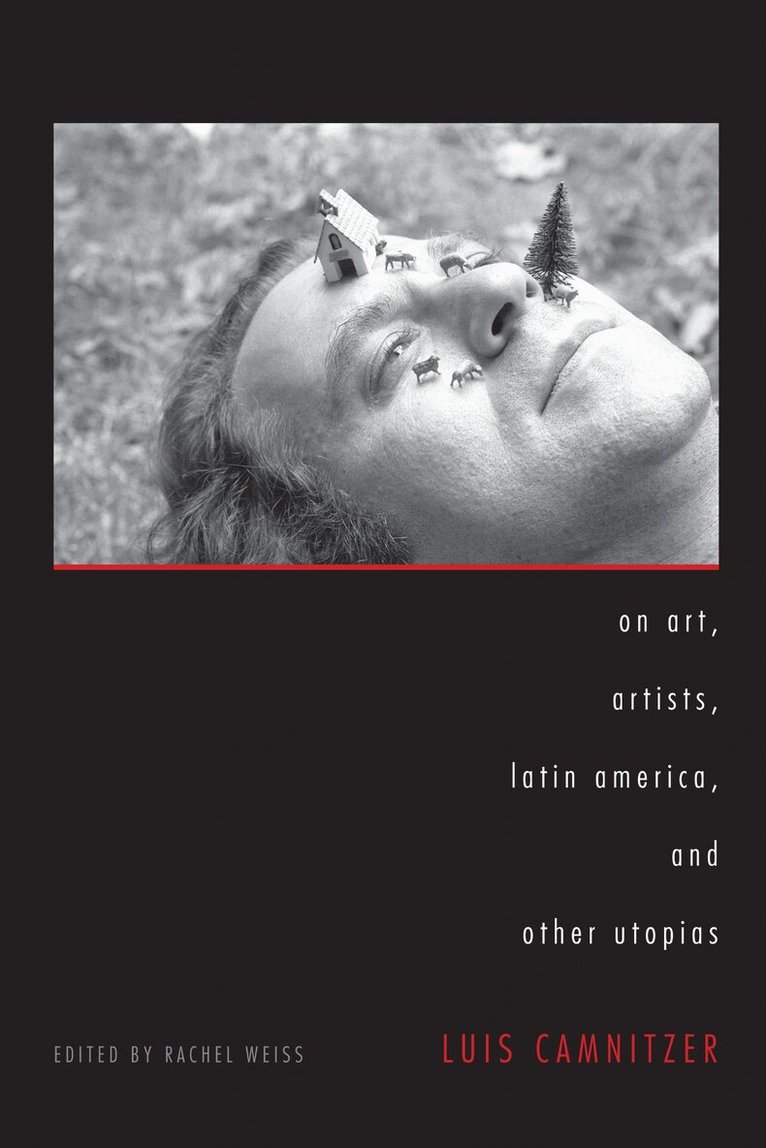
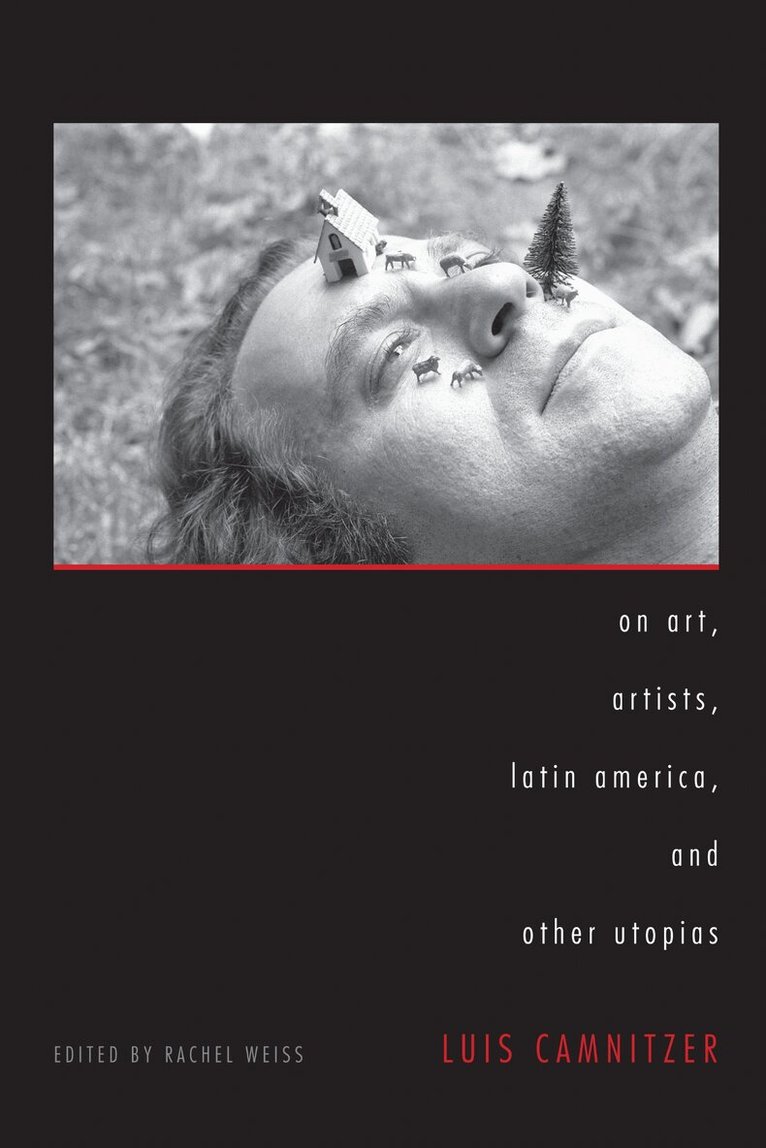
Artist, educator, curator, and critic Luis Camnitzer has been writing about contemporary art ever since he left his native Uruguay in 1964 for a fellowship in New York City. As a transplant from the "periphery" to the "center," Camnitzer has had to confront fundamental questions about making art in the Americas, asking himself and others: What is "Latin American art"? How does it relate (if it does) to art created in the centers of New York and Europe? What is the role of the artist in exile? Writing about issues of such personal, cultural, and indeed political import has long been an integral part of Camnitzer's artistic project, a way of developing an idiosyncratic art history in which to work out his own place in the picture.This volume gathers Camnitzer's most thought-provoking essays-"texts written to make something happen," in the words of volume editor Rachel Weiss. They elaborate themes that appear persistently throughout Camnitzer's work: art world systems versus an art of commitment; artistic genealogies and how they are consecrated; and, most insistently, the possibilities for artistic agency. The theme of "translation" informs the texts in the first part of the book, with Camnitzer asking such questions as "What is Latin America, and who asks the question? Who is the artist, there and here?" The texts in the second section are more historically than geographically oriented, exploring little-known moments, works, and events that compose the legacy that Camnitzer draws on and offers to his readers.
269 kr
Skickas inom 10-15 vardagar
Artist, educator, curator, and critic Luis Camnitzer has been writing about contemporary art ever since he left his native Uruguay in 1964 for a fellowship in New York City. As a transplant from the "periphery" to the "center," Camnitzer has had to confront fundamental questions about making art in the Americas, asking himself and others: What is "Latin American art"? How does it relate (if it does) to art created in the centers of New York and Europe? What is the role of the artist in exile? Writing about issues of such personal, cultural, and indeed political import has long been an integral part of Camnitzer's artistic project, a way of developing an idiosyncratic art history in which to work out his own place in the picture.This volume gathers Camnitzer's most thought-provoking essays-"texts written to make something happen," in the words of volume editor Rachel Weiss. They elaborate themes that appear persistently throughout Camnitzer's work: art world systems versus an art of commitment; artistic genealogies and how they are consecrated; and, most insistently, the possibilities for artistic agency. The theme of "translation" informs the texts in the first part of the book, with Camnitzer asking such questions as "What is Latin America, and who asks the question? Who is the artist, there and here?" The texts in the second section are more historically than geographically oriented, exploring little-known moments, works, and events that compose the legacy that Camnitzer draws on and offers to his readers.
374 kr
Skickas inom 7-10 vardagar
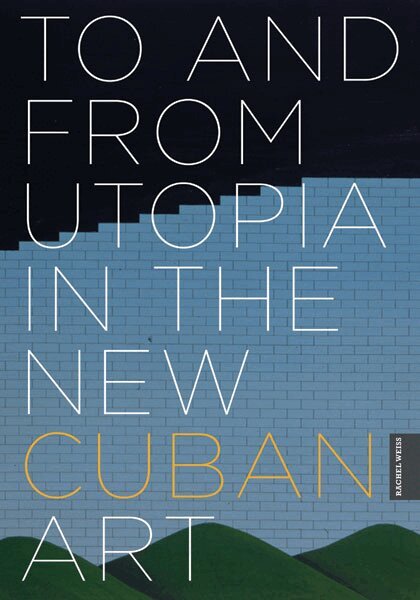
The new Cuban art grew up in the supercharged and conflicting currents of revolution, sometimes tracking to its optimism and at others scalded by it. But even more than that it was an art with extraordinary relation and relevance to the life of the country across social, domestic, cultural, and psychological registers: aggressive, protean, and perennially restless within an extraordinary conviction about the possibilities of art.-from the IntroductionIn 1981, Volumen Uno, an exhibition at a Havana gallery, inaugurated a new chapter in the rich history of Cuban art. Featuring an eclectic mix of works by eleven young artists filtered through a variety of styles-informalism, Pop, minimalism, conceptualism, performance, graffiti, and povera-the art was a sharp break with the past in both form and content. More of a phenomenon than a formal movement, the new Cuban art was both a reaction to the sovietization of Cuban culture in the 1970s and the dynamic entry of a generation of artists born around the Revolution and formed by its orthodoxies and its poetic idealism.In this spectacularly illustrated volume, Rachel Weiss offers the definitive critical history of the new Cuban art, exploring its remarkable artistic accomplishments and its role as catalyst for, and site of, public debate. Weiss draws on two decades of engagement with Cuban art and on the statements of the artists themselves to read individual artworks against the complex relationships between artists, their local and global audiences, and the Cuban state.Tracing the shift from the optimism of the early 1980s to the cultural cynicism that paralleled the near-collapse of Cuban society in the 1990s, To and from Utopia in the New Cuban Art identifies a renewed idealism among the artists about the potential role of culture in Cuban society.
504 kr
Skickas
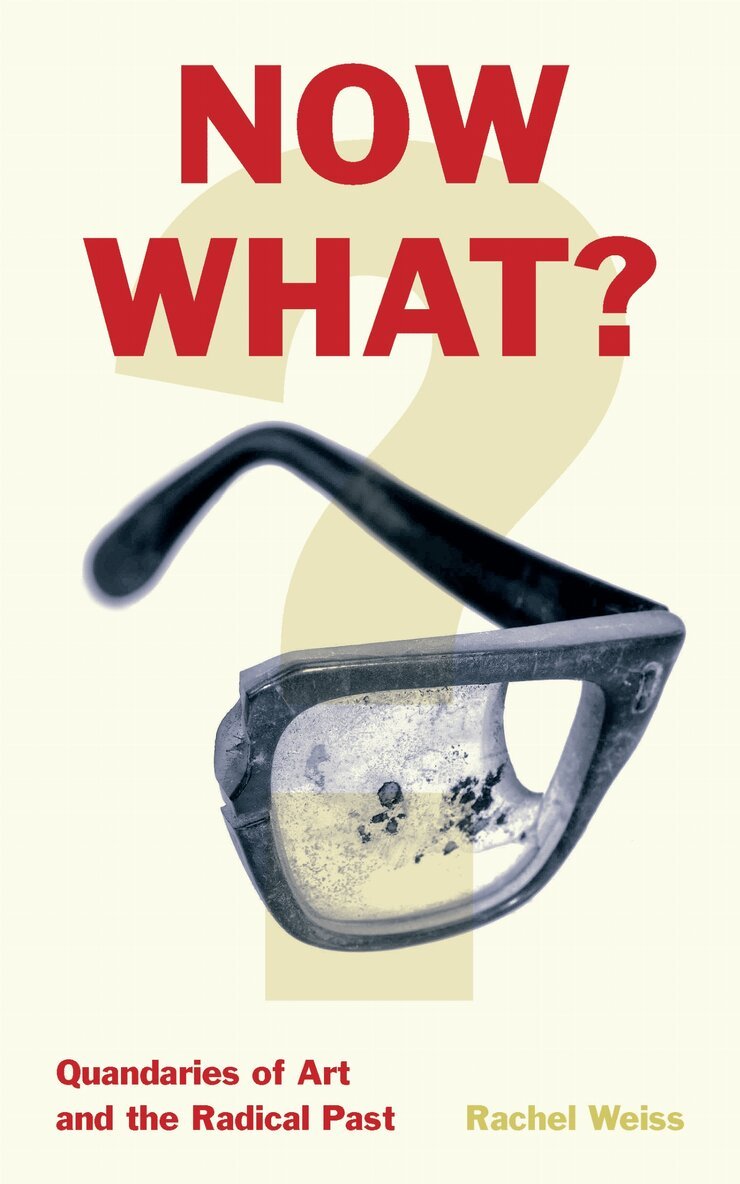
Now What? is an innovative exploration of artworks and films that return to radical histories subject to erasure or otherwise lost or occluded over time. The moments returned to—the Cuban Revolution, Chile's 1973 coup d'état, the ambiguous 1989 "revolution" in Romania, and the mayhem surrounding the Red Army Faction in 1970s West Germany—stand as historical watersheds, foundational and precipitate moments in the history of radical politics. Delving into these key historical moments by way of Tania Bruguera's 2009 performance Tatlin's Whisper in Havana, filmmaker Patricio Guzmán's decades-long cycle of returns to Allende's Chile, Harun Farocki and Andrei Ujica's Videograms of a Revolution, Corneliu Porumboiu's 12:08 East of Bucharest, the film Germany in Autumn, and Gerhard Richter's October 18, 1977 suite of paintings, Rachel Weiss convincingly threads these works together through subtle and illuminating reflections on the complex dynamics involved in historical trauma and memory, addressing key questions about the meanings and uses of the past.
331 kr
Skickas inom 10-15 vardagar
Now What? is an innovative exploration of artworks and films that return to radical histories subject to erasure or otherwise lost or occluded over time. The moments returned to—the Cuban Revolution, Chile's 1973 coup d'état, the ambiguous 1989 "revolution" in Romania, and the mayhem surrounding the Red Army Faction in 1970s West Germany—stand as historical watersheds, foundational and precipitate moments in the history of radical politics. Delving into these key historical moments by way of Tania Bruguera's 2009 performance Tatlin's Whisper in Havana, filmmaker Patricio Guzmán's decades-long cycle of returns to Allende's Chile, Harun Farocki and Andrei Ujica's Videograms of a Revolution, Corneliu Porumboiu's 12:08 East of Bucharest, the film Germany in Autumn, and Gerhard Richter's October 18, 1977 suite of paintings, Rachel Weiss convincingly threads these works together through subtle and illuminating reflections on the complex dynamics involved in historical trauma and memory, addressing key questions about the meanings and uses of the past.