Radha D'Souza - Böcker
Visar alla böcker från författaren Radha D'Souza. Handla med fri frakt och snabb leverans.
4 produkter
4 produkter
798 kr
Skickas inom 7-10 vardagar
Through mapping the rights discourse and the transformations in transnational finance capitalism since the world wars, and interrogating the connections between the two, Radha D'Souza examines contemporary rights in theory and practice through the lens of the struggles of the people of the Third World, their experiences of national liberation and socialism and their aspirations for emancipation and freedom.Social movements demand rights to remedy wrongs and injustices in society. But why do organisations like the World Bank and IMF, the G7 states and the World Economic Forum want to promote rights? Activists and activist scholars are critical of human rights in their diagnosis of problems. But in their prognosis, they reinstate human rights and bring back through the backdoor what they dismiss through the front. Why are activists and activist scholars unable to 'let go' of human rights? Why do indigenous peoples find the need to invoke the UN Declaration on Rights of Indigenous People to make their claims sound reasonable? Are rights in the 20th and 21st centuries the same as rights in the 17th and 18th centuries? This book examines what is entailed in reducing rights to 'human' rights and in the argument 'our understandings of rights are better than theirs' that is popular within social movements and in critical scholarship.
234 kr
Skickas inom 7-10 vardagar
Through mapping the rights discourse and the transformations in transnational finance capitalism since the world wars, and interrogating the connections between the two, Radha D'Souza examines contemporary rights in theory and practice through the lens of the struggles of the people of the Third World, their experiences of national liberation and socialism and their aspirations for emancipation and freedom.Social movements demand rights to remedy wrongs and injustices in society. But why do organisations like the World Bank and IMF, the G7 states and the World Economic Forum want to promote rights? Activists and activist scholars are critical of human rights in their diagnosis of problems. But in their prognosis, they reinstate human rights and bring back through the backdoor what they dismiss through the front. Why are activists and activist scholars unable to 'let go' of human rights? Why do indigenous peoples find the need to invoke the UN Declaration on Rights of Indigenous People to make their claims sound reasonable? Are rights in the 20th and 21st centuries the same as rights in the 17th and 18th centuries? This book examines what is entailed in reducing rights to 'human' rights and in the argument 'our understandings of rights are better than theirs' that is popular within social movements and in critical scholarship.
323 kr
Skickas inom 7-10 vardagar
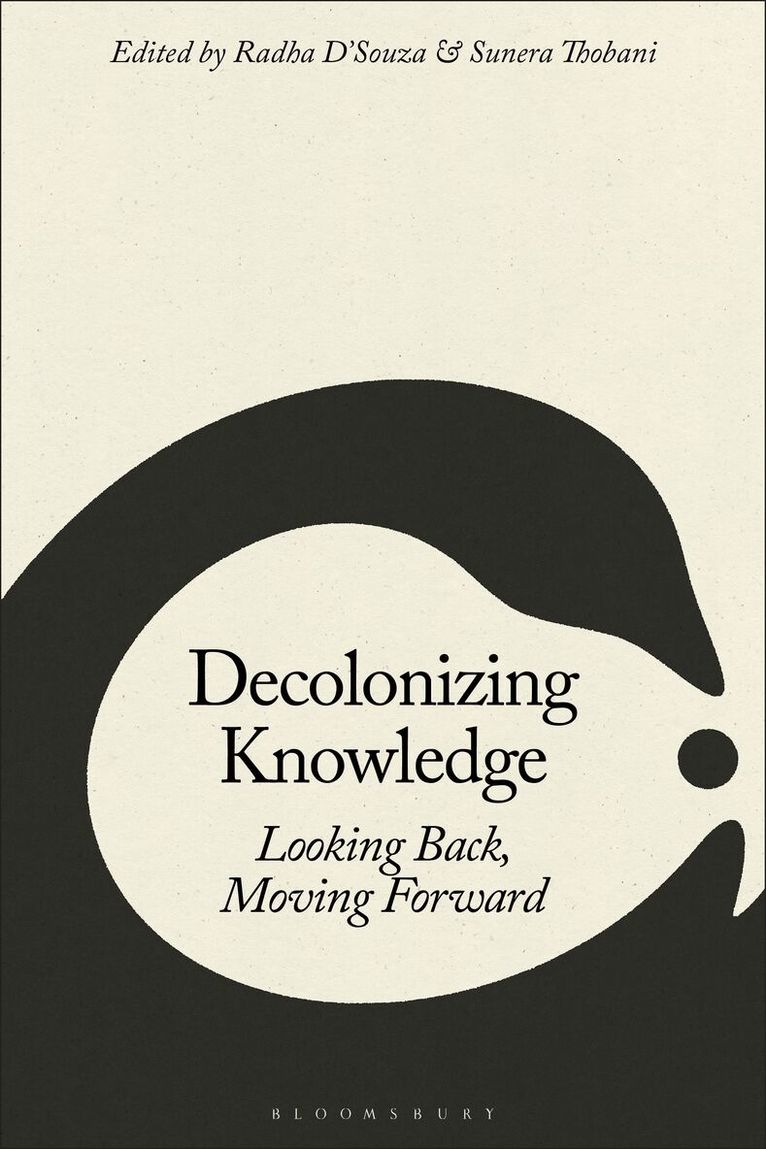
Interdisciplinary scholars rethink strategies for moving contemporary decolonization politics forward by revisiting the writings of the mid-20th century anti-colonial movements’ leading intellectuals.Decolonizing Knowledge draws on intellectual histories of anti-colonial thinkers who developed their ideas of decolonization through practical engagement with struggles for freedom from colonialism. Reading works by J.P.S. Uberoi, Frantz Fanon, Aimé Césaire, C.L.R. James and Andaiye, among others, interdisciplinary activist scholars reflect on the meaning of decolonization that emerged from anti-colonial struggles of the past and its relevance today.Each chapter in the volume reflects on one or more texts from anti-colonial thinkers of the past to draw out the meaning of decolonization as conceptualized by earlier generations, providing key insights from their thinking and examining their relevance for contemporary struggles for racial, gender and class justice. With authors writing from multiple disciplines, these essays straddle a range of themes from theory and practice, art and literature, gender and violence, and political economy, to address a subject that is preoccupying academia and activists in the 21st century.Decolonizing Knowledge is an intervention into contemporary debates on decolonizing curricula and universities, arguing that these calls need to be firmly engaged in wider social practices for justice, and that they can learn much from those who wrote on the topic amid the 20th century’s many struggles for freedom.
1 324 kr
Skickas inom 10-15 vardagar
Interdisciplinary scholars rethink strategies for moving contemporary decolonization politics forward by revisiting the writings of the mid-20th century anti-colonial movements’ leading intellectuals.Decolonizing Knowledge draws on intellectual histories of anti-colonial thinkers who developed their ideas of decolonization through practical engagement with struggles for freedom from colonialism. Reading works by J.P.S. Uberoi, Frantz Fanon, Aimé Césaire, C.L.R. James and Andaiye, among others, interdisciplinary activist scholars reflect on the meaning of decolonization that emerged from anti-colonial struggles of the past and its relevance today.Each chapter in the volume reflects on one or more texts from anti-colonial thinkers of the past to draw out the meaning of decolonization as conceptualized by earlier generations, providing key insights from their thinking and examining their relevance for contemporary struggles for racial, gender and class justice. With authors writing from multiple disciplines, these essays straddle a range of themes from theory and practice, art and literature, gender and violence, and political economy, to address a subject that is preoccupying academia and activists in the 21st century.Decolonizing Knowledge is an intervention into contemporary debates on decolonizing curricula and universities, arguing that these calls need to be firmly engaged in wider social practices for justice, and that they can learn much from those who wrote on the topic amid the 20th century’s many struggles for freedom.