Rahim Gholami - Böcker
Visar alla böcker från författaren Rahim Gholami. Handla med fri frakt och snabb leverans.
4 produkter
4 produkter
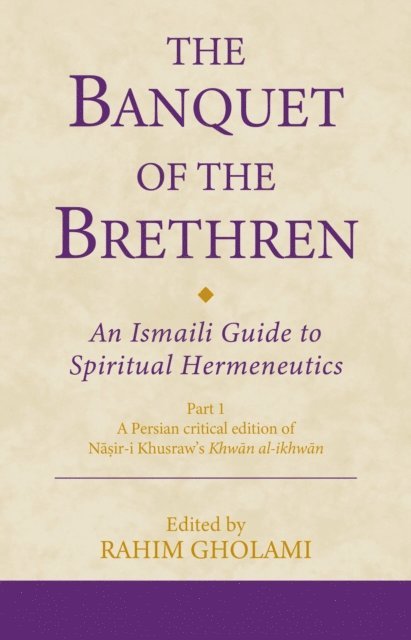
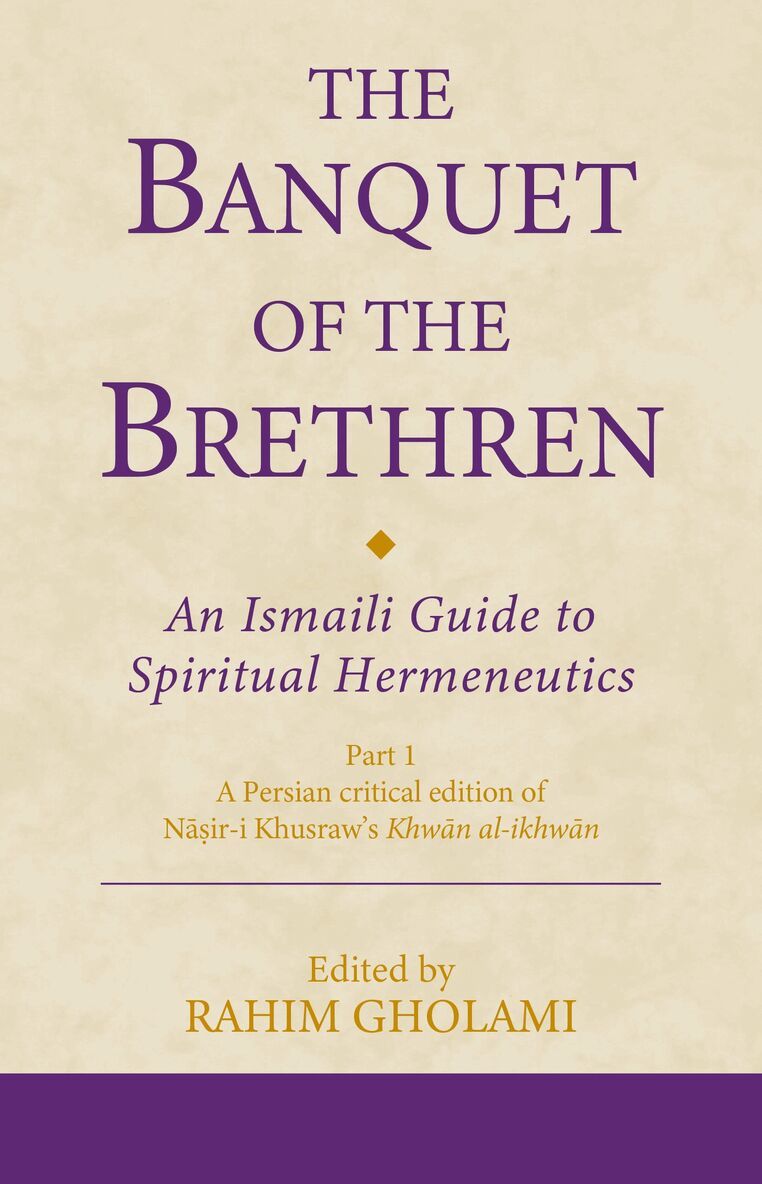
Banquet of the Brethren: An Ismaili Guide to Spiritual Hermeneutics
Part 1 A Persian critical edition of Nasir-i Khusraw’s Khwan al-ikhwan
Häftad, Engelska, 2024
429 kr
Skickas inom 7-10 vardagar
I.B. Tauris in association with the Institute of Ismaili StudiesThe Ismaili missionary and poet, Nasir-i Khusraw (d. after 1070), wrote Khwan al-ikhwan (The Banquet of the Brethren) when he was living in his remote mountain refuge of Yumgan in Badakhshan. A work of philosophical theology, it consists of a sequence of dynamic arguments for divine unicity (tawhid), the authority of the Prophet Muhammad, his legatee, 'Ali b. Abi Talib, and his descendants, the imams from the line of Isma'il b. Ja'far al-Sadiq. This new edition is based on two extant manuscripts of Khwan al-ikhwan making it a more comprehensive resource.Written in Persian, Khwan al-ikhwan includes a precis of ideas found in a work by an earlier missionary, Abu Ya'qub al-Sijistani (d. ca. 971), the Kitab al-Yanabi', which Nasir-i Khusraw recast and then extended in 100 chapters. The current publication consists of a new Persian critical edition of the text, with an introduction that discusses Khwan al-ikhwan in the context of both Nasir-i Khusraw’s other works and al-Sijistani’s Kitab al-Yanabi, in addition to notes throughout. The book is an important example of Ismaili theology and a reflection of the learning of the age including the conception of a geo-centric cosmos, Aristotelian physics, and Neoplatonic philosophy, which greatly influenced the Ismaili missionaries (or da'is) of the Iranian lands. The editorial apparatus in this edition brings Khwan al-ikhwan to an even wider readership advancing the field of Ismaili Studies.
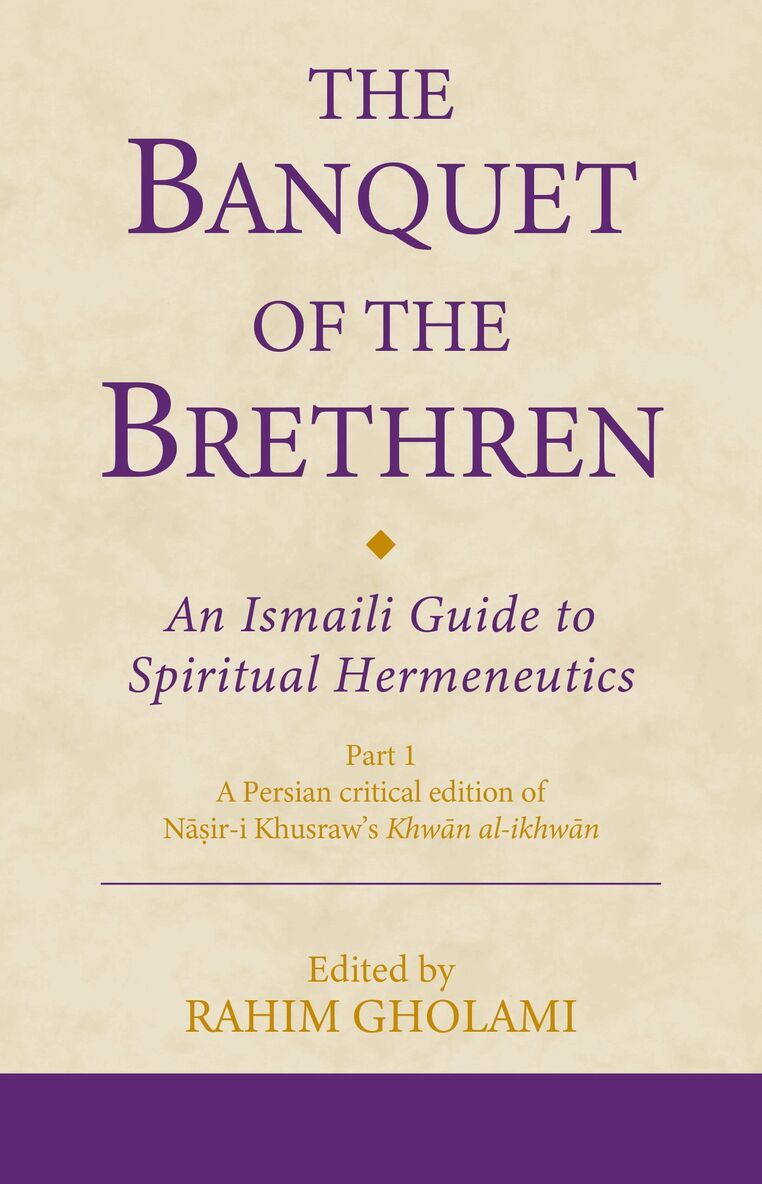
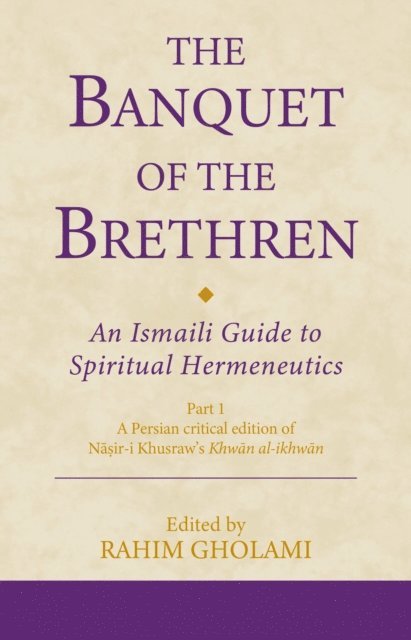
Banquet of the Brethren: An Ismaili Guide to Spiritual Hermeneutics
Part 1 A Persian critical edition of Nasir-i Khusraw’s Khwan al-ikhwan
Inbunden, Engelska, 2024
1 343 kr
Skickas inom 10-15 vardagar
I.B. Tauris in association with the Institute of Ismaili StudiesThe Ismaili da?i (missionary) and poet Na?ir-i Khusraw (d. after 1070) wrote Khwan al-ikhwan (The Banquet of the Brethren) when he was living in his remote mountain refuge of Yumgan in Badakhshan. This work includes a précis of ideas found in the Kitab al-Yanabi? (al-?ikma) (The Wellsprings of Wisdom), written by the earlier da?i Abu Ya?qub al-Sijistani (d. ca. 971). Na?ir-i Khusraw recast these ideas in Persian and then expanded them into 100 chapters (or ‘courses’ of a banquet). The text presents a sequence of dynamic arguments for divine unicity (taw?id), while also asserting the authority of the Prophet Muhammad, his legatee and son-in-law ?Ali b. Abi ?alib, and the subsequent Imams from the line of the Prophet’s descendant Isma?il b. Ja?far al-?adiq.Khwan al-ikhwan stands as a significant work in Ismaili theology and philosophy, exemplifying the central role of ta?wil (esoteric interpretation). It also reflects the learning of the age, including the conception of a geocentric cosmos, Aristotelian physics, and Neoplatonic philosophy, all of which profoundly influenced the Ismaili da?is in Iran.This new Persian critical edition is based on the only two extant manuscripts, making it a comprehensive resource. Rahim Gholami has also prepared an accompanying volume containing an annotated English translation of the Persian text.
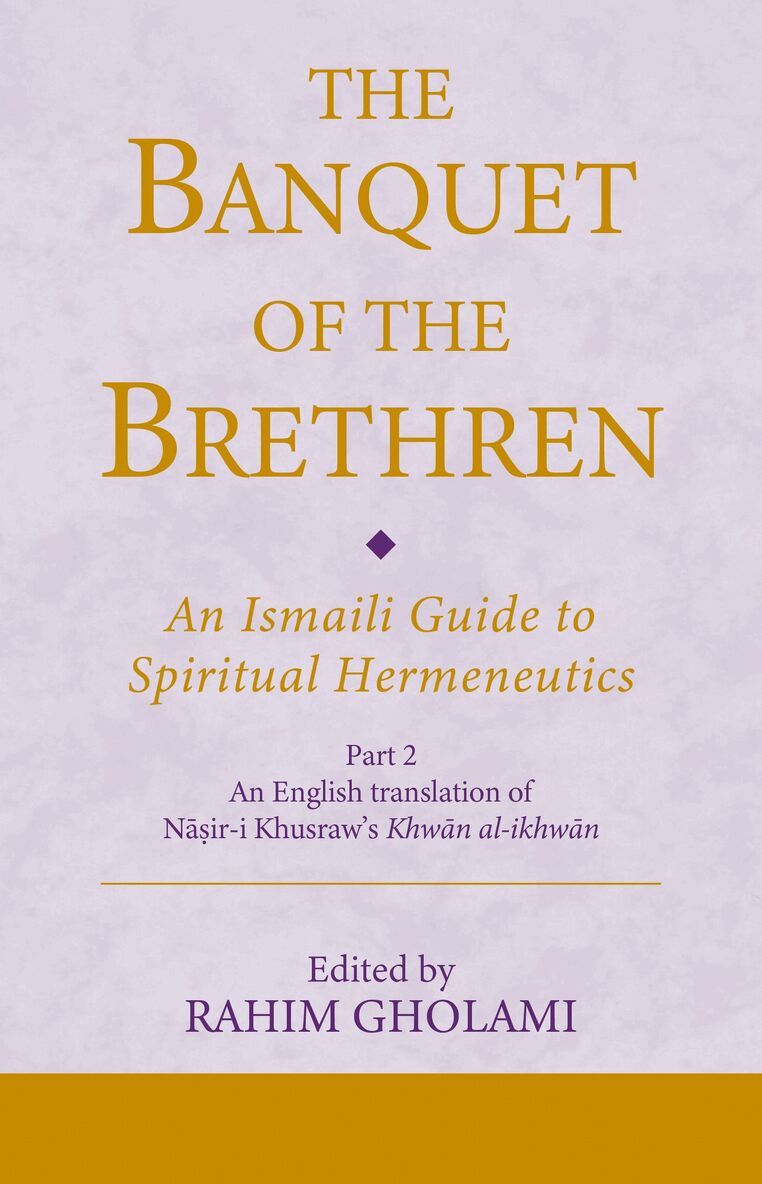
Banquet of the Brethren
An Ismaili Guide to Spiritual Hermeneutics: Part 2 An English translation of Nasir-i Khusraw’s Khwan al-ikhwan
Häftad, Persiska, 2026
414 kr
Kommande
I.B. Tauris in association with the Institute of Ismaili StudiesThe Ismaili missionary and poet, Nasir-i Khusraw (d. after 462), wrote Khwan al-ikhwan (The Banquet of the Brethren) when he was living in his remote mountain refuge of Yumgan in Badakhshan. It is a work of philosophical theology and a reflection of the learning of the age consisting of a sequence of dynamic arguments for divine unicity (tawhid), the authority of the Prophet Muhammad, his legatee, 'Ali b. Abi Talib, and his descendants, the imams from the line of Isma'il b. Ja'far al-Sadiq. Originally written in Persian, Khwan al-ikhwan includes a precis of ideas found in a work by an earlier da'i, Abu Ya'qub al-Sijistani (d. ca.361), the Kitab al-Yanabi', which Nasir-i Khusraw recast and then extended in 100 chapters.The current publication is an English translation, which is the first translation of Khwan al-Ikhwan in any language outside the Persian milieu. It includes an extensive introduction that discusses Khwan al-ikhwan in the context of both Nasir-i Khusraw’s other works and al-Sijistani’s Kitab al-Yanabi', as well as the role of ta'wil (allegorical or esoteric interpretation) in the Ismaili understanding of the message of the Revelation. This makes the work of Nasir-i Khusraw further available to a wider audience and opens up for the reader the intellectual world of the 5th century in all its sophistication and variety.
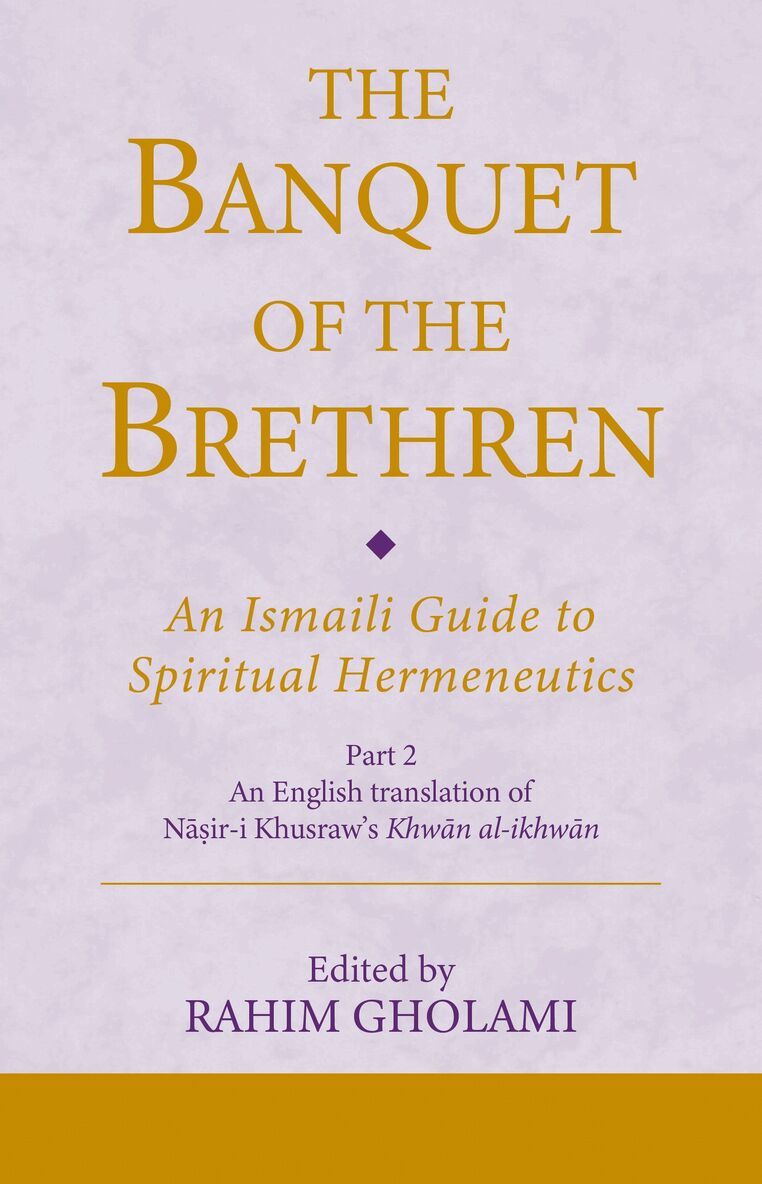
Banquet of the Brethren
An Ismaili Guide to Spiritual Hermeneutics: Part 2 An English translation of Nasir-i Khusraw’s Khwan al-ikhwan
Inbunden, Persiska, 2026
1 295 kr
Kommande
I.B. Tauris in association with the Institute of Ismaili StudiesThe Ismaili missionary and poet, Nasir-i Khusraw (d. after 462), wrote Khwan al-ikhwan (The Banquet of the Brethren) when he was living in his remote mountain refuge of Yumgan in Badakhshan. It is a work of philosophical theology and a reflection of the learning of the age consisting of a sequence of dynamic arguments for divine unicity (tawhid), the authority of the Prophet Muhammad, his legatee, 'Ali b. Abi Talib, and his descendants, the imams from the line of Isma'il b. Ja'far al-Sadiq. Originally written in Persian, Khwan al-ikhwan includes a precis of ideas found in a work by an earlier da'i, Abu Ya'qub al-Sijistani (d. ca.361), the Kitab al-Yanabi', which Nasir-i Khusraw recast and then extended in 100 chapters.The current publication is an English translation, which is the first translation of Khwan al-Ikhwan in any language outside the Persian milieu. It includes an extensive introduction that discusses Khwan al-ikhwan in the context of both Nasir-i Khusraw’s other works and al-Sijistani’s Kitab al-Yanabi', as well as the role of ta'wil (allegorical or esoteric interpretation) in the Ismaili understanding of the message of the Revelation. This makes the work of Nasir-i Khusraw further available to a wider audience and opens up for the reader the intellectual world of the 5th century in all its sophistication and variety.