Raj Balkaran – författare
Visar alla böcker från författaren Raj Balkaran. Handla med fri frakt och snabb leverans.
11 produkter
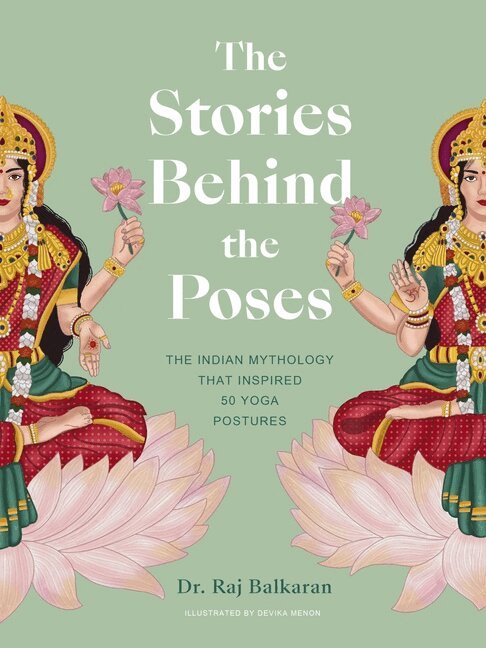
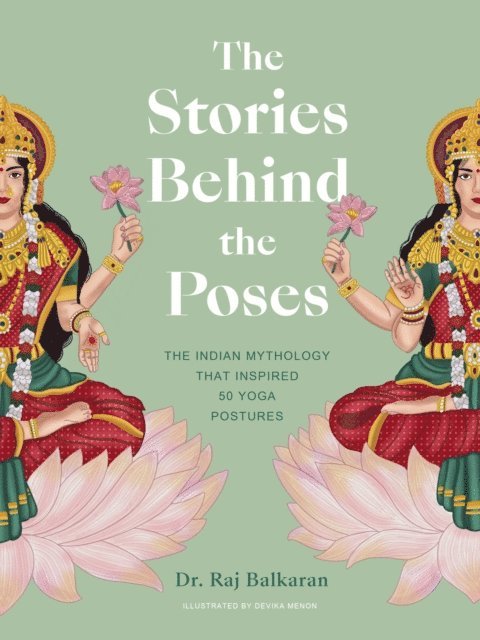
Stories Behind the Poses
The Indian mythology that inspired 50 yoga postures
Av Raj Balkaran
Inbunden, 2022
265 kr
Lägg i varukorg
Discover the traditional stories and wisdom behind your favourite yoga poses in this stunningly illustrated book of Indian mythology for yogis of all levels.A beautifully written introduction to Indian mythology, join storyteller, scholar and teacher, Dr Raj Balkaran, and explore the unforgettable …
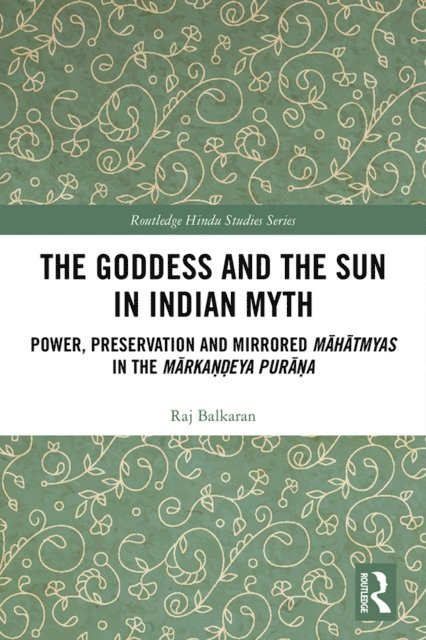
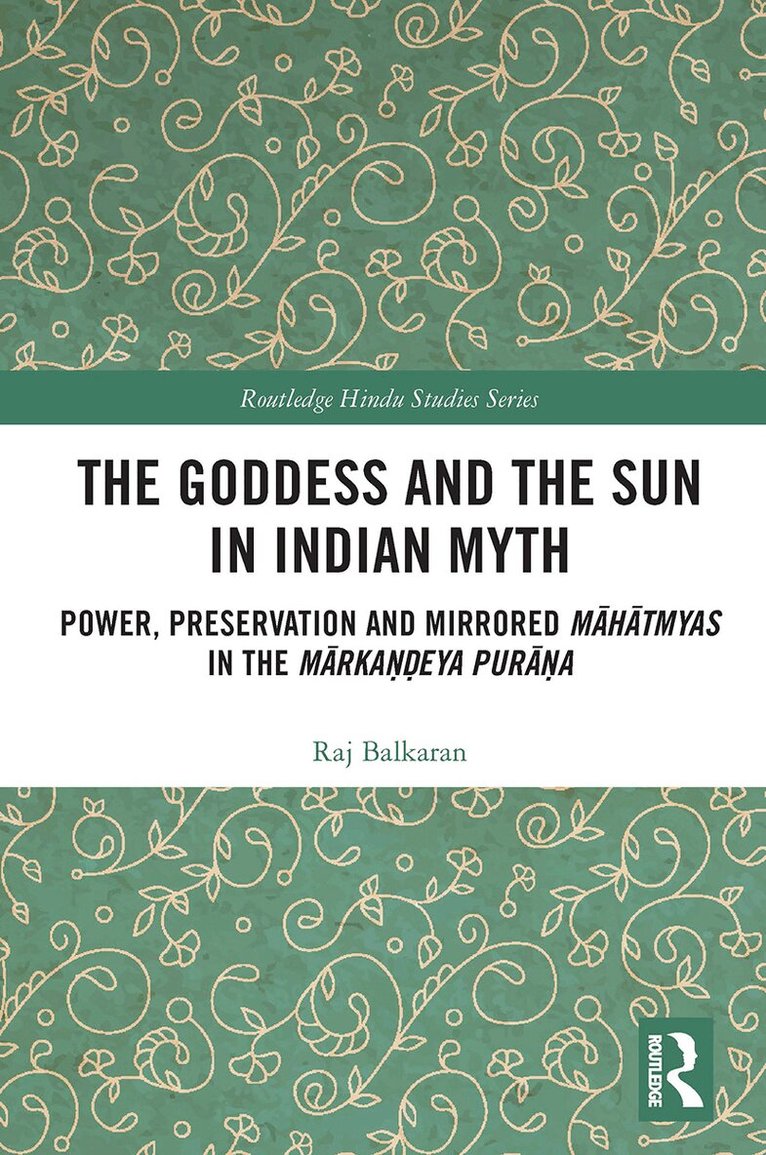
Goddess and the Sun in Indian Myth
Power, Preservation and Mirrored Māhātmyas in the Mārkaṇḍeya Purāṇa
Av Raj Balkaran
Inbunden, 2020
2510 kr
Lägg i varukorg
In analyzing the parallels between myths glorifying the Indian Great Goddess, Durgā, and those glorifying the Sun, Sūrya, found in the Mārkaṇḍeya Purāṇa, this book argues for an ideological ecosystem at work in the Mārkaṇḍeya Purāṇa privileging worldly values, of which Indian kings, the Goddess …
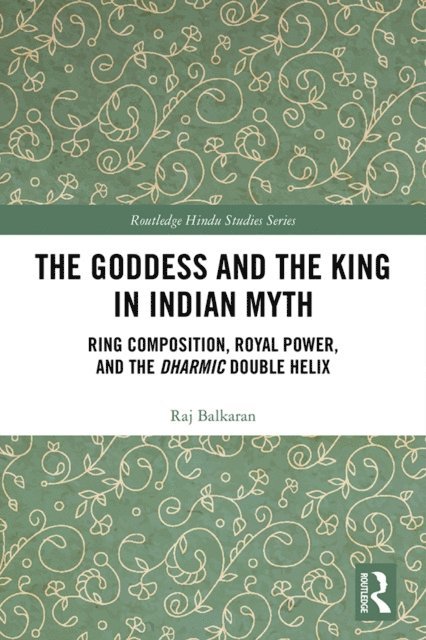
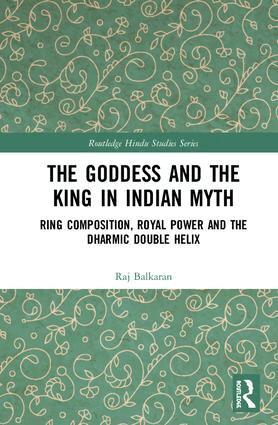
Goddess and the King in Indian Myth
Ring Composition, Royal Power and The Dharmic Double Helix
Av Raj Balkaran
Häftad, 2020
691 kr
Lägg i varukorg
The Sanskrit narrative text Devī Māhātmya, “The Greatness of The Goddess,” extols the triumphs of an all-powerful Goddess, Durgā, over universe-imperiling demons. These exploits are embedded in an intriguing frame narrative: a deposed king solicits the counsel of a forest-dwelling ascetic, who …
Goddess and the King in Indian Myth
Ring Composition, Royal Power and The Dharmic Double Helix
Av Raj Balkaran
E-bok, 2018
936 kr
Lägg i varukorg
The Sanskrit narrative text DevÄ« MÄhÄtmya, “The Greatness of The Goddess,†extols the triumphs of an all-powerful Goddess, DurgÄ, over universe-imperiling demons. These exploits are embedded in an intriguing frame narrative: a deposed king solicits the counsel of a forest-dwelling ascetic, …
Goddess and the King in Indian Myth
Ring Composition, Royal Power and The Dharmic Double Helix
Av Raj Balkaran
E-bok, 2018
936 kr
Lägg i varukorg
The Sanskrit narrative text DevÄ« MÄhÄtmya, “The Greatness of The Goddess,†extols the triumphs of an all-powerful Goddess, DurgÄ, over universe-imperiling demons. These exploits are embedded in an intriguing frame narrative: a deposed king solicits the counsel of a forest-dwelling ascetic, …
Stories Behind the Poses
The Indian mythology that inspired 50 yoga postures
Av Raj Balkaran
E-bok, 2022
195 kr
Lägg i varukorg
Discover the traditional stories and wisdom behind your favourite yoga poses in this stunningly illustrated book of Indian mythology for yogis of all levels.A beautifully written introduction to Indian mythology, join storyteller, scholar and teacher, Dr Raj Balkaran, and explore the unforgettable …
Goddess and the Sun in Indian Myth
Power, Preservation and Mirrored Māhātmyas in the Mārkaṇḍeya Purāṇa
Av Raj Balkaran
E-bok, 2020
936 kr
Lägg i varukorg
In analyzing the parallels between myths glorifying the Indian Great Goddess, Durgā, and those glorifying the Sun, Sūrya , found in the Mārkaṇḍeya Purāṇa , this book argues for an ideological ecosystem at work in the Mārkaṇḍeya Purāṇa privileging worldly values, of which Indian kings, the Goddess …
Goddess and the Sun in Indian Myth
Power, Preservation and Mirrored Māhātmyas in the Mārkaṇḍeya Purāṇa
Av Raj Balkaran
E-bok, 2020
916 kr
Lägg i varukorg
In analyzing the parallels between myths glorifying the Indian Great Goddess, Durgā, and those glorifying the Sun, Sūrya , found in the Mārkaṇḍeya Purāṇa , this book argues for an ideological ecosystem at work in the Mārkaṇḍeya Purāṇa privileging worldly values, of which Indian kings, the Goddess …
Goddess and the Sun in Indian Myth
Power, Preservation and Mirrored Māhātmyas in the Mārkaṇḍeya Purāṇa
Av Raj Balkaran
Häftad, 2022
691 kr
Lägg i varukorg
In analyzing the parallels between myths glorifying the Indian Great Goddess, Durga, and those glorifying the Sun, Surya, found in the Marka¿¿eya Pura¿a, this book argues for an ideological ecosystem at work in the Marka¿¿eya Pura¿a privileging worldly values, of which Indian kings, the Goddess …
Goddess and the King in Indian Myth
Ring Composition, Royal Power and The Dharmic Double Helix
Av Raj Balkaran
Inbunden, 2018
2510 kr
Lägg i varukorg
The Sanskrit narrative text Devī Māhātmya, “The Greatness of The Goddess,” extols the triumphs of an all-powerful Goddess, Durgā, over universe-imperiling demons. These exploits are embedded in an intriguing frame narrative: a deposed king solicits the counsel of a forest-dwelling ascetic, who …
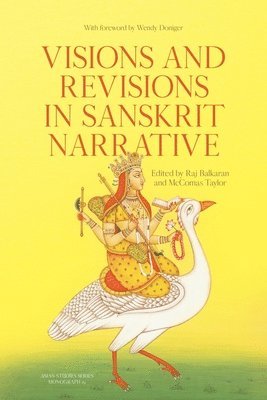
Visions and Revisions in Sanskrit Narrative: Studies in the Sanskrit Epics and Purāṇas
Av Raj Balkaran, McComas Taylor
Häftad, 2023
401 kr
Lägg i varukorg