Rajendra Chetty - Böcker
Visar alla böcker från författaren Rajendra Chetty. Handla med fri frakt och snabb leverans.
7 produkter
7 produkter
965 kr
Skickas inom 5-8 vardagar
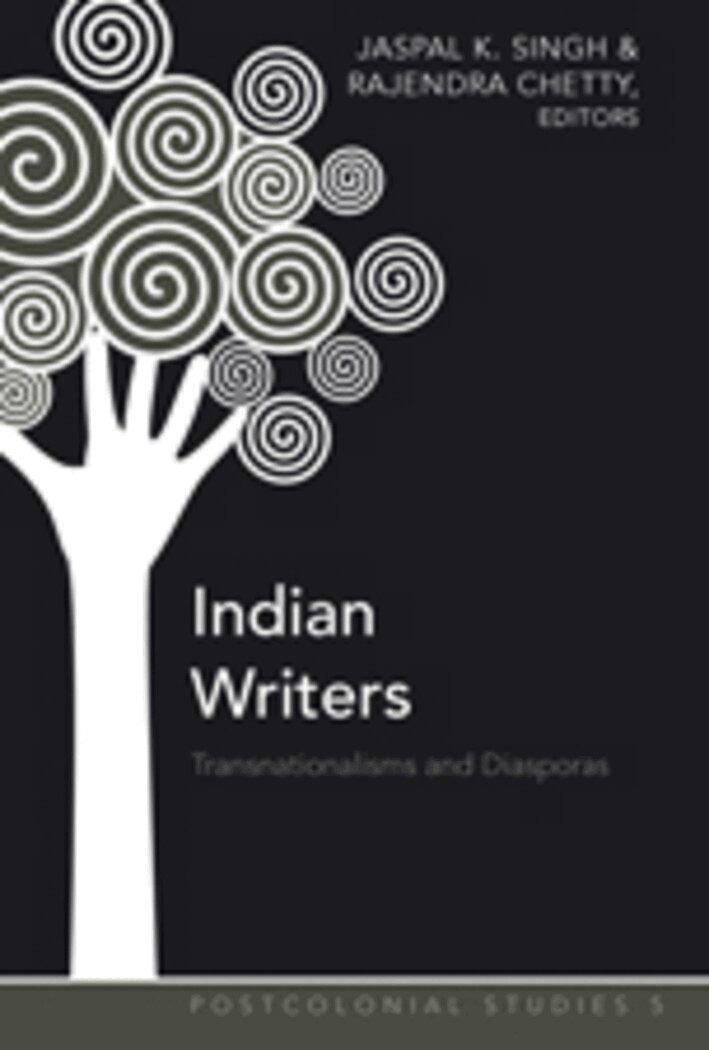
Indian Writers attempt to locate diasporic voices in the interstitial spaces of countless ideologies. The anthology provides a critical examination of dislocated diasporic subjects – those who have adjusted to the dislocation well, those who have chosen the hybrid spaces for empowerment, those who are dragged forcefully to various territories, and yet those who gleefully inhabit trans-local spaces. A wide range of voices raise these critical questions: How do we read these voices? How are the voices received in various locations? Are these voices considered Indian? Do they represent Indianness, or some hybridized version of it? What is an authentic cultural identity? What, ultimately, is Indianness, or for that matter, any hard-won national or ethnic identity? Additionally, as more female writers are being read, both in the global south and in the north, the reception of these texts, particularly in an era of globalization, and in the aftermath of the 9/11 attack in the United States, raises questions on how the «other», the subaltern, is represented and read. Some writers use an assimilationist approach to the cultures of the West to such a degree that they find Indian culture monolithically oppressive, while others continue to romanticize Indianness, yet others eroticize and ethnicize the east for western consumption. The authors of the essays in this anthology examine contemporary debates in postcolonial and transnational literary criticism in an attempt to understand the often complex and hybrid narratives of the diasporic Indian subject.
Del 7 - Postcolonial Studies
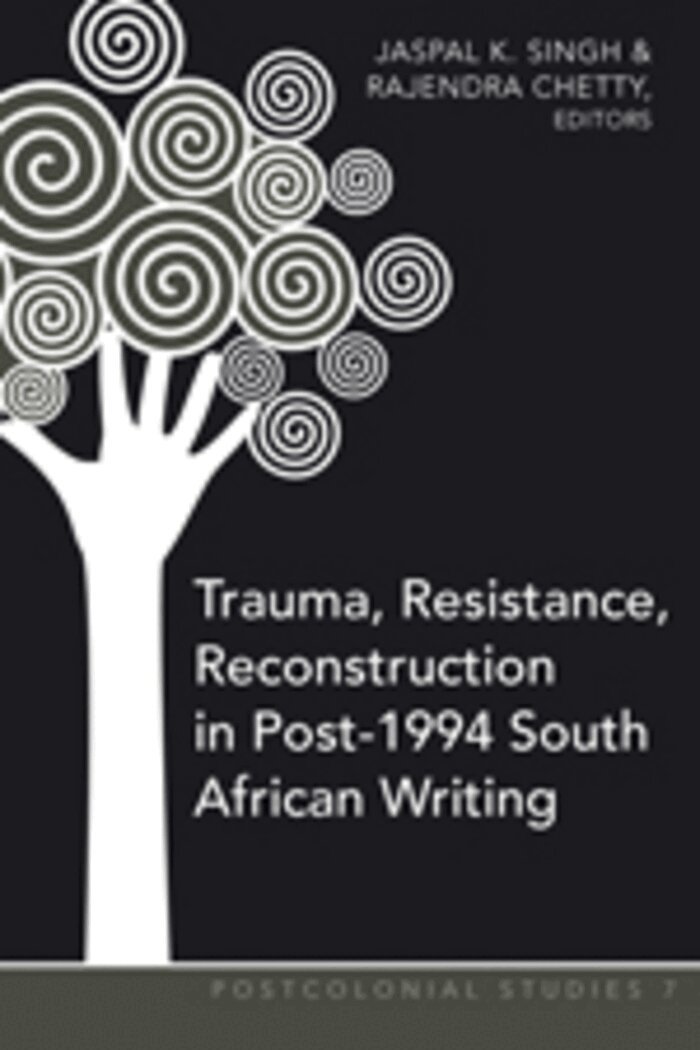
Trauma, Resistance, Reconstruction in Post-1994 South African Writing
Inbunden, Engelska, 2010
1 165 kr
Skickas inom 5-8 vardagar
The re-conceptualization of South Africa as a democracy in 1994 has influenced the production and reception of texts in this nation and around the globe. The literature emerging after 1994 provides a vision for reconciling the fragmented past produced by the brutality of apartheid policies and consequently shifting social relations from a traumatized past to a reconstructed future. The purpose of the essays in this anthology is to explore, within the literary imagination and cultural production of a post-apartheid nation and its people, how the trauma and violence of the past are reconciled through textual strategies. What role does memory play for the remembering subject working through the trauma of a violent past?
1 283 kr
Skickas inom 5-8 vardagar
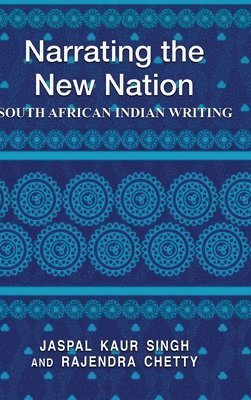
The purpose of Narrating the New Nation is to engage with South African Indian writings through a critical examination of the oeuvre of key writers within a postcolonial theoretical framework. With the advent of democracy, South Africa has witnessed new writings which either reflected on apartheid with elements of restoration for past atrocities and centered around reflective nostalgia, or looked ahead with optimism and foregrounded new beginnings. The end of the interregnum in 1994 drove people to narrate the relationship between past, present and future, which revealed an exciting diversity and rituals of bourgeois lives or reflected upon disadvantaged and marginalized homes in townships, casbahs and ghettos. These innovative narratives attempt to conquer and spatialize different histories, while at the same time finding creative ways to assemble shattered fragments of memory. A critical question this study asks is whether South African literature continues to address themes of journey, exile, migration and identity within the major concern of place and displacement in apartheid and post-apartheid South African Indian writing, or whether the new writings foreground critical self-awareness as citizens of a democratic and neo-colonial nation-state. What analytical questions and concerns do new writings from the Global South address? This book of critical essays hopes to endorse social and cultural—race, class, gender, sexuality—analysis, problematize them, expand them, and in the end enrich South African literature. In so doing, the authors attempt to encourage a critical, creative and empowering space for a plurality of voices, minds and stories and hope to reveal how literature involves itself in the unfinished business of the collective in South African history and literature.
1 265 kr
Skickas inom 5-8 vardagar
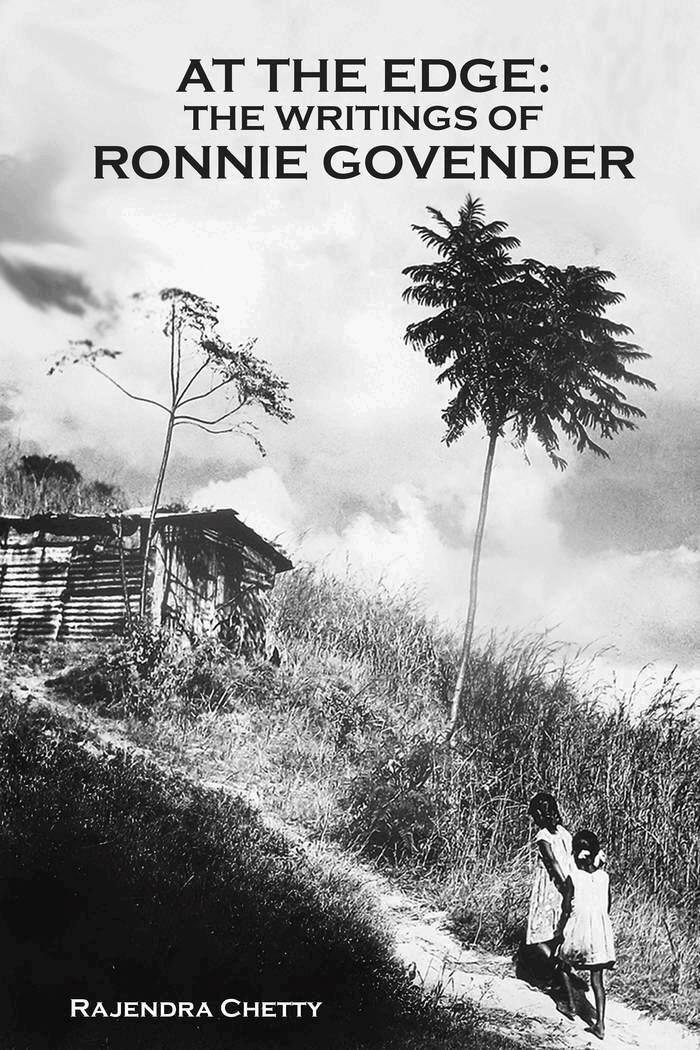
Ronnie Govender’s works are significant in the construction of a South African national identity. The purpose of this book is to engage critically with race, class and resistance through a collection of essays on Govender’s oeuvre. His writings are re-invigorated by close reading within the context of postcolonial and critical theory. Govender recalls the resilience of the multiracial community of Cato Manor whose democratic coexistence and mutual respect comprise a model for the new nation. As a memory work, his texts recollect private and community identity in the wounded spaces of colonial and apartheid oppression. Events of the past should be interpreted in a creative and imaginative way and literature enlightens it best.Govender’s unique performative prose reconstructs and resurrects the lives of the residents of Cato Manor, their vitality and humour, pain and humiliation: a vibrant, racially integrated community destroyed by the South African apartheid regime’s notorious Group Areas Act. The book seeks to redress that marginalisation and awaken readers to the bravery and creativity of a small, defiant community in the face of forced removals and social injustice. This book reveals Govender’s central concern for human dignity—his innate sensitivity to the unspoken pain of oppressed people.The book invites the reader to connect and contrast Govender with a range of contexts and intertextualities—from post-colonial to African continental, from the diasporic to the politically analogous. Govender’s radical shift from colonial obeisance theatre to a revelation of raw existence and authentic living is reflected by questioning, dis-comforting and aggrieving.
212 kr
Skickas inom 5-8 vardagar
442 kr
Skickas inom 5-8 vardagar
1 445 kr
Skickas inom 10-15 vardagar
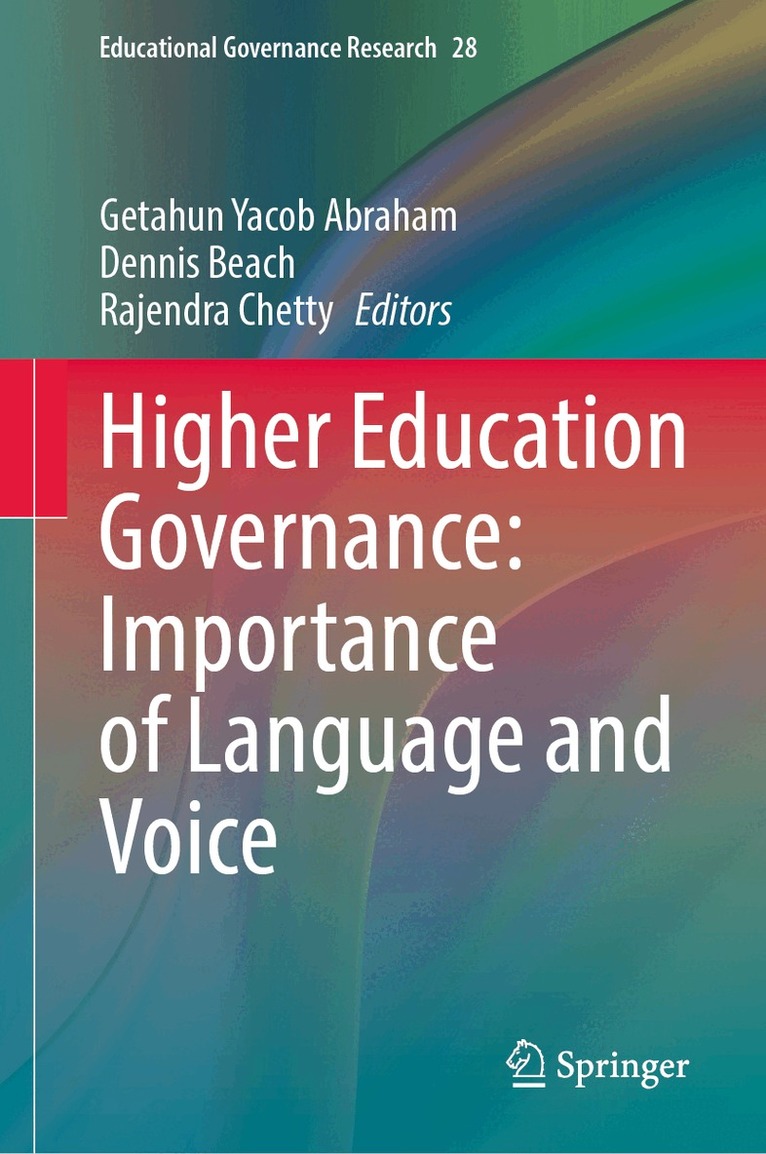
This book elaborates on and critiques the global neoliberal reform movement in higher education in university contexts in Ethiopia, South Africa, Sweden, and the USA in two distinct ways. Firstly, by showing both the constitutive form and deprecating effects of global neoliberal reforms on university fields through the adoption, and consequences of academic capitalism and the dominance of corporate governance strategies. Secondly, by identifying and critically analysing the ways academics maintain and promote professional agendas for and against academic capitalism, by means of strategies of accommodation, ambivalence, resilience, and resistance, respectively that together illustrate: The dominant forms of conformity toward academic capitalism from academics and A volume of ambivalence, a significant measure of moral outrage, and the development of strategies of resilience and resistance toward the neoliberal project of academic capitalism in higher education. The book also problematizes resilience as protective and adaptive in its relationship to academic capitalism, before foregrounding the moral foundations of resistance toward the proto-capitalistic transformation of universities. This is illustrated by local efforts to protect important constitutive elements of a moral education system from economic control and exploitation. In this way, the book provides examples of erudite opposition to and critique of the marketization of higher education in general and the creation of selfish, ego-centric and narcistic individuals through the education system. In addition to this, by using examples from Ethiopia, South Africa and Sweden, the work critically reviews linguistic colonialism and the efforts for decolonizing national/local languages. The book is a valuable academic resource to students from advanced levels upwards in higher education in different subject fields including education and education work, didactics and higher education policy and politics.