
Ramashego Shila Mphahlele - Böcker
Visar alla böcker från författaren Ramashego Shila Mphahlele. Handla med fri frakt och snabb leverans.
2 produkter
2 produkter
Del 3 - Understanding Rural Education
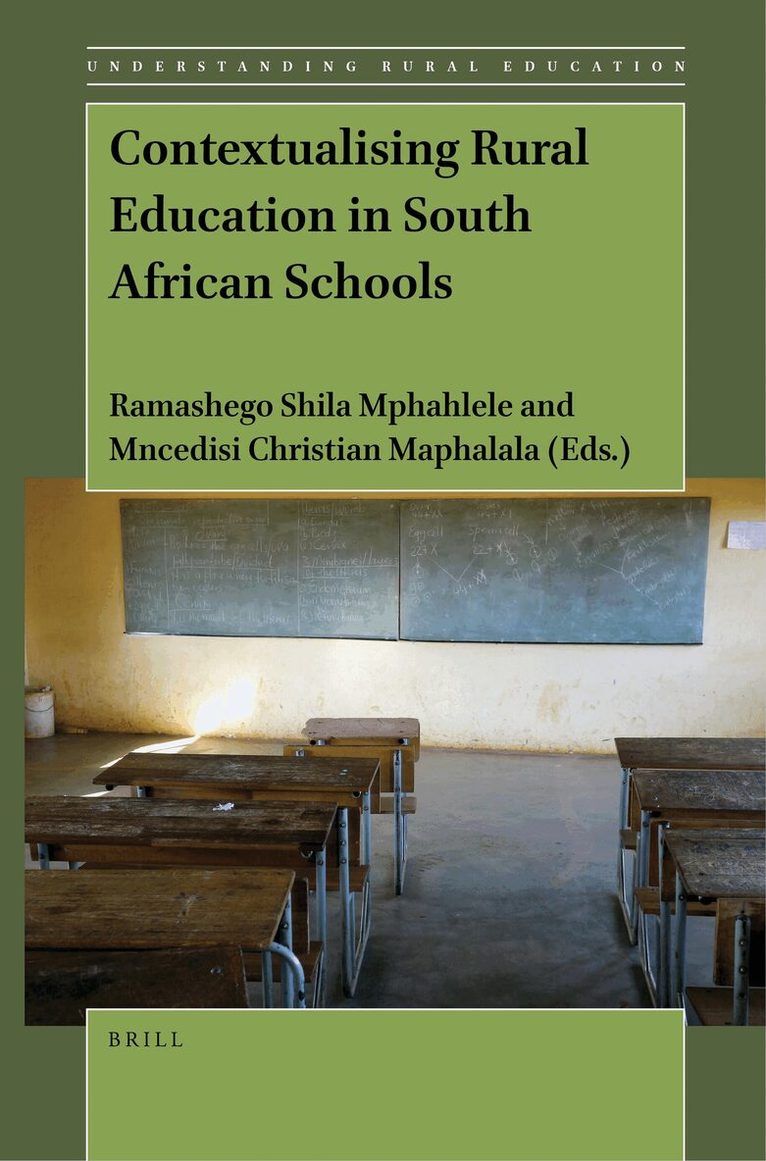
Contextualising Rural Education in South African Schools
Häftad, Engelska, 2023
809 kr
Skickas inom 5-8 vardagar
South Africa's democratic government inherited a divided and unequal system of education. Under apartheid, South Africa had nineteen different educational departments separated by race, language, geography and ideology. This education system prepared learners in different ways for the positions they were expected to occupy in social, economic and political life under apartheid and was funded and resourced in ways that favoured white people and disadvantaged black people who remain in the working class. The newly elected democratic government in 1994 laid a foundation for a single national education system. Twenty-five years after the dawn of democracy, education is still in a parlous state in many communities in South Africa, but it is in the rural areas mainly in the former homelands that learners are most disadvantaged.Contributors are: Olufemi Timothy Adigun, Oluwatoyin Ayodele Ajani, Alan Bhekisisa Buthelezi, Joyce Phikisile Dhlamini, Bongani Thulani Gamede, Samantha Govender, Lawrence Kehinde, Nontobeko Prudence Khumalo, Primrose Ntombenhle Khumalo, Azwidohwi Philip Kutame, Manthekeleng Linake, Sive Makeleni, Nkhensani Maluleke, Bothwell Manyonga, Mncedisi Christian Maphalala, Takalani Mashau, Hlengiwe Romualda Mhlongo, Rachel Gugu Mkhasibe, Dumisani Wilfred Mncube, Nicholus Tumelo Mollo, Ramashego Shila Mphahlele, Fikile Mthethwa, Grace Matodzi Muremela, Edmore Mutekwe, Nokuthula Hierson Ndaba, Clever Ndebele, Thandiwe Nonkululeko Ngema, Phiwokuhle Ngubane, Sindile Ngubane, Dumisani Nzima, Livhuwani Peter Ramabulana, and Maria Tsakeni.
Del 3 - Understanding Rural Education
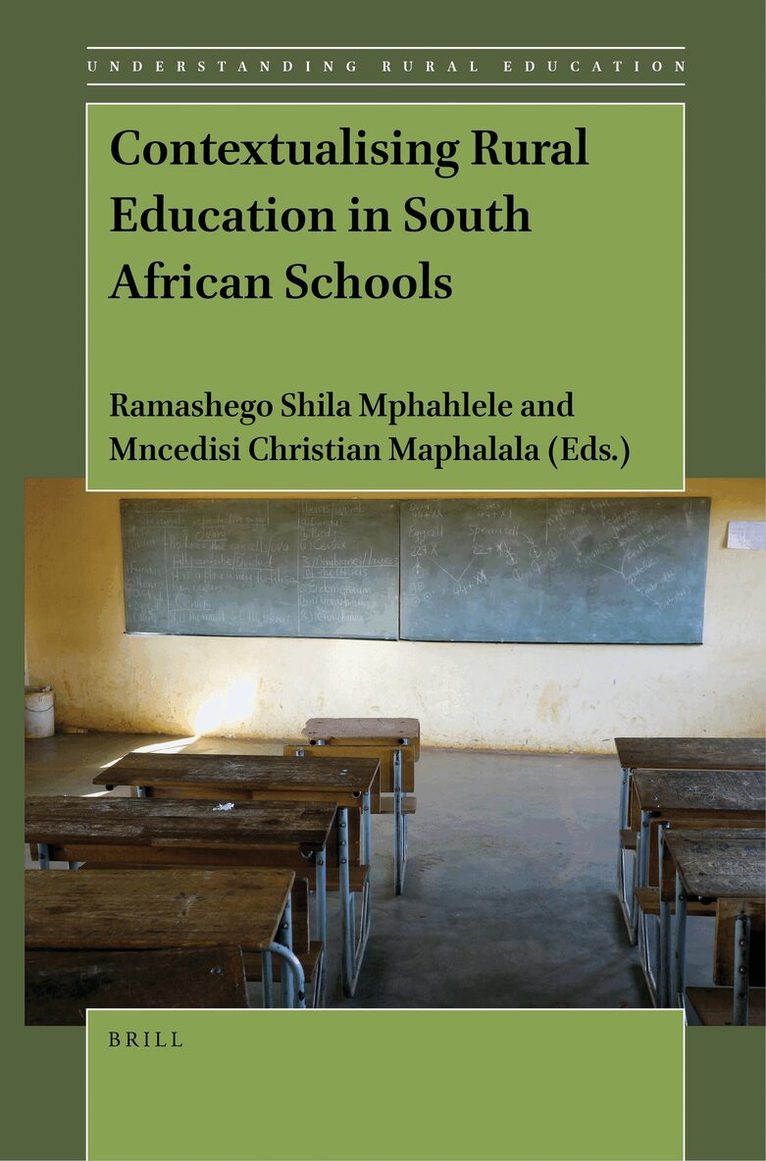
Contextualising Rural Education in South African Schools
Inbunden, Engelska, 2023
2 074 kr
Skickas inom 5-8 vardagar
South Africa's democratic government inherited a divided and unequal system of education. Under apartheid, South Africa had nineteen different educational departments separated by race, language, geography and ideology. This education system prepared learners in different ways for the positions they were expected to occupy in social, economic and political life under apartheid and was funded and resourced in ways that favoured white people and disadvantaged black people who remain in the working class. The newly elected democratic government in 1994 laid a foundation for a single national education system. Twenty-five years after the dawn of democracy, education is still in a parlous state in many communities in South Africa, but it is in the rural areas mainly in the former homelands that learners are most disadvantaged.Contributors are: Olufemi Timothy Adigun, Oluwatoyin Ayodele Ajani, Alan Bhekisisa Buthelezi, Joyce Phikisile Dhlamini, Bongani Thulani Gamede, Samantha Govender, Lawrence Kehinde, Nontobeko Prudence Khumalo, Primrose Ntombenhle Khumalo, Azwidohwi Philip Kutame, Manthekeleng Linake, Sive Makeleni, Nkhensani Maluleke, Bothwell Manyonga, Mncedisi Christian Maphalala, Takalani Mashau, Hlengiwe Romualda Mhlongo, Rachel Gugu Mkhasibe, Dumisani Wilfred Mncube, Nicholus Tumelo Mollo, Ramashego Shila Mphahlele, Fikile Mthethwa, Grace Matodzi Muremela, Edmore Mutekwe, Nokuthula Hierson Ndaba, Clever Ndebele, Thandiwe Nonkululeko Ngema, Phiwokuhle Ngubane, Sindile Ngubane, Dumisani Nzima, Livhuwani Peter Ramabulana, and Maria Tsakeni.