Rana Foroohar – författare
Visar alla böcker från författaren Rana Foroohar. Handla med fri frakt och snabb leverans.
10 produkter
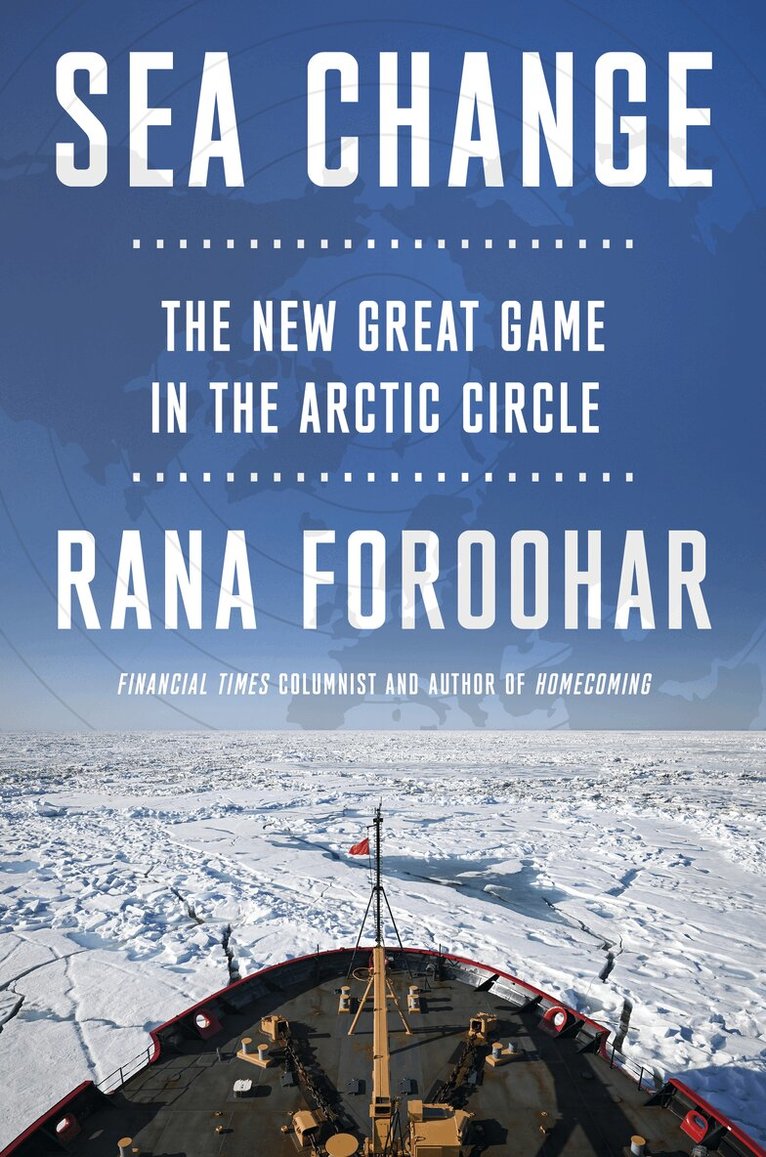
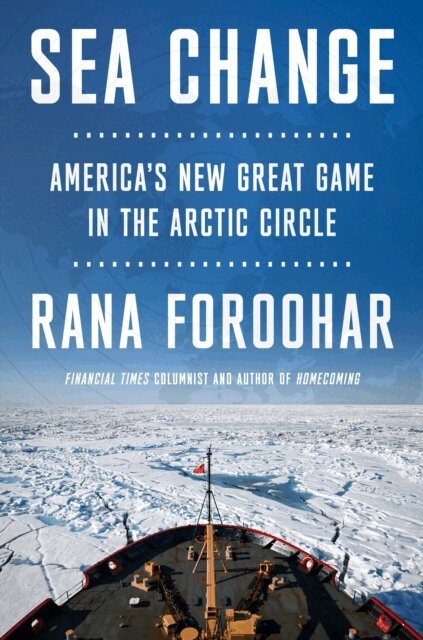
Sea Change
The New Great Game in the Arctic Circle
Inbunden, 2026
240 kr
Lägg i varukorg
A sweeping account of how the Arctic became the next arena of global conflict as the great powers battle over trade routes, resources, and military dominance from Greenland to Siberia – by award-winning Financial Times journalist Rana Foroohar.As polar ice melts and new sea routes open, the Arctic …
Don't Be Evil
The Case Against Big Tech
Häftad, 2020
133 kr
Lägg i varukorg
A TIMES BEST CURRENT AFFAIRS BOOK OF THE YEARThe award-winning Financial Times columnist exposes the threat that Big Tech poses to our democracies, our economies and ourselves'Powerful' Sunday Times Google and Facebook receive 90% of the world's news advertising spend. Amazon takes half of all …
Don't Be Evil
The Case Against Big Tech
E-bok, 2019
108 kr
Lägg i varukorg
A TIMES BEST CURRENT AFFAIRS BOOK OF THE YEARThe award-winning Financial Times columnist exposes the threat that Big Tech poses to our democracies, our economies and ourselves'Powerful' Sunday Times Google and Facebook receive 90% of the world's news advertising spend. Amazon takes half of all …
Don't Be Evil
The Case Against Big Tech
Ljudbok, 2019
166 kr
Lägg i varukorg
Brought to you by Penguin. An award-winning Financial Times columnist exposes the threat that Big Tech poses to our democracies, our economies and ourselves Today Google and Facebook receive 90% of the world''s news ad-spending. Amazon takes half of all ecommerce in the US. Google and Apple …
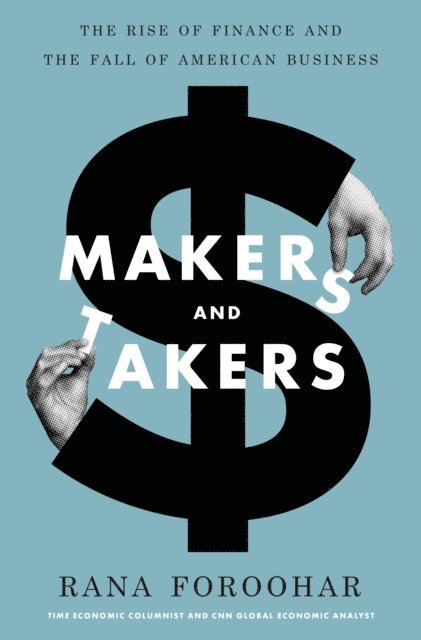
Makers and Takers
The Rise of Finance and the Fall of American Business
E-bok, 2016
78 kr
Lägg i varukorg
Eight years on from the biggest market meltdown since the Great Depression, the key lessons of the crisis of 2008 still remain unlearned—and our financial system is just as vulnerable as ever. Many of us know that our government failed to fix the banking system after the subprime mortgage crisis. …
Sea Change
E-bok, 2026
199 kr
Lägg i varukorg
A sweeping account of how the Arctic became the next arena of global conflict as the great powers battle over trade routes, resources, and military dominance from Greenland to Siberia - by award-winning Financial Times journalist Rana Foroohar. As polar ice melts and new sea routes open, the Arctic …
Don't Be Evil
The Case Against Big Tech
Häftad, 1900
196 kr
Lägg i varukorg
A penetrating indictment of how today’s largest tech companies are hijacking our data, our livelihoods, our social fabric, and our minds—from an acclaimed Financial Times columnist and CNN analyst WINNER OF THE PORCHLIGHT BUSINESS BOOK AWARD ONE OF THE BEST BOOKS OF THE YEAR: Foreign Affairs, …
Sea Change
America's New Great Game in the Arctic Circle
Inbunden, 2026
374 kr
Lägg i varukorg
A sweeping account of how the Arctic became the next arena of global conflict as the great powers battle over trade routes, resources, and military dominance from Greenland to Siberia—by award-winning Financial Times journalist Rana Foroohar. As polar ice melts and new sea routes open, the Arctic …