Randall C. Griffin - Böcker
Visar alla böcker från författaren Randall C. Griffin. Handla med fri frakt och snabb leverans.
2 produkter
2 produkter
Homer, Eakins, and Anshutz
The Search for American Identity in the Gilded Age
Inbunden, Engelska, 2004
1 071 kr
Skickas inom 7-10 vardagar
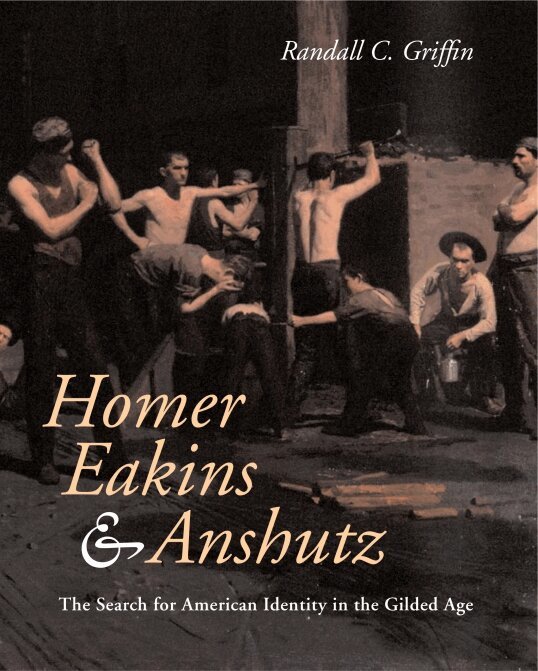
Randall Griffin’s book examines the ways in which artists and critics sought to construct a new identity for America during the era dubbed the Gilded Age because of its leaders’ taste for opulence. Artists such as Winslow Homer, Thomas Eakins, and Thomas Anshutz explored alternative “American” themes and styles, but widespread belief in the superiority of European art led them and their audiences to look to the Old World for legitimacy. This rich, never-resolved contradiction between the native and autonomous, on the one hand, and, on the other, the European and borrowed serves as the armature of Griffin’s innovative look at how and why the world of art became a key site in the American struggle for identity. Not only does Griffin trace the interplay of issues of nationalism, class, and gender in American culture, but he also offers insightful readings of key paintings by Eakins and other canonical artists. Further, Griffin shows that by 1900 the nationalist project in art and criticism had helped open the way for the formulation of American modernism. Homer, Eakins, and Anshutz will be of importance to all those interested in American culture as well as to specialists in art history and art criticism.
559 kr
Skickas inom 7-10 vardagar
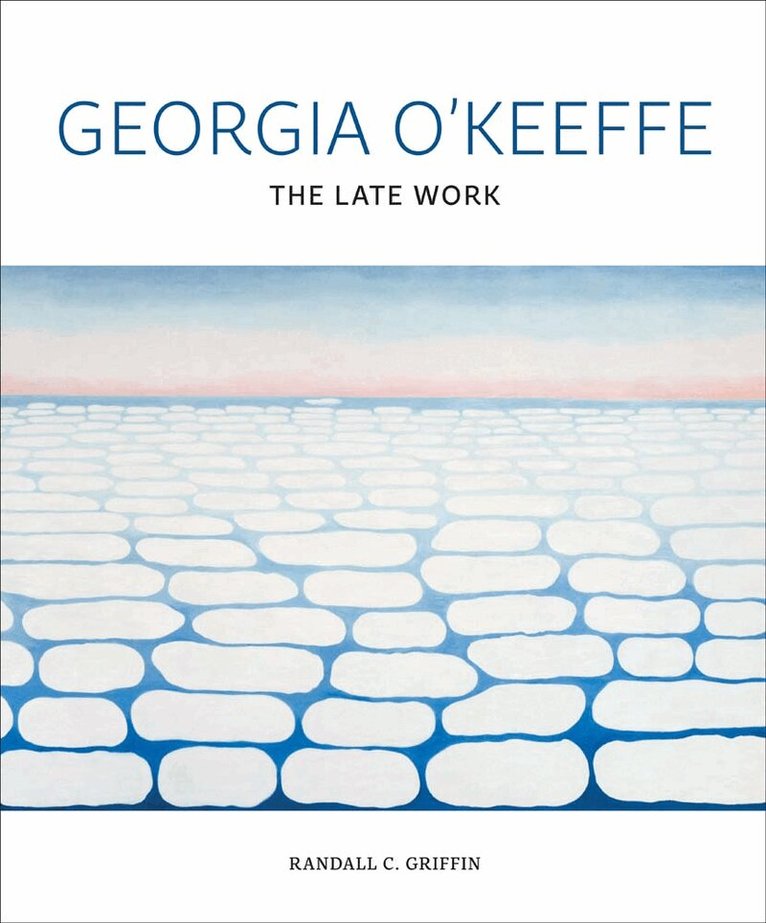
An unprecedented examination of the underexplored late work of the iconic American modernist “Griffin’s study of O’Keeffe’s later works is a revelation, opening new dimensions of this iconic American modernist as she grappled with age and creative evolution. . . . A must-read.”—Megan Fox Kelly, Observer, “Art Books Defining 2025” Georgia O’Keeffe (1887–1986) has long been celebrated for her paintings, photographs, and contributions to American modernism in the 1930s and early 1940s, yet her work from the end of World War II through the early 1980s has been largely neglected. In this groundbreaking study, Randall C. Griffin focuses on the major pictorial series that O’Keeffe produced throughout her later career—mysterious abstract depictions of her house in Abiquiu, New Mexico, and its surrounding landscape; voluptuous aerial representations of rivers, skies, and canyons in Arizona; Buddhist-informed depictions of clouds; and daring and enigmatic portrayals of the Washington Monument. Drawing from previously overlooked photographs, letters, objects, and paintings, Griffin reveals how these works reflect O’Keeffe’s evolving artistic interests and ambitions while also engaging with contemporary issues such as race, class, gender, indigeneity, spirituality, and ecology. Firmly situating O’Keeffe within the larger cultural and political milieu, this volume offers a new understanding of these visionary works and shows how they were informed by, and enriched, the American postwar artistic landscape.