Raoul J. Granqvist – författare
Visar alla böcker från författaren Raoul J. Granqvist. Handla med fri frakt och snabb leverans.
4 produkter
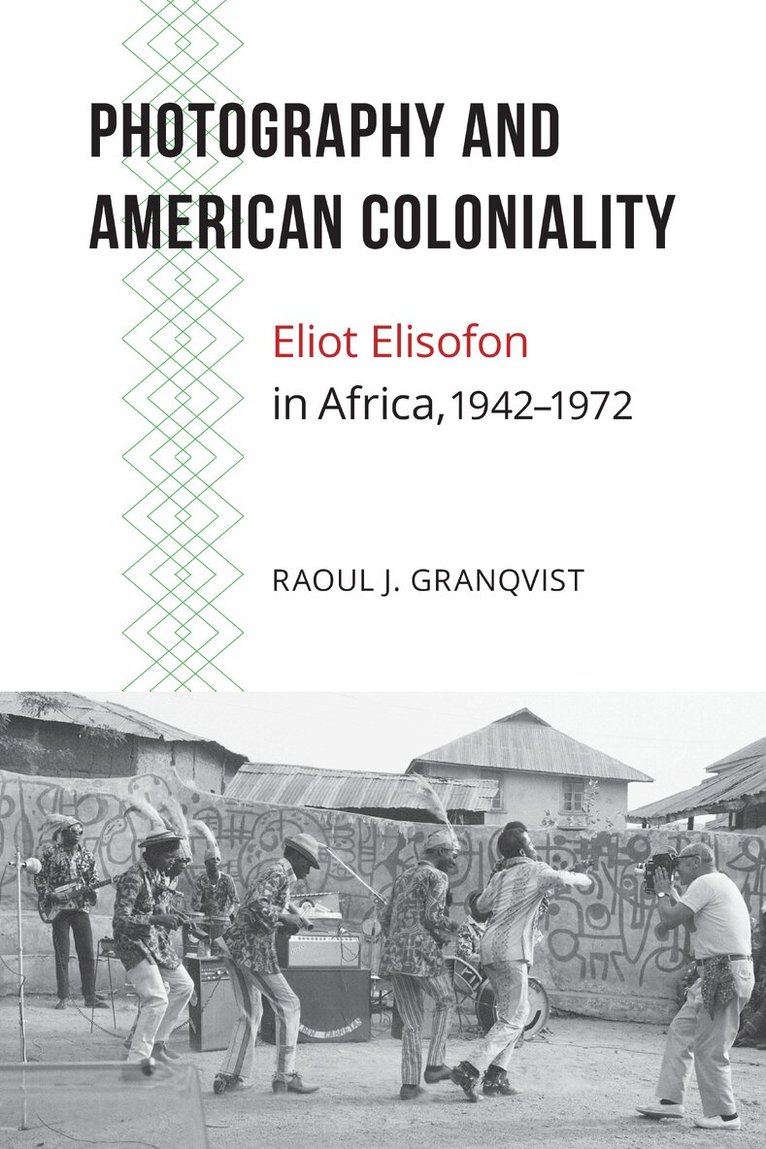
Photography and American Coloniality
Eliot Elisofon in Africa, 1942–1972
Inbunden, 2017
1213 kr
Lägg i varukorg
This book is the first to question both why and how the colonialist mythologies represented by the work of photographer Eliot Elisofon persist. It documents and discusses a heterogeneous practice of American coloniality of power as it explores Elisofon’s career as war photographer-correspondent and …
Sensuality and power in visual culture
Häftad, 2006
362 kr
Lägg i varukorg
The present collection of essays sits in a broad "cultural studies" cum "visual studies" field of topical interest connecting the visual with a whole range of disciplines: art history, literary and historical analysis, aesthetic criticism, post-colonialism, media studies, gender studies, …
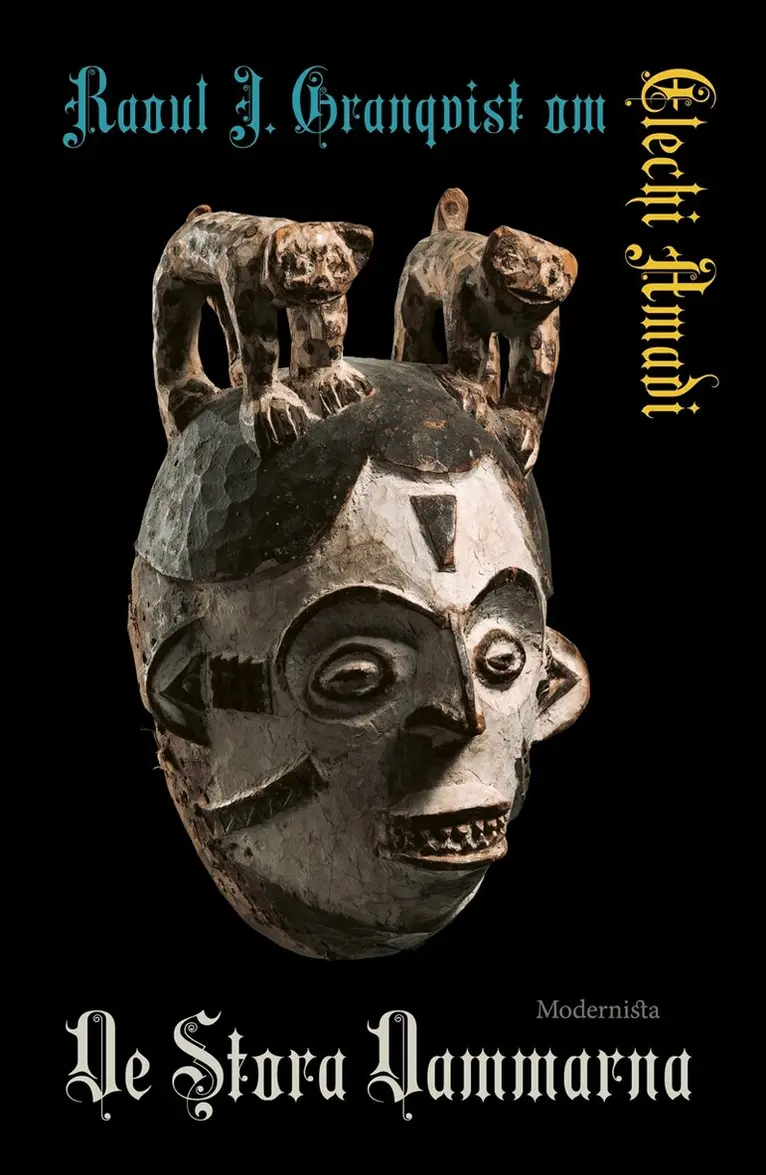
Om De stora dammarna av Elechi Amadi
E-bok, 2015
29 kr
Lägg i varukorg
Nyskrivet förord av litteraturvetaren Raoul J. Granqvist till Elechi Amadis De stora dammarna . Om De stora dammarna : De stora dammarna är en roman om kriget och dess effekter. Två byar, Chiolu och Aliakoro, vars krigare förut stridit sida vid sida, befinner sig i fejd med varandra över …
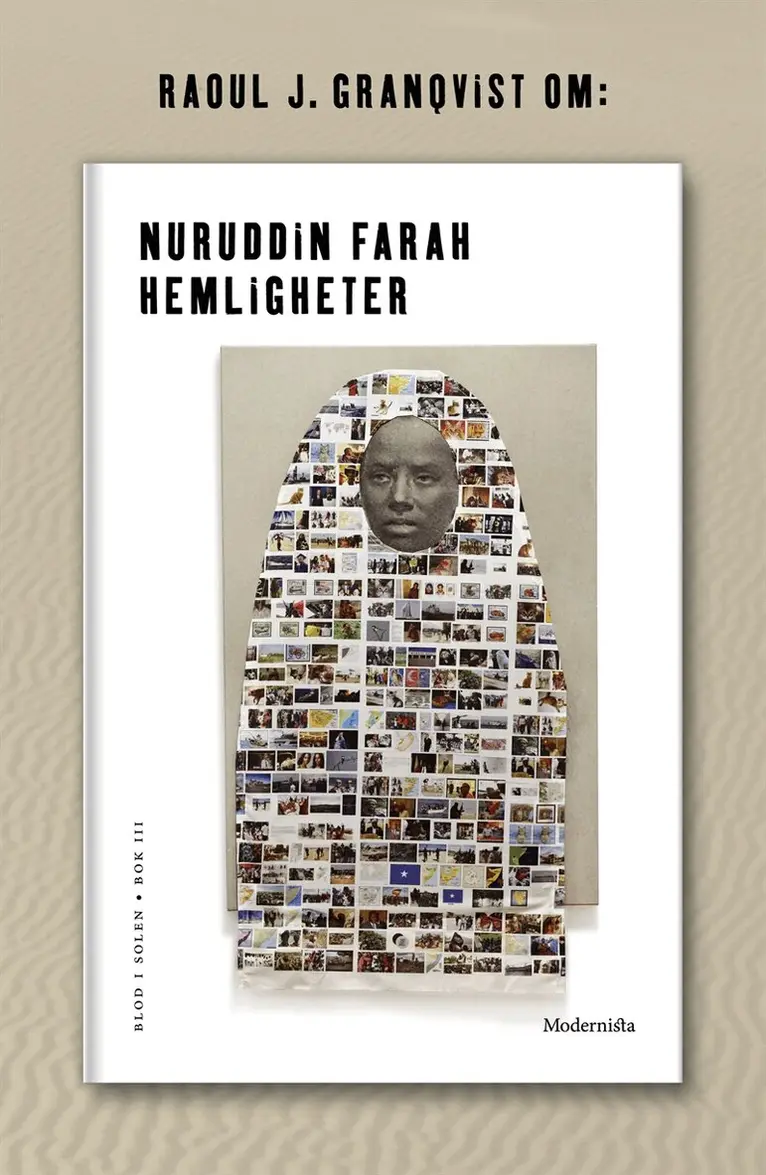
Om Hemligheter av Nuruddin Farah
E-bok, 2015
29 kr
Lägg i varukorg
Nyskrivet förord till Nuruddin Farahs Hemligheter av litteraturvetaren Raoul J. Granqvist. Om Hemligheter : 33-årige Kalaman äger ett dataföretag i Mogadishu, men växte upp på landsbygden. Hans barndomsvän Sholoongo har nyligen återvänt från USA, där hon skaffat sig ett rykte som schaman. Nu …