Raphael Espinoza – författare
Visar alla böcker från författaren Raphael Espinoza. Handla med fri frakt och snabb leverans.
6 produkter
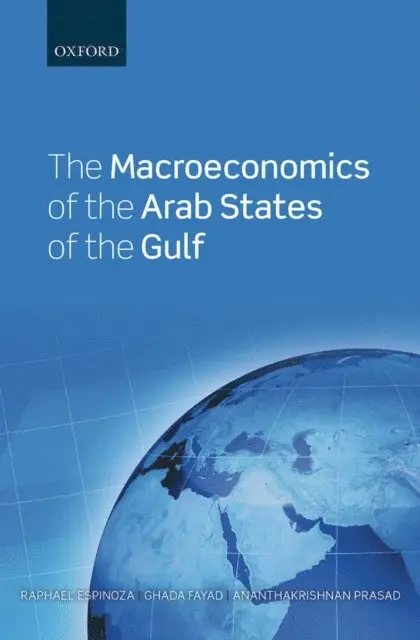
Macroeconomics of the Arab States of the Gulf
Av Ananthakrishnan Prasad, Ghada Fayad m. fl.
E-bok, 2013
1416 kr
Lägg i varukorg
The economies of the Arab states of the Gulf have gone through considerable changes in the last decade, spurred by high oil prices and ambitious diversification plans. Large-scale immigration provided the labour force while capital inflows and financial development leveraged oil wealth to finance …
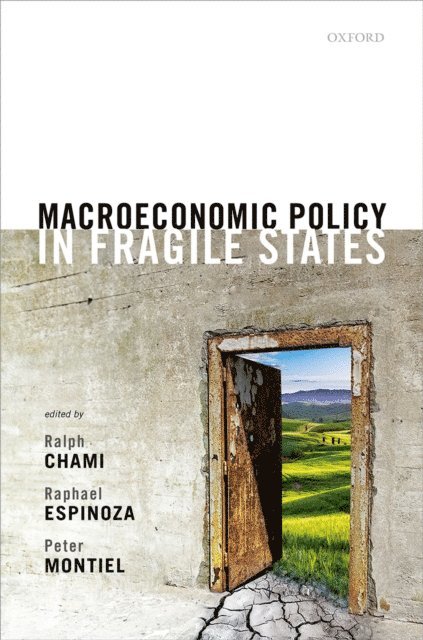
Macroeconomic Policy in Fragile States
Av Peter J. Montiel, Raphael Espinoza m. fl.
E-bok, 2021
2077 kr
Lägg i varukorg
Setting macroeconomic policy is especially difficult in fragile states. Political legitimacy concerns are heightened, raising issues such as who the policymakers are, what incentives they face, and how the process of policymaking is likely to work under limited legitimacy and high uncertainty both …
Macroeconomic Policy in Fragile States
Av Peter J. Montiel, Raphael Espinoza m. fl.
E-bok, 2021
2077 kr
Lägg i varukorg
Setting macroeconomic policy is especially difficult in fragile states. Political legitimacy concerns are heightened, raising issues such as who the policymakers are, what incentives they face, and how the process of policymaking is likely to work under limited legitimacy and high uncertainty both …
Macroeconomic Policy in Fragile States
Av Chami Et Al, Ralph Chami m. fl.
Inbunden, 2021
2320 kr
Lägg i varukorg
Setting macroeconomic policy is especially difficult in fragile states. Political legitimacy concerns are heightened, raising issues such as who the policymakers are, what incentives they face, and how the process of policymaking is likely to work under limited legitimacy and high uncertainty both …
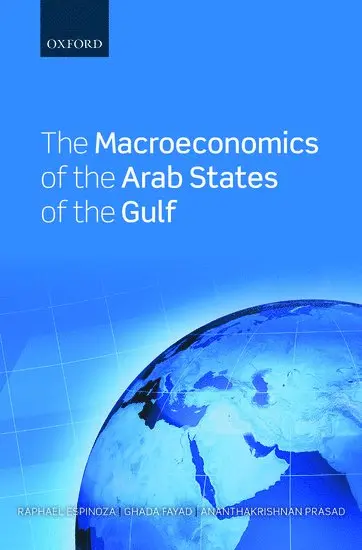
The Macroeconomics of the Arab States of the Gulf
Av Raphael Espinoza, Ghada Fayad m. fl.
Inbunden, 2013
1571 kr
Lägg i varukorg
The economies of the Arab states of the Gulf have gone through considerable changes in the last decade, spurred by high oil prices and ambitious diversification plans. Large-scale immigration provided the labour force while capital inflows and financial development leveraged oil wealth to finance …
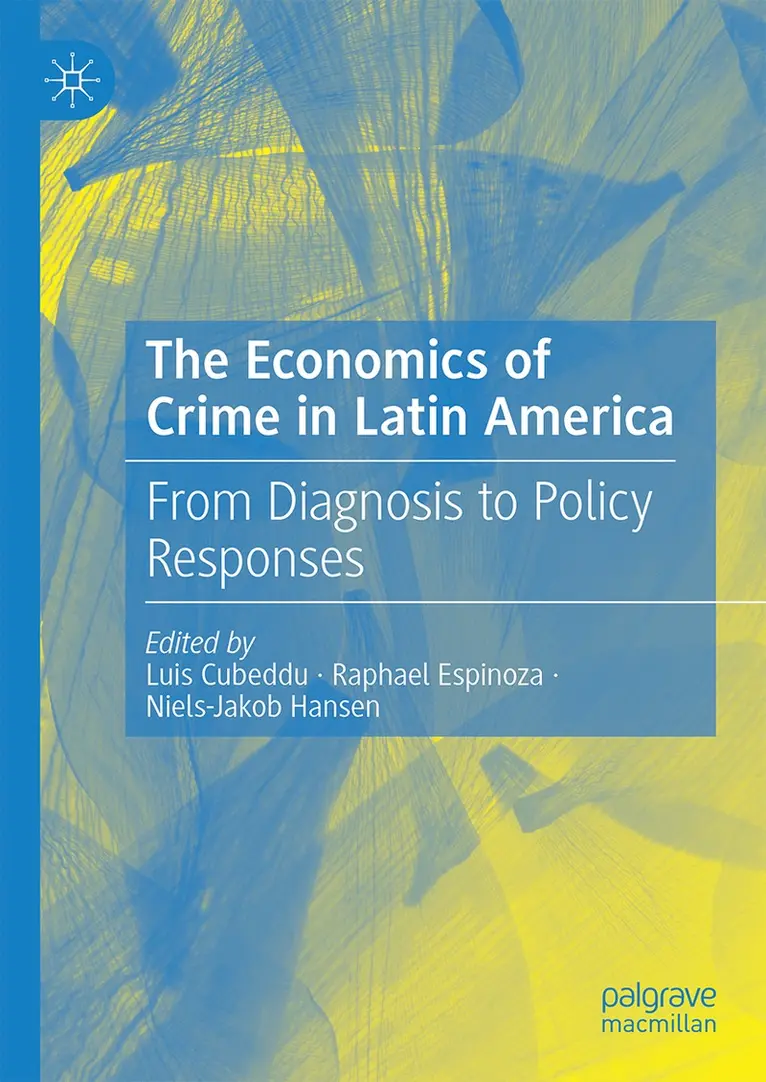
Economics of Crime in Latin America
From Diagnosis to Policy Responses
Av Luis Cubeddu, Raphael Espinoza m. fl.
Inbunden, 2027
485 kr
Kommande
This book explores the economic impact of crime in Latin America and the Caribbean, its economic drivers, and what economic policy can do to combat it. The underlying causes of crime are examined to understand the unique economic contexts that contribute to high rates of crime and violence. By …