Raúl Necochea López - Böcker
Visar alla böcker från författaren Raúl Necochea López. Handla med fri frakt och snabb leverans.
3 produkter
3 produkter
433 kr
Skickas inom 10-15 vardagar
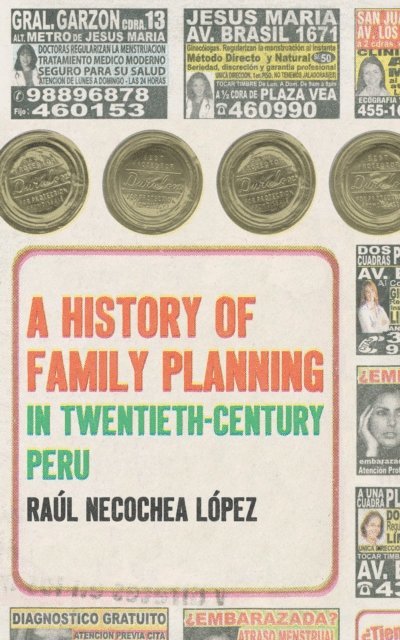
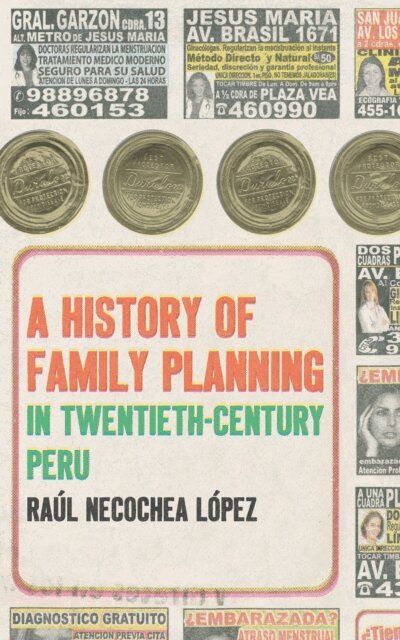
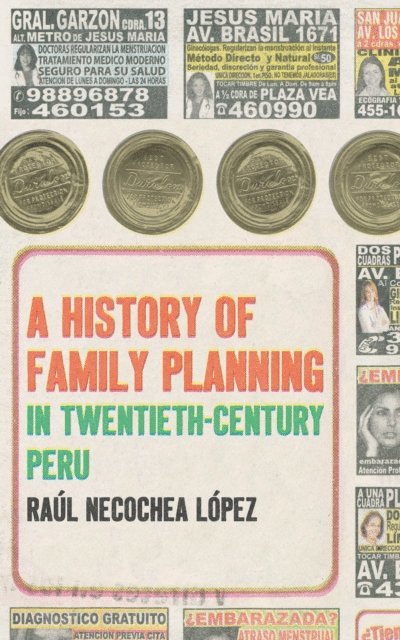
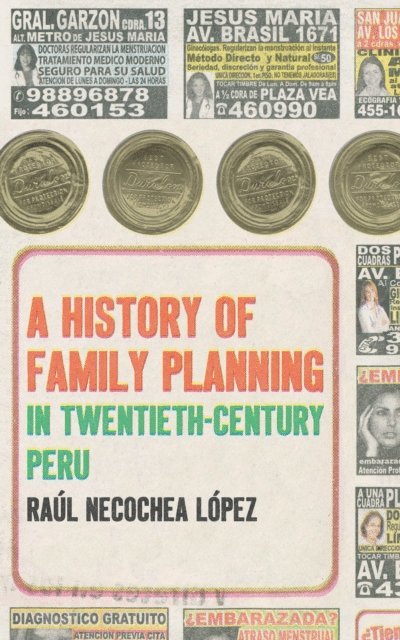
Adding to the burgeoning study of medicine and science in Latin America, this important study offers a comprehensive historical perspective on the highly contentious issues of sexual and reproductive health in an important Andean nation. Raul Necochea Lopez approaches family planning as a historical phenomenon layered with medical, social, economic, and moral implications. At stake in this complex mix were new notions of individual autonomy, the future of gender relations, and national prosperity.The implementation of Peru's first family planning programs led to a rapid professionalization of fertility control. Complicating the evolution of associated medical services were the conflicting agendas of ordinary citizens, power brokers from governmental and military sectors, clergy, and international health groups. While family planning promised a greater degree of control over individuals' intimate lives, as well as opportunities for economic improvement through the effective management of birth rates, the success of attempts to regulate fertility was far from assured. Today, Necochea Lopez observes, although the quality of family planning resources in Peru has improved, services remain far from equitably available.
1 724 kr
Skickas inom 7-10 vardagar
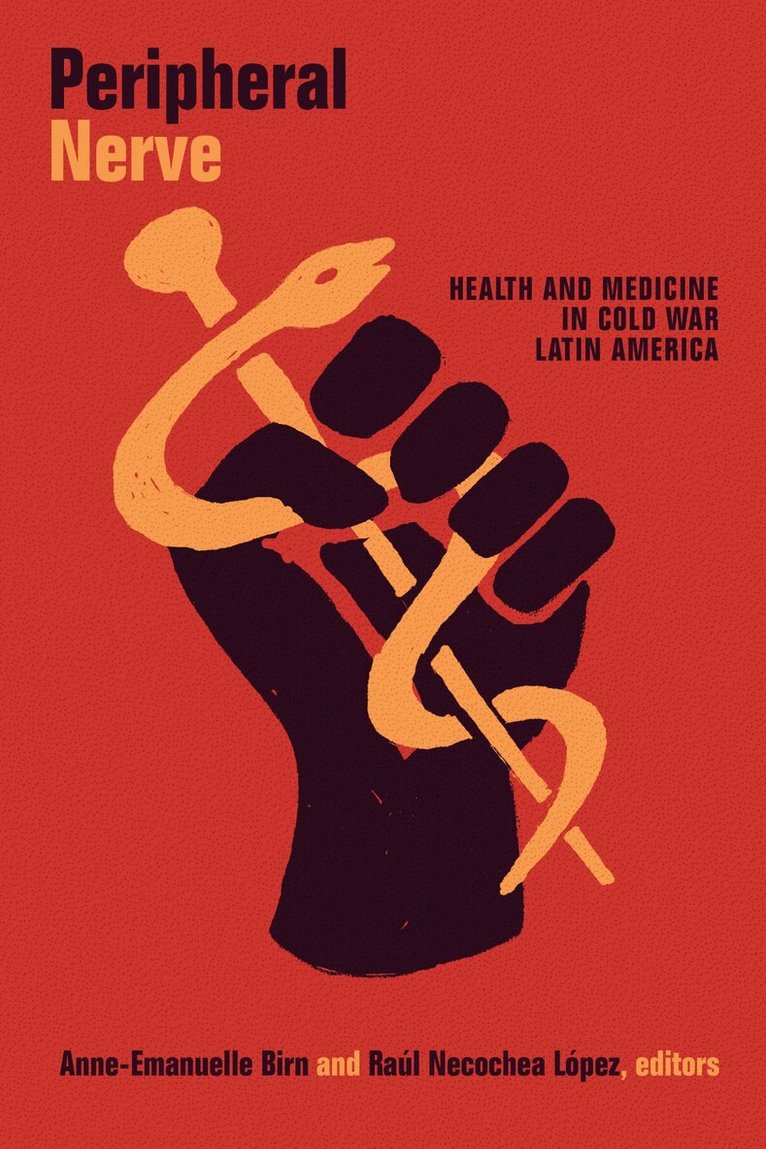
Buenos Aires psychoanalysts resisting imperialism. Brazilian parasitologists embracing communism as an antidote to rural misery. Nicaraguan revolutionaries welcoming Cuban health cooperation. Chilean public health reformers gauging domestic approaches against their Soviet and Western counterparts. As explored in Peripheral Nerve, these and accompanying accounts problematize existing understandings of how the Cold War unfolded in Latin America generally and in the health and medical realms more specifically. Bringing together scholars from across the Americas, this volume chronicles the experiences of Latin American physicians, nurses, medical scientists, and reformers who interacted with dominant U.S. and European players and sought alternative channels of health and medical solidarity with the Soviet Union and via South-South cooperation. Throughout, Peripheral Nerve highlights how Latin American health professionals accepted, rejected, and adapted foreign involvement; manipulated the rivalry between the United States and the USSR; and forged local variants that they projected internationally. In so doing, this collection reveals the multivalent nature of Latin American health politics, offering a significant contribution to Cold War history.Contributors. Cheasty Anderson, Anne-Emanuelle Birn, Katherine E. Bliss, Gilberto Hochman, Jennifer L. Lambe, Nicole Pacino, Carlos Henrique AssunÇÃo Paiva, Jadwiga E. Pieper Mooney, RaÚl Necochea LÓpez, Marco A. Ramos, Gabriela Soto Laveaga
427 kr
Skickas inom 7-10 vardagar
Buenos Aires psychoanalysts resisting imperialism. Brazilian parasitologists embracing communism as an antidote to rural misery. Nicaraguan revolutionaries welcoming Cuban health cooperation. Chilean public health reformers gauging domestic approaches against their Soviet and Western counterparts. As explored in Peripheral Nerve, these and accompanying accounts problematize existing understandings of how the Cold War unfolded in Latin America generally and in the health and medical realms more specifically. Bringing together scholars from across the Americas, this volume chronicles the experiences of Latin American physicians, nurses, medical scientists, and reformers who interacted with dominant U.S. and European players and sought alternative channels of health and medical solidarity with the Soviet Union and via South-South cooperation. Throughout, Peripheral Nerve highlights how Latin American health professionals accepted, rejected, and adapted foreign involvement; manipulated the rivalry between the United States and the USSR; and forged local variants that they projected internationally. In so doing, this collection reveals the multivalent nature of Latin American health politics, offering a significant contribution to Cold War history.Contributors. Cheasty Anderson, Anne-Emanuelle Birn, Katherine E. Bliss, Gilberto Hochman, Jennifer L. Lambe, Nicole Pacino, Carlos Henrique AssunÇÃo Paiva, Jadwiga E. Pieper Mooney, RaÚl Necochea LÓpez, Marco A. Ramos, Gabriela Soto Laveaga