Anne-Emanuelle Birn - Böcker
Visar alla böcker från författaren Anne-Emanuelle Birn. Handla med fri frakt och snabb leverans.
9 produkter
9 produkter
837 kr
Skickas inom 7-10 vardagar
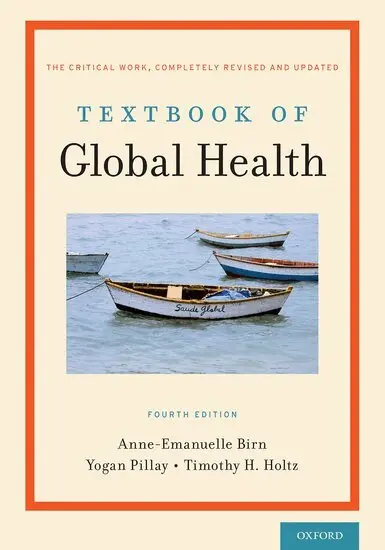
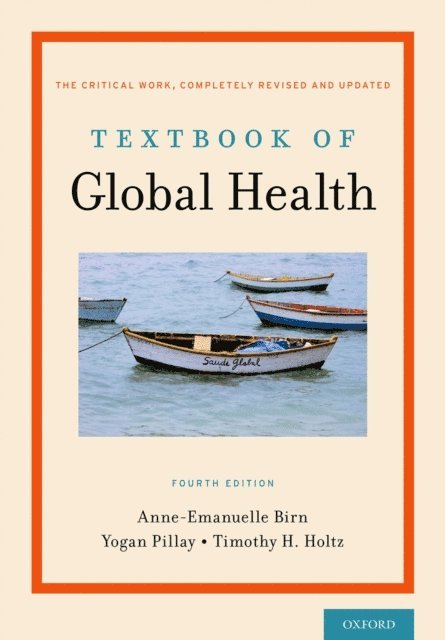
THE CRITICAL WORK IN GLOBAL HEALTH, NOW COMPLETELY REVISED AND IN PAPERBACK"This book compels us to better understand the contexts in which health problems emerge and the forces that underlie and propel them." -Archbishop Emeritus Desmond Mpilo TutuH1N1. Diabetes. Ebola. Zika. Each of these health problems is rooted in a confluence of social, political, economic, and biomedical factors that together inform our understanding of global health. The imperative for those who study global health is to understand these factors individually and, especially, synergistically. Fully revised and updated, this fourth edition of Oxford's Textbook of Global Health offers a critical examination of the array of societal factors that shape health within and across countries, including how health inequities create consequences that must be addressed by public health, international aid, and social and economic policymaking. The text equips students, activists, and health professionals with the building blocks for a contextualized understanding of global health, including essential threads that are combined in no other work: · historical dynamics of the field· the political economy of health and development· analysis of the current global health structure, including its actors, agencies, and activities· societal determinants of health, from global trade and investment treaties to social policies to living and working conditions · the role of health data and measuring health inequities· major causes of global illness and death, including under crises, from a political economy of health vantage point that goes beyond communicable vs. non-communicable diseases to incorporate contexts of social and economic deprivation, work, and globalization· the role of trade/investment and financial liberalization, precarious work, and environmental degradation and contamination · principles of health systems and the politics of health financing· community, national, and transnational social justice approaches to building healthy societies and practicing global health ethically and equitablyThrough this approach the Textbook of Global Health encourages the reader -- be it student, professional, or advocate -- to embrace a wider view of the global health paradigm, one that draws from political economy considerations at community, national, and transnational levels. It is essential and current reading for anyone working in or around global health.
1 212 kr
Skickas inom 5-8 vardagar
The Critial Work in Global Heath, Now Completely Revised and Updated"This book compels us to better understand the contexts in which health problems emerge and the forces that underlie and propel them." -Archbishop Emeritus Desmond Mpilo TutuH1N1. Diabetes. Ebola. Zika. Each of these health problems is rooted in a confluence of social, political, economic, and biomedical factors that together inform our understanding of global health. The imperative for those who study global health is to understand these factors individually and, especially, synergistically. Fully revised and updated, this fourth edition of Oxford's Textbook of Global Health offers a critical examination of the array of societal factors that shape health within and across countries, including how health inequities create consequences that must be addressed by public health, international aid, and social and economic policymaking. The text equips students, activists, and health professionals with the building blocks for a contextualized understanding of global health, including essential threads that are combined in no other work: DT historical dynamics of the fieldDT the political economy of health and developmentDT analysis of the current global health structure, including its actors, agencies, and activitiesDT societal determinants of health, from global trade and investment treaties to social policies to living and working conditions DT the role of health data and measuring health inequitiesDT major causes of global illness and death, including under crises, from a political economy of health vantage point that goes beyond communicable vs. non-communicable diseases to incorporate contexts of social and economic deprivation, work, and globalizationDT the role of trade/investment and financial liberalization, precarious work, and environmental degradation and contamination DT principles of health systems and the politics of health financingDT community, national, and transnational social justice approaches to building healthy societies and practicing global health ethically and equitablyThrough this approach the Textbook of Global Health encourages the reader -- be it student, professional, or advocate -- to embrace a wider view of the global health paradigm, one that draws from political economy considerations at community, national, and transnational levels. It is essential and current reading for anyone working in or around global health.
429 kr
Skickas inom 5-8 vardagar
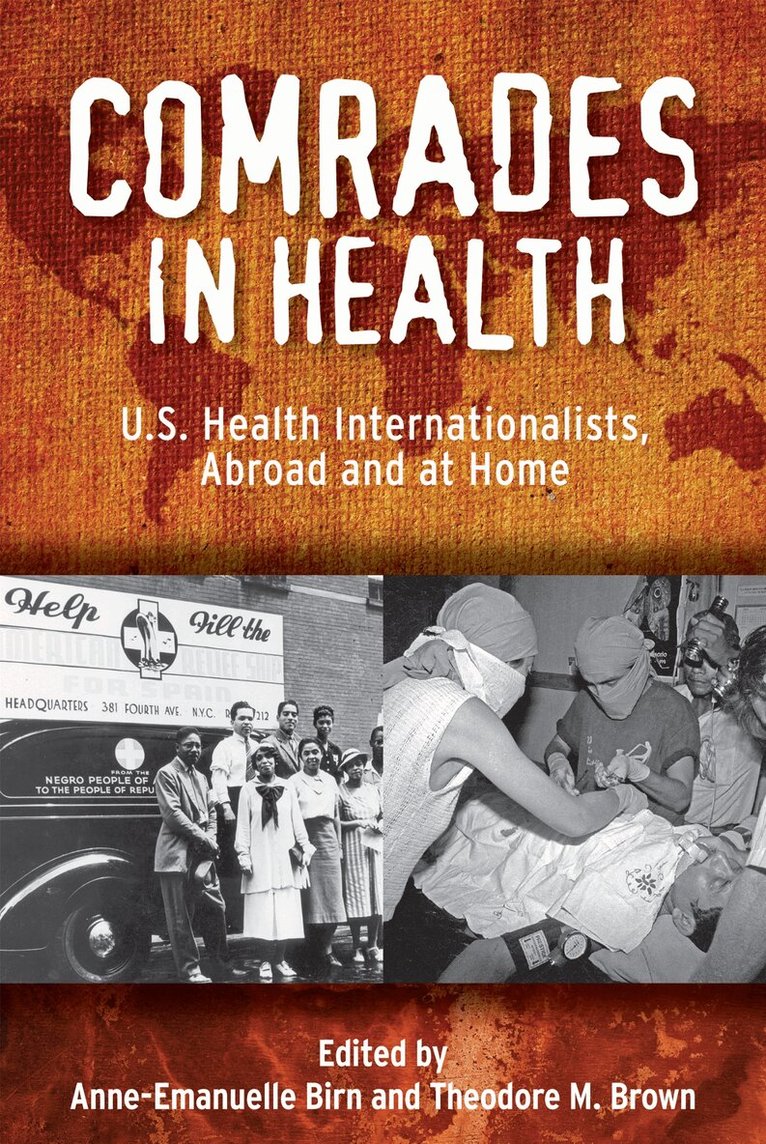
Since the early twentieth century, politically engaged and socially committed U.S. health professionals have worked in solidarity with progressive movements around the world. Often with roots in social medicine, political activism, and international socialism, these doctors, nurses, and other health workers became comrades who joined forces with people struggling for social justice, equity, and the right to health.Anne-Emanuelle Birn and Theodore M. Brown bring together a group of professionals and activists whose lives have been dedicated to health internationalism. By presenting a combination of historical accounts and first-hand reflections, this collection of essays aims to draw attention to the longstanding international activities of the American health left and the lessons they brought home. The involvement of these progressive U.S. health professionals is presented against the background of foreign and domestic policy, social movements, and global politics.
1 432 kr
Skickas inom 5-8 vardagar
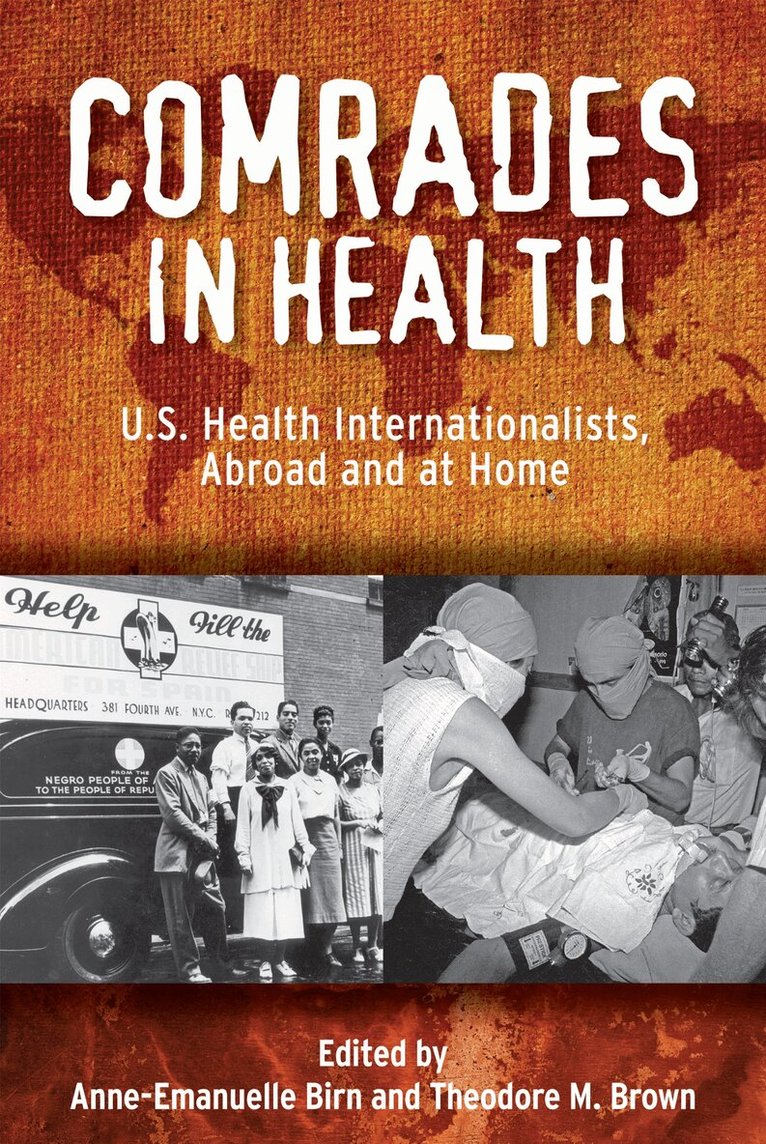
Since the early twentieth century, politically engaged and socially committed U.S. health professionals have worked in solidarity with progressive movements around the world. Often with roots in social medicine, political activism, and international socialism, these doctors, nurses, and other health workers became comrades who joined forces with people struggling for social justice, equity, and the right to health.Anne-Emanuelle Birn and Theodore M. Brown bring together a group of professionals and activists whose lives have been dedicated to health internationalism. By presenting a combination of historical accounts and first-hand reflections, this collection of essays aims to draw attention to the longstanding international activities of the American health left and the lessons they brought home. The involvement of these progressive U.S. health professionals is presented against the background of foreign and domestic policy, social movements, and global politics.
241 kr
Skickas inom 7-10 vardagar
This Element highlights the pivotal role of corporate players in universal health coverage ideologies and implementation, and critically examines social innovation-driven approaches to expanding primary care in low-income settings. It first traces the evolving meanings of universal health/healthcare in global health politics and policy, analysing their close, often hidden, intertwining with corporate interests and exigencies. It then juxtaposes three social innovations targeting niche 'markets' for lower-cost services in the Majority World, against three present-day examples of publicly financed and delivered primary healthcare (PHC), demonstrating what corporatization does to PHC, within deeply entrenched colonial-capitalist structures and discourses that normalize inferior care, private profit, and dispossession of peoples.
775 kr
Skickas inom 7-10 vardagar
This Element highlights the pivotal role of corporate players in universal health coverage ideologies and implementation, and critically examines social innovation-driven approaches to expanding primary care in low-income settings. It first traces the evolving meanings of universal health/healthcare in global health politics and policy, analysing their close, often hidden, intertwining with corporate interests and exigencies. It then juxtaposes three social innovations targeting niche 'markets' for lower-cost services in the Majority World, against three present-day examples of publicly financed and delivered primary healthcare (PHC), demonstrating what corporatization does to PHC, within deeply entrenched colonial-capitalist structures and discourses that normalize inferior care, private profit, and dispossession of peoples.
1 724 kr
Skickas inom 7-10 vardagar
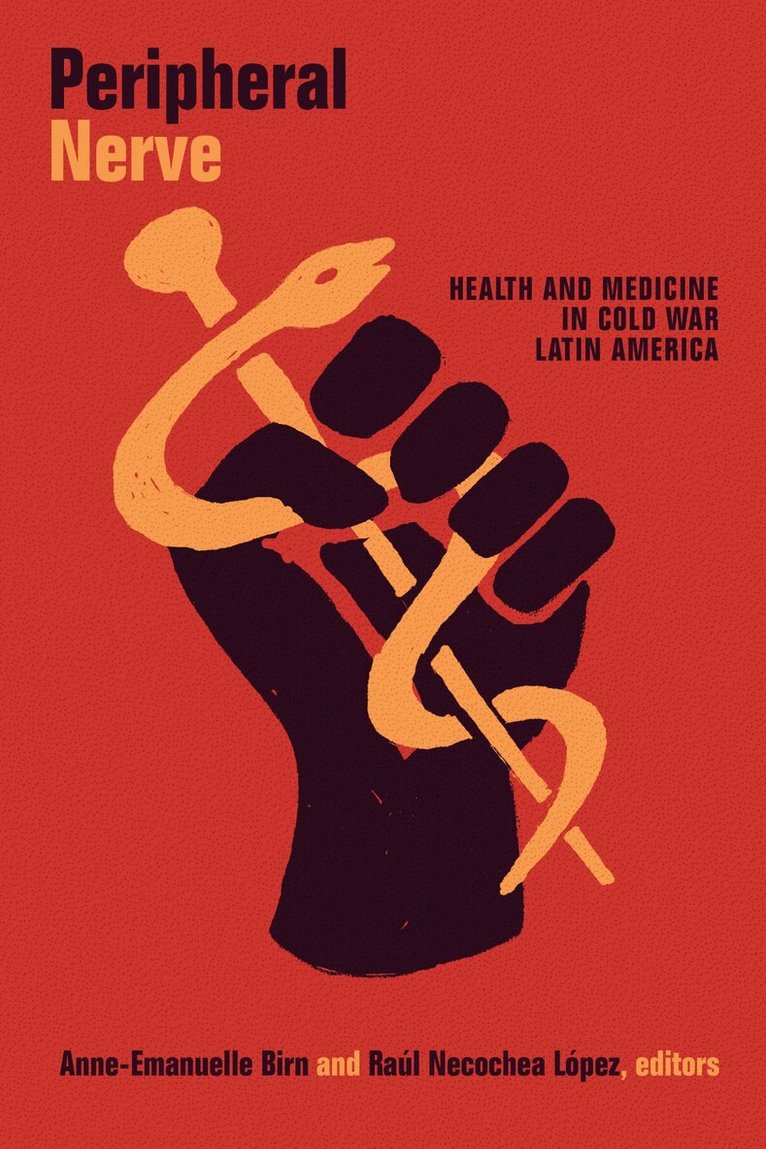
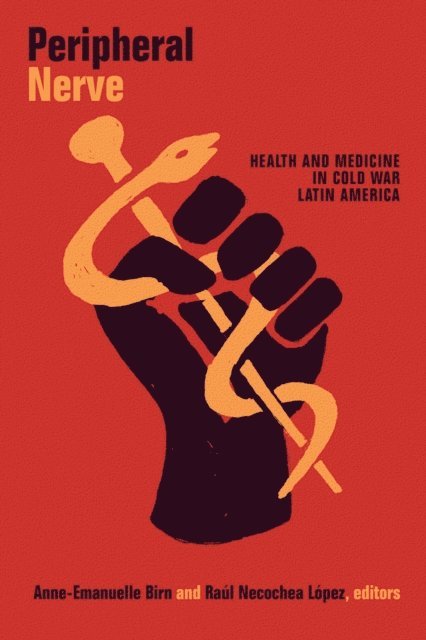
Buenos Aires psychoanalysts resisting imperialism. Brazilian parasitologists embracing communism as an antidote to rural misery. Nicaraguan revolutionaries welcoming Cuban health cooperation. Chilean public health reformers gauging domestic approaches against their Soviet and Western counterparts. As explored in Peripheral Nerve, these and accompanying accounts problematize existing understandings of how the Cold War unfolded in Latin America generally and in the health and medical realms more specifically. Bringing together scholars from across the Americas, this volume chronicles the experiences of Latin American physicians, nurses, medical scientists, and reformers who interacted with dominant U.S. and European players and sought alternative channels of health and medical solidarity with the Soviet Union and via South-South cooperation. Throughout, Peripheral Nerve highlights how Latin American health professionals accepted, rejected, and adapted foreign involvement; manipulated the rivalry between the United States and the USSR; and forged local variants that they projected internationally. In so doing, this collection reveals the multivalent nature of Latin American health politics, offering a significant contribution to Cold War history.Contributors. Cheasty Anderson, Anne-Emanuelle Birn, Katherine E. Bliss, Gilberto Hochman, Jennifer L. Lambe, Nicole Pacino, Carlos Henrique AssunÇÃo Paiva, Jadwiga E. Pieper Mooney, RaÚl Necochea LÓpez, Marco A. Ramos, Gabriela Soto Laveaga
427 kr
Skickas inom 7-10 vardagar
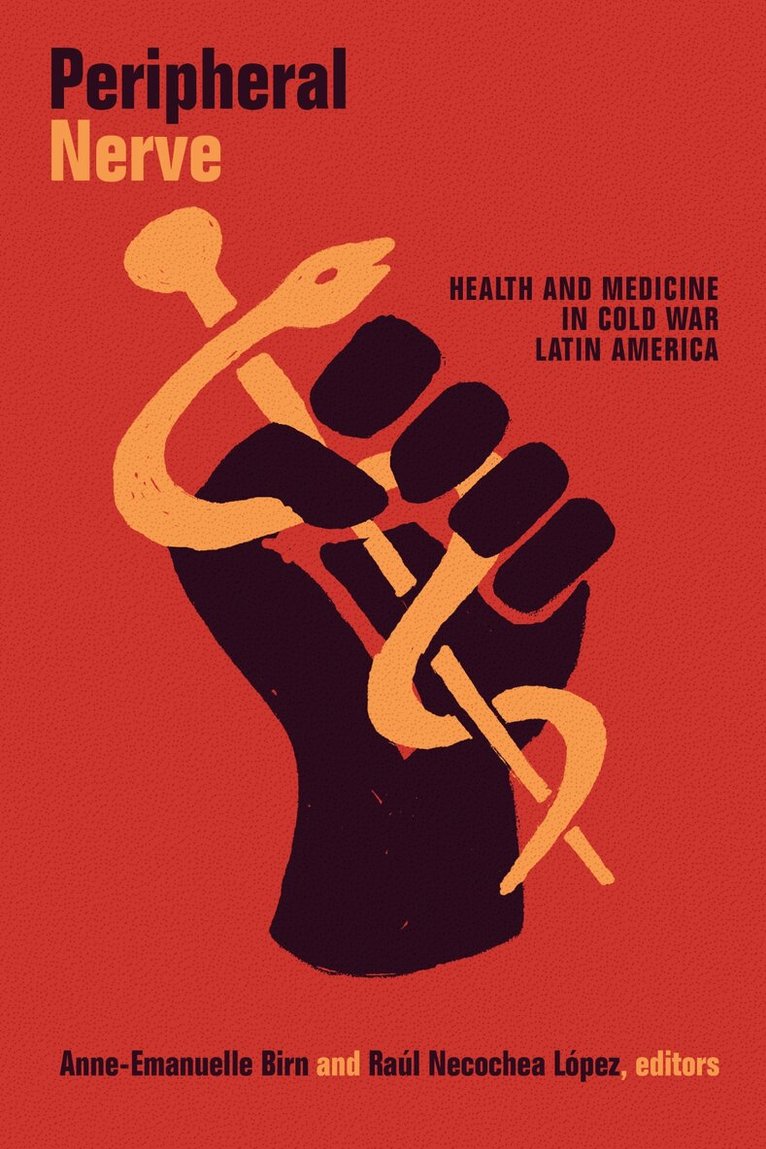
Buenos Aires psychoanalysts resisting imperialism. Brazilian parasitologists embracing communism as an antidote to rural misery. Nicaraguan revolutionaries welcoming Cuban health cooperation. Chilean public health reformers gauging domestic approaches against their Soviet and Western counterparts. As explored in Peripheral Nerve, these and accompanying accounts problematize existing understandings of how the Cold War unfolded in Latin America generally and in the health and medical realms more specifically. Bringing together scholars from across the Americas, this volume chronicles the experiences of Latin American physicians, nurses, medical scientists, and reformers who interacted with dominant U.S. and European players and sought alternative channels of health and medical solidarity with the Soviet Union and via South-South cooperation. Throughout, Peripheral Nerve highlights how Latin American health professionals accepted, rejected, and adapted foreign involvement; manipulated the rivalry between the United States and the USSR; and forged local variants that they projected internationally. In so doing, this collection reveals the multivalent nature of Latin American health politics, offering a significant contribution to Cold War history.Contributors. Cheasty Anderson, Anne-Emanuelle Birn, Katherine E. Bliss, Gilberto Hochman, Jennifer L. Lambe, Nicole Pacino, Carlos Henrique AssunÇÃo Paiva, Jadwiga E. Pieper Mooney, RaÚl Necochea LÓpez, Marco A. Ramos, Gabriela Soto Laveaga
Del 8 - Rochester Studies in Medical History
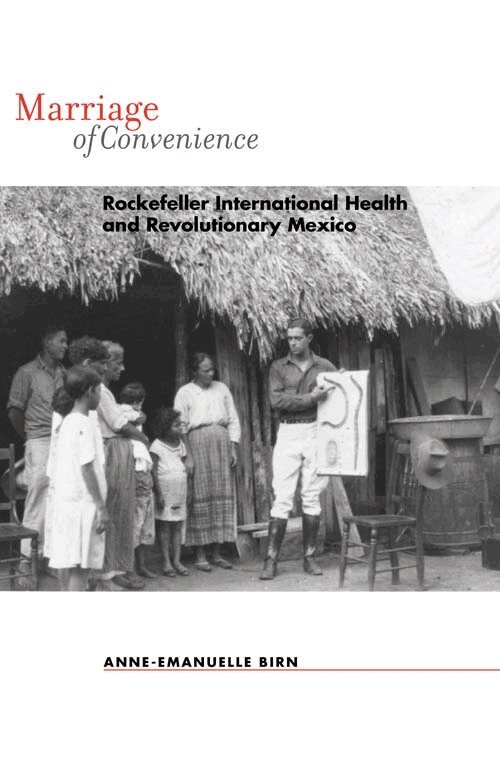
Marriage of Convenience
Rockefeller International Health and Revolutionary Mexico
Häftad, Engelska, 2012
445 kr
Skickas inom 7-10 vardagar
Offers a nuanced analysis of the interaction between the Rockefeller Foundation's International Health Division and Mexico's Departamento de Salubridad Pública as they jointly promoted public health through campaigns against yellow fever and hookworm disease, organized cooperative rural health units, and educated public health professionals in North American universities and Mexican training stations.